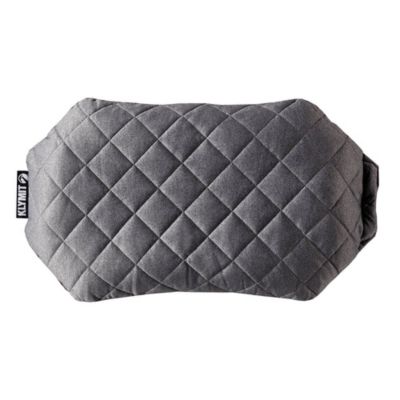
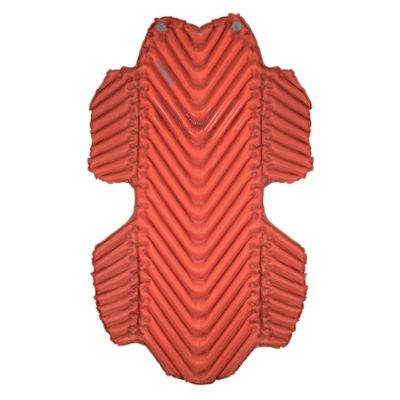
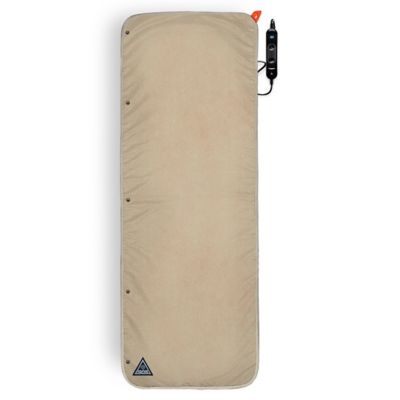
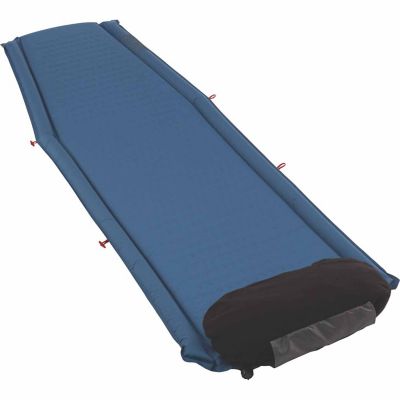
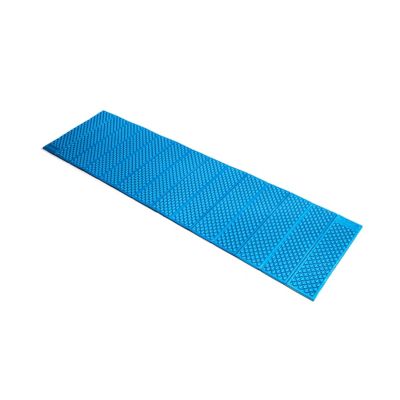
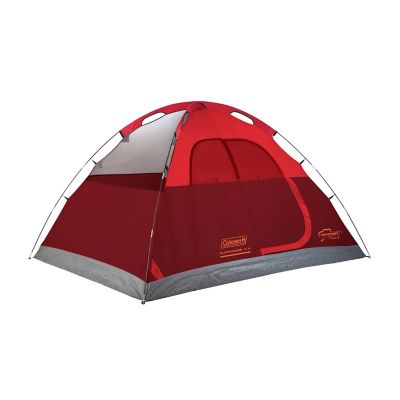
Spring camping essentials bring together shelter, sleep gear, clothing, cooking equipment, and everyday camp supplies suited to chilly nights, passing rain, and muddy ground. The right mix depends on whether camp sits beside a pickup, a short walk from the parking area, or several miles down a trail. For a family staying at an established campground, extra room and easy organization can matter more than keeping every ounce off the load. For a backpacker, packed size and carrying weight deserve closer attention. Shelter materials, floor construction, and rain coverage all play a part in keeping a sleeping area comfortable. Water-resistant fabric can handle light moisture, while a waterproof shelter system depends on its fabric, seams, closures, and setup working together. A rainfly with good coverage and a properly sized ground layer can help keep bedding separated from wet ground and wind-driven rain. Ventilation matters, too, because moisture from breathing and damp clothing can collect inside an enclosed tent. Mesh panels and adjustable vents help balance airflow with protection from the elements. Tent capacity generally describes sleeping space rather than room for everyone’s bags, so floor dimensions and storage areas give a clearer picture of how a shelter will suit a family or a pair of campers with gear. Underfoot, a sleeping pad provides cushioning and insulation from the ground; its R-value indicates insulating performance, with a higher number offering greater resistance to heat loss. Sleeping bag temperature ratings are another useful comparison, though personal comfort varies with clothing, shelter, wind, and the pad underneath. Synthetic insulation generally keeps more of its insulating ability when damp than untreated down, while down often packs smaller for its warmth. For a child’s first overnight trip or a familiar fishing spot reached by truck, a dry sleep system and enough room to settle in can make the difference between a restless night and waking ready for breakfast.
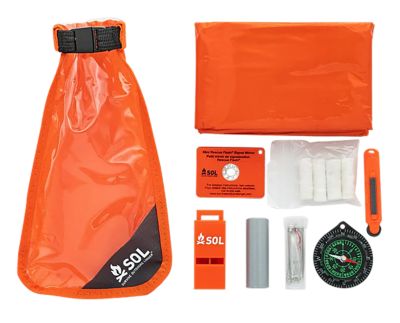
Clothing and footwear earn their place among spring camping essentials because a single trip can include a cold morning, a sunny hike, and an evening shower. Layers offer more flexibility than one heavy garment: a next-to-skin layer manages perspiration, an insulating layer holds warmth, and an outer shell helps block wind and rain. Wool and synthetic fabrics are common choices for active wear because they manage moisture differently from cotton, which can stay wet against the skin. Fit deserves attention across the whole outfit. A rain shell needs enough room over an insulating layer without pulling tight through the shoulders, while pants should allow a full step over a log or a comfortable crouch beside camp. Hoods, cuffs, and waist adjustments help limit drafts and rain entry, and pockets with secure closures give small essentials a place to ride. Footwear should match both the terrain and the load: a maintained campground path calls for different support and traction than a rocky trail with a loaded pack. Tread helps grip uneven surfaces, waterproof construction can help with puddles and wet grass, and breathable materials may feel more comfortable on longer walks. No waterproof boot keeps feet dry if water enters over the top, so coverage and route conditions still matter. Socks that fit without bunching, along with a dry spare pair, help keep feet comfortable after a muddy stretch. Around camp, lighting that leaves hands free is handy for fastening a shelter after dusk or finding a zipper without waking everyone nearby. Battery type, run time, light settings, and weather protection are useful points of comparison. Navigation supplies, first-aid supplies, sun protection, and insect protection round out the gear for time away from the truck. In areas with ticks, clothing coverage and regular tick checks are worthwhile habits, even when the air still feels cool. Children benefit from properly fitting layers and footwear rather than oversized gear that slips, drags, or limits movement.
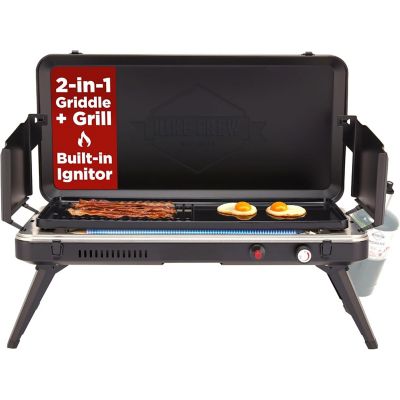
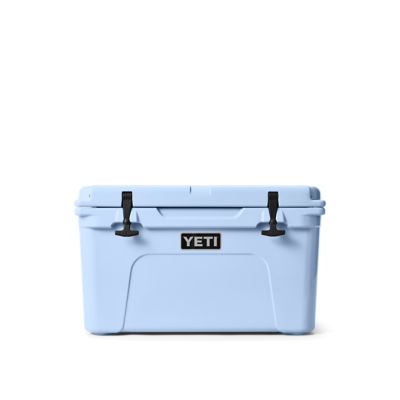
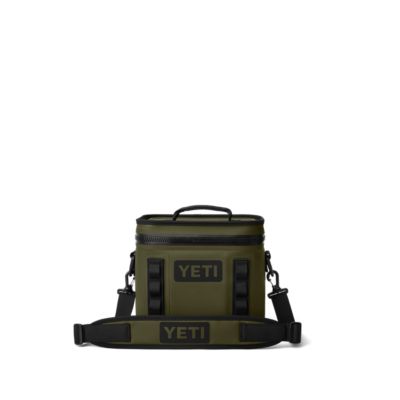
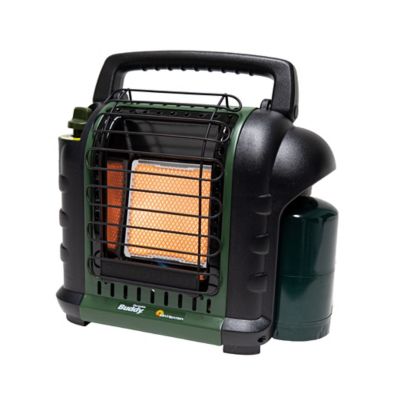
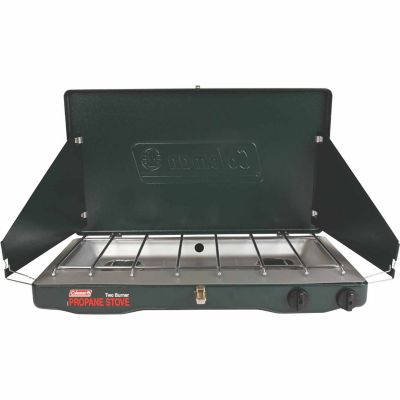
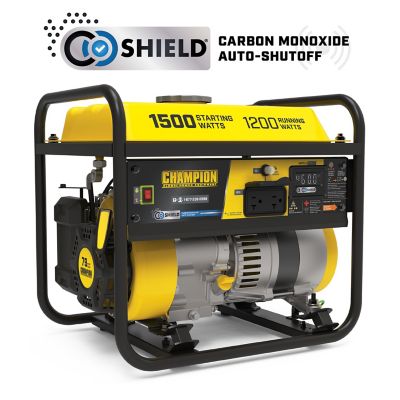
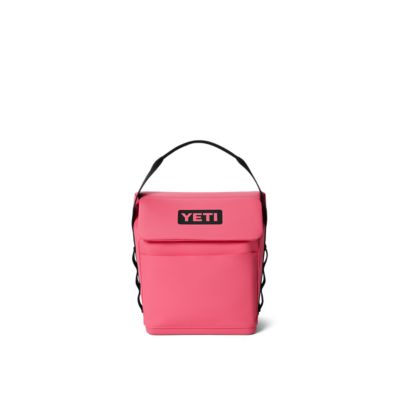
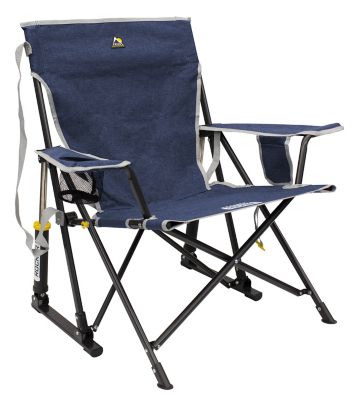
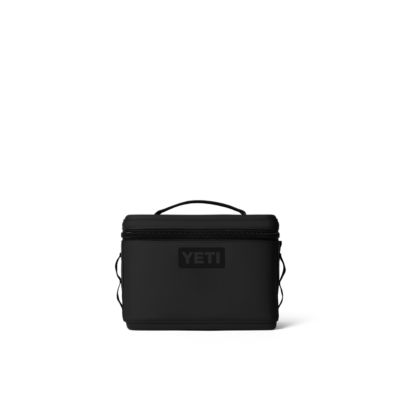
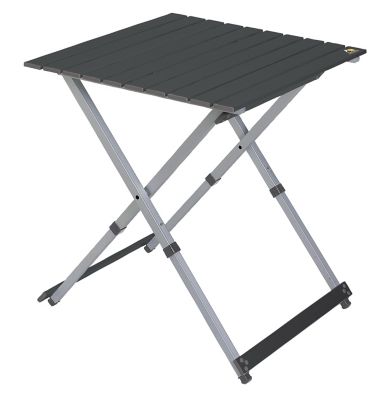
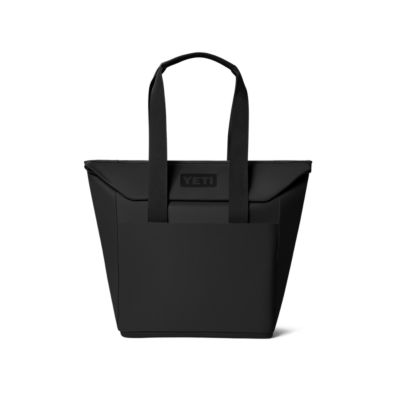
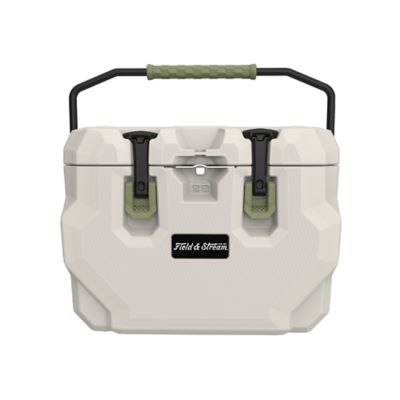
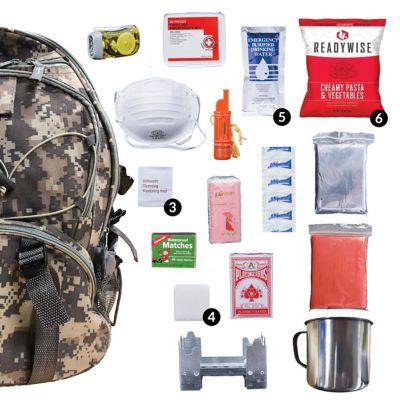
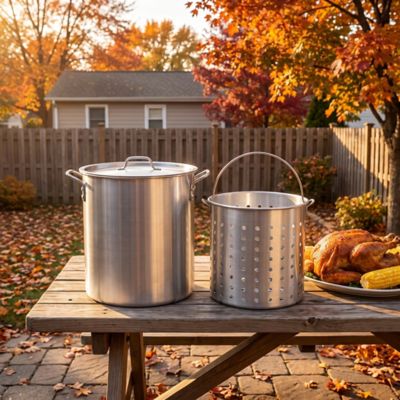
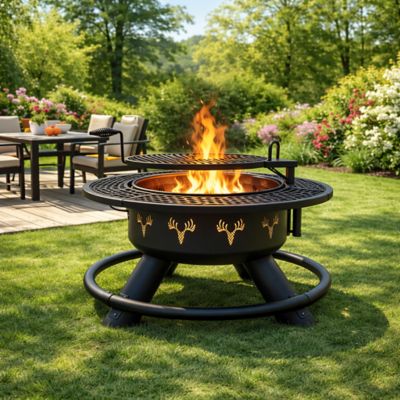
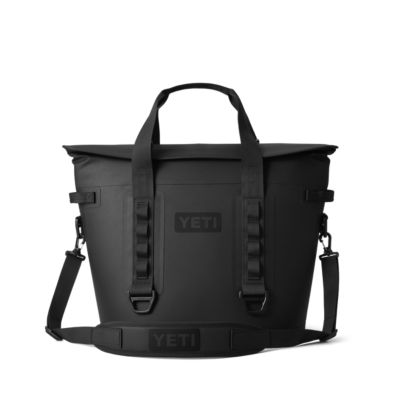
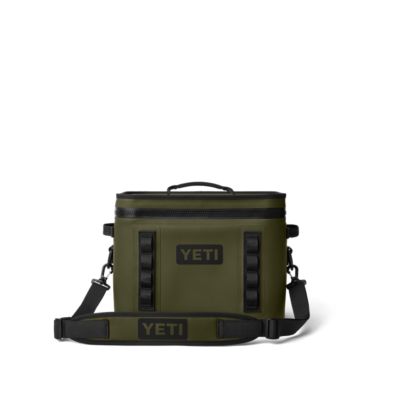
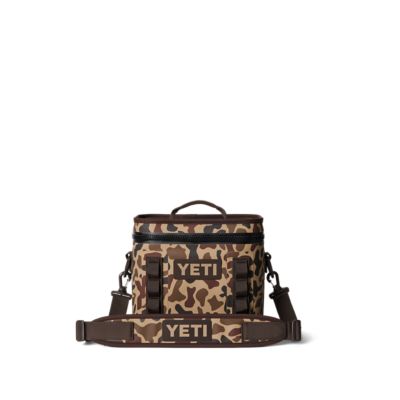
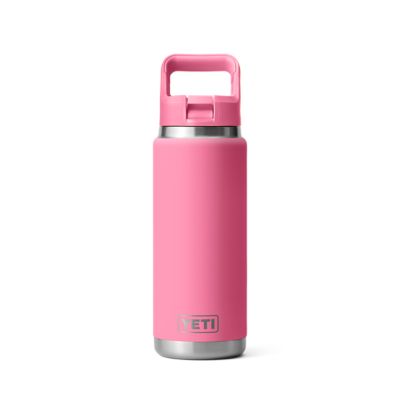
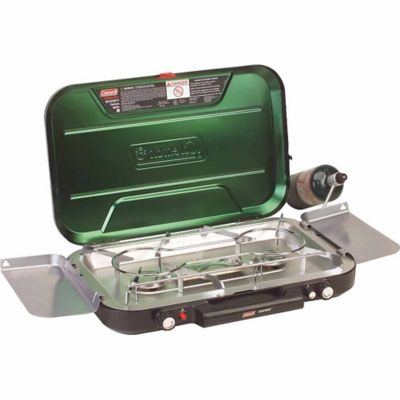
Camp cooking and seating gear help turn a patch of ground into a comfortable place to share a meal, rest tired legs, and enjoy the sounds beyond the lantern light. Cooking equipment should suit the group size, the planned meals, and campground rules. A compact setup may be enough for hot drinks and a simple breakfast, while a family staying several nights may need more cooking surface and food storage space. Stainless steel is common in camp cookware for its resistance to rust and straightforward care; aluminum offers a lighter carry, and cast iron brings heat retention at the cost of added weight and regular seasoning. Handles, lids, stable bases, and storage dimensions matter when the cooking area is a small table or a tailgate. Fuel compatibility deserves close attention, and fuel-burning equipment belongs outdoors, well away from tents and other enclosed spaces. Safe drinking water, suitable containers, and treatment equipment matched to the water source are just as important as the cooking setup. Food storage should follow local wildlife rules, including any requirements for bear-resistant containers or designated storage lockers. Coolers work best when perishables stay at 40°F or below, with a food thermometer taking the guesswork out of checking temperatures. For downtime, seating with a suitable weight capacity, steady feet, and an easy-to-carry frame makes sense beside a picnic table or around a permitted campfire. Washable storage bags and bins help separate muddy footwear from bedding, while secure closures keep small camp supplies together on a bumpy gravel road. Care after the trip protects the next outing: shelters and bedding need thorough drying before storage, cookware needs cleaning according to its material, and rainwear benefits from care that preserves its water-repellent finish. Practical camp gear can also make a thoughtful gift for a fishing partner, an outdoors-minded graduate, or a family starting an overnight tradition, especially when it suits their preferred campsite and carrying space. For trips that extend beyond spring,
Summer Camp Essentials offers another seasonal focus. Well-matched spring gear keeps the emphasis where it belongs: a sound night’s sleep, a meal shared outside, and a comfortable place to land after the trail.