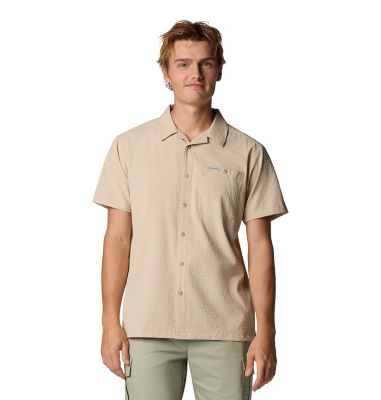
Summer camp essentials include the clothing, footwear, bedding, personal care supplies, and everyday gear that help campers settle into days away from home. Day camp generally calls for easy-to-carry belongings for outdoor activities, meals, and changing clothes, while overnight camp adds sleeping gear, shower supplies, and enough clothing to last between laundry days. The camp’s own packing requirements matter most, especially for swimming, horseback riding, hiking, or sleeping outdoors. Comfortable camp clothing has room for reaching, climbing, and sitting cross-legged without loose fabric catching on equipment. Breathable cotton feels soft for everyday wear, while lightweight polyester and nylon fabrics tend to dry faster after a sweaty afternoon or an unexpected splash. Cotton can stay damp longer, so fabric choice matters when water activities fill the schedule. Reinforced knees, sturdy seams, and washable fabrics make sense for clothes headed from a dusty ball field to a picnic bench. Longer pants may be required around horses or on brushy trails, even when shorts suit other activities. A light layer adds comfort on cool summer mornings and evenings, and rain protection helps keep a passing shower from turning the rest of the day soggy. Footwear needs to match both the activity and the camp’s rules: closed toes, secure fastenings, and traction suited to the ground are common considerations. Shoes that already fit comfortably are a better match for long camp days than a stiff pair getting its first outing. There should be room for toes to move without the heel sliding, with socks that sit smoothly instead of bunching beneath the foot. Wet-area footwear serves a different purpose from trail footwear, and permission for open-toe styles varies by camp. For younger campers, closures they can manage themselves make changing after swim time a little easier. Clothing that is simple to pull on, take off, and wash gives campers more independence, whether they are getting ready beside a cabin bunk or changing after an afternoon at the pond.
For sleepaway camp, bedding and personal care essentials help make an unfamiliar cabin feel more settled. Bedding size depends on the sleeping setup, since a narrow cot, a bunk mattress, and a tent floor have different needs. Sheets need to fit the provided mattress, while blankets and sleeping bags should suit the expected overnight conditions. A sleeping bag’s temperature rating is a comparison point rather than a promise of comfort; shelter, sleep clothing, ground insulation, and individual preferences also matter. Washable fabrics and removable pillow covers make cleanup simpler after a week of dusty feet and damp hair. Sleeping gear should be thoroughly dry before storage, and care labels help determine whether machine washing, spot cleaning, or air drying is appropriate. The same practical thinking applies to luggage and storage. A camper needs enough space for the trip without a bag becoming too heavy to carry from the drop-off area to the cabin. Wide openings, easy-grip pulls, reinforced handles, and compartments that keep smaller belongings together can make daily routines less of a scramble. Separate space for wet clothing and laundry helps keep damp fabric away from clean bedding, though wet belongings still need a chance to dry rather than staying sealed up. A readable name on clothing and personal belongings helps sort out the mix-up when several campers bring similar gear. Personal care supplies work best when they fit the camper’s routine and are easy to manage at a shared sink or shower. Containers with secure lids help limit spills, while a draining carrier allows water to escape instead of collecting underneath everything. Towels that dry readily are practical where hanging space is tight. Enough socks and underwear for the stay, or for the interval between laundry days, support everyday comfort. Familiar sleepwear and a small comfort belonging can also ease the first few nights away, particularly for younger children learning to settle down with cabinmates nearby.
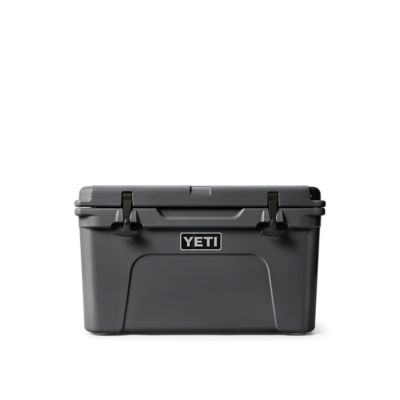
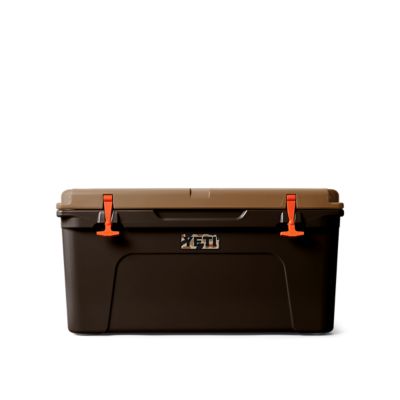
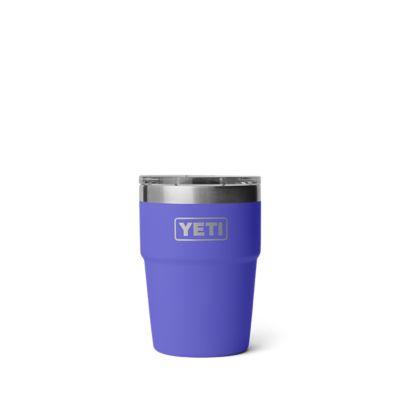
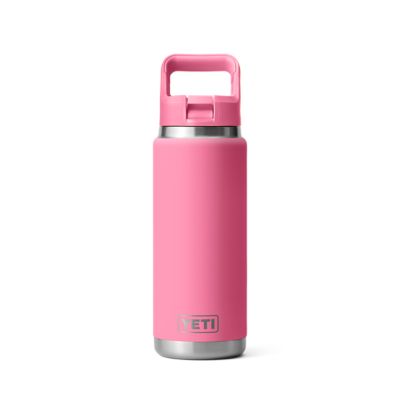
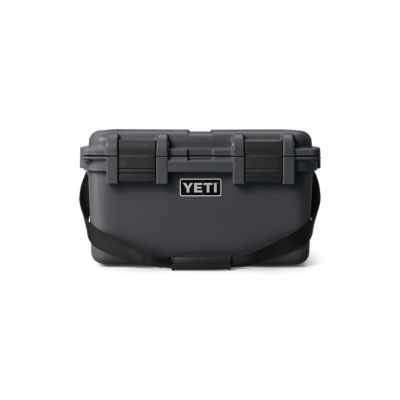
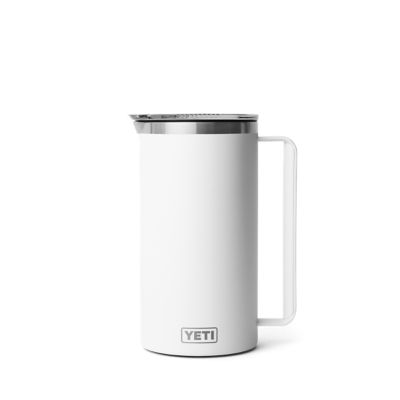
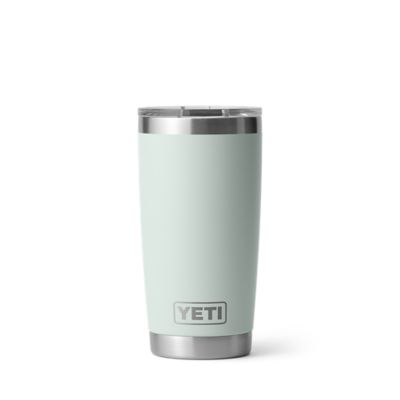
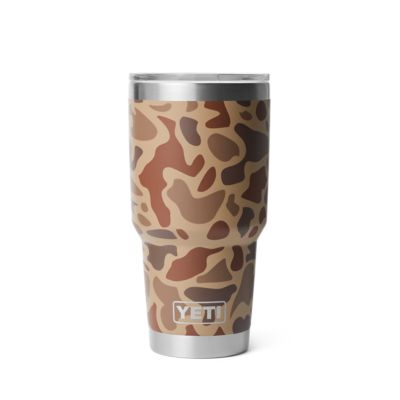
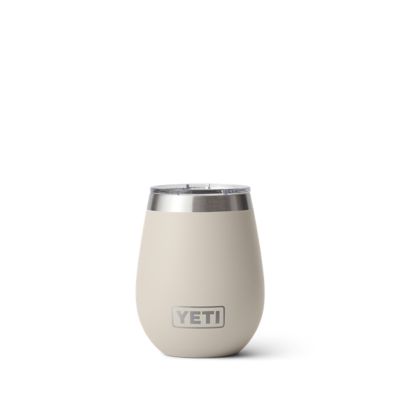
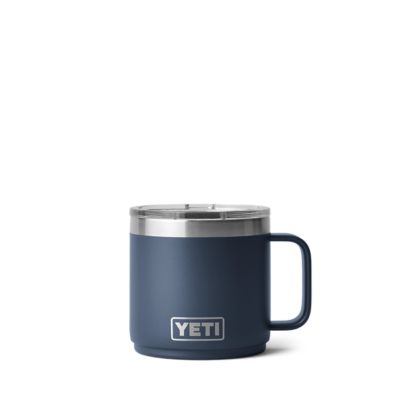
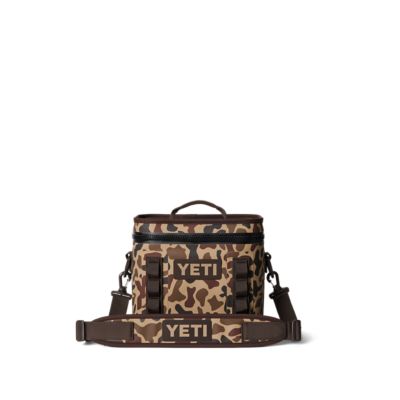
Outdoor camp gear has to work through active days, frequent handling, and the occasional tumble onto gravel. Hydration supplies are a good example: a reusable drinking container should be a manageable size for the camper, close securely, and open without help. A wide opening or parts that come apart for cleaning can make it easier to wash and dry everything thoroughly between trips. Containers intended for food and drinks need care suited to their materials, since dishwasher and heat tolerance vary. For meals carried from home, insulated storage and appropriate cold sources help keep perishable food cold until lunchtime; camp procedures determine where those meals stay before eating. Sun protection is another everyday consideration for summer camp. Broad-spectrum, water-resistant sunscreen with SPF 30 or higher helps protect exposed skin when applied and reapplied according to its label, including after swimming or heavy sweating. Shade, a brimmed hat, sunglasses with UV protection, and clothing that covers more skin add protection beyond sunscreen alone. Insect repellent needs to suit the camper’s age and follow its label directions, along with any camp rules about who applies it. These supplies are especially practical for lakeside activities, wooded paths, and evenings outside, but they do not replace supervision or other camp safety procedures. For overnight stays, simple lighting with easy-to-find controls helps campers navigate a dark cabin without fumbling through every pocket. Battery compartments should close securely, and any spare batteries need safe storage according to camp requirements. Quiet recreation supplies and a way to send a note home can offer a welcome break between busy activities, provided they fit the camp’s policies. There is plenty of overlap with
Back To School Field Trip Outdoor Essentials, especially for day trips that call for easy-to-carry supplies and freedom to move. Across both settings, the most practical gear fits the person carrying it, suits the planned activities, and stands up to repeated washing, packing, and everyday handling. That leaves more attention for learning a new skill, making friends, and getting comfortable with a little more independence.