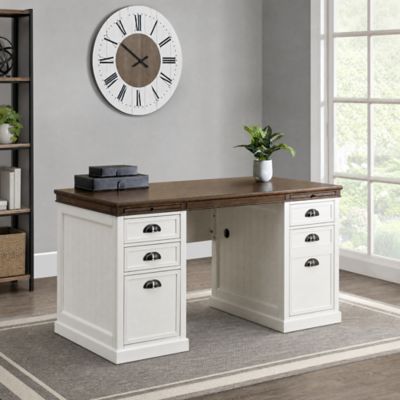
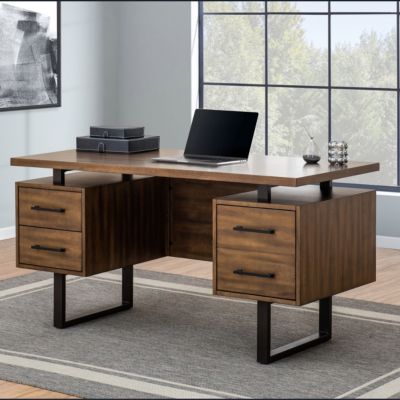
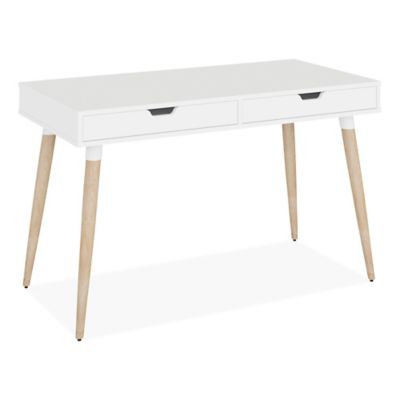
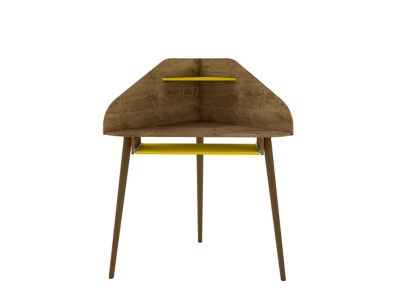
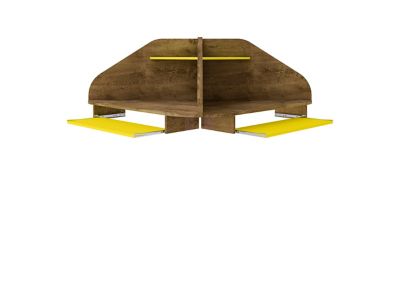
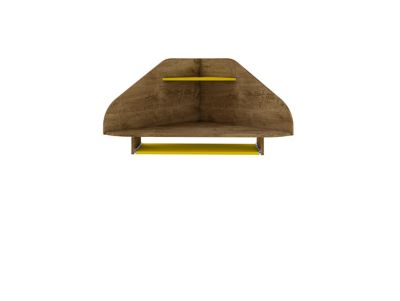
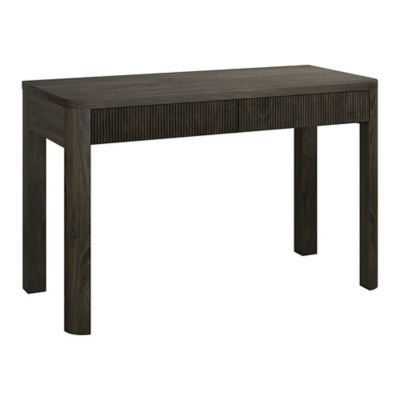
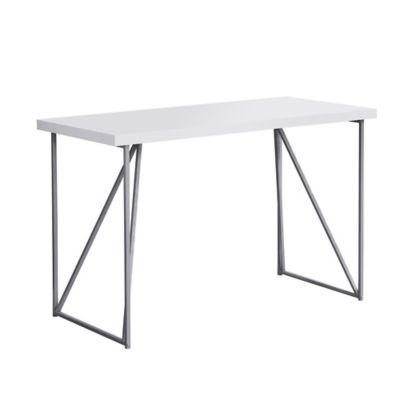
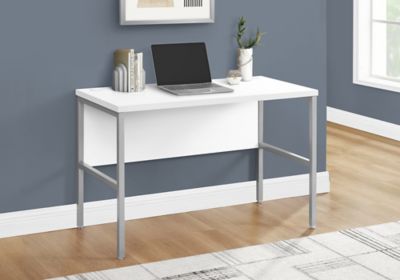
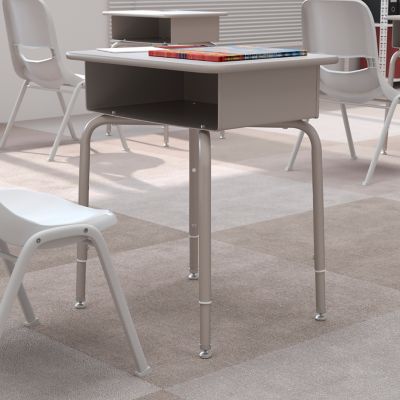
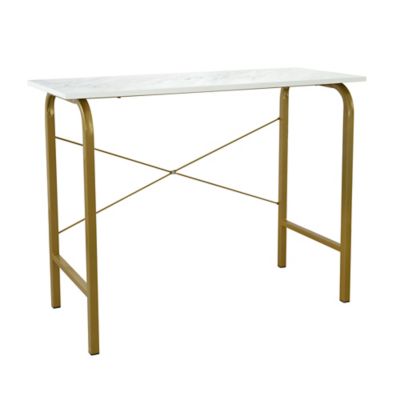
Student study desks give schoolwork a place to land, whether that means spelling practice in a shared bedroom, a full day of homeschool lessons, or college assignments in a small apartment. Common styles include compact writing desks, desks with drawers or shelves, corner desks, and height-adjustable designs. Each layout supports a different kind of work: a simple rectangular surface leaves room for a notebook and laptop, while an L-shaped desk can separate computer work from reading and handwritten assignments. A smaller desk can tuck beside a bed or along an open wall without taking over the room. Larger work surfaces suit students who regularly spread out textbooks, reference sheets, and project materials. The most practical fit depends on more than the width of the desktop. Depth matters when a screen, keyboard, and open book need to share the same surface, and clear space underneath helps keep knees from bumping into drawers or support bars. A desk also needs room around it so a chair can slide back without blocking a doorway, closet, or walking path. In a busy household, a dedicated study spot can keep papers from getting mixed in with the mail on the kitchen table. For younger students, a straightforward layout puts pencils and assignments within easy reach. Older students may need space for a larger monitor, a charging cable, and the stack of books that comes with several classes. Seated desks work well with a chair that lets feet rest flat on the floor or on a footrest. Height-adjustable desks offer more flexibility for different users and can support changes between seated and standing tasks when their adjustment range fits the student. The goal is a work area that feels comfortable for the person sitting there, with enough surface space for the work at hand and enough breathing room to keep the rest of the bedroom or study area functional. A desk that fits the room and the daily routine is more useful than one chosen for size alone.
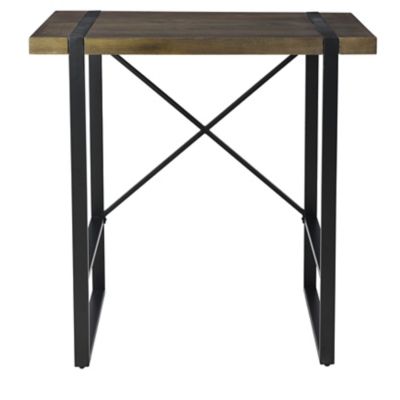
Materials and construction influence how a student desk feels, how much weight it can support, and how it holds up through repeated homework sessions. Solid wood brings natural grain and a substantial feel, though its weight can make moving day more work. Engineered wood comes in several forms, often paired with laminate or other surface finishes that create a smooth writing area. Metal frames can provide firm support with a more open look beneath the desktop, while combinations of wood surfaces and metal legs suit both bedrooms and shared household spaces. The details matter as much as the material name. Well-fitted joints, secure hardware, supported shelves, and properly installed braces all contribute to a desk that stays steady during typing, erasing, or turning the pages of a heavy textbook. Published weight limits matter for both the main surface and any shelves, especially when a setup includes a monitor or a row of books. A drawer intended for pencils and paper is not necessarily built to carry a full load of textbooks. Desktop edges deserve attention, too, since that is where forearms rest and backpacks may brush past. Rounded corners can be helpful in tight rooms, while a smooth front edge makes longer writing sessions more comfortable. Care depends on the finish, so the maker’s cleaning directions take priority over a one-size-fits-all routine. For many surfaces, a soft cloth and prompt attention to spills help keep everyday messes manageable. Excess moisture can affect some wood-based materials, and harsh cleaners may damage certain finishes. A coaster under a water bottle, a desk pad beneath art supplies, and felt pads under accessories can reduce wear without taking up much room. Assembly also affects everyday performance: hardware needs to be secure, leveling feet need proper adjustment when provided, and any required wall attachment needs to follow the manufacturer’s directions. A steady desk makes it easier to write a paragraph or work through a math problem without a wobble interrupting the task.
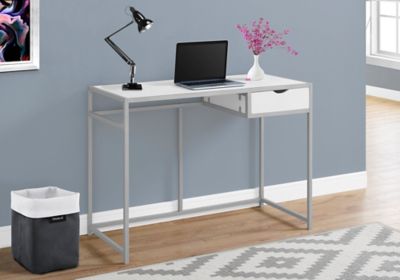
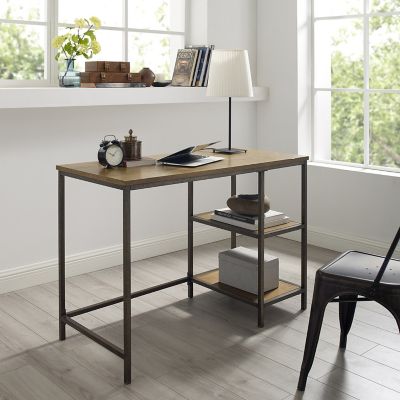
Storage helps a study desk stay ready for the next assignment instead of becoming another catchall. A
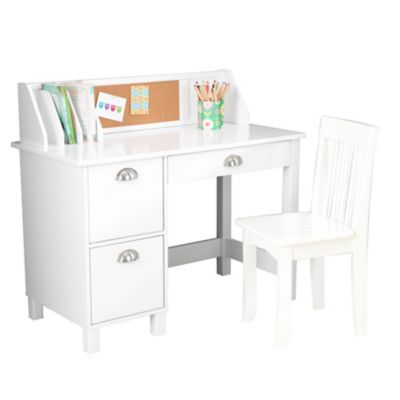
Desk With Storage can bring notebooks, writing supplies, and school papers together in one spot, with different layouts suited to different habits. Shallow drawers keep pencils, calculators, and index cards close by, while deeper compartments can make room for larger supplies when their dimensions and weight limits allow. Open shelves put frequently reached-for books in sight, and a hutch adds vertical storage without extending the desk farther across the floor. That extra height still needs to fit beneath windows, shelves, or sloped ceilings, and taller designs may have anchoring requirements. Storage placement also affects comfort. A wide drawer pedestal can cut into legroom, and a low shelf beneath the desk may compete with a footrest or chair base. For a student who works mainly on a laptop, a clear surface and a small drawer may be plenty. Someone balancing reading, lab reports, and paper assignments may appreciate separate spots for active work and finished pages. Cable openings or channels, where included, can help route cords away from writing space, but their placement needs to line up with nearby outlets and the equipment on the desk. Good task lighting belongs in that same plan, with room for a lamp that does not crowd an open textbook or shine directly into a screen. Shared study spaces benefit from simple organization, such as a separate shelf or drawer for each student, so one person’s worksheet does not disappear into another person’s notebook. Student desks can also make thoughtful gifts for a graduation or a move into a first apartment, especially when the recipient’s room measurements and study routine are known. From early handwriting practice to late-night college reading, the right desk gives schoolwork a steady home while fitting comfortably into the way a household lives.