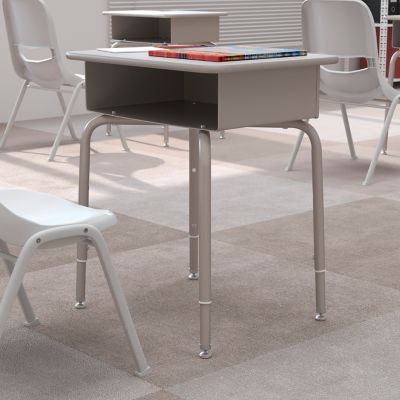
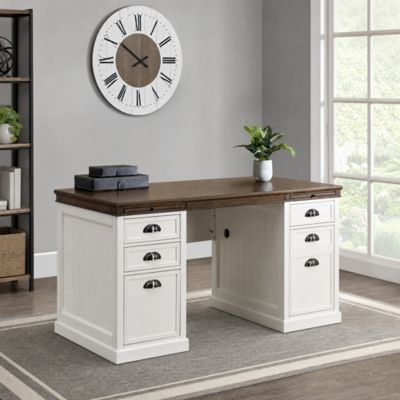
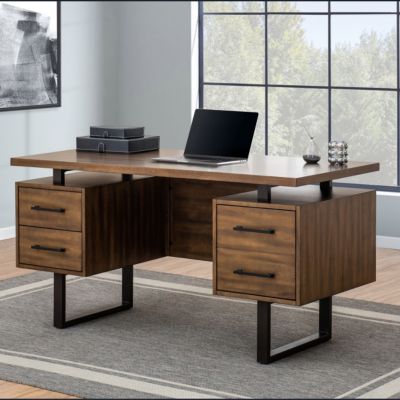
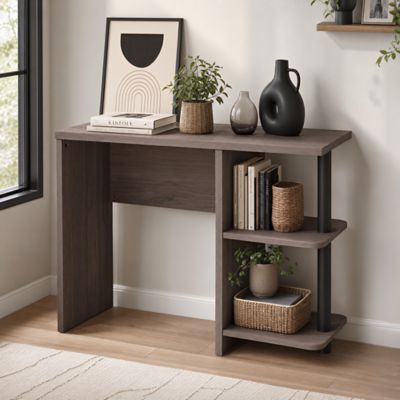
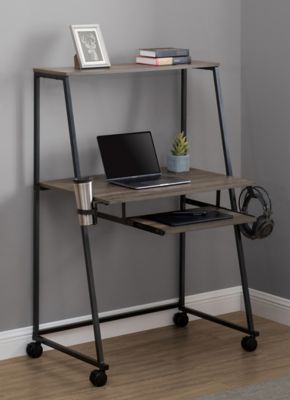
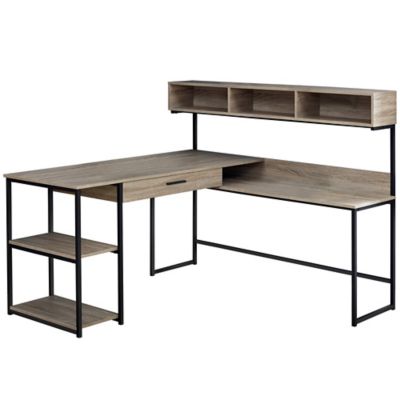
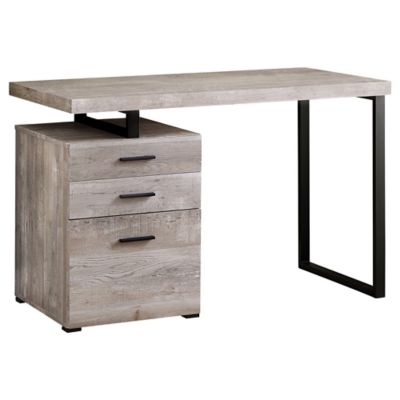
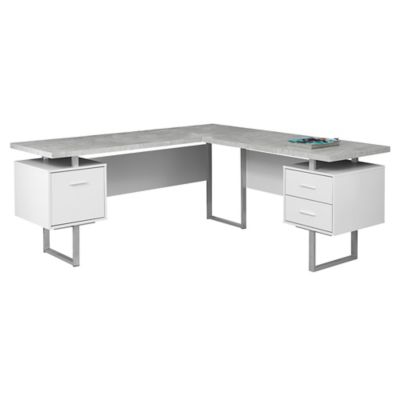
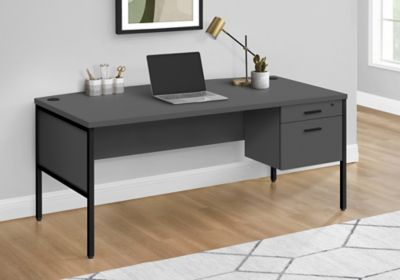
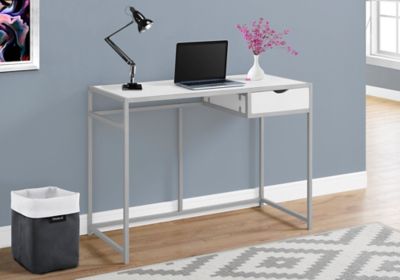
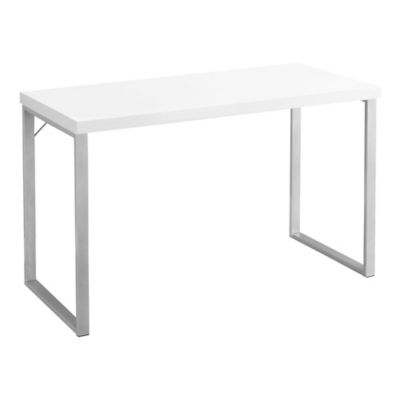
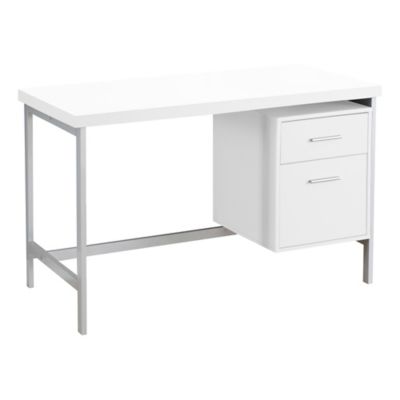
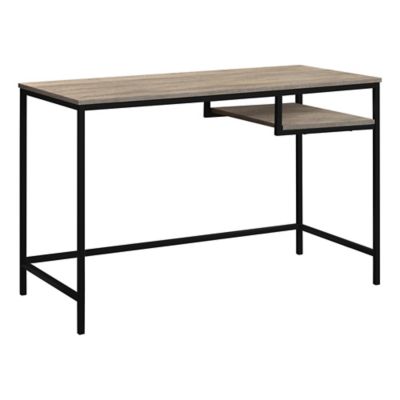
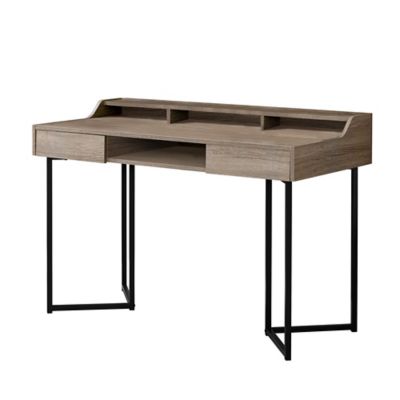
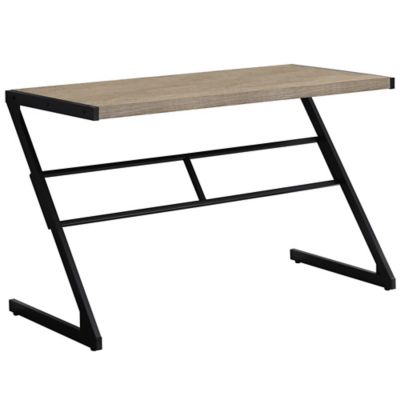
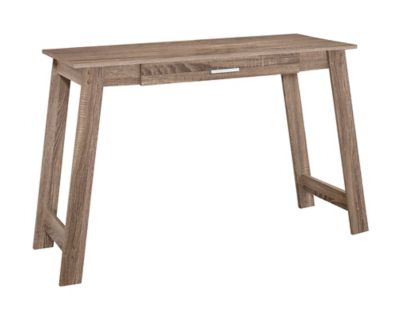
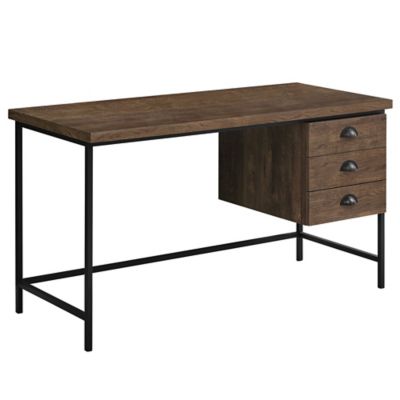
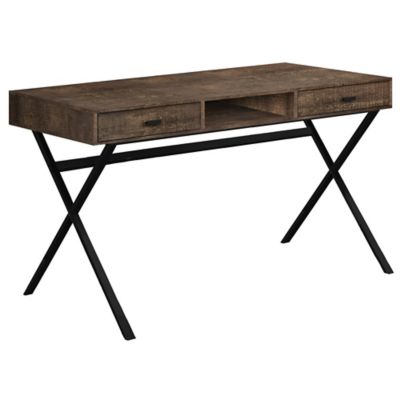
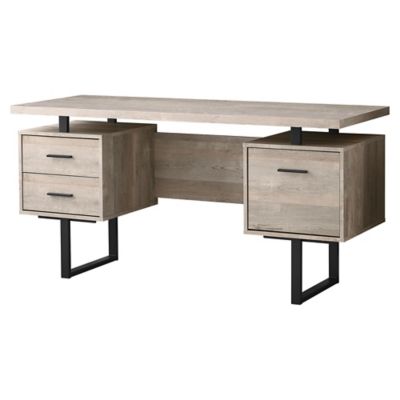
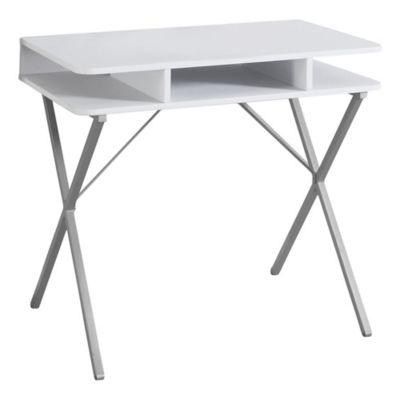
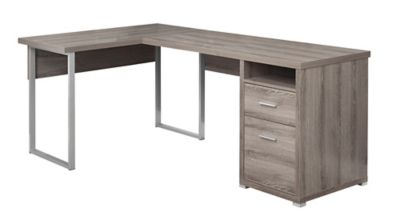
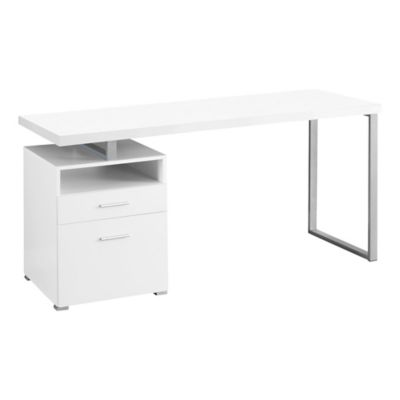
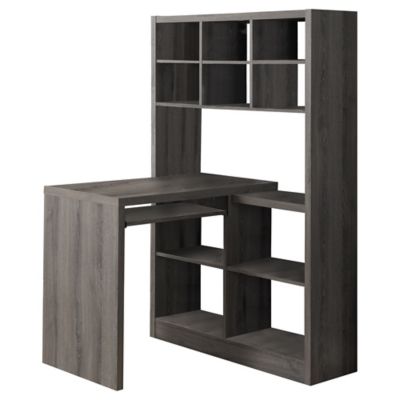
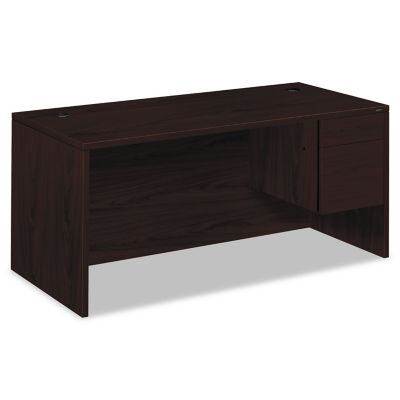
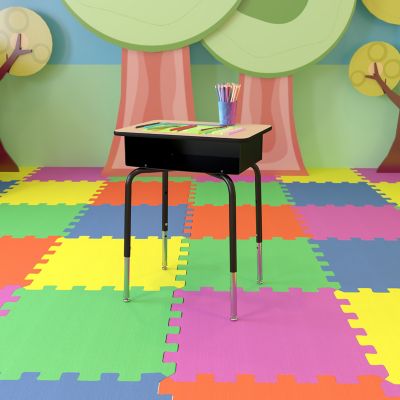
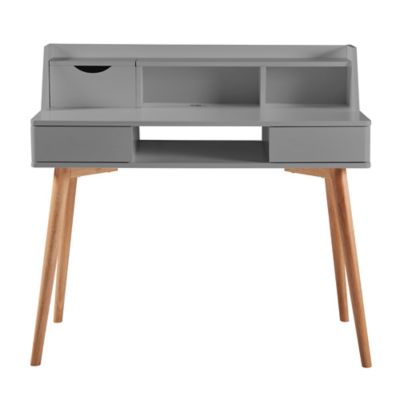
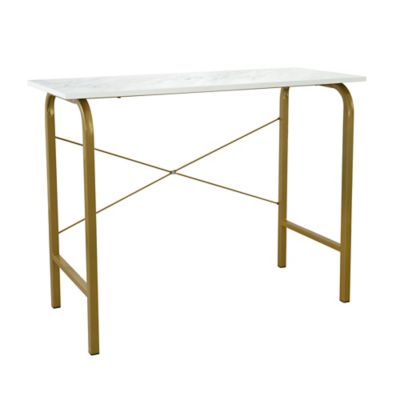
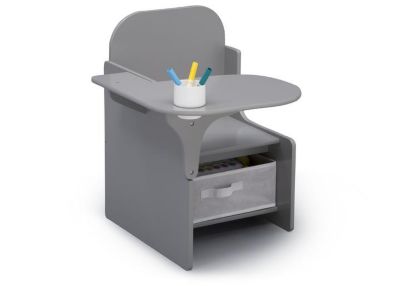
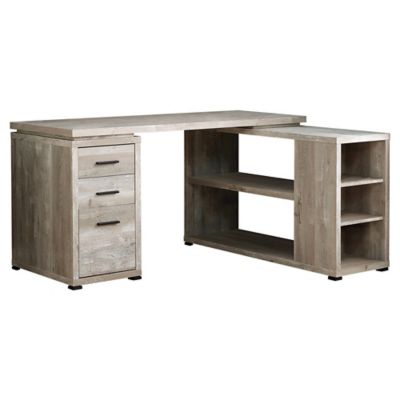
A back-to-school study desk gives students a dependable place to read, write, use a computer and keep schoolwork from spreading across the kitchen table. The right setup can make a bedroom corner, shared family space or small apartment feel more settled and ready for the school season. Study desks come in many shapes and sizes, from simple open-front styles with room for books and a backpack to compact desks made for smaller bedrooms and dorm rooms. When comparing options, start with the space available and measure the area carefully, including room for a chair to slide in and out. A desk that fits neatly against a wall may be a better choice than a larger model that crowds a walkway or blocks a window. Consider the student’s age and daily routine, too. Younger children may appreciate an easy-to-reach work surface with open storage, while older students may need space for a laptop, notebooks, chargers and reference books. Adjustable-height desks can serve growing students for several school years, and sit-stand designs give teens and college students the option to change positions during longer study sessions. A sturdy frame, a smooth writing surface and rounded edges are useful details for everyday use. If the desk will be shared by siblings, look for a layout that supports different tasks without feeling cramped. A compact setup can also make a thoughtful gift for a student moving into a first apartment, heading to campus or creating a homework nook in a new room. For additional items suited to campus living, browse
Back To School Supplies For College Students.
Comfort and organization matter just as much as desk size. A student who has a comfortable place to sit and a clear view of the work surface is more likely to settle in and finish assignments without constantly shifting around. Look for a chair and desk combination that allows feet to rest firmly on the floor, with knees and elbows positioned comfortably while writing or typing. A desk pad can create a smoother surface for homework, drawing or note-taking, while a small lamp helps brighten the work area during early mornings, cloudy afternoons and evening study sessions. Warm, even lighting is often easier on tired eyes than working under a single harsh overhead light. Keep cords from becoming a tangled mess by choosing a desk with a cable opening or setting chargers in a nearby organizer. Drawers, cubbies, shelves and desktop containers help separate pencils, pens, folders, calculators and other small supplies, so the student can find what is needed without digging through a backpack. On a narrow desk, vertical storage can free up valuable elbow room. A monitor stand or arm can raise a screen and leave space underneath for notebooks, while a compact keyboard and mouse can help keep the work surface open. Students who use tablets or laptops may also benefit from a stand that keeps the screen at a more comfortable viewing height. Leave a little open space in the middle of the desk for the task at hand; an organized desk does not have to be packed from edge to edge. A basket beside the desk can hold sports gear, art supplies or library books, and a backpack hook keeps school bags off the floor. These small touches make a difference during the busy stretch of school days, especially when homework, chores and after-school activities all compete for attention.
The best back-to-school study desk is one that matches the student’s work habits, the room and the kind of schoolwork they do most often. A child who spends afternoons coloring, building projects or practicing handwriting may need a broad, easy-clean surface, while a high school student working on essays and online assignments may value room for a computer, textbooks and a notebook at the same time. A college student in a dorm or apartment may need a smaller footprint, built-in storage and a design that can move easily when furniture is rearranged. Before choosing a desk, think about where natural light falls, whether the surface will be used by a right- or left-handed writer, and how much equipment needs to stay within reach. Place frequently used supplies nearby and store less-used items in drawers or bins to keep distractions under control. During warmer days, a desk near a window can make a pleasant reading spot, while cooler months may call for a well-lit corner away from drafts and busy household traffic. A simple desk can also become a flexible family workspace for filling out forms, sorting mail, planning projects or paying bills after homework is done. Sturdy construction and a practical finish help it stand up to daily use, from pencil marks and spilled water to the steady shuffle of books and binders. Whether the setup is for a young learner starting a new grade, a teen preparing for exams or a college student making a small room feel more like home, a well-chosen study desk creates a reliable place to focus, learn and keep school days running a little smoother.