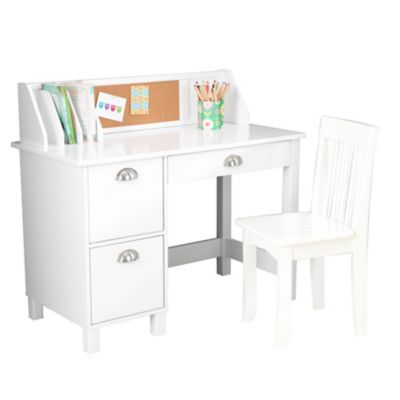
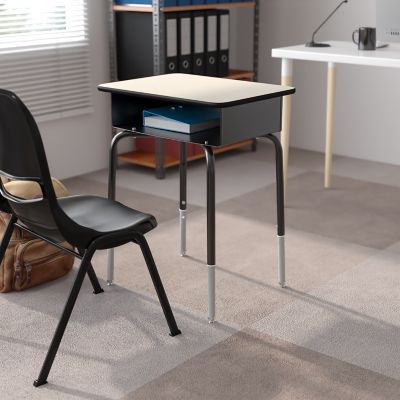
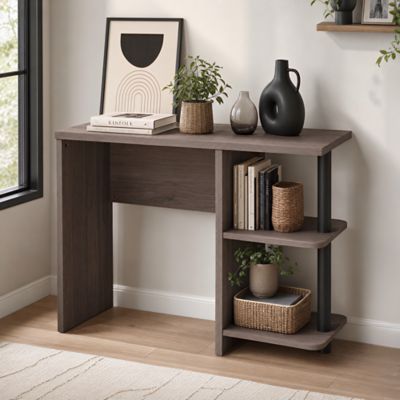
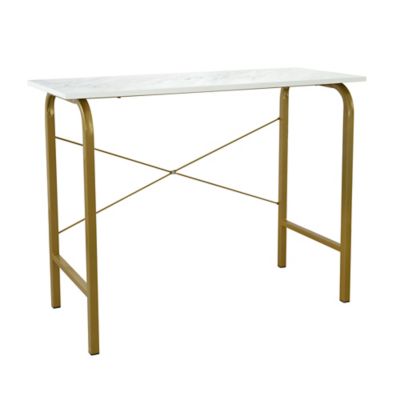
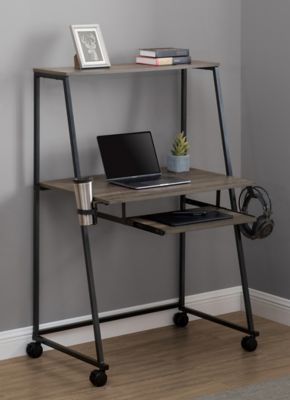
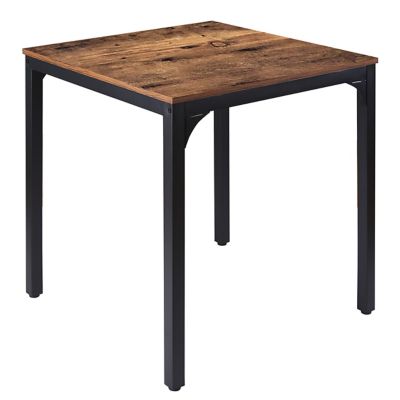
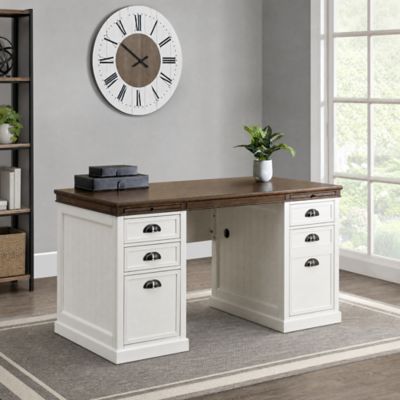
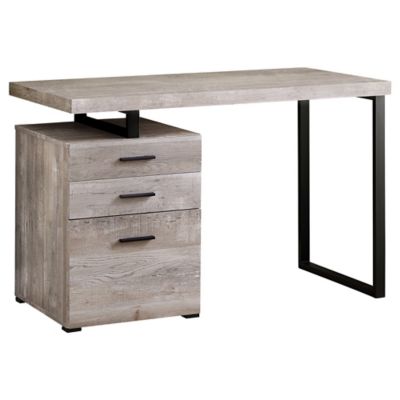
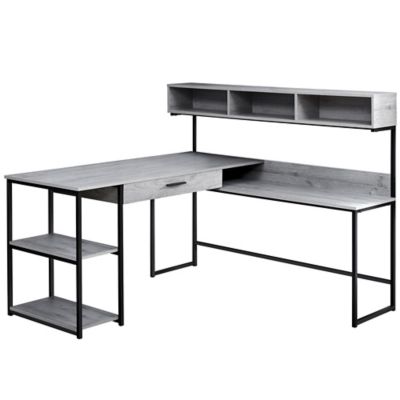
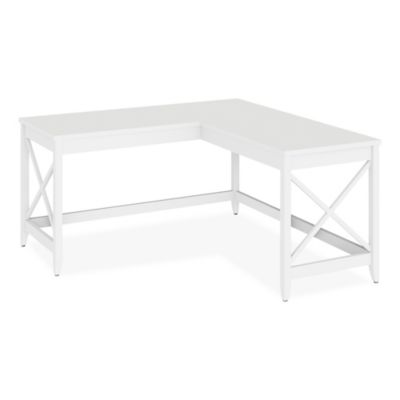
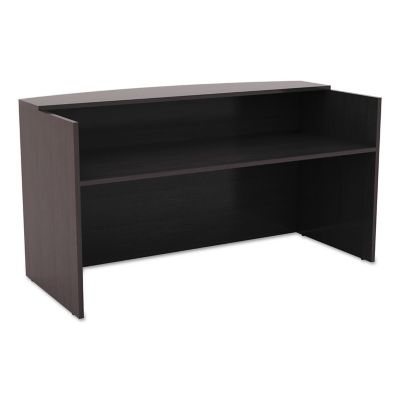
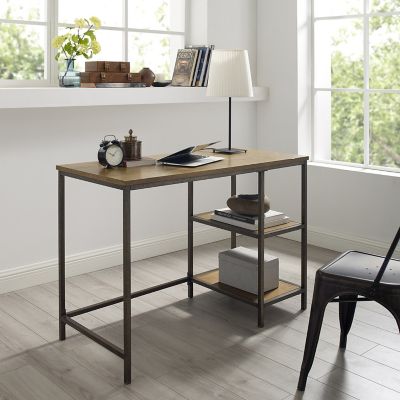
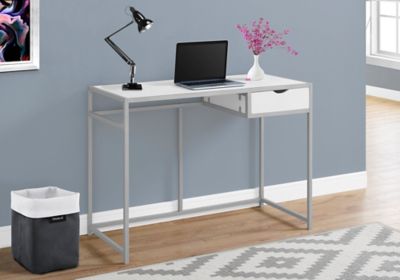
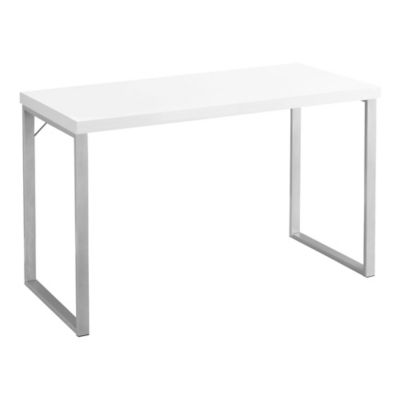
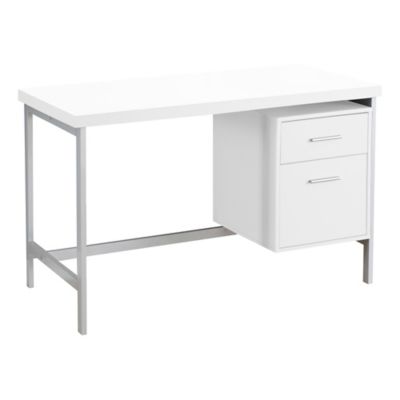
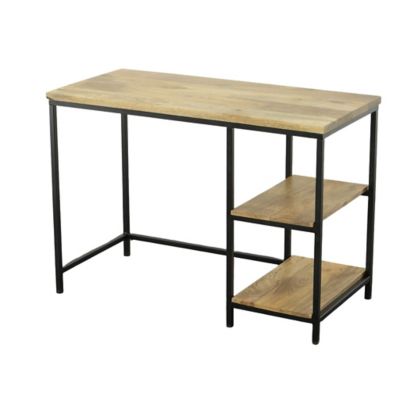
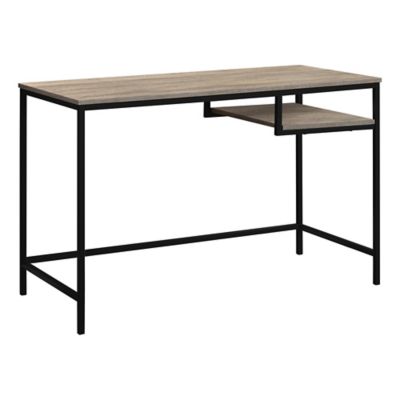
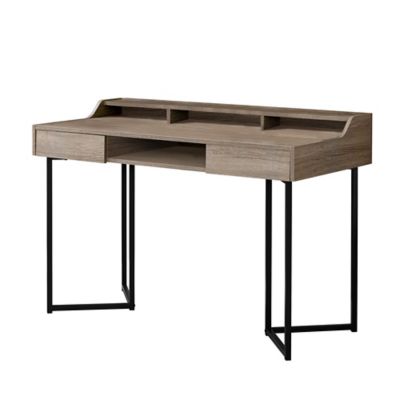
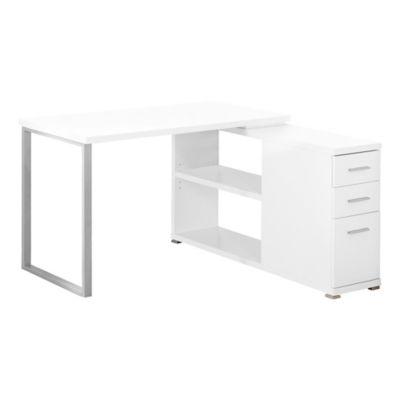
Home office desks give everyday work a place of its own, whether that means handling farm records, joining video calls, finishing school assignments or keeping household paperwork off the kitchen table. The right desk brings together a comfortable work surface, enough room for the equipment that earns its keep and storage that fits the way the space gets things done. Writing desks generally have a straightforward shape with an open surface and limited storage, making them a good match for laptop work, correspondence and smaller rooms. Desks with drawers keep pens, folders and charging cords close without leaving everything out in the open. Executive-style desks tend to have a larger footprint and more substantial storage, while L-shaped desks provide two connected work surfaces for spreading out papers beside a computer. Height-adjustable desks allow the work surface to move between seated and standing positions, with adjustment methods and height ranges that vary by design. Each type serves a different routine, from an occasional evening of paying bills to a full workday with multiple screens. A spare bedroom, a quiet corner of the living room or a dedicated office can all work well when the desk fits the room rather than taking it over. Open-leg designs keep smaller spaces feeling less crowded, while enclosed bases and drawer pedestals give a work area a more settled appearance. Wood tones, painted finishes and metal frames can coordinate with nearby shelves, cabinets and other furniture without making the room feel like a commercial office. For a more traditional look,
Classic Office Desks complement familiar furniture shapes and rooms where work and home life share space. A desk can also serve several people over time, supporting a remote employee during the day and a student doing homework later on. That makes usable surface space and a layout that suits more than one task especially helpful.
Materials and construction affect how a home office desk looks, feels and holds up to daily work. Solid wood brings natural grain and substantial weight, though its surface still needs protection from moisture, scratches and hot mugs. Wood veneer provides a real-wood outer layer over a supporting core, while laminate surfaces offer a consistent finish that is often straightforward to wipe down according to the care directions. Engineered wood construction varies, so panel thickness, fasteners, edge protection and the way the base supports the top all matter. Metal frames can give a desk a straightforward, work-ready appearance, and crossbars or other supports help limit side-to-side movement. Glass tops have a lighter visual presence but tend to show fingerprints and call for care around edges and corners. Beyond the material, a desk needs to fit both the room and the person working there. Overall width and depth tell only part of that story: baseboards, door swings, drawer travel and room to pull back a chair all take up space, too. A narrow desk may suit a laptop and a notebook, while a deeper top leaves more room between the keyboard and monitor. Two monitors, a full-size keyboard and a paper ledger call for a different layout than a tablet and a charging cable. Clear legroom matters just as much as desktop space, especially when a center drawer, lower shelf or support rail sits near the knees. Comfortable seated work generally means relaxed shoulders, supported feet and a keyboard positioned so the forearms can rest naturally. With a standing desk, the adjustment range needs to suit the person’s height in both positions. Weight limits also deserve attention when planning for monitors, equipment or a monitor arm. A clamp-mounted arm requires a compatible desktop edge and sufficient clearance underneath, not simply an open spot along the back.
Storage and everyday upkeep often determine how pleasant a desk is to work at after the first few weeks. Shallow drawers handle pens, envelopes and small supplies, while deeper drawers can separate notebooks, manuals and paperwork that would otherwise pile up beside the computer. File drawers need to match the intended folder size, and locking storage can help limit access to personal records when the desk’s lock design supports that purpose. Open shelves make frequently reached-for materials easy to grab, though they also leave those materials in view. For a shared room, enclosed storage can make it easier to put work aside when the day is done. Cable openings, trays and channels help route cords away from the main work surface, but access to a suitable outlet still matters. Power cords need enough slack for a height-adjustable desk to move through its full range without pulling on plugs or catching beneath the frame. A printer may fit better on a nearby cabinet than on the desktop, leaving elbow room for writing and sorting papers. Likewise, a computer tower needs a spot with ventilation rather than a tight compartment that blocks airflow. Keeping the surface in good shape usually starts with simple habits: a coaster under the coffee cup, a desk pad beneath frequent writing and prompt cleanup of spills. Cleaning products should match the finish, with a soft cloth and the manufacturer’s care directions providing the best starting point. Drawer slides and fasteners may need occasional inspection, particularly after moving the desk, and a loaded desk should not be dragged across the floor. For households where work shares space with chores, school and family schedules, an easy-to-reset setup goes a long way. Room for a notebook beside the keyboard, a drawer for the papers that cannot get lost and a comfortable place to sit can turn an ordinary corner into a useful workspace. Home office desks work best when their size, storage and construction match the tasks that happen there day after day.