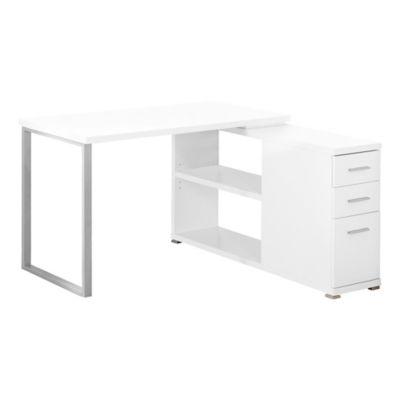
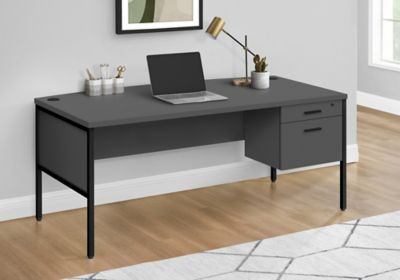
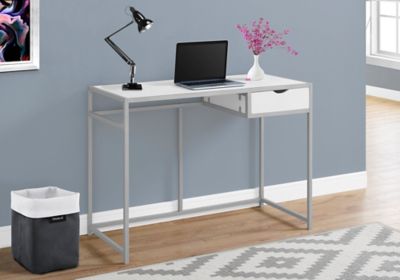
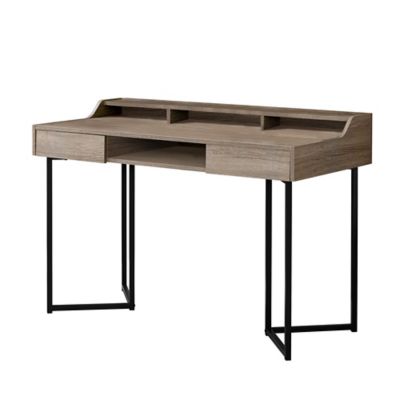
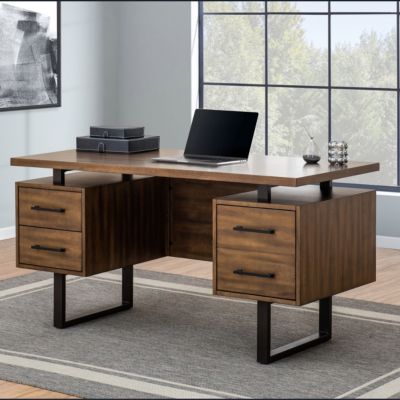
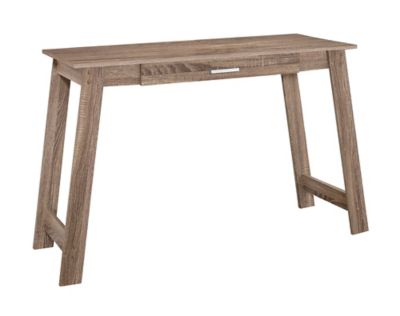
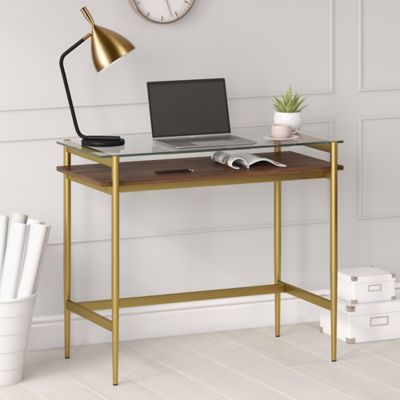
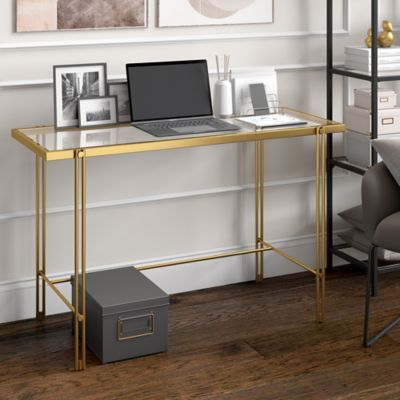
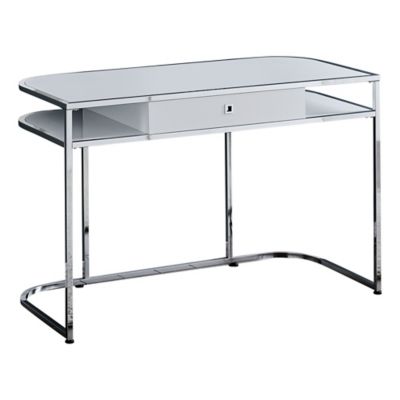
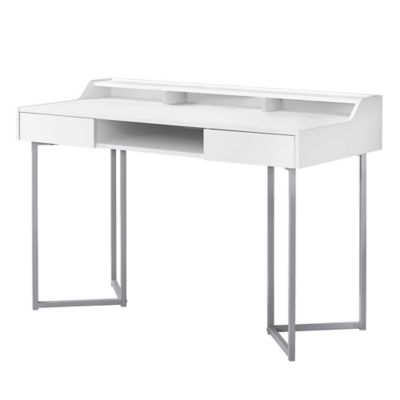
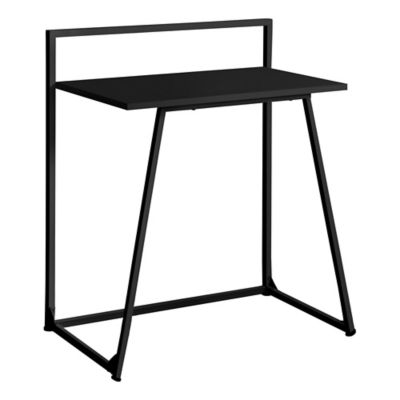
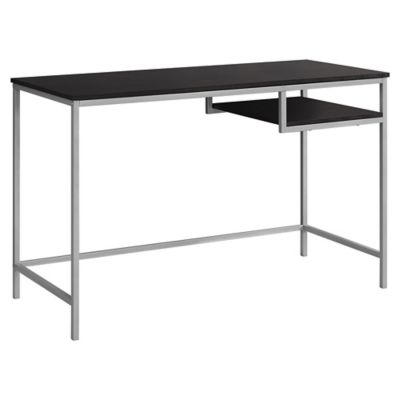
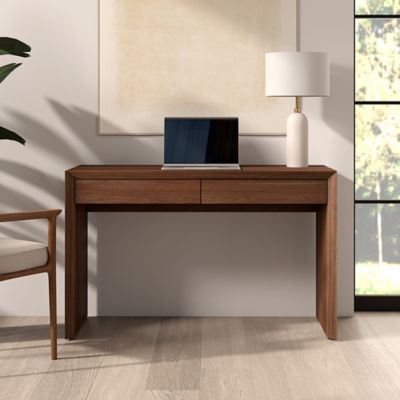
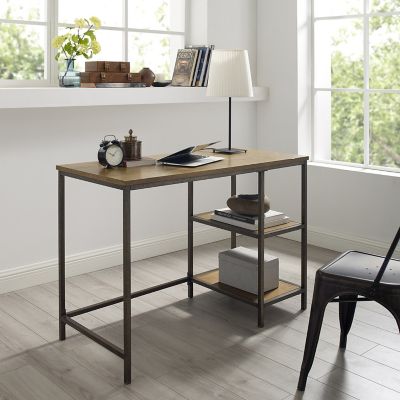
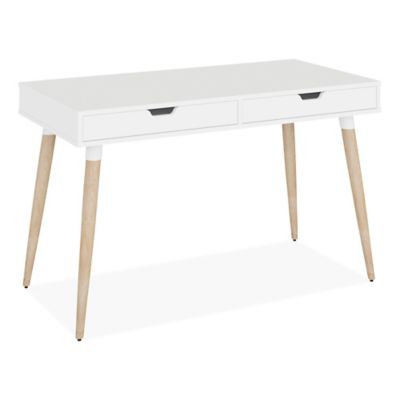
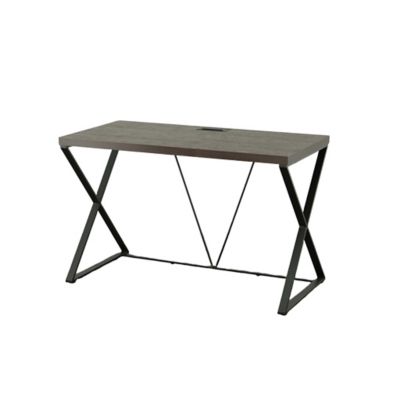
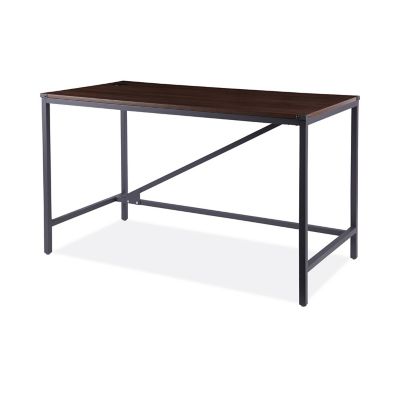
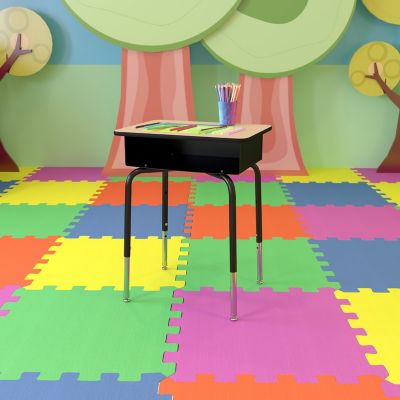
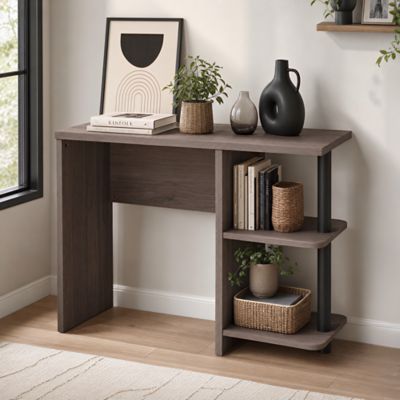
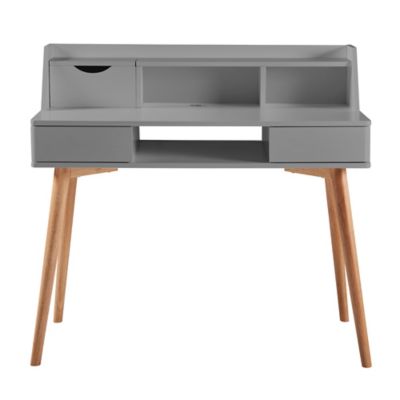
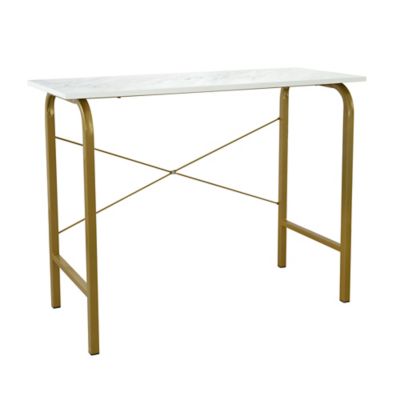
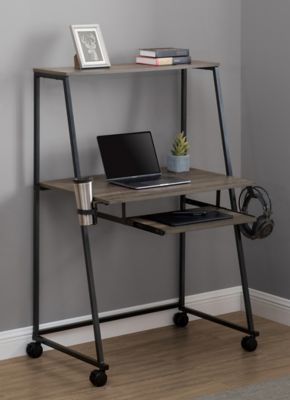
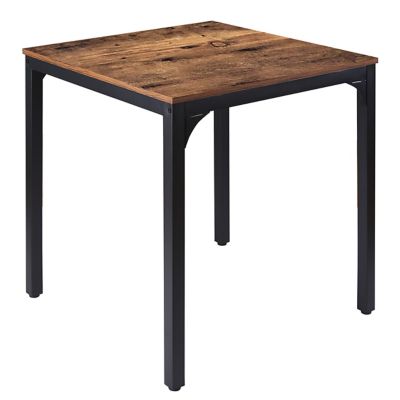
Sleek desks combine clean lines, simple shapes, and practical work surfaces without adding much visual weight to a room. Their streamlined look often comes from slim legs, smooth drawer fronts, open bases, and finishes that let the shape of the desk stand out. Materials such as solid wood, engineered wood, metal, and glass give this style plenty of range, from a warm wood top on a dark steel frame to a smooth painted surface with matching legs. That makes a sleek desk a natural fit for more than a dedicated office. It can anchor a quiet corner of a farmhouse living room, give a student a place to spread out assignments, or make room for bookkeeping near the kitchen without taking over the whole space. A simple profile is especially helpful in rooms where the desk shares space with a guest bed, shelving, or a reading chair. Open space beneath the top keeps the arrangement looking lighter, while a modest drawer or shelf can keep everyday supplies close at hand. The right footprint depends on what happens at the desk. A laptop and a notebook need less room than two monitors, a keyboard, and a stack of farm records. Surface depth matters just as much as width, particularly when a screen needs to sit farther back or a ledger needs to stay open beside the keyboard. A comfortable fit also leaves room for knees, chair arms, and a chair that can pull back without bumping into another piece of furniture. In a narrow room, a straight desk can sit neatly along a wall; a corner layout can make better use of an otherwise awkward spot. Clearance around doors, drawers, and nearby cabinets helps keep the workspace easy to move through. A desk that looks simple should still give the person sitting there enough space to settle in and get something done, whether that means a full afternoon of paperwork or a few minutes paying bills.
Materials and construction shape how a sleek desk looks, feels, and stands up to everyday work. Solid wood brings natural grain and variation, with species such as mango offering patterns that can soften a spare, modern silhouette. Wood can respond to moisture and indoor humidity, so the finish and care directions matter as much as the appearance. Engineered wood gives desk makers a way to create broad, even surfaces and crisp shapes, often paired with laminate, veneer, or a painted finish. These surfaces differ in how they handle scratches, spills, and edge wear; a sealed-looking top is not a reason to leave a wet glass sitting overnight. Veneer adds a thin layer of real wood over a supporting core, while laminate provides a separate surface layer that can be practical for routine paperwork and computer tasks. Metal frames bring a lean, straightforward look, but a narrow leg alone does not tell the whole story about strength. Frame connections, bracing, hardware, and the stated weight limit all matter, especially beneath a large monitor or other equipment. Glass tops keep the outline visually open, though fingerprints, glare, edge protection, and the manufacturer's safety information deserve attention. Glossy lacquer and dark finishes can make a strong impression, but they may also show dust and fingerprints more readily than a low-sheen surface. For everyday care, a soft cloth and the cleaning method listed for the finish are better starting points than a harsh all-purpose spray. Spills need prompt attention, and coasters or a desk mat can help protect the spots that see the most contact. Cable clamps, monitor arms, and other attachments also need a surface and edge that can support them as directed. A slim desk can serve well over time when its structure suits the workload and its surface gets the right care. On an uneven floor, adjustable feet, when included, can help the desk sit level without putting extra strain on its connections.
Everyday function is where the clean-lined look earns its place. The simple shapes found in
Modern Home Office Desks work especially well when storage, cords, and seating are considered alongside the desktop itself. A shallow drawer can hold pens, stamps, and charging cords without creating a heavy-looking base. Deeper storage may suit folders and household records, while an open shelf can keep a small basket or reference book within reach. Storage works best when it matches the task: someone handling farm invoices may need room for paperwork, while a student may need a clear stretch of surface for a textbook and notebook side by side. A shared household workspace benefits from a few separate places for supplies, so one person's calculator does not disappear under another person's assignments. Cable openings and channels, where included, can help keep cords off the writing area and away from chair wheels. Outlet placement matters, too; a desk that fits a wall neatly still needs a sensible path for power cords without stretching them across a walkway. Seating should fit beneath the top with enough clearance for legs and any chair arms, and the screen and keyboard should sit where the person working can reach them comfortably. For longer sessions, space to change position and stand up is worth keeping in the layout rather than filling every inch with furniture. A writing desk in a spare room might also handle letter writing, household planning, or a quiet call, while a larger surface can support the paperwork side of running a small business. For a graduate, a new homeowner, or someone setting up a first office, a desk can be a thoughtful gift when the room measurements and daily routine are known. The appeal of a sleek desk is straightforward: it gives work a proper place without making the room feel crowded. With a sensible footprint, suitable materials, and just enough storage, the result is a workspace that feels tidy, welcoming, and ready for the next task.