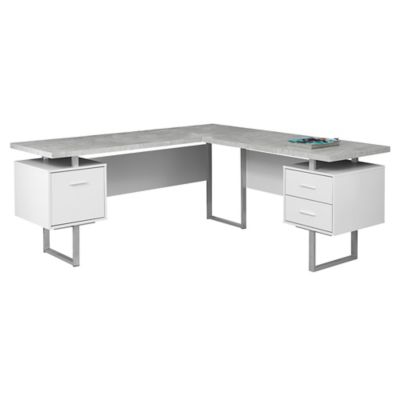
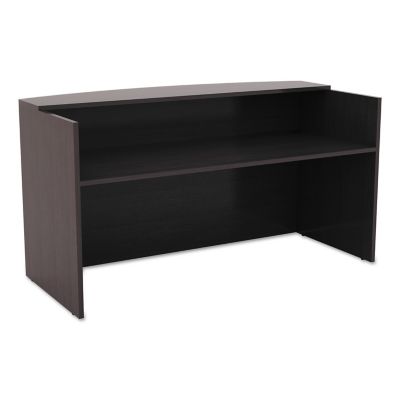
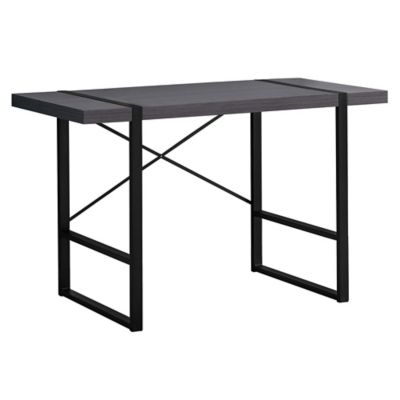
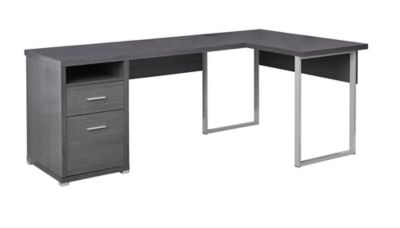
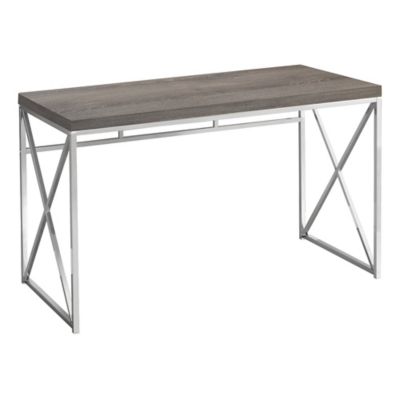
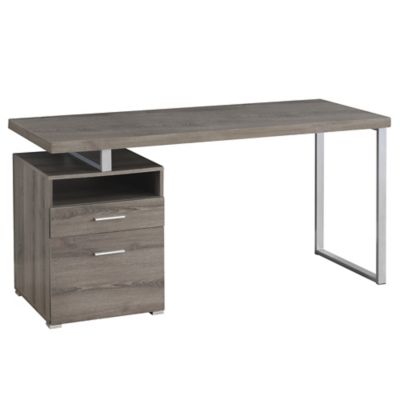
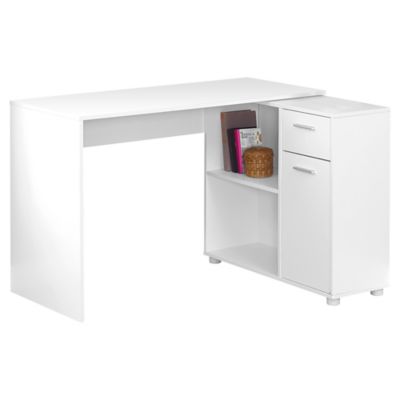
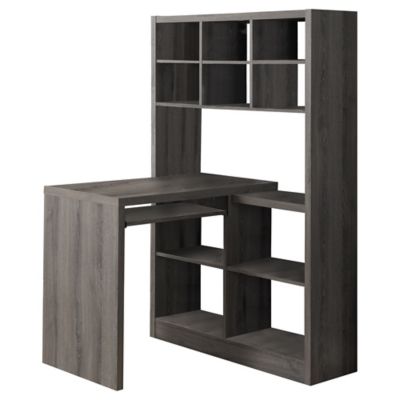
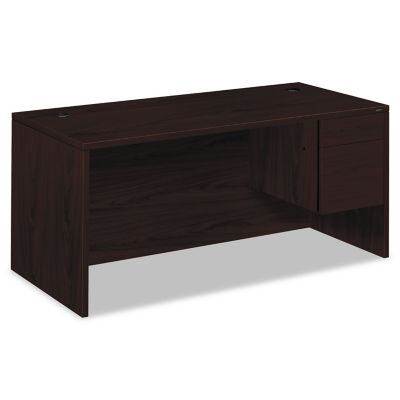
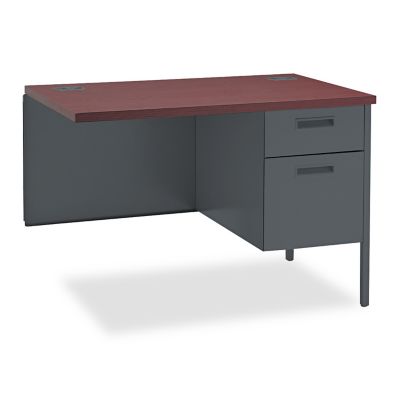
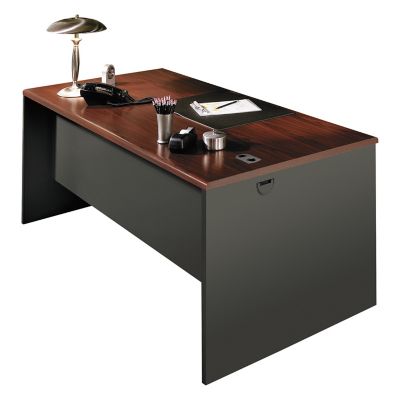
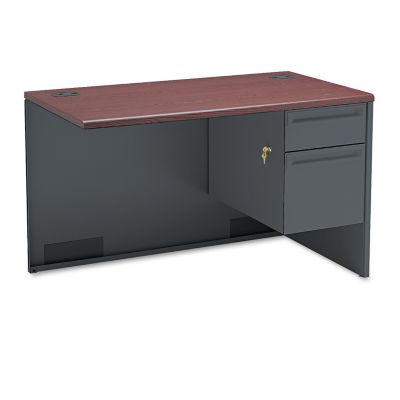
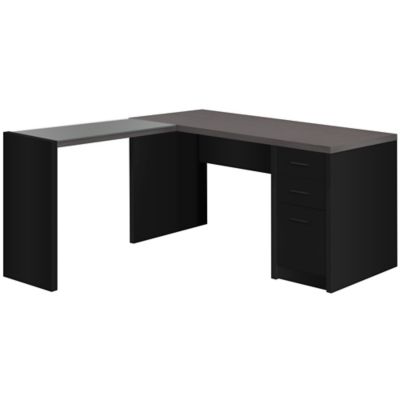
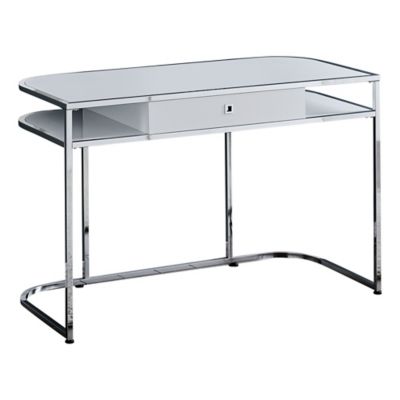
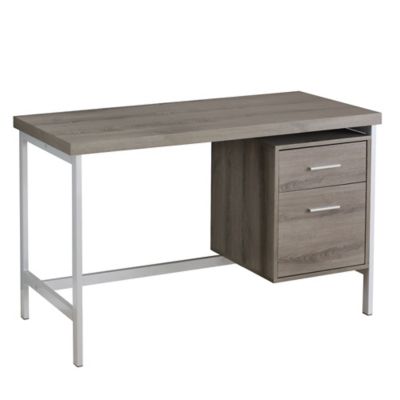
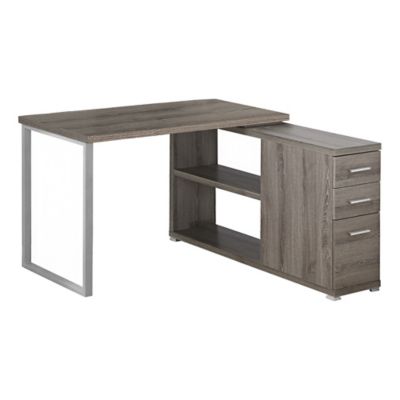
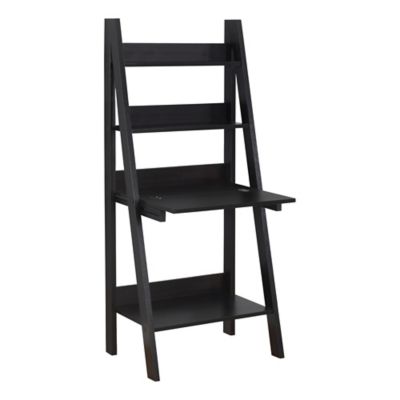
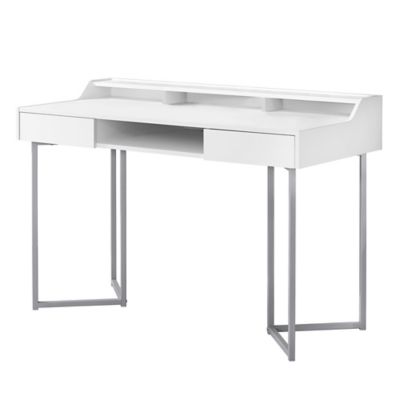
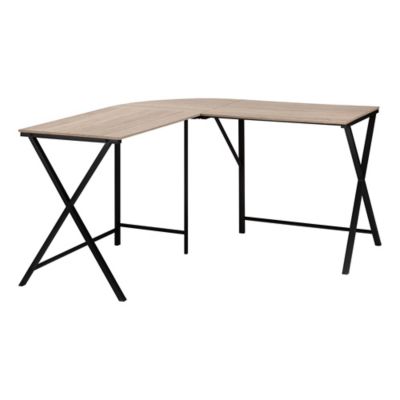
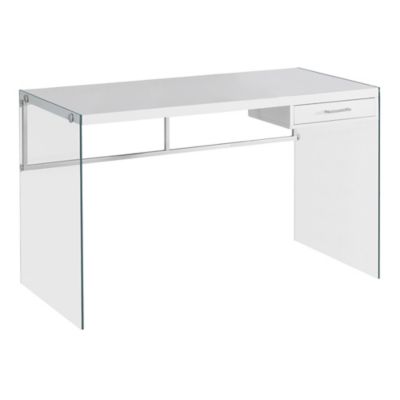
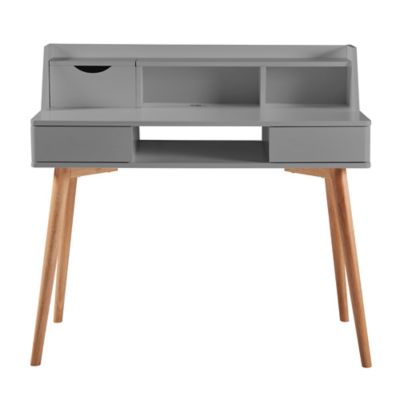
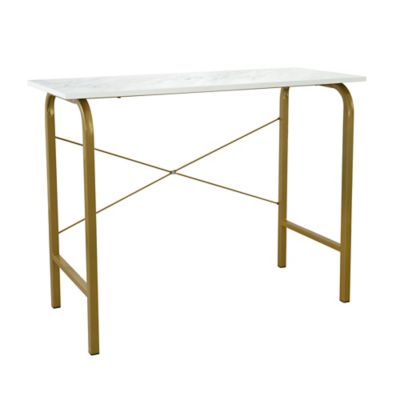
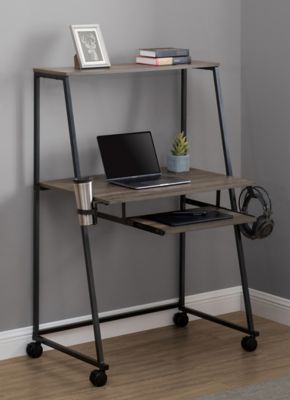
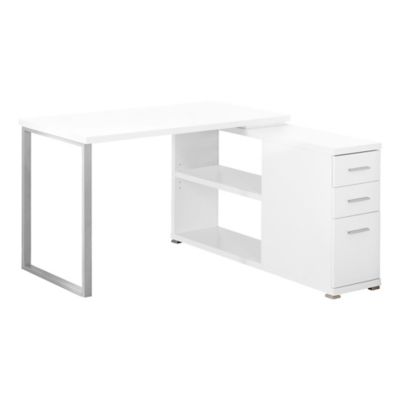
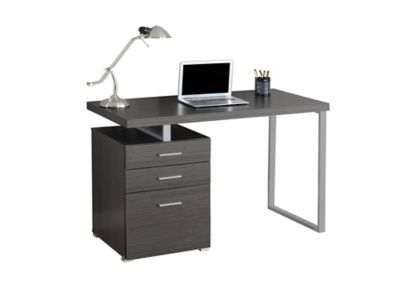
Classic office desks bring a little old-school character to a workspace while giving you a sturdy place to spread out, sort papers, keep a laptop nearby and handle the everyday business of home, farm or office life. Traditional desks are often recognized by their warm wood tones, substantial work surfaces, turned or tapered legs, decorative hardware and built-in storage. Some have a large center workspace supported by two drawer pedestals, while others use a simpler writing-desk layout with an open leg design and a small number of drawers. Executive desks tend to offer a broad, commanding surface and plenty of room for files, notebooks and office equipment. An L-shaped desk can make good use of a corner, creating separate areas for a computer, paperwork, a printer or a spot to review bills. Classic styling can range from clean and understated to richly detailed, with raised panels, carved accents, leather-look inlays or antique-inspired finishes. Dark walnut, cherry, espresso and mahogany-inspired shades bring a settled, traditional feel, while lighter wood finishes can help a room feel open and welcoming. Solid wood and quality veneers are popular choices for this look because they offer visible grain, a comfortable visual warmth and a furniture-like presence that works well beyond a spare bedroom. A classic office desk can anchor a home office, study, library, reception area or quiet corner of a living room, especially when you want the space to feel finished rather than temporary. During the cooler months, it can become a dependable spot for catching up on household paperwork, planning projects, writing cards, managing accounts or working through a long to-do list while the weather keeps you indoors. For a small business, ranch office or workshop headquarters, a traditional desk can also give the room a professional feel without looking too formal or out of place.
Before choosing a classic office desk, measure the room, doorway and any tight turns along the delivery path. Traditional desks can be deep and heavy, so a few extra inches matter when you are working around walls, filing cabinets, bookcases or a heat register. Leave enough clearance for a chair to pull out comfortably, and think about how cabinet and drawer doors will open once the desk is in place. A writing desk may suit a smaller room or a flexible workspace, while a pedestal or executive desk offers more storage and a larger surface for people who keep paperwork close at hand. An L-shaped design is useful when you want to separate computer work from writing, sorting or meeting with someone across the desk, but it needs a corner with enough room for both sections. Look closely at the drawer arrangement and consider what you actually store. Shallow drawers work well for pens, notebooks and office tools; deeper drawers can hold folders, envelopes or chargers; and a file drawer may help keep important household or business records organized. Locking storage can add peace of mind for tax documents, client information or other papers that should stay secure. Features such as a keyboard tray, cord-management opening or built-in power access can give a traditional desk the convenience of a newer workstation, helping cords stay tucked away while a monitor, lamp and phone remain within reach. Check the height of the desktop and the legroom underneath, particularly if you use a larger office chair or prefer to shift positions during a long workday. A desk should feel solid when you write, type or lean against it, and the finish should suit the amount of daily use the room receives. In a busy household, a surface that is easy to wipe clean may be more practical than a delicate finish. In a quieter study, you may give more weight to details such as decorative pulls, wood grain, molding and the overall look of the furniture.
The right finishing pieces can make a classic desk feel comfortable and useful instead of simply taking up space. Pair it with
Upholstered Office Chairs With Wheels for cushioned support and easy movement across the workspace, then add a task lamp that puts light over paperwork without creating glare on a screen. A desk mat can help protect the work surface from scratches, while a small organizer keeps frequently used pens, clips and notes from spreading across the desktop. Use the drawers for supplies you reach for often and reserve the main surface for the work at hand; that simple habit makes even a roomy executive desk easier to manage. For a home office shared by several people, consider a layout that leaves room for a second chair or a small side table where visitors can sit without crowding the person working. A classic office desk can make a thoughtful housewarming, graduation or new-business gift when the recipient has a dedicated room and appreciates well-made furniture with a timeless appearance. It may also be a practical choice for someone moving from a kitchen table into a more permanent work area, giving them a defined place to pay bills, study, create or plan. Families may use one for homework and craft projects, while a hobbyist might keep patterns, tools and project notes close by. To keep the desk looking its best, dust with a soft cloth, wipe up spills promptly and follow the care directions for the particular finish. Avoid loading drawers beyond their intended capacity, and use furniture-moving help when repositioning a heavy desk. With sensible placement and everyday care, a classic office desk can serve through changing work routines, household seasons and many years of projects, bringing dependable storage and a familiar, welcoming feel to the room.