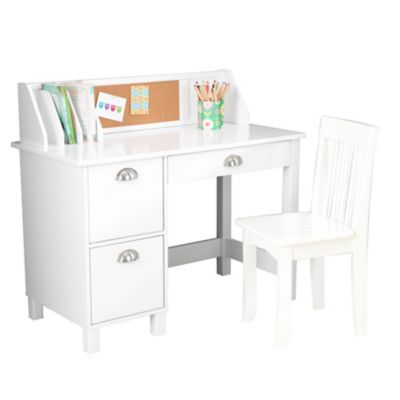
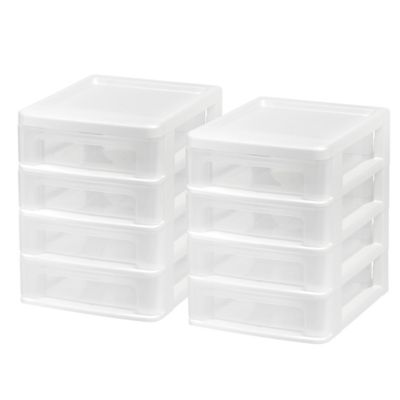
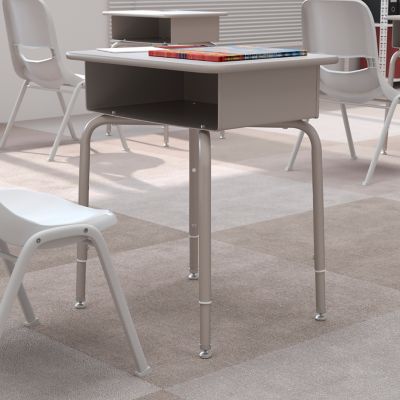
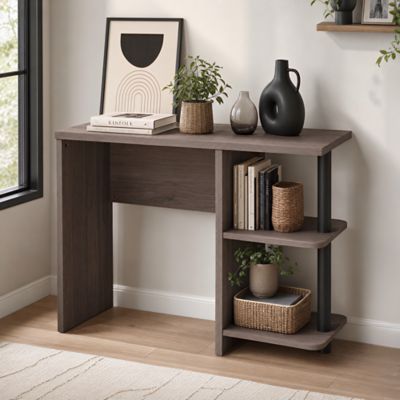
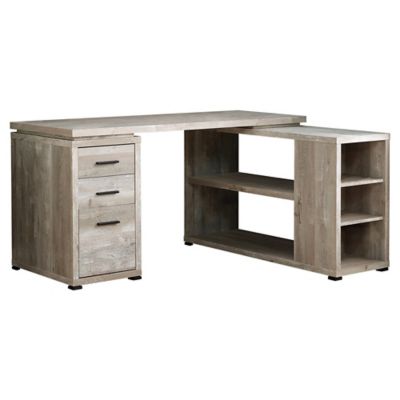
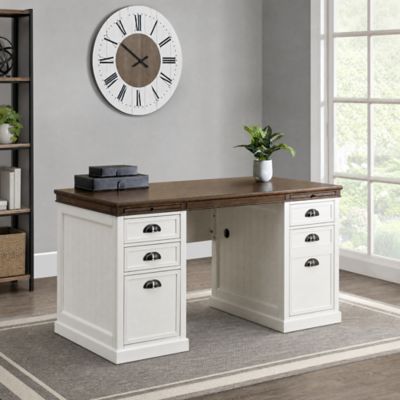
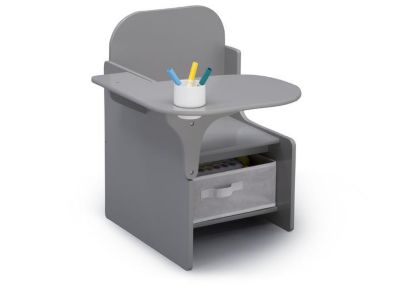
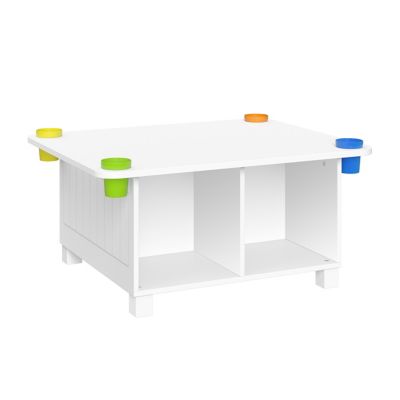
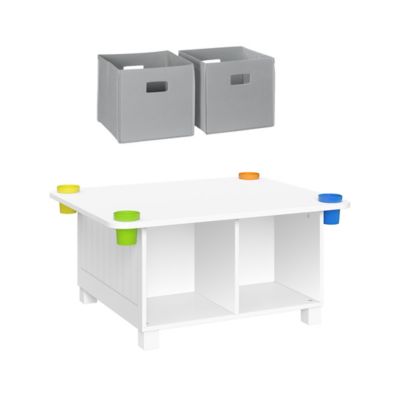
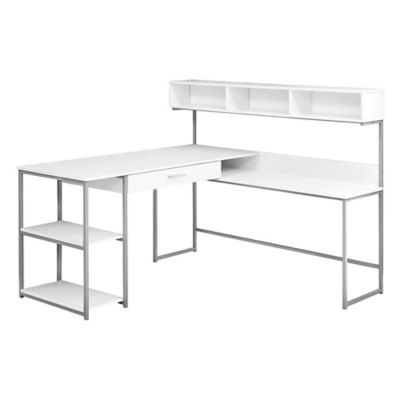
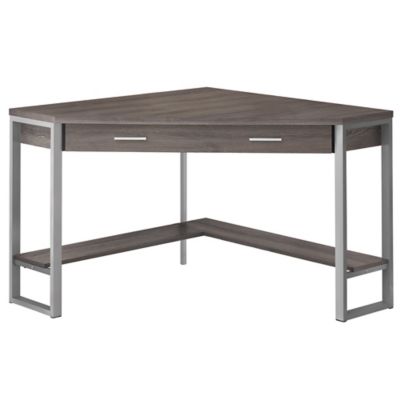
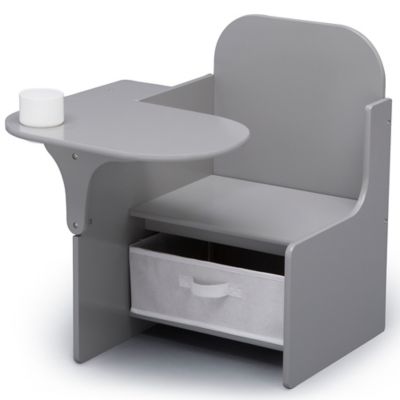
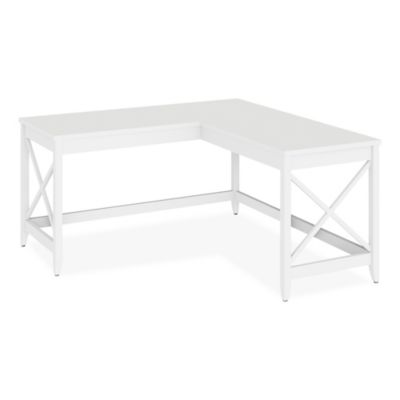
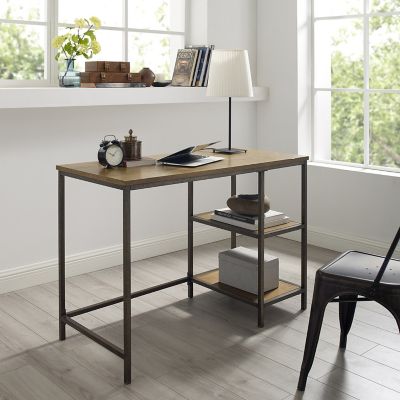
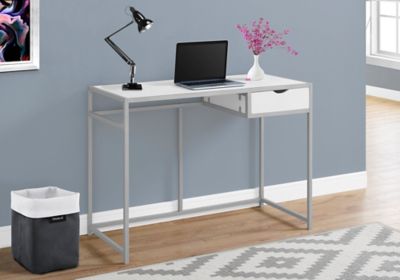
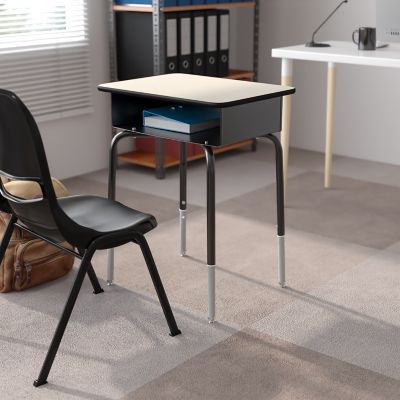
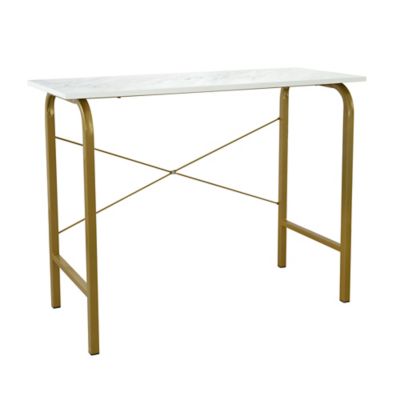
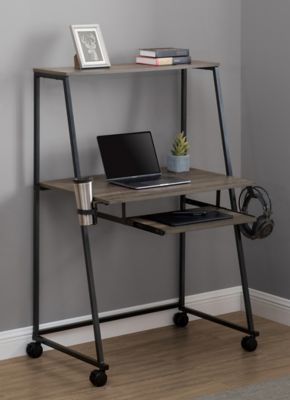
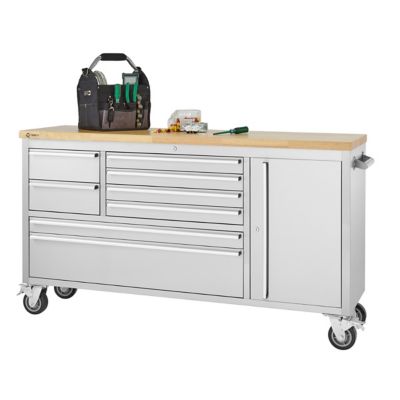
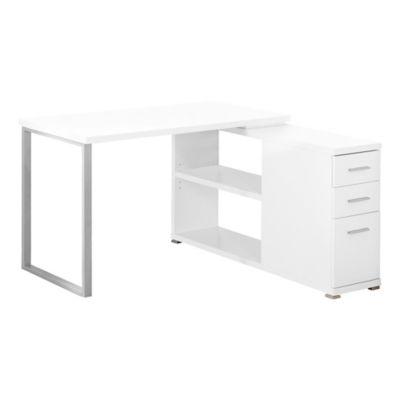
A desk with storage combines a work surface with built-in drawers, shelves, cabinets, or a hutch, giving paperwork and everyday supplies a place close at hand. That extra space can make a big difference in a home office, a homework corner, or the spot where farm receipts and household bills tend to pile up. Instead of sharing the desktop with stacks of folders, a calculator, and charging cords, the work surface stays open for the job in front of you. Different storage layouts suit different routines. Shallow drawers keep pens, envelopes, and small supplies within reach, while deeper drawers provide room for larger materials. A file drawer needs the right dimensions and hanging rails for the folders it will hold; a deep drawer alone does not necessarily handle letter-size or legal-size files. Open shelves give books, binders, and frequently reached-for supplies an easy landing place. Cabinets with doors keep their contents out of sight, which can be handy when a desk sits in a living room or another shared space. A hutch adds storage above the desktop, making room for reference books and paperwork without spreading everything across the floor. Straight desks often fit neatly along a wall, while L-shaped desks provide separate surfaces for computer work and tasks that need room to spread out. A laptop on one side and a ledger or sewing project on the other can keep two jobs from getting tangled together. Storage placement matters just as much as storage capacity. Drawers beside the writing hand can feel convenient, but they should not crowd the chair or block movement. Some layouts place shelving at one end, leaving more open space underneath. Others put drawers on both sides for greater organization. For a student, remote worker, or someone keeping records for a small business, a desk with storage works best when its compartments match the supplies that actually come out each day. Space for things that belong at the desk is more helpful than a collection of compartments that never quite fit them.
The fit of a storage desk includes its width and depth, the space beneath it, and the room needed to open every drawer and door. A desktop may fit against a wall yet leave too little room to pull out a chair, so the surrounding floor space deserves attention too. In a shared room, keeping a clear path past the desk helps the work area feel like part of the house rather than an obstacle course. Desk depth becomes especially important with a monitor, keyboard, and mouse. A shallow surface might suit a laptop and a notebook, while a larger setup needs enough front-to-back space for comfortable screen placement and room to rest the forearms. Two monitors, a printer, or a stack of reference binders call for a different layout than occasional bill paying. Drawers directly beneath the desktop can reduce legroom, and a cabinet that looks roomy from the outside may have a smaller interior because of shelves, hinges, or framing. Listed dimensions for compartments help show whether a binder can stand upright or a computer tower can fit without crowding its ventilation openings. A desk with a hutch also needs overhead clearance and enough open space between the desktop and the first shelf for the equipment below. Cable openings can help route power cords toward an outlet instead of leaving them across the writing surface. Any built-in electrical features should be checked for their stated ratings and intended use. Furniture shelves and desktops have weight limits too, particularly when supporting printers, multiple screens, or heavy books. A clear work surface does not have to mean hiding everything away. A shelf that keeps the daily notebook visible and a drawer that holds spare supplies can be a practical balance. When more than one person shares the desk, separate drawers or shelf spaces help keep school papers from mingling with invoices. The best arrangement makes ordinary tasks easier without requiring a full cleanup every time somebody sits down.
Materials, construction, and care all affect how a desk with storage handles everyday wear. Solid wood can bring visible grain and a substantial feel, though its finish still needs protection from spills and scratches. Engineered wood is common in desks with laminate or veneer surfaces; the outer finish and the treatment of edges help determine how well those surfaces stand up to daily contact. Laminate generally wipes clean with a soft cloth, while a wood veneer calls for care suited to its finish. Metal frames can provide support with a slimmer profile, and painted or powder-coated surfaces benefit from gentle cleaning that does not scour the coating. Glass desktops have their own cleaning and handling needs, including attention to edges and the manufacturer's weight limits. Whatever the material, strong connections, properly fitted hardware, and drawers that travel smoothly contribute to a steadier workspace. A desk that feels settled during typing or writing is easier to work at than one that shifts with every movement. Assembly matters here: fasteners need to be installed and tightened according to the furniture instructions, and leveling feet, when present, can help on an uneven floor. Tall hutches and storage components may require wall anchoring as directed by the manufacturer, especially in homes with children. Routine care is usually straightforward. Wiping up spills promptly, keeping damp cloths from leaving pooled water along seams, and protecting the surface beneath equipment help preserve the finish. Drawer slides also work better when drawers are not packed beyond their stated capacity. When desk storage needs a little backup,
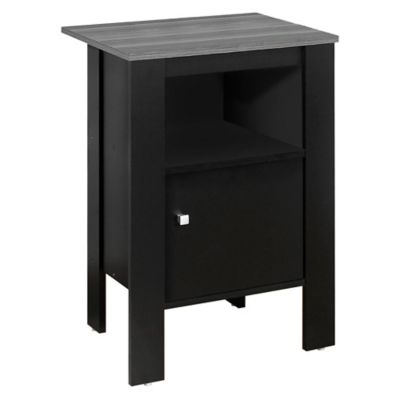
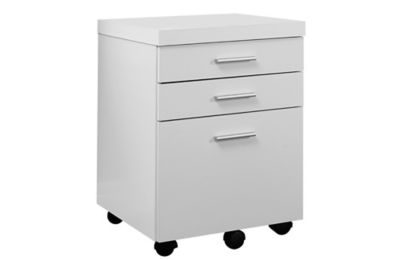
Home Office Storage Cabinets can provide a separate place for records and supplies that do not need to stay within arm's reach. That leaves the desk ready for daily work rather than turning it into long-term storage. Whether the space handles homework, household paperwork, or records from a busy acreage, a well-fitting desk brings the work surface and the storage together in one sensible place.