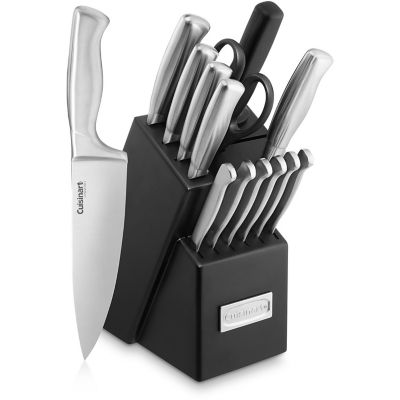
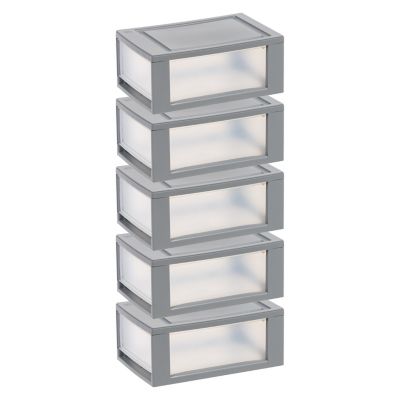
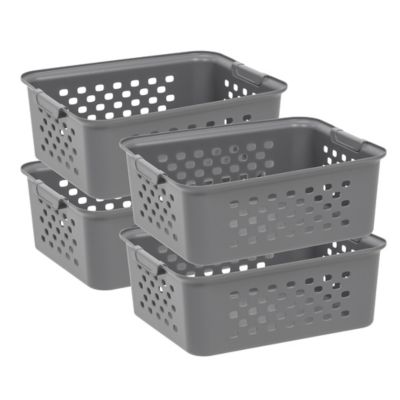
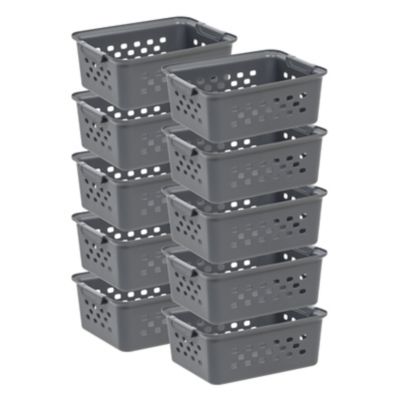
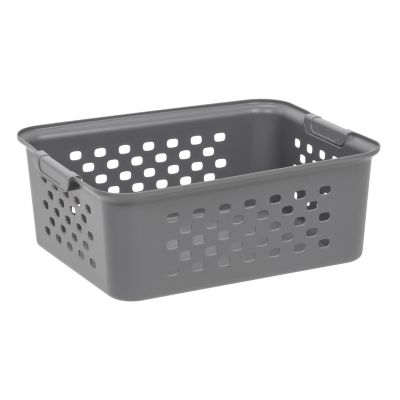
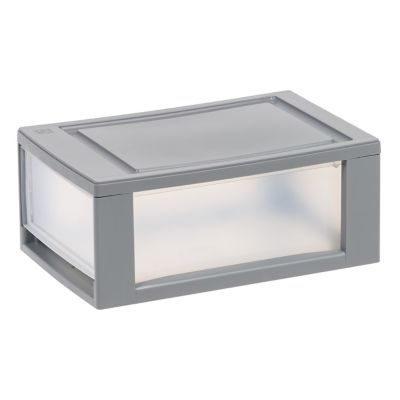
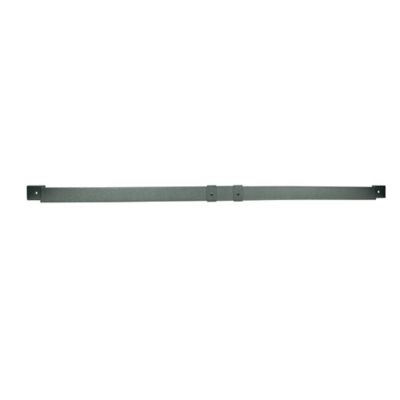
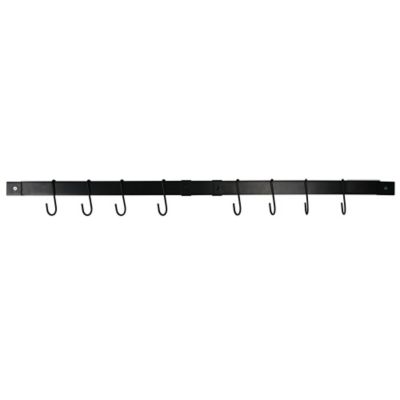
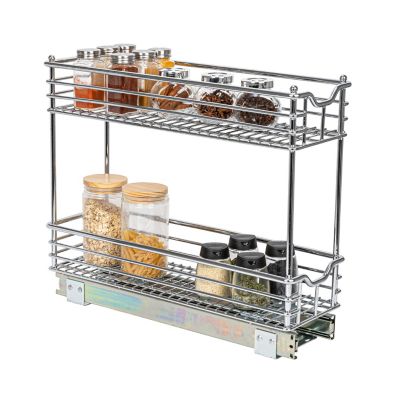
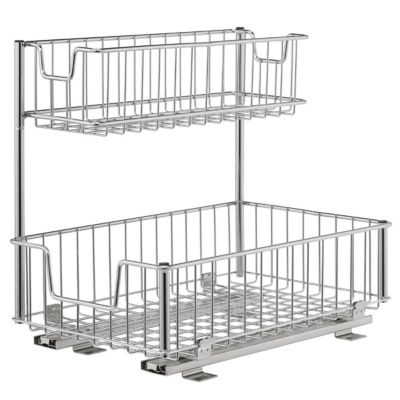
Small kitchens can work hard without feeling crowded when storage is planned around the space you actually have. The best storage solutions for small kitchens make use of overlooked spots—walls, cabinet doors, the sides of appliances, deep corners, and narrow gaps—while keeping everyday tools close at hand. A wall-mounted rail or pegboard can hold cooking utensils, mugs, small pans, or oven mitts above a counter or sink, freeing up valuable drawer and cabinet space. Adhesive hooks are handy for renters or anyone who prefers a no-drill setup, and they can be placed inside cabinet doors for measuring spoons, pot holders, or lightweight tools. For heavier items, choose hardware rated for the load and install it into a solid surface according to the manufacturer’s directions. Magnetic strips can move knives and metal utensils off the countertop, though they should be mounted where children and busy elbows cannot easily reach them. Shelf risers are another simple way to make better use of tall cabinets by creating a second level for plates, bowls, mugs, or canned goods. In a small kitchen, a few extra inches of usable height can make the difference between a cabinet that feels jammed and one that is easy to maintain. Drawer dividers help keep small tools from sliding into a tangled heap, while door-mounted baskets can hold seasoning containers, wraps, bags, or cleaning supplies. Before buying, measure the area carefully, including the width of door openings, the depth of shelves, and the clearance needed for drawers and appliances. It also helps to notice which items you reach for every day and which ones only come out for big family meals. Keep daily-use pieces in the easiest spots, and reserve higher shelves or deeper storage for specialty cookware and serving pieces.
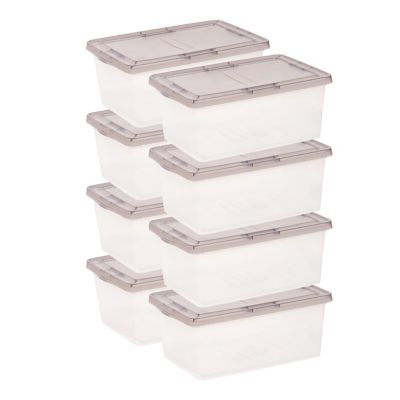
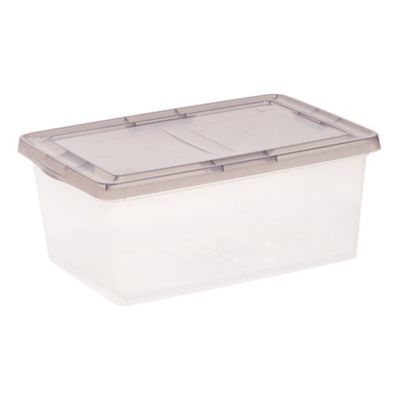
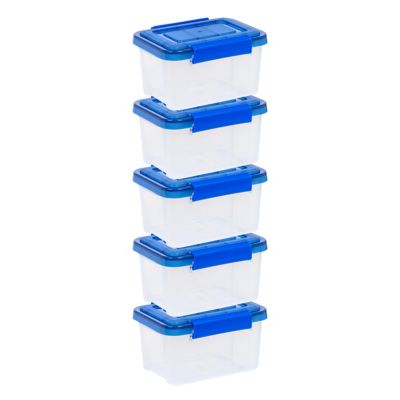
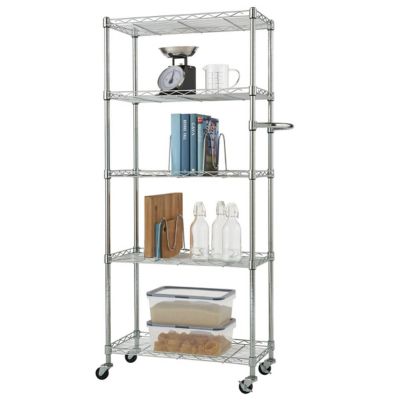
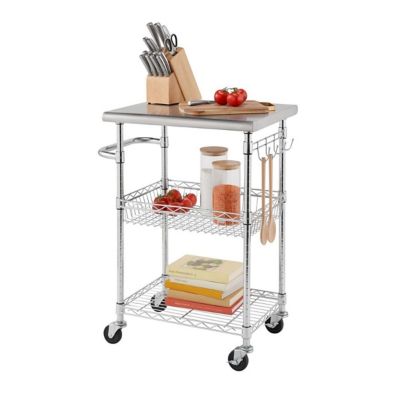
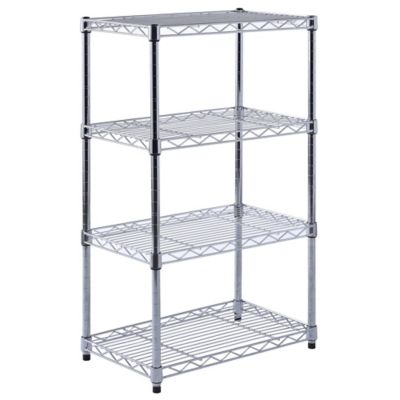
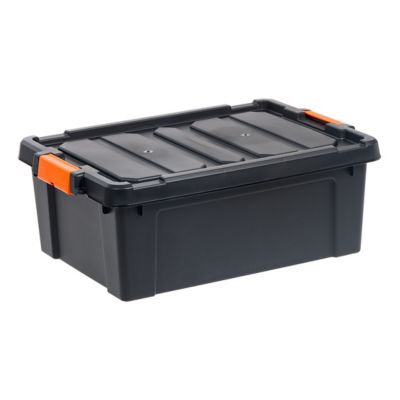
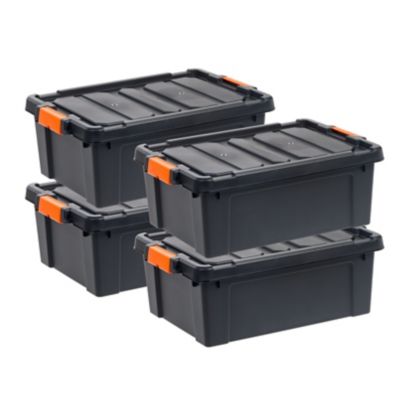
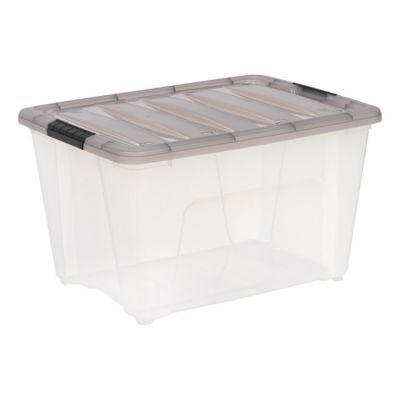
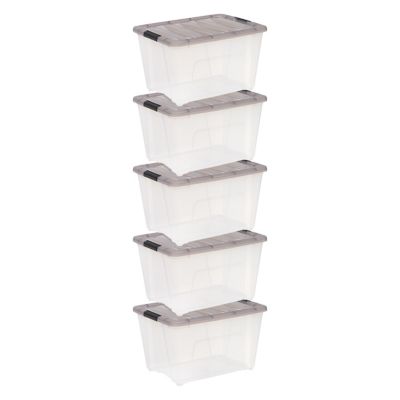
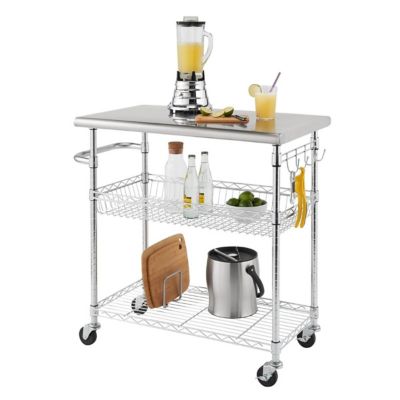
Narrow rolling carts are especially useful in kitchens with a little unused space between the refrigerator and a wall, beside a cabinet, or near a laundry area. A slim cart can give you several levels of storage while still sliding out of the way when the kitchen needs more elbow room. Use the shelves for pantry staples, baking supplies, produce, or cleaning items, and look for wheels that roll smoothly on your flooring. If the cart will hold heavy jars, cast-iron cookware, or large containers, pay attention to its weight capacity and stability. A turntable can make a deep corner cabinet or pantry shelf much easier to reach by bringing oils, sauces, canned goods, or baking ingredients around to the front instead of leaving them hidden in the back. Clear bins and stackable containers are useful for grouping like items, especially in homes where several people share the kitchen. Labeling can keep breakfast foods, pet-safe household supplies, or baking ingredients from getting mixed together, and containers with secure lids help protect dry goods from moisture and pests. For more ways to add movable storage where floor space is limited, browse
Kitchen Carts for Small Kitchens. Renters, apartment dwellers, tiny-home owners, campers, and families making do with an older kitchen can all benefit from storage that does not require a major remodel. These organizers also make thoughtful housewarming gifts for a friend moving into a first apartment, a college student setting up a small cooking area, or a loved one who enjoys making meals in a cabin or seasonal home. A useful storage piece can be a welcome gift because it solves a real everyday problem without taking up much room of its own.
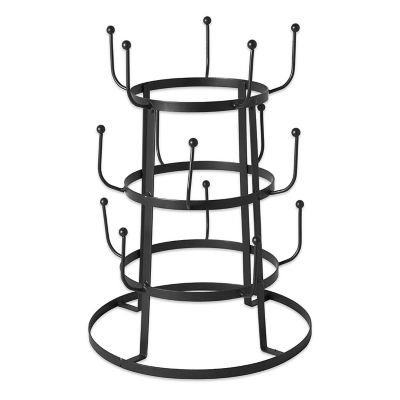
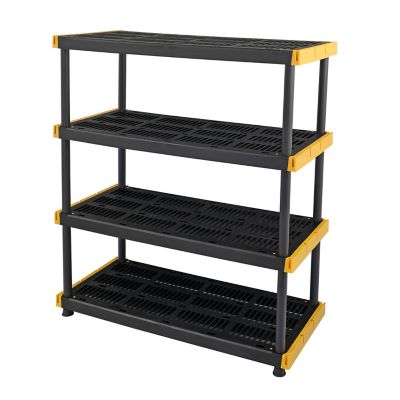
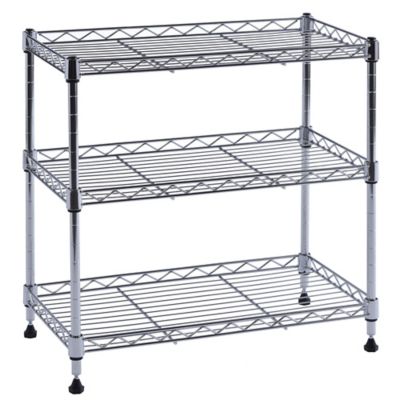
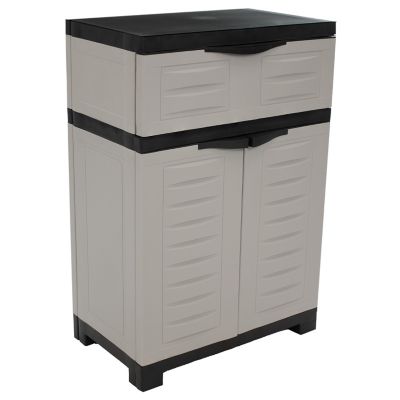
When choosing among small-kitchen organizers, think about the way your household cooks and cleans rather than trying to fill every open spot. Someone who cooks from scratch may need room for measuring tools, cutting boards, spices, and pans, while a household that relies on quick meals may get more value from a compact pantry organizer, mug hooks, or a rack for wraps and bags. Families with children should keep sharp tools, hot cookware, cleaners, and breakable dishes in secure locations, leaving lower shelves for sturdy bowls, lunch containers, or kid-friendly snacks. In homes with pets, avoid storing food or treats where an animal can pull down a basket or knock over a container. Materials matter, too. Metal storage is a good fit for cookware and tools, plastic bins are easy to wipe down, and wood can add a warm, homespun touch when kept away from standing water. Look for smooth edges, solid fasteners, washable surfaces, and designs that allow air to circulate around damp items. During the cooler months, small kitchens often see more activity as people prepare hearty meals, bake, preserve garden produce, and gather indoors, so flexible storage can help keep counters open for mixing, chopping, and serving. A tidy setup also makes cleanup less of a chore: utensils have a home, pantry goods are visible, and the items used most often do not have to be dug out from behind a stack of dishes. Start with one trouble spot, such as a crowded drawer or an overflowing cabinet, and choose storage that addresses that specific need. With a few well-placed organizers, even a snug kitchen can feel calmer, more capable, and ready for everything from a quick breakfast to a full table of family and friends.