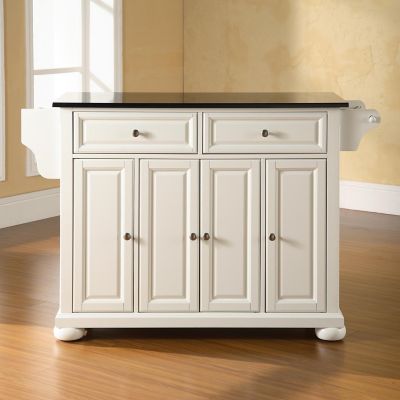
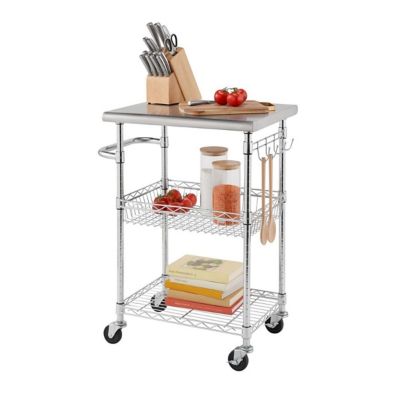
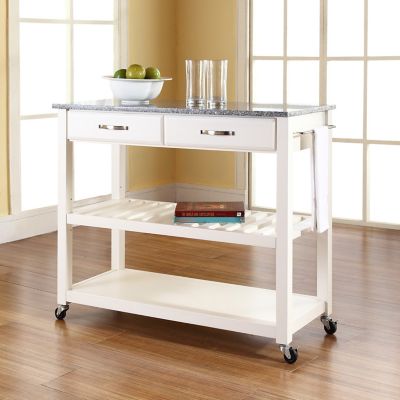
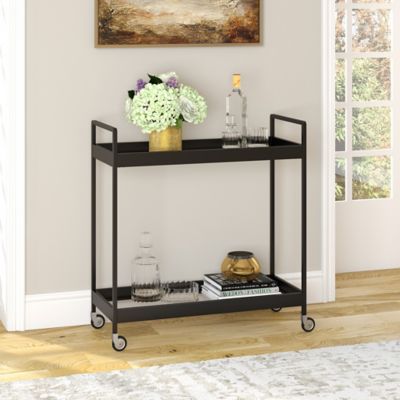
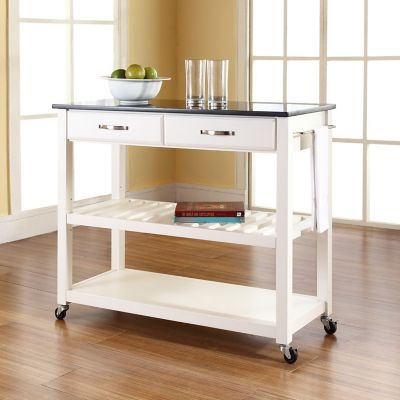
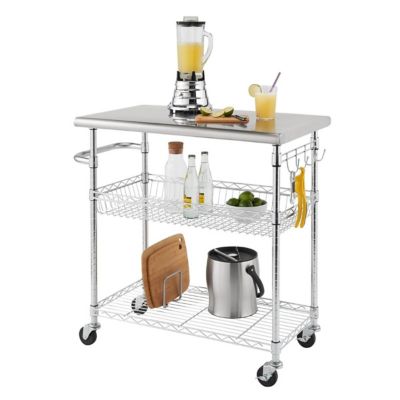
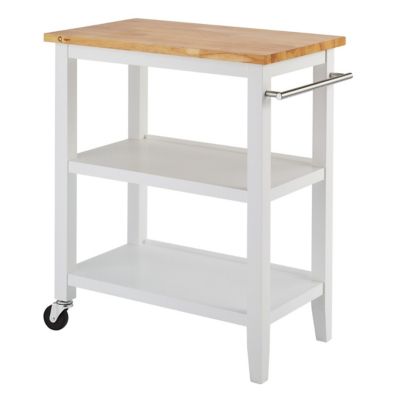
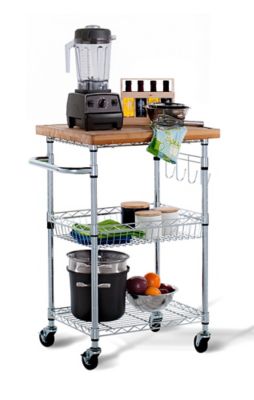
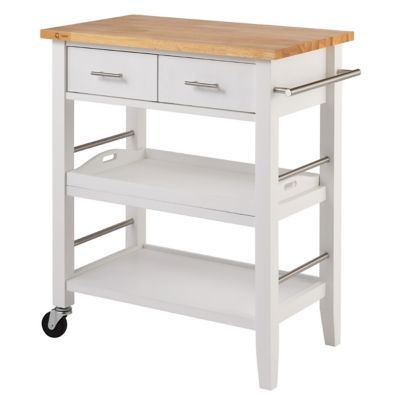
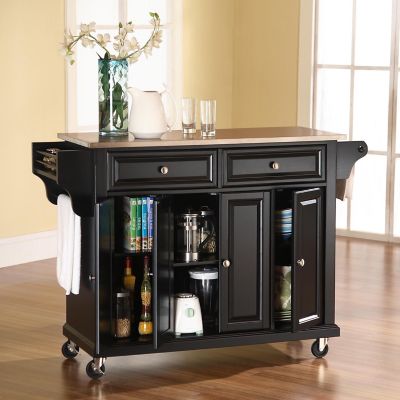
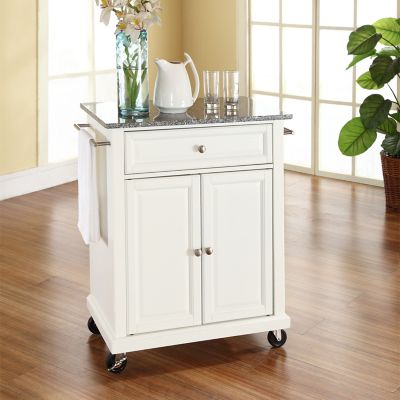
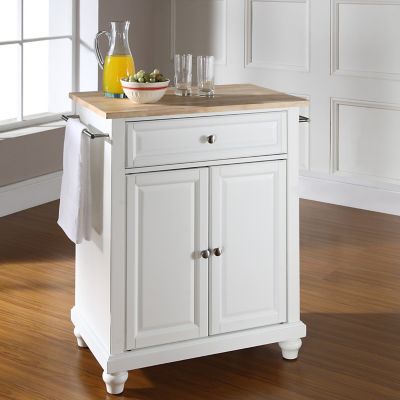
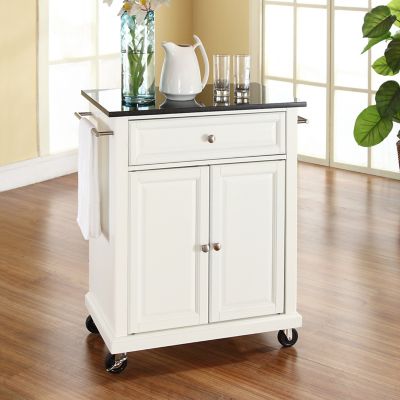
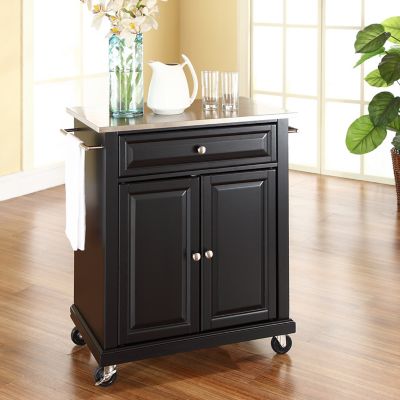
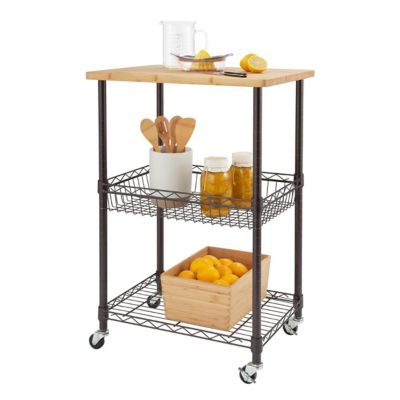
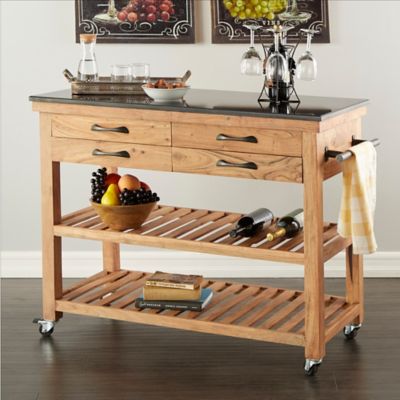
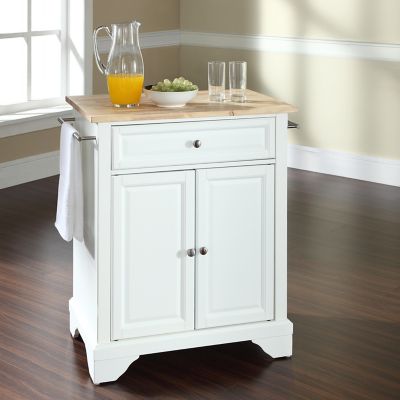
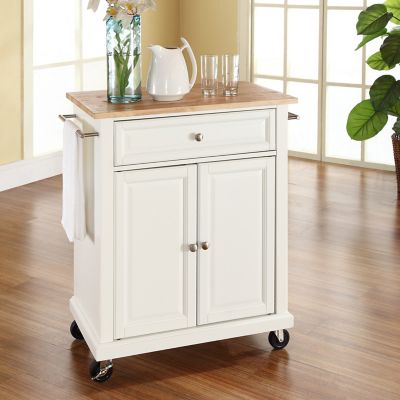
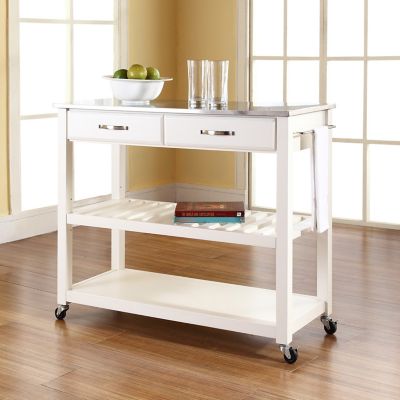
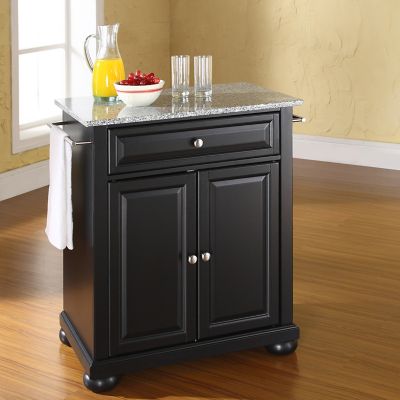
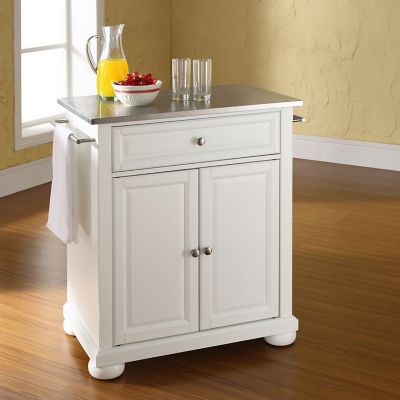
Kitchen carts for small kitchens make it easier to add useful workspace and storage without taking on a full remodeling project. A well-sized cart can tuck beside a refrigerator, slide beneath a counter overhang, or roll into a pantry corner when the floor needs to stay clear. In a compact apartment, cabin, farmhouse kitchen, or rental home, that extra surface can be the spot where vegetables get chopped, bread dough gets rolled, or a slow cooker is set up for supper. Many carts have a narrow footprint, with some measuring less than 20 inches deep or wide enough to fit comfortably through tight spaces. Others offer a larger surface while staying under about 40 inches long, giving you room to work without making the kitchen feel crowded. When comparing options, measure the open area carefully, including door swings, walkways, and the space needed to pull out drawers. It also helps to check the cart’s overall height against your counters and to consider whether it will need to pass through a doorway or be moved between rooms. A compact cart with a sturdy wood or butcher-block-style top brings a warm, hardworking look to the room, while a metal, laminate, or painted finish may be easier to wipe down after everyday cooking. Look for smooth edges, dependable construction, and a top that can handle the kind of work you plan to do, from setting out coffee and breakfast to sorting produce after a trip to the garden.
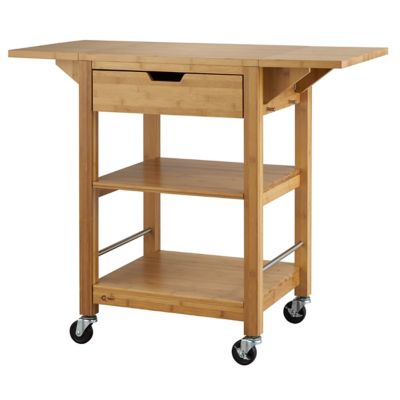
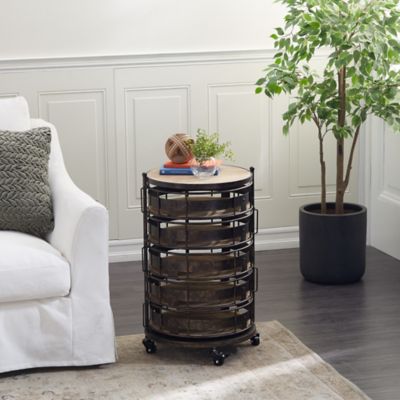
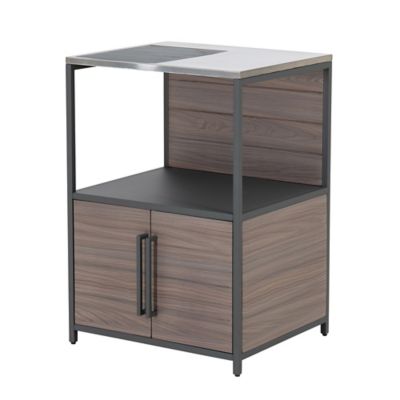
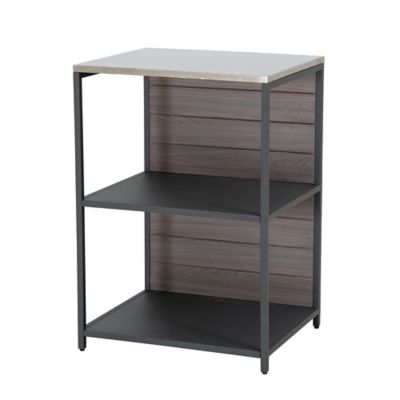
Storage is where a kitchen cart can earn its keep. Drawers are handy for measuring spoons, peelers, towels, and other small tools that tend to wander across a counter. A cabinet gives larger items a place to land, including mixing bowls, pots, pans, serving pieces, or countertop appliances that do not need to stay out all the time. Open shelves keep everyday staples close at hand and make it easy to see what is available, whether that means jars of flour, a basket of potatoes, cookbooks, or a stack of plates. Adjustable shelving is especially useful when storage needs change from one season to the next. Shorter shelves can hold cans and bottles, while a taller opening may accommodate a stand mixer, stockpot, or small appliance. Some carts include a space made for a microwave or another appliance, which can free up valuable counter room in a tight kitchen. Drop-leaf tops are another practical feature: keep the leaf folded when the cart is parked against a wall, then raise it when you need a serving station, breakfast table, or extra prep space. Wheels make the cart flexible, but locking casters are important for safe, steady use. Lock the wheels before slicing, mixing, or placing a hot dish on top, and make sure the cart sits level on the floor. If the cart will carry heavier cookware or appliances, check the listed weight capacity and spread the load evenly instead of stacking everything on one shelf. A cart with a lower shelf can also help keep heavier items close to the floor, making it easier to move and less likely to tip.
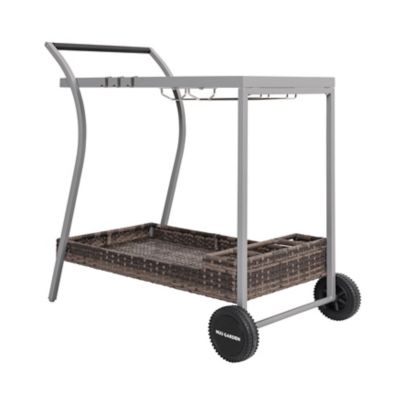
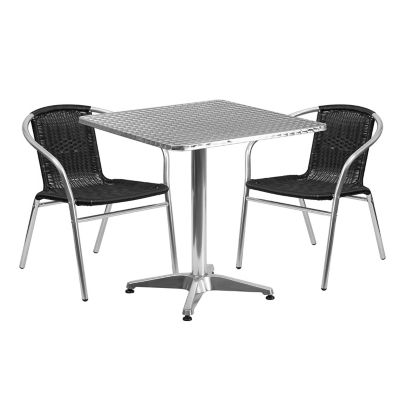
These carts suit more than small kitchens. They can add storage to a laundry room, craft area, home office, mudroom, or entertaining space, and a narrow rolling design can be useful in a camper, guesthouse, or seasonal cabin. During the warmer part of the year, a cart may hold drink supplies, garden-fresh produce, or dishes headed to a covered porch. As cooler weather settles in, it can become a convenient cocoa station, baking center, or place to keep soup bowls and serving utensils ready for family meals. A kitchen cart can also make a thoughtful housewarming gift for someone moving into a first apartment, setting up a college rental, or furnishing a new home with limited cabinet space. It is a practical choice for a home cook who enjoys baking, a coffee lover who needs a dedicated station, or a host who wants to keep serving pieces organized. For a coordinated small dining area, pair the cart with
Small Kitchen Bistro Sets to create a simple spot for morning coffee or a quick supper. Before choosing, think about how the cart will be used most often and which features will save the most daily steps. A narrow cart with open shelving may be the best fit for frequently used items, while a cabinet-and-drawer design can keep a busy kitchen looking tidier. Foldable styles are useful when the extra surface is needed only now and then or when storage space is especially limited. With the right size, dependable wheels, useful compartments, and a finish that fits the room, a kitchen cart can turn an overlooked corner into hardworking space that feels natural in the home.