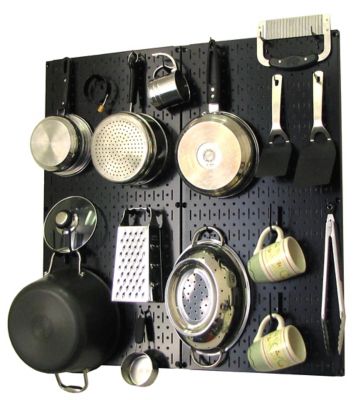
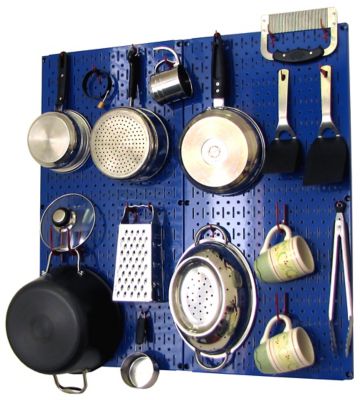
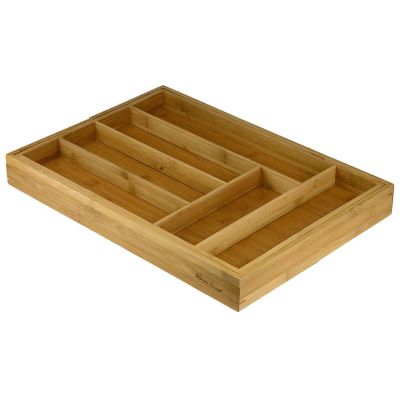
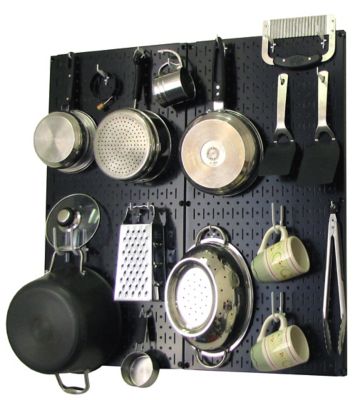
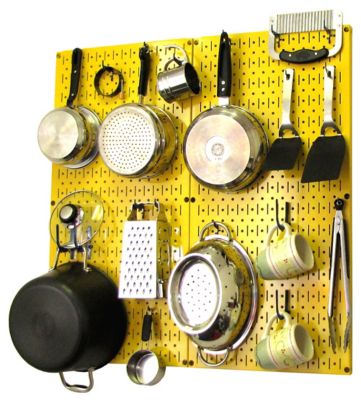
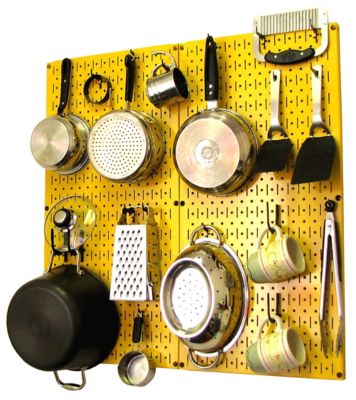
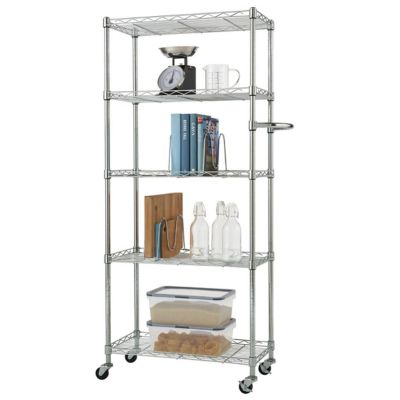
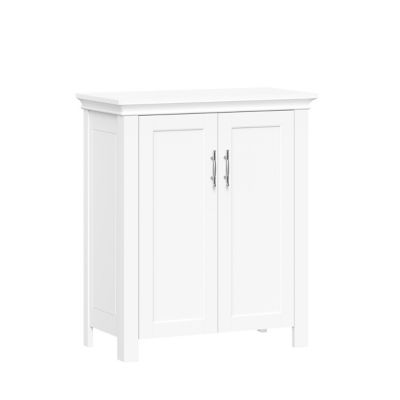
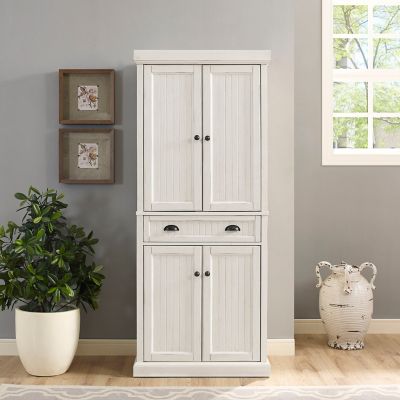
Kitchen organization solutions give cookware, utensils, pantry staples, and cleaning supplies a place that makes sense, helping keep counters clear and everyday cooking within easy reach. Drawer dividers separate small tools, shelf organizers make better use of cabinet height, and pantry storage keeps ingredients together so meal prep involves less searching. The best fit depends on how the kitchen works from breakfast through supper, not just how neat it looks with every door shut. In a busy farmhouse kitchen, that might mean room for lunch containers near the packing area, baking supplies close to the mixing space, and everyday dishes where family members can reach them without crossing the cook’s path. A smaller kitchen may benefit more from vertical storage and organizers that put the back of a cabinet within reach. Deep shelves can hold plenty, but their full depth does little good when smaller packages disappear behind tall containers. Tiered arrangements, divided compartments, and accessible pullout storage help bring those hard-to-see spaces into everyday service. Open counters also leave more room for rolling dough, sorting garden produce, or setting down groceries after the drive home. Storage near the point of use helps cut down on extra steps: cooking tools beside the preparation area, serving pieces near the table, and dishwashing supplies close to the sink. That arrangement still needs to leave enough elbow room for cabinet doors, appliance doors, and more than one person moving through the kitchen. Organization should make a working kitchen easier to live with, rather than turn every cupboard into a display. Frequently reached-for pieces belong in comfortable spots, while less-frequent serving and baking supplies can occupy higher shelves. For households sharing kitchen duties, clear groupings make it easier for everyone to find what they need and put things back where they belong. Even one well-arranged drawer can keep a measuring spoon from getting buried just when a recipe calls for it.
Materials, dimensions, and construction all affect how well kitchen storage holds up to daily use. Metal can suit spaces that need firm support for heavier cookware, although the finish and the manufacturer’s weight limits matter as much as the material itself. Wood and bamboo bring a warm look to open shelves and drawer interiors, with care requirements that depend on their finish and construction. Plastic is often lightweight and easy to wipe down, while clear surfaces let the contents stay visible. Glass offers another way to see ingredients at a glance, but its weight and potential for breakage deserve thought in a busy household. For anything that directly touches food, food-contact suitability matters; an organizer meant to hold packaged goods is not automatically intended for loose flour, rice, or snacks. Storage for dry ingredients also needs a closure suited to its purpose, especially when protection from spills and household pests is part of the job. Fit goes beyond the outside width of a cabinet. Hinges, door frames, plumbing, and shelf supports all take up space, and a drawer’s interior height may be lower than its front suggests. Pullout designs need room to travel without catching on a door or handle. Under-sink storage has to work around pipes while leaving access for maintenance, and over-door arrangements need enough clearance for the door to close properly. Adjustable sections can accommodate changing needs, but a stable base and secure connections are important when a storage piece carries weight. Ventilation openings and appliance clearances should remain unobstructed. In narrow spaces, handles and rounded edges can make a difference when reaching past an organizer with full hands. Shelf surfaces also need to support the combined weight of the organizer and its contents. A compact setup that fits comfortably often serves a kitchen better than a larger arrangement that blocks access or leaves awkward gaps. Those practical details matter every day, whether the kitchen handles a quick breakfast for two or supper for a full table.
Easy care matters just as much as a tidy appearance, especially around flour dust, cooking splashes, and the occasional sticky spill. Smooth surfaces and accessible corners are generally simpler to wipe clean than tight crevices that catch crumbs. Removable sections can make drawer cleanup less of a chore, while washable liners may help protect shelving when their care directions and intended surfaces are a match. Not every storage material belongs in the dishwasher or tolerates soaking. Wood, bamboo, coated metal, and certain plastics each have their own cleaning requirements, so manufacturer instructions are the right reference for keeping surfaces and finishes in good shape. Thorough drying before contents go back helps prevent trapped moisture, particularly beneath the sink or near a dishwashing area. Storage for cleaning chemicals should remain separate from food and beyond the reach of children and pets; convenient access should never come at the expense of safe placement. Similar thought applies to sharp tools, heavy cookware, and anything that could tip when pulled forward. In family kitchens, lighter everyday supplies at a manageable height can help children take part in setting the table or packing lunch, with adult judgment guiding what belongs within reach. For someone setting up a first home, settling into a farmhouse, or making a shared kitchen easier to manage, practical organization can also make a thoughtful housewarming gift when the space and preferences are known. Neutral finishes and flexible layouts tend to work across different rooms and routines without demanding a complete kitchen overhaul. The broader
Kitchen Storage category connects these everyday needs, from keeping pantry contents together to giving cabinets and counters a more workable arrangement. A kitchen does not have to look spotless to work well. It needs clear preparation space, reachable essentials, and storage that stands up to the steady rhythm of meals, cleanup, and another day’s cooking.