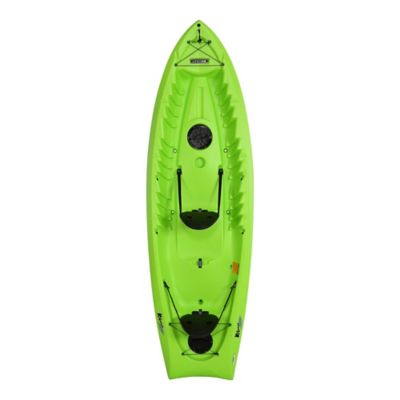
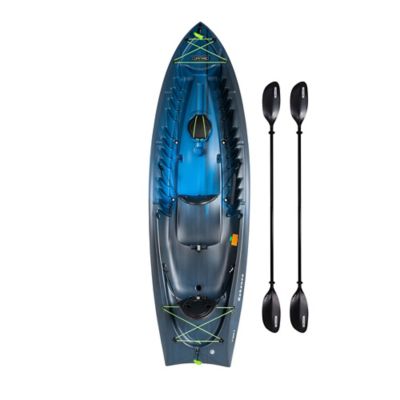
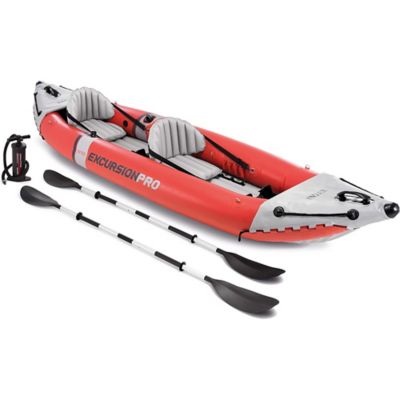
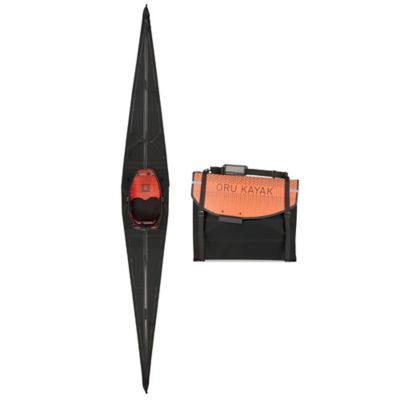
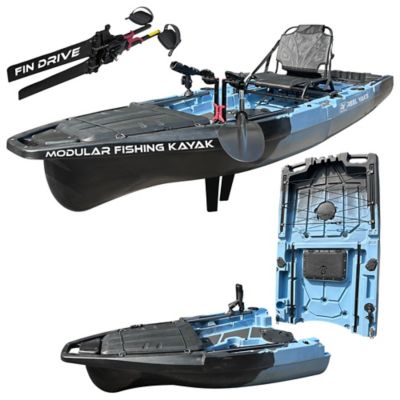
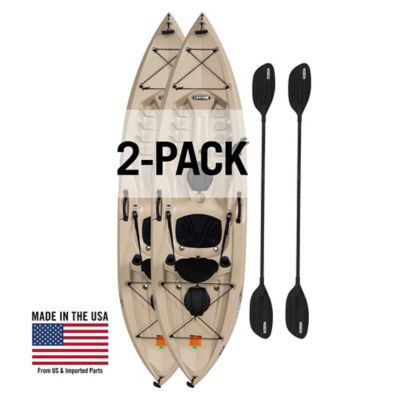
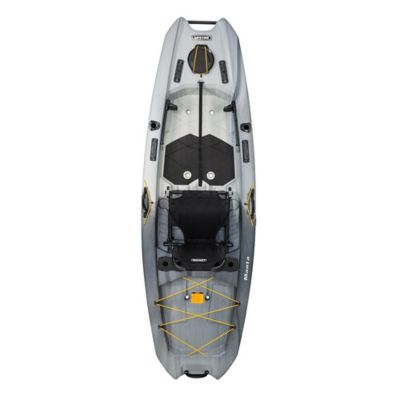
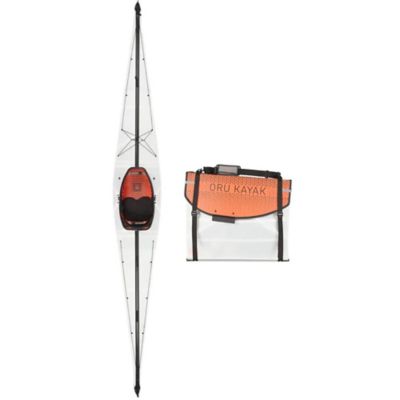
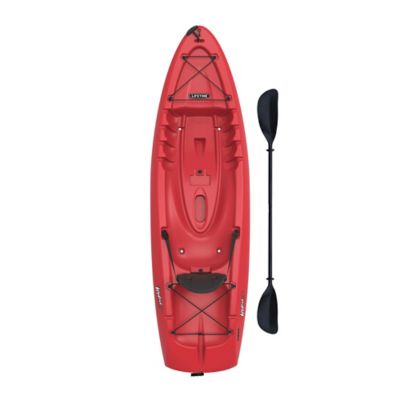
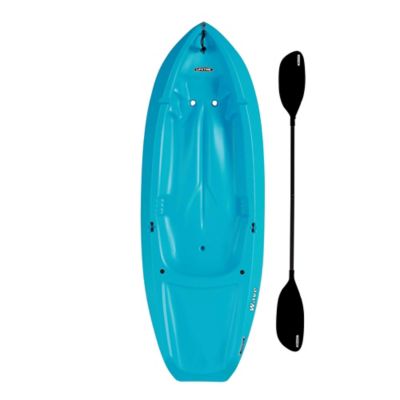
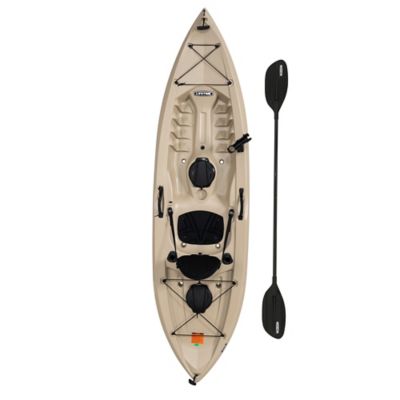
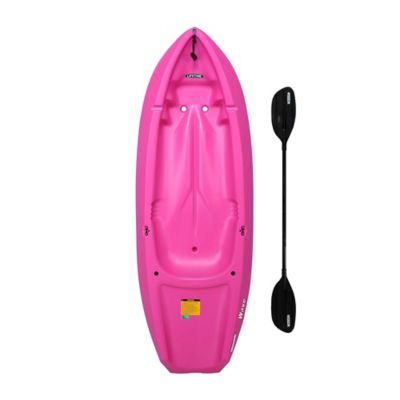
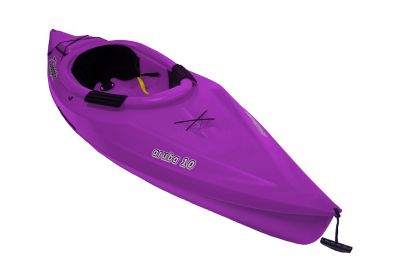
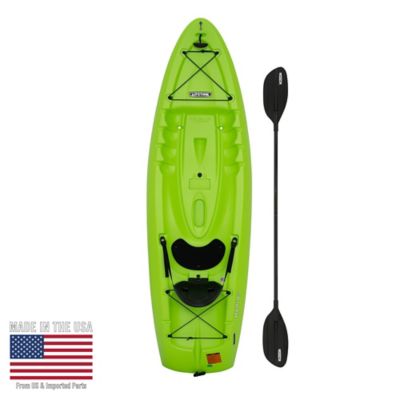
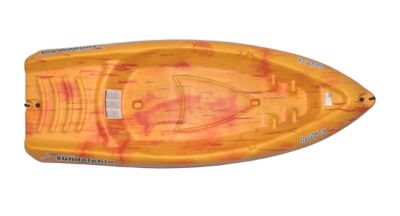
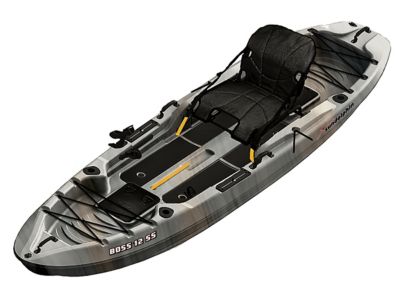
Two person kayaks, also called tandem kayaks, make it easy to share time on the water with a partner, friend or family member. Instead of splitting up into separate boats, two paddlers can explore a quiet pond, slow-moving river, calm lake or sheltered stretch of coastline from the same kayak. Tandem kayaks are often wider and more stable than solo models, which can make them a comfortable choice for beginners, casual paddlers and anyone who prefers a steady ride. They can also build good speed when both people paddle in a consistent rhythm. A tandem kayak may be a thoughtful gift for a couple who enjoys outdoor adventures, parents looking for a way to spend time with an older child or friends who like fishing, camping and exploring new water. Some are made for relaxed recreational paddling, while others are set up for fishing or longer outings with added storage, adjustable seating and places to keep paddles or gear close at hand. Sit-on-top designs are generally simple to enter and exit and can be a practical pick for warm-weather recreation, swimming stops and easy shoreline exploring. Sit-inside kayaks offer a more enclosed feel and can help keep splashes and cooler air off the lower body, making them useful when conditions are less summery. Inflatable tandem kayaks can be convenient for people with limited storage space or those who want to take a kayak along on road trips, though they still need to be carried, inflated and dried properly after use. When comparing two person kayaks, start with how and where the boat will be used. Check the kayak’s weight capacity and make sure it can safely support both paddlers along with life jackets, water, food, fishing tackle and any other equipment. Length, width and hull shape affect stability, tracking and maneuverability, so a wider recreational kayak may feel more forgiving while a sleeker design may be better suited to covering distance. Look at the seating arrangement, footrests and adjustability, especially when two people have different heights or paddling styles. Open storage areas, sealed compartments and bungee cord tie-downs can make a real difference when carrying a cooler, dry bag or a small tackle box. For fishing trips, useful features may include rod holders, accessory mounts and room to move without crowding the other angler.
Transport and storage deserve a close look before choosing a tandem kayak. Two person kayaks are typically heavier and longer than solo kayaks, so measure the available space in a garage, shed or truck bed and consider how the kayak will get from home to the water. A roof rack, trailer or sturdy bed extender may be helpful for hard-shell models, while an inflatable kayak can be stored in a closet or carried in a vehicle once it has been drained, dried and packed away. Carry handles can make loading easier, but larger kayaks are often best moved by two people using proper lifting technique. Whether hard-shell or inflatable, keep the kayak out of prolonged direct sunlight when it is stored and follow the care instructions for cleaning, drying and checking valves, seams, handles or drain plugs. Before launching, inspect the hull and seating, bring a properly fitted U.S. Coast Guard-approved life jacket for each person and pack a whistle or other signaling device, drinking water, sun protection and a dry bag for keys or phones. Weather and water conditions can change quickly, especially during the cooler months, so choose calm water that matches the experience of both paddlers and stay close to shore when learning. Dress for the water temperature rather than the air temperature, since a pleasant day on land can still mean cold water. Paddlers should also check local rules, launch areas and access restrictions, and let someone at home know the planned route and expected return time. A small paddle float or bilge pump may be useful for some sit-inside kayaks, while a sponge, repair kit and hand pump can be handy additions for inflatable models. Simple preparation helps keep a peaceful outing from turning into a long walk back to the truck.
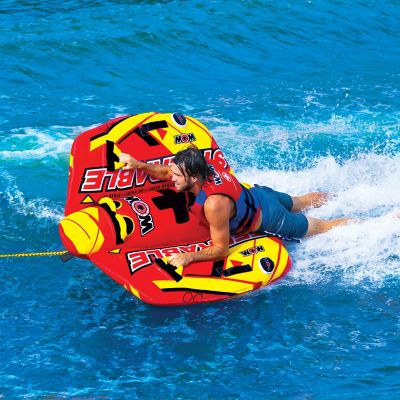
Tandem paddling works best when both people communicate and settle into a shared rhythm. The paddler in the front usually sets the pace, while the person in the rear has a better view of the bow and can help with steering. If one paddler is stronger or more experienced, that person may be more comfortable in the stern, where extra power can help guide the kayak and correct its direction. Before pushing away from shore, agree on a few easy signals for stopping, turning, slowing down and switching sides. Start with short strokes and match the other person’s timing instead of trying to paddle as hard as possible. To turn, one paddler can use a forward stroke while the other uses a reverse stroke, with both people making their plan clear before changing direction. Practice near the launch point before heading across a wide lake or down a winding river. With a little teamwork, a tandem kayak can carry two people smoothly past quiet coves, shaded banks and open stretches of water where wildlife often appears at the edge of the reeds. During warmer days, it can be a relaxed way to cool off and enjoy the outdoors; as the weather turns cooler, it can still provide memorable outings when conditions are calm and clothing is chosen carefully. Bring only the gear you need, secure loose items and leave room for each paddler to move comfortably. For families and friends who enjoy towable water recreation as well as paddling,
2 Person Towable Tubes offer another way to spend time together on the water. From a quiet evening paddle to a full day of fishing and shoreline exploring, the right two person kayak gives both paddlers a comfortable place to work together, take in the scenery and make the most of time outdoors.