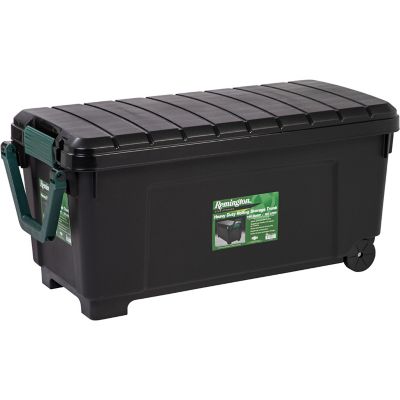
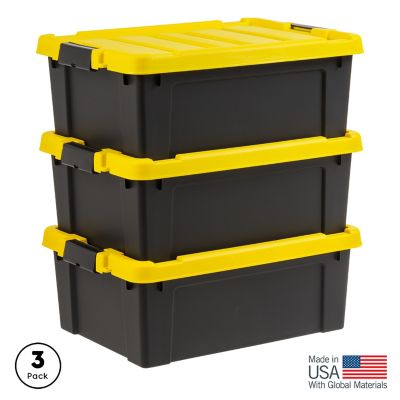
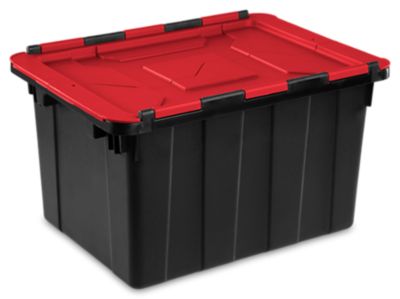
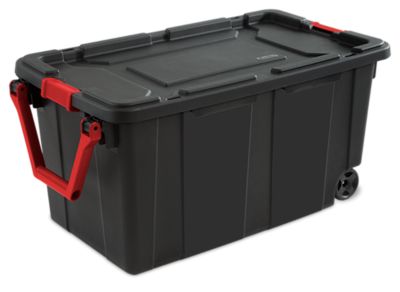
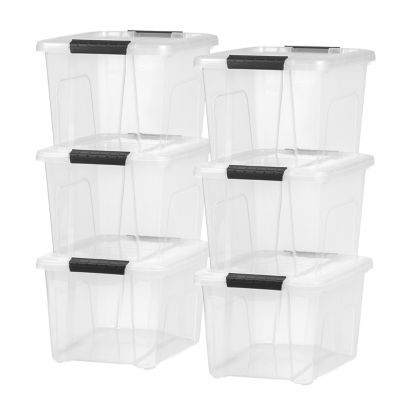
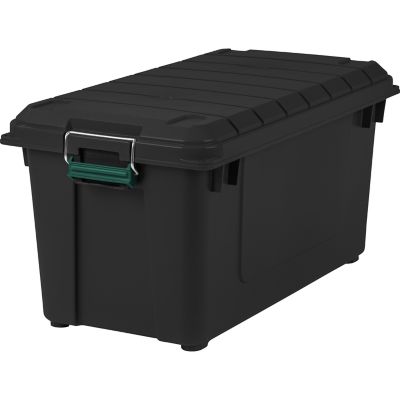
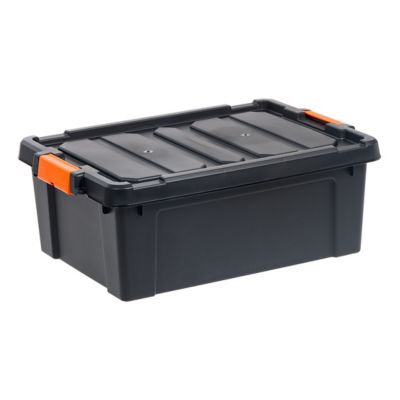
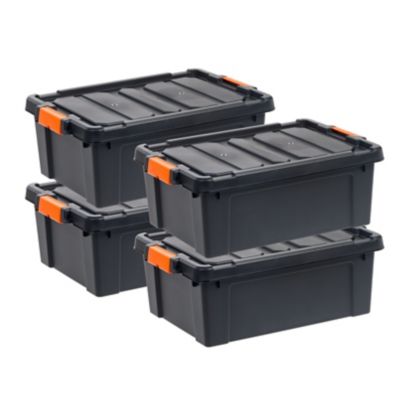
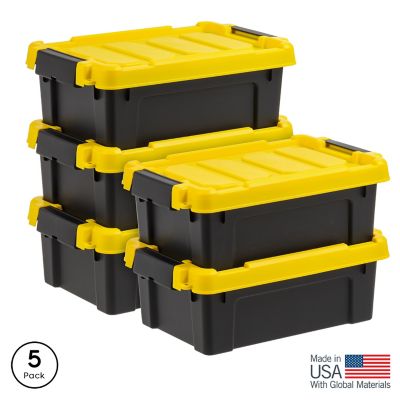
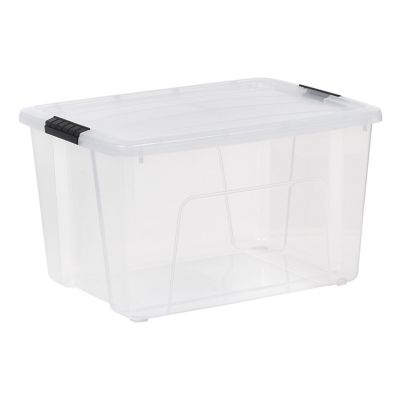
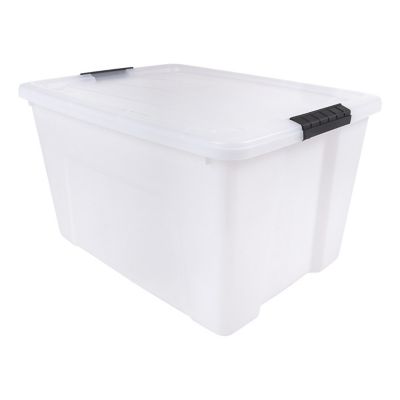
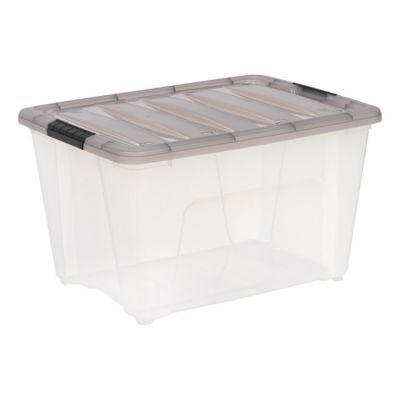
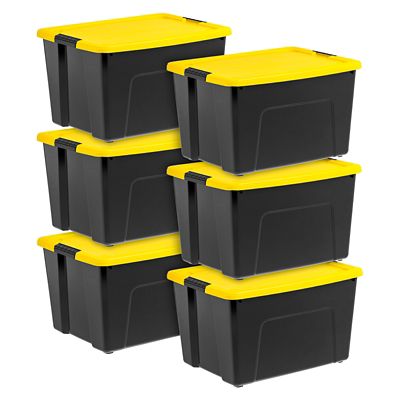
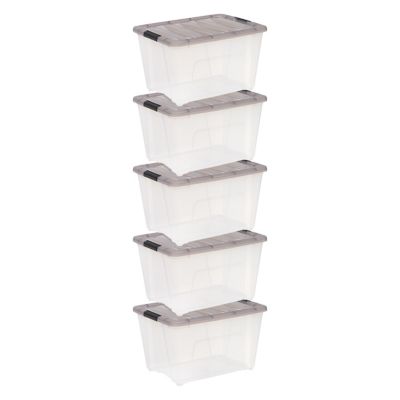
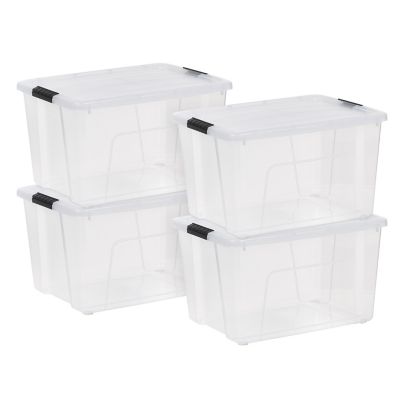
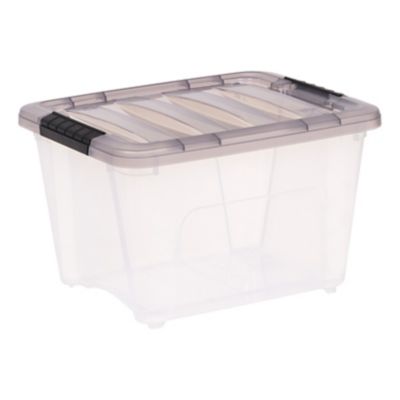
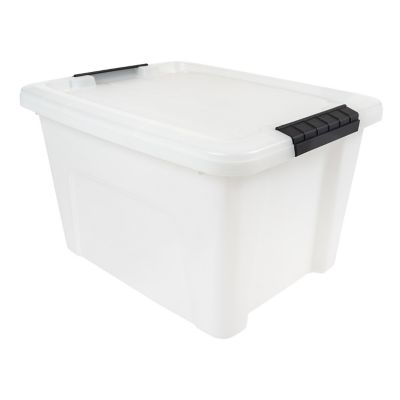
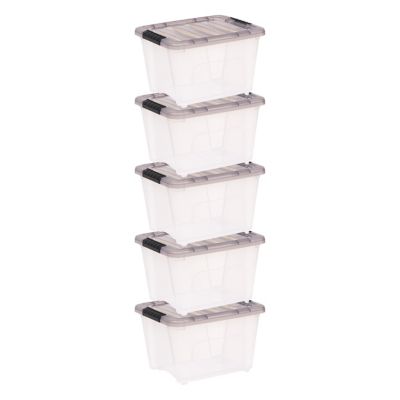
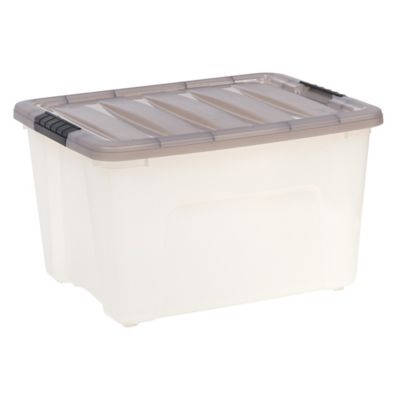
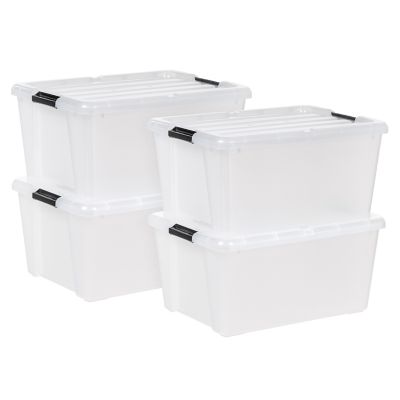
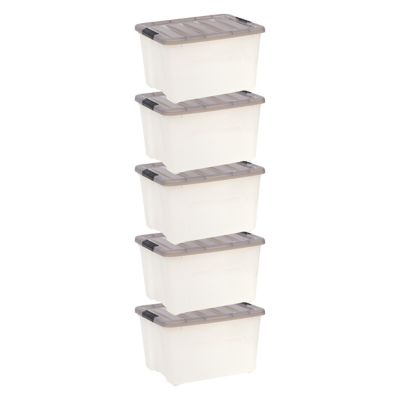
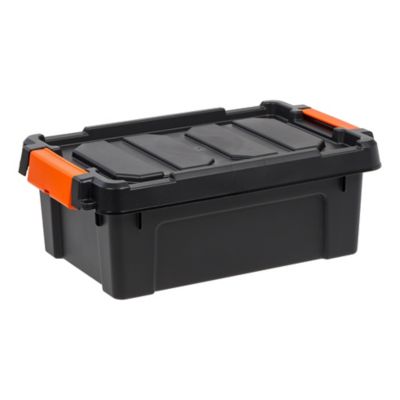
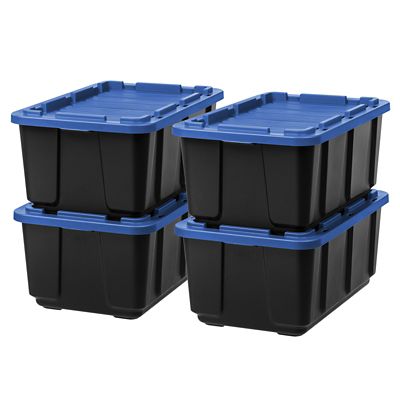
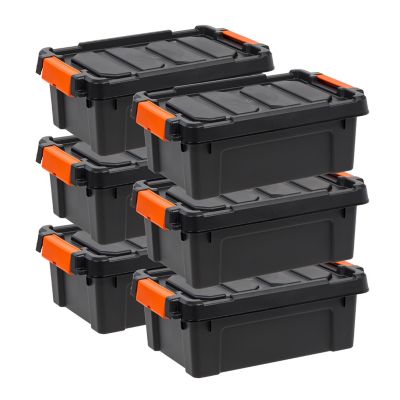
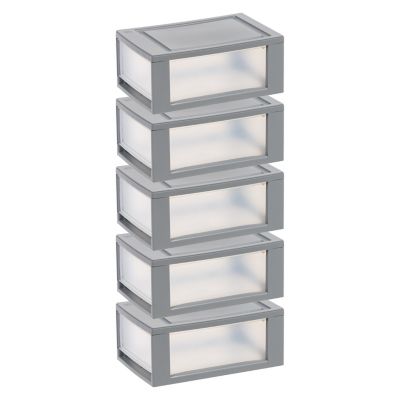
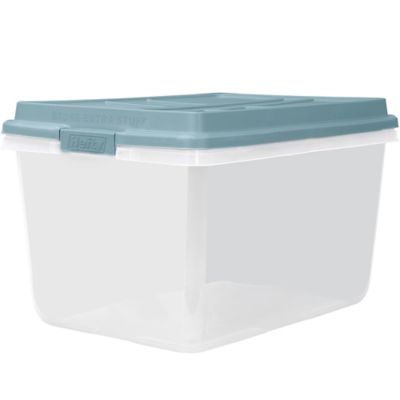
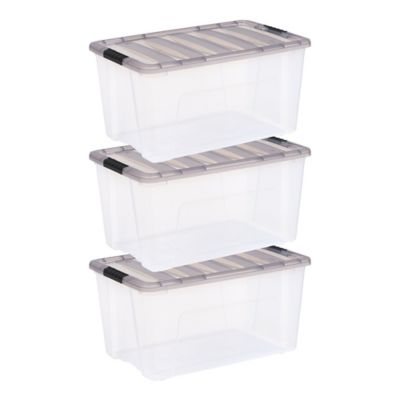
Stackable storage totes with lids make it easier to put seasonal gear, household supplies, and everyday equipment in order without spreading boxes across the floor. Their firm plastic sides hold their shape, while the lids help keep contents covered from dust, dirt, spills, and curious paws. Since these totes are designed to sit one on top of another, they make good use of vertical space in a closet, mudroom, shed, basement, attic, or garage. A clear tote lets you spot its contents at a glance, which comes in handy when you are looking for extension cords, winter gloves, canning supplies, or a child’s outgrown clothing. Opaque totes keep the contents out of sight and can give an open shelf a neater appearance. For a busy household or a working farm, that difference can save plenty of time. Instead of digging through loose cartons, you can place like items together, label the lid or side, and return everything to the same spot after it is needed. Totes also help protect soft goods during the cooler months, when blankets, coats, bedding, and spare linens may spend long stretches tucked away. A tote beside the back door can hold extra hats and gloves, while another near the tack room can keep grooming supplies, wraps, or seasonal gear together and off the ground.
Size is one of the first details to consider. Smaller containers in the 5- to 20-quart range work well for craft supplies, hardware, cords, school items, first-aid supplies, and small hand tools. Medium totes around 10 to 20 gallons can hold folded clothing, pantry overflow, toys, towels, or paperwork. Larger containers in the 18- to 50-gallon range leave room for bulky bedding, camping gear, sports equipment, seasonal clothing, or outdoor cushions. Before choosing, measure the shelf, cabinet, truck bed, or corner where the tote will sit, then allow enough room to lift the lid without scraping a wall or beam. A recessed lid can help the tote above it stay in place, while snap latches provide extra hold when a container may be moved, bumped, or carried in a vehicle. If the storage area tends to be damp, look for a lid that fits closely and keep the tote raised on a shelf or pallet rather than placing it directly on concrete. No plastic container should be treated as a guarantee against flooding or long-term water exposure, but a fitted lid can help limit contact with ordinary dust and moisture. For tools, feed-room supplies, camping equipment, and other items that see rough handling, explore
Heavy Duty Stackable Storage Bins. Front-access styles can be handy when totes are stacked high, since a door or opening lets you reach the contents without moving every container above it. Clear panels, side handles, and molded handholds are also worth noting when a full tote may need to be carried across a garage or up a set of steps.
A simple sorting routine makes these containers even more useful. Start with one area at a time and group items by task or season rather than placing a little of everything in each tote. One container might hold winter weather gear, another holiday table linens, and another the spare parts needed for the mower or utility trailer. Keep heavier items low in the stack and lighter containers higher up, and avoid placing more weight inside than the lid and sidewalls are meant to support. Labels with large, easy-to-read wording help everyone in the household put things away properly, especially when several totes look alike. It can also help to leave a small gap around the stack for airflow and to keep lids accessible. Families may appreciate totes for hand-me-down clothing, school projects, keepsakes, and guest bedding; gardeners can sort plant ties, gloves, seed-starting supplies, and small tools; hunters, campers, and anglers can keep seasonal equipment together between outings. They can make a practical present for someone moving into a first home, setting up a workshop, preparing a nursery, or getting a garage back in working order. During the cooler months, a well-marked stack means fewer trips through the cold to find what is needed, and when the weather turns warm, the same containers can hold winter clothing, quilts, and cold-weather equipment until it is time to bring them back out. Choose a size that fits the space, a lid style that matches how the tote will be handled, and a stack plan that keeps frequently reached items within easy reach.