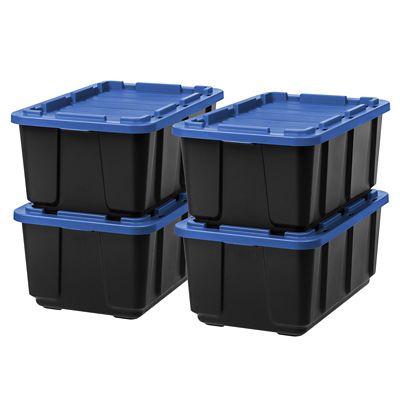
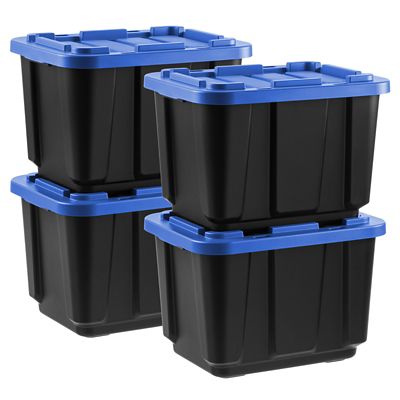
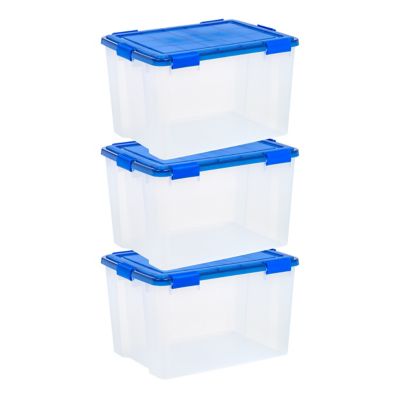
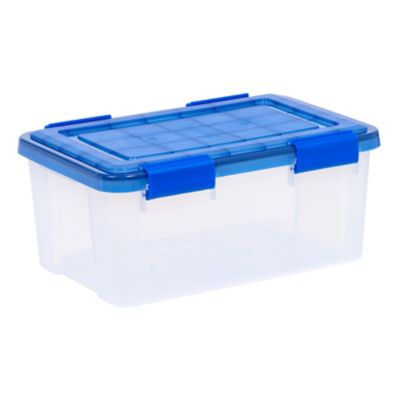
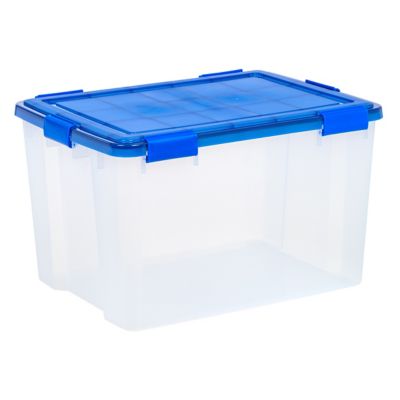
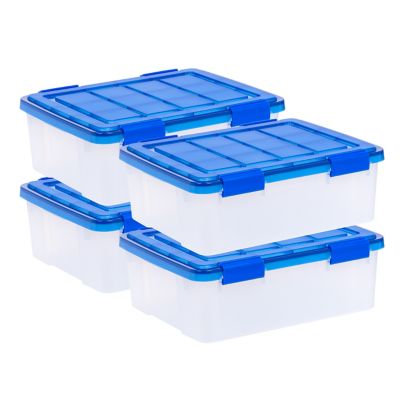
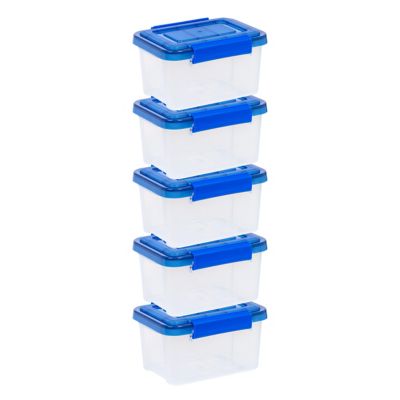
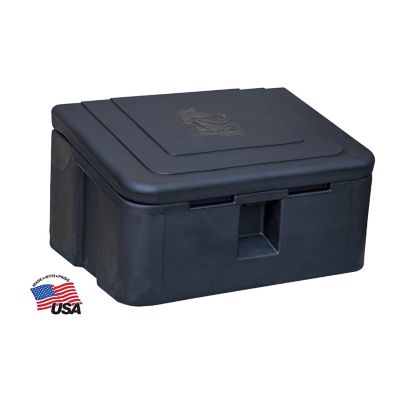
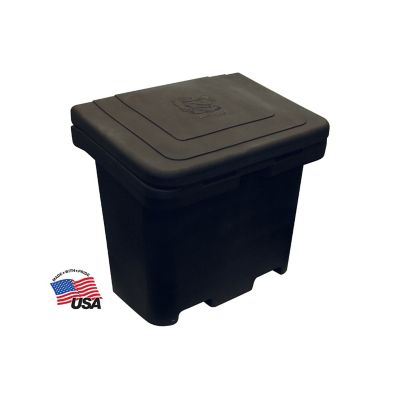
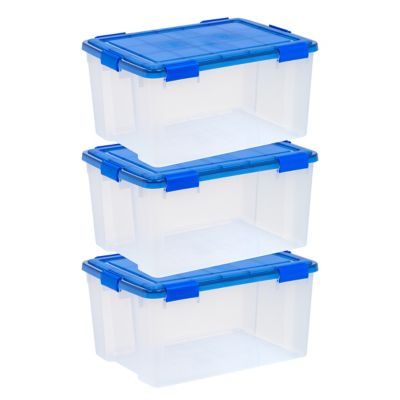
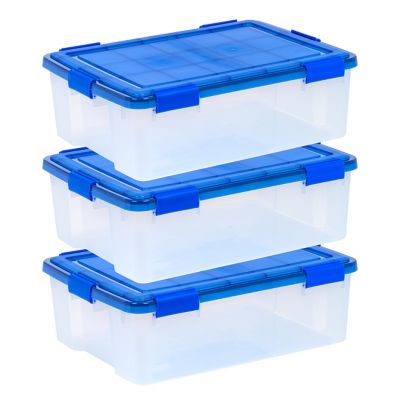
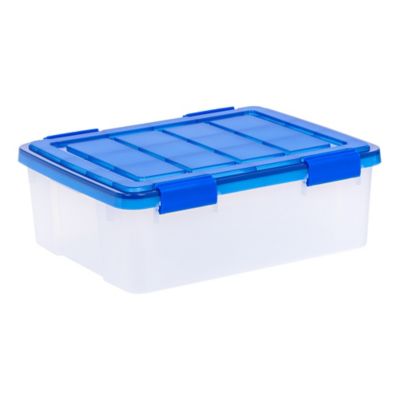
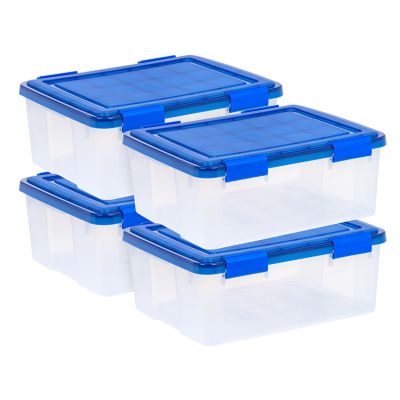
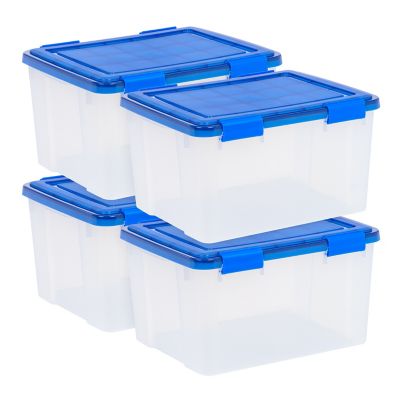
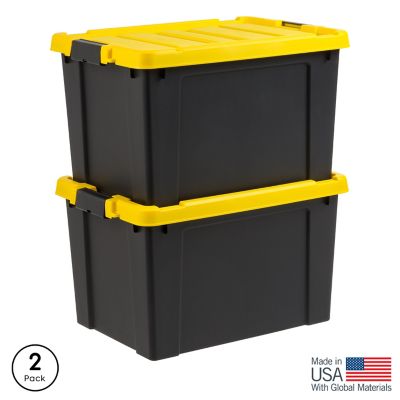
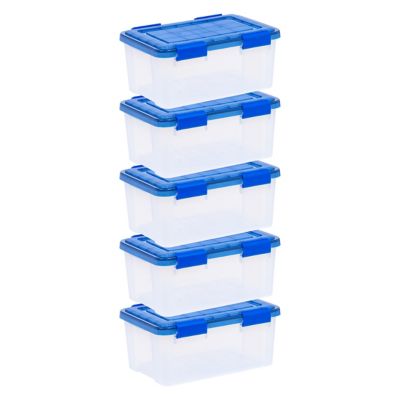
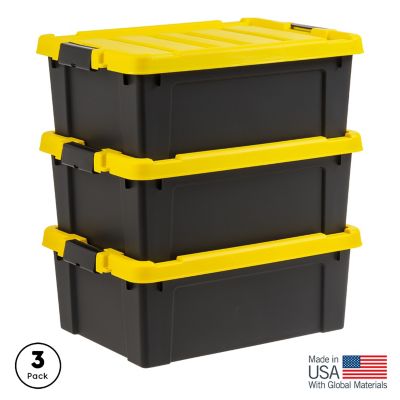
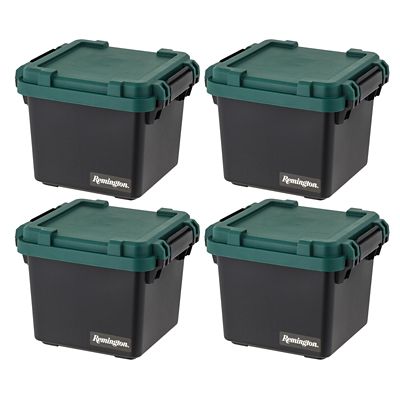
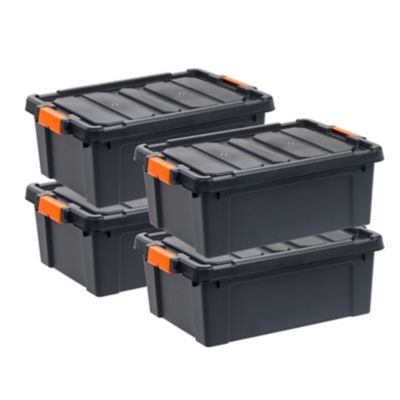
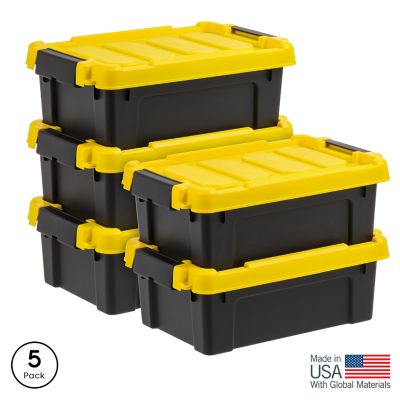
Heavy-duty stackable storage bins are sturdy containers designed to hold tools, supplies, and equipment while stacking securely to make better use of floor and shelf space. They fit naturally into garages, farm shops, utility rooms, and work areas where loose gear can turn a simple job into a long search. A bin of fencing supplies near the shop door, a row of sorted fasteners above a workbench, or a stack of plumbing fittings beside a repair station keeps everyday necessities together without spreading them across every flat surface. Construction matters as much as size. Common materials include polypropylene and high-density polyethylene, though the resin, wall thickness, and overall design vary by container. Reinforced corners, ribbed walls, and well-supported bases can help a bin resist flexing under a load. A broad rim may add support and provide a stable seating point for the container above it. Even so, a heavy-duty label does not establish a standard weight capacity. The manufacturer's specifications should identify the permitted contents weight and, when provided, the stacking limit. Those are different measurements: a container that holds a substantial load may not support several equally loaded bins above it. Evenly distributed contents also place different stresses on a base than a handful of heavy metal parts concentrated in one corner. Large bins make sense for lighter, awkwardly shaped gear, while smaller containers can keep dense hardware manageable. That distinction matters when a loaded bin needs to move from a shelf to a workbench or ride along to a repair job. Mechanics, property owners, maintenance crews, and folks keeping a busy household running all benefit from storage sized around the work they actually do. The goal is more than clearing a walkway; it is having the right supplies together, with containers that suit both the load and the space.
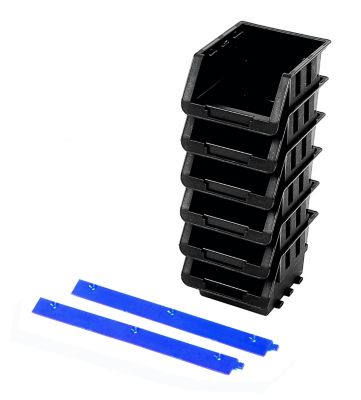
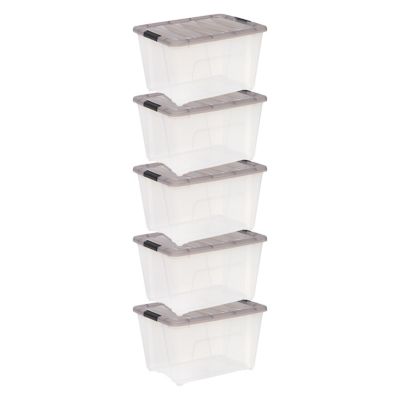
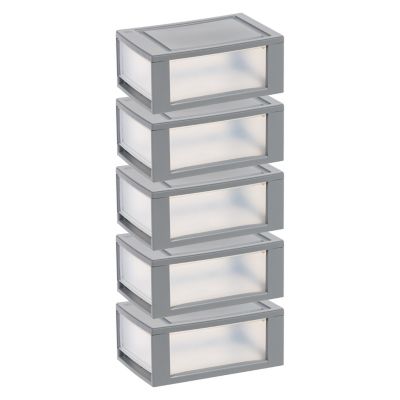
The best fit starts with the space a bin occupies, not just the capacity printed on its label. Exterior dimensions determine whether a container clears a shelf opening, slides beneath a workbench, or fits through a utility-room doorway. Interior dimensions determine whether longer tools, boxed supplies, or tall bottles can sit properly inside. Tapered walls, rounded corners, and recessed handles can reduce the usable space compared with the outside measurements. Lid clearance matters, too, especially beneath low shelving or when a hinged cover needs room to swing open. Stackable storage bins generally rely on shaped rims, recessed lids, or interlocking surfaces to help keep one container seated on another. Matching footprints and compatible stacking designs matter more than similar appearance; bins from different systems should not be assumed to stack securely together. Some containers also nest when empty, saving space between jobs, but nesting and stacking are separate features. Access style makes another practical difference. Open-front bins keep frequently reached-for parts visible and accessible without removing the container above them, provided the opening remains clear. Full-height totes provide more enclosed storage, although reaching the bottom container may require lifting others first. For covered storage,
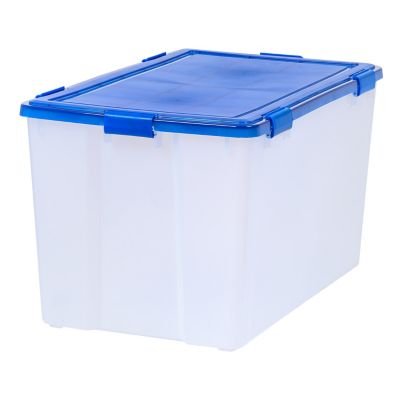
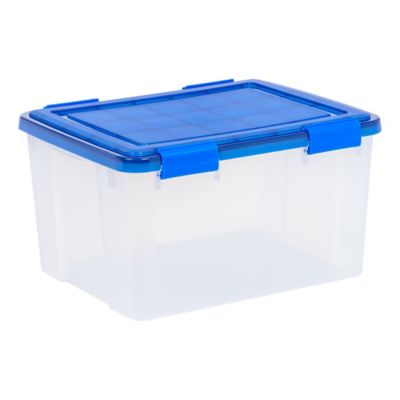
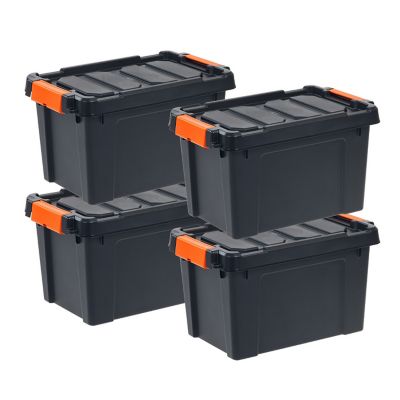
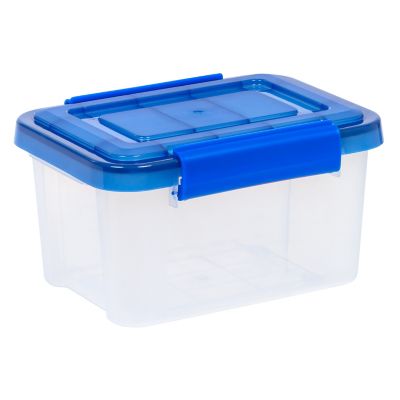
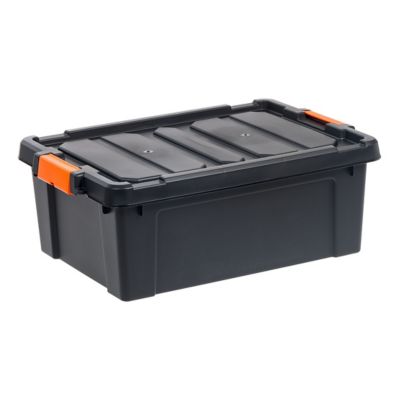
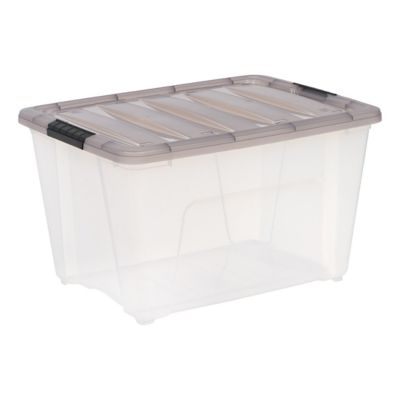
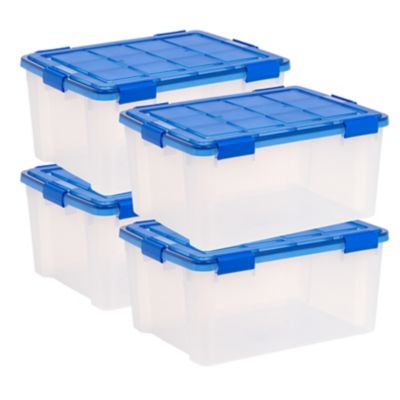
Heavy Duty Storage Bins With Lids offer another option to consider when comparing closure styles and access needs. Snap-on lids, hinged covers, and latching designs have different handling requirements, and a lid alone does not establish a watertight seal. A gasketed closure may offer added protection, but any water-resistance claim needs support from the manufacturer's rating. Handles deserve the same attention as lids. Molded grips and folding handles should provide enough room for a comfortable hold, including when wearing work gloves. Before settling on a size, picture the container fully loaded and the route it will travel. A bin that fits the shelf but takes an awkward lift to reach it can make daily storage harder instead of easier.
Good organization holds up better when the layout matches how supplies move through the day. Frequently needed repair parts belong within easy reach, while less frequently needed equipment can occupy other suitable spaces without blocking access. Clear walls make contents easier to identify at a glance; solid-color containers paired with readable labels can keep categories distinct across a busy shop. Labels on the outward-facing end help when bins sit close together, and a short contents list can save digging through several containers for one fitting. Dividers, where compatible, help separate small hardware that would otherwise collect in the bottom. Heavy contents belong low in a stack, with every container resting on a flat, stable surface and fully seated in the stacking position. Manufacturer height and load limits still apply, and a stack should never become a step for reaching something overhead. Shelving needs its own suitable load rating, including support for the combined weight of containers and contents. Care is usually straightforward, but the material and closure design set the rules. Empty containers can often be wiped or washed with mild soap and water, then dried thoroughly before refilling. Strong solvents and other cleaners may harm certain plastics, so care instructions matter. Cracks near handles, distorted rims, damaged latches, or a bowed base are reasons to reassess whether a bin can safely carry or support its intended load. Sharp tools may need protective covers or a suitable liner to keep edges from cutting into the container. Liquids and chemicals require containers specifically suited to their contents; an ordinary storage tote is not a substitute for approved containment. Food and animal feed likewise call for storage explicitly intended for that purpose. With sensible sizing, compatible stacking surfaces, and attention to load limits, heavy-duty stackable storage bins can turn scattered supplies into a practical arrangement that is easier to reach, move, and put back after the job.