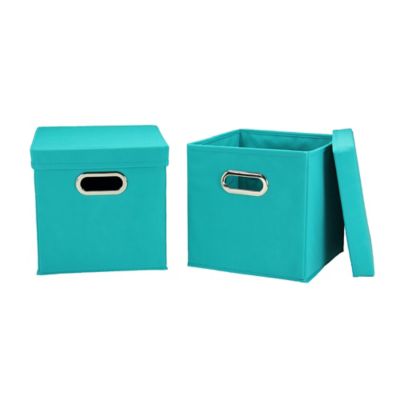
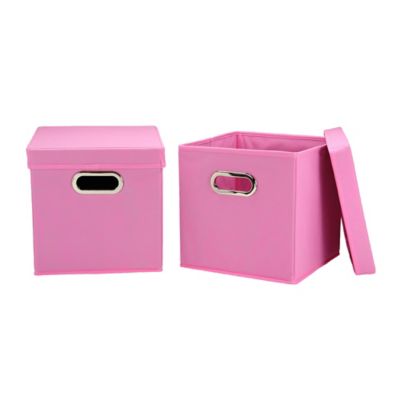
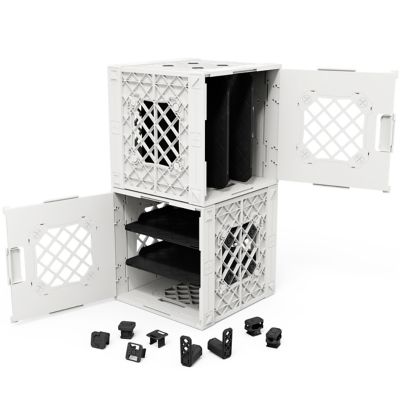
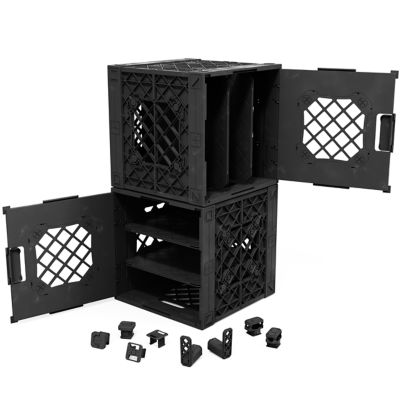
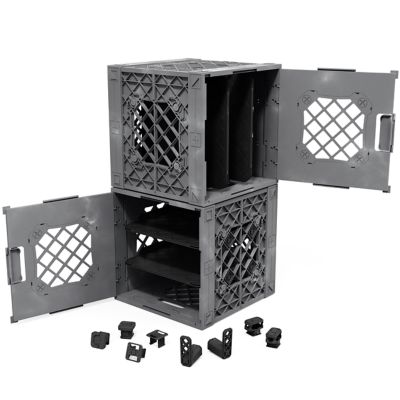
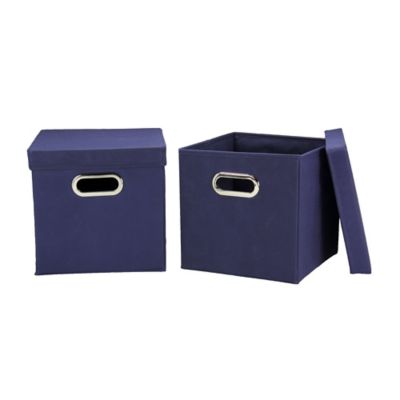
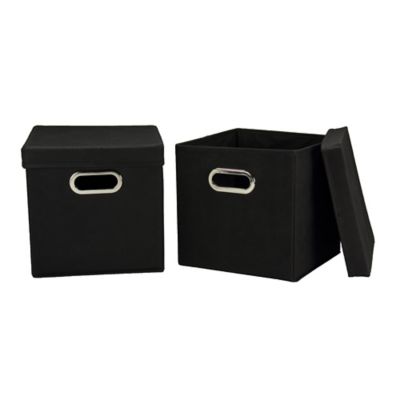
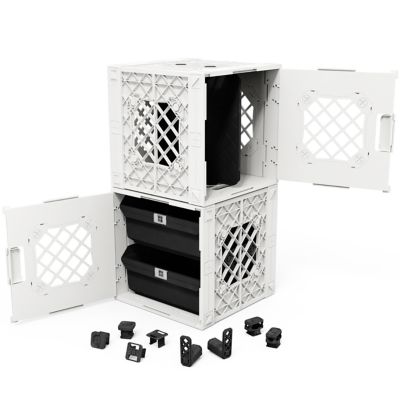
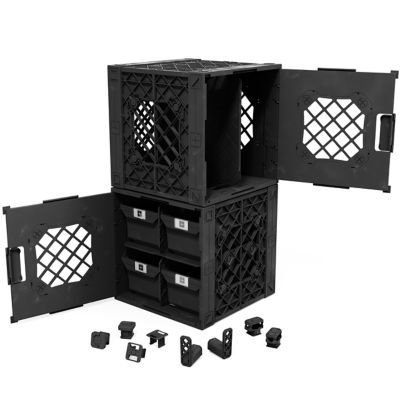
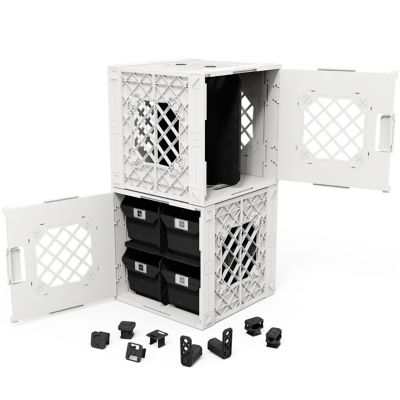
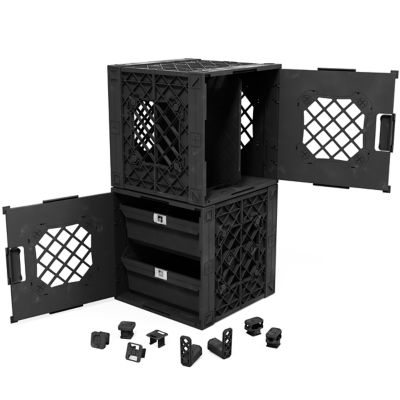
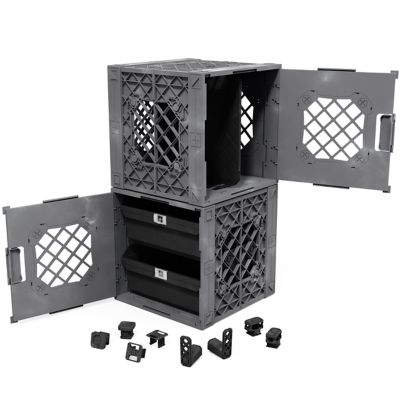
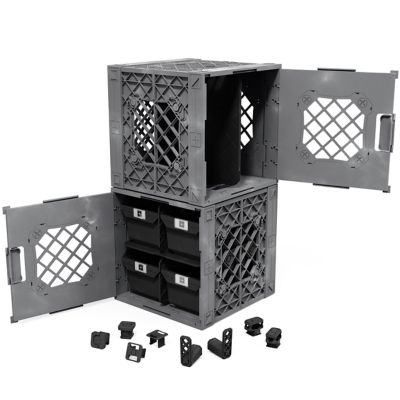
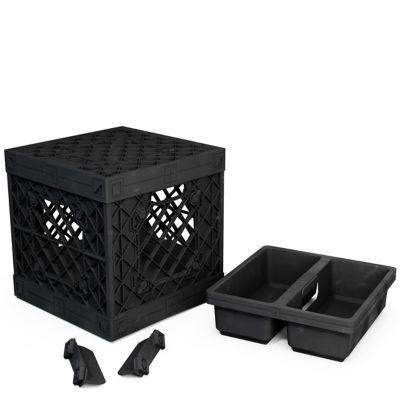
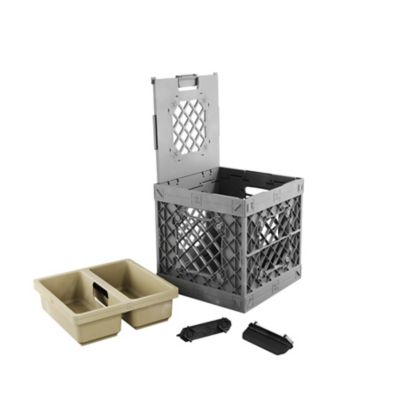
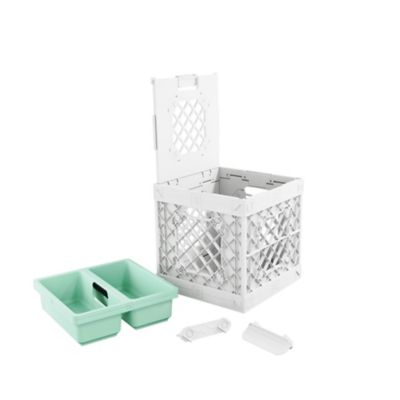
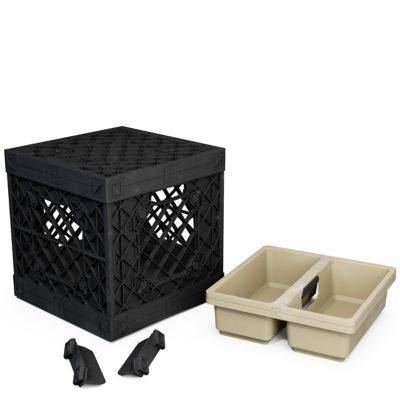
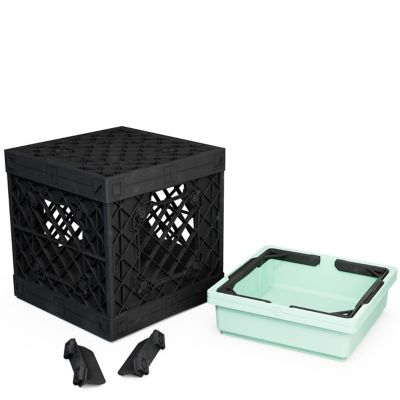
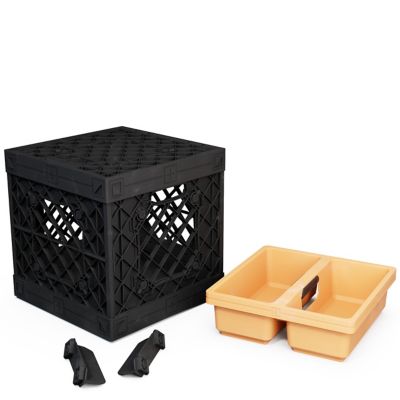
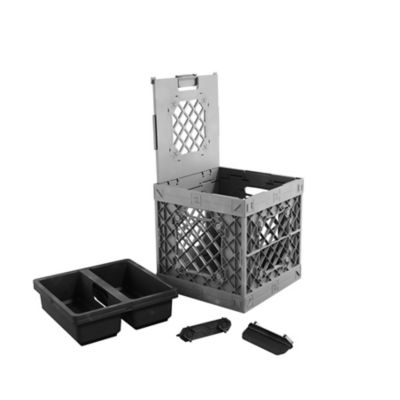
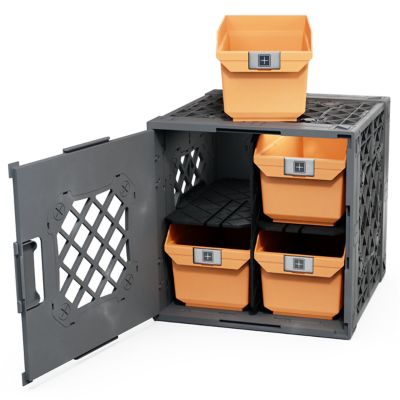
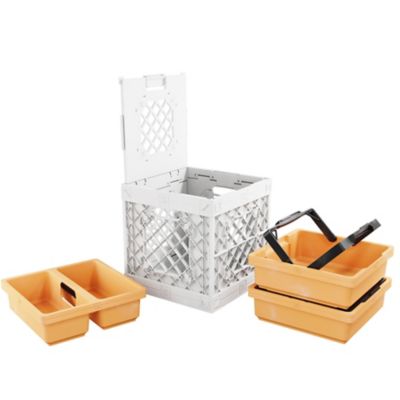
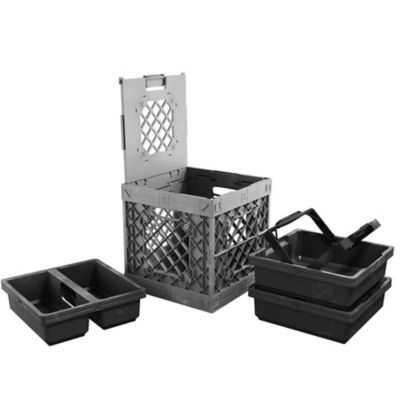
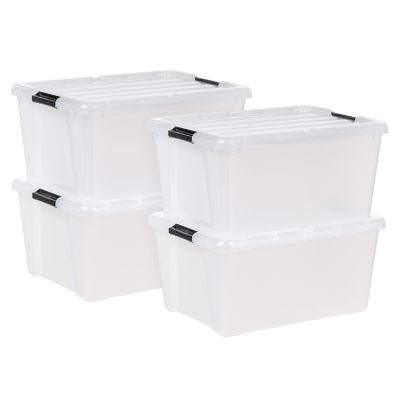
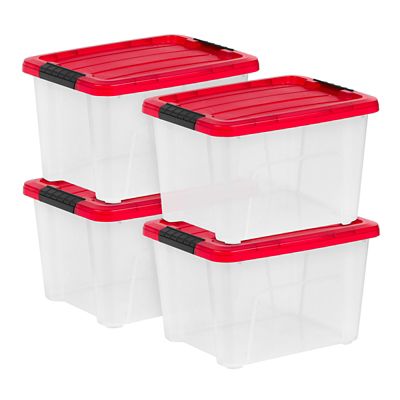
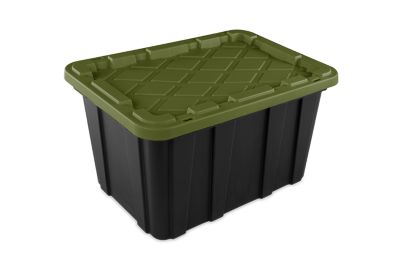
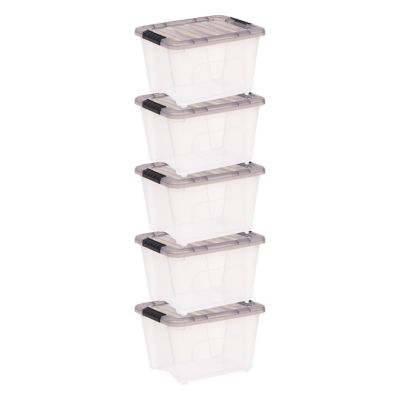
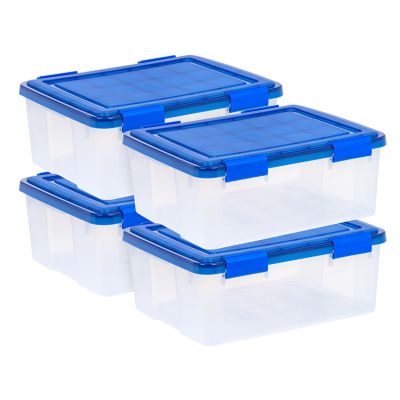
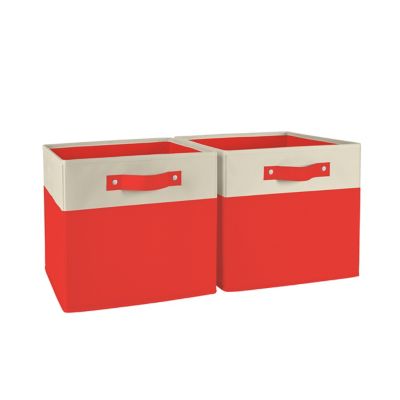
Stackable plastic storage cubes come in two main styles: modular cube shelving and individual stacking bins. Modular shelving puts several open compartments in one frame, with panels or sections that join to form a grid. It works much like a row of cubbies, giving each group of belongings a spot that’s easy to see and reach. Individual bins stack one on top of another, so a short stack can fit at the end of a workbench or beside a laundry shelf without taking up a whole wall. Access makes a big difference between the two. An open-front bin lets someone reach into a lower compartment without lifting the bins above it. A bin with a top lid keeps the contents covered, but anything stacked above it typically has to come off before the lid can open. That’s a reasonable trade for spare supplies that only come out once in a while. For things that need to stay covered between uses,
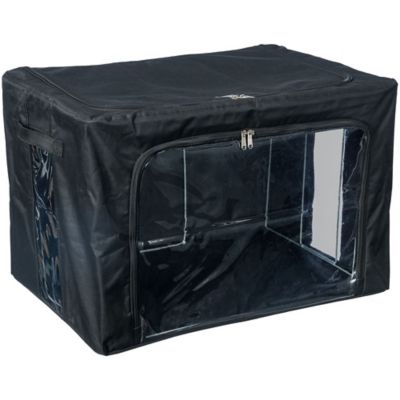
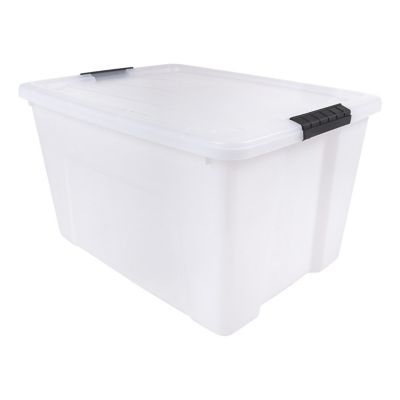
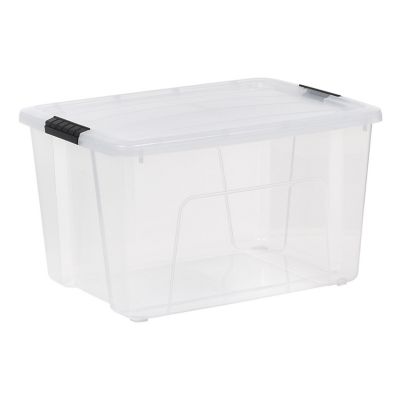
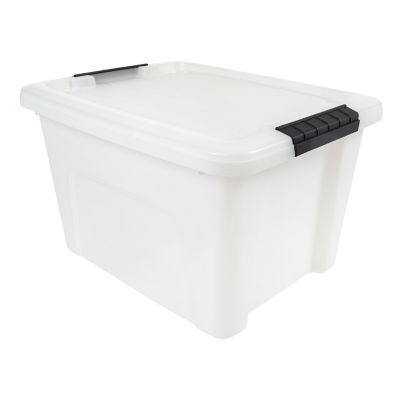
Stackable Storage Totes With Lids offer another way to make the most of vertical space. A lid can help keep sawdust or lint off the contents, though a lidded bin isn’t necessarily airtight or watertight. Clear sides make it easier to spot a roll of tape or a spare spool of twine without opening several bins. Solid sides hide the jumble of cords and small parts, and a label on the front makes it clear what belongs where. Some bins also nest inside one another when empty. Nesting saves room when the bins aren’t needed, while stacking keeps the compartments separate and usable when they’re full. A bin may do both, but one feature doesn’t guarantee the other, and bins with matching outside measurements don’t always stack together securely.
Fit comes down to how much room the cubes take up and how much room they leave for the things going inside. Outside dimensions tell whether a stack will clear the shelf above it or sit flush beside a cabinet. Inside dimensions tell whether a folded shop towel will lie flat rather than bunch at the corners. On a tapered bin, the bottom can be narrower than the top, and on an open-front style, the lip can make the opening shorter than the compartment itself. A bin that looks plenty roomy for a tape measure and work gloves might take some maneuvering when it also has to hold a long-handled brush. In a mudroom, a row of shallow cubbies leaves gloves easy to grab on the way out the door, while a deeper compartment has room for folded towels near the dog’s leash. In a garage, front access is handy for fasteners that get reached for throughout a job. The same setup in a sewing room gives fabric and thread separate spots without burying either one. Weight matters just as much as fit, especially when light-looking containers fill up with loose hardware. The rating for a single compartment can differ from the limit for a whole shelving unit or stack. A level, solid surface gives the base even support, and keeping heavier loads low helps prevent a stack from getting top-heavy. For taller shelving, the manufacturer’s directions can clarify whether the frame needs to be anchored and how many sections can be joined safely. A short row may be a better fit in a busy walkway where an elbow or a basket of laundry could catch the corner of a taller stack.
Many molded plastic cubes are made from polypropylene or polyethylene, both lightweight enough to move around easily when the compartments are empty. How well a cube holds up depends on its construction as much as the kind of plastic. A reinforced rim helps a bin keep its shape when it’s lifted, and firmer walls are helpful where the sides carry the weight of another bin. On a modular grid, snug panel connections matter because a joint that shifts every time something slides out can make the whole frame feel wobbly. Stacking rims or tabs should sit fully together, with no rocking at the corners. If a bin has handles, room for a full grip makes a difference when pulling it from a shelf. A wide opening and smooth interior are handy for cleanup, too. Dust from a workbench tends to settle along the inside lip, and lint from folded rags can collect in the corners. A soft cloth with mild soap and water will take care of most everyday messes, and letting the bin dry before refilling it keeps moisture away from cloth and paper. Plastic can scuff when sharp metal edges get dragged across it, so a cube that holds hardware may show wear sooner than one that holds spare towels. Cubes earn their space in a shared room where belongings tend to pile up because nobody knows quite where they go. In a laundry area, a few separate compartments can give clean rags, clothespins, and small mending supplies their own places without taking over the folding surface. A simple stack can also make a practical housewarming gift for someone setting up a first apartment or carving out room for a hobby bench. Where floor space is tight, the appeal is straightforward: separate places for everyday gear, with room to build upward if the system is made to take another level.