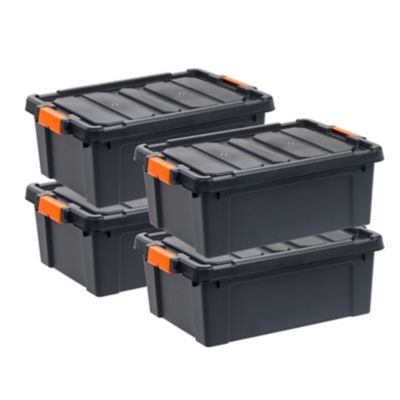
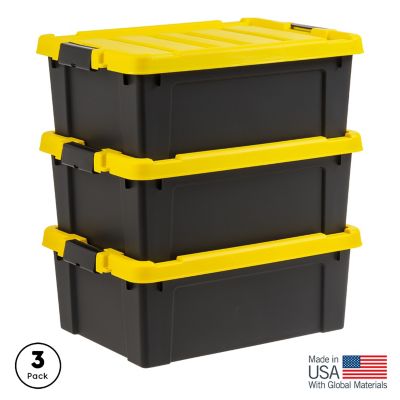
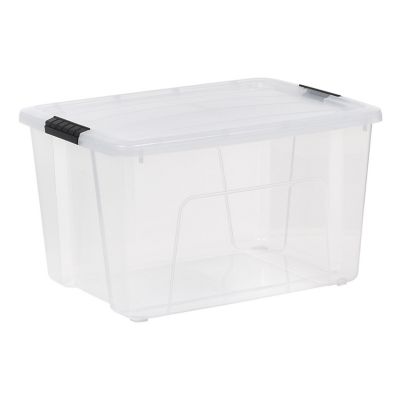
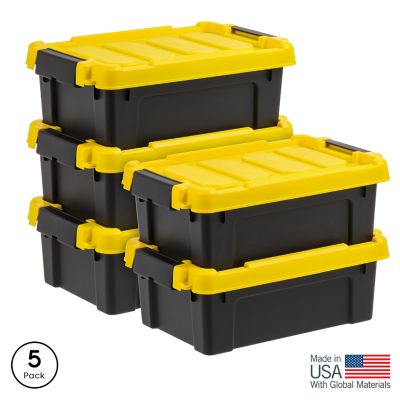
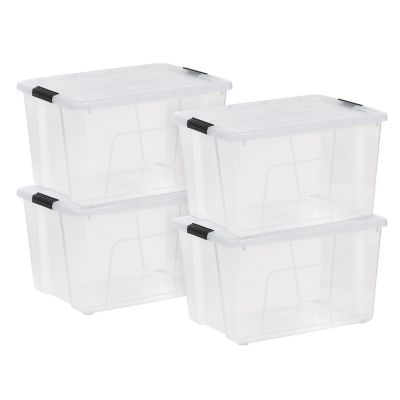
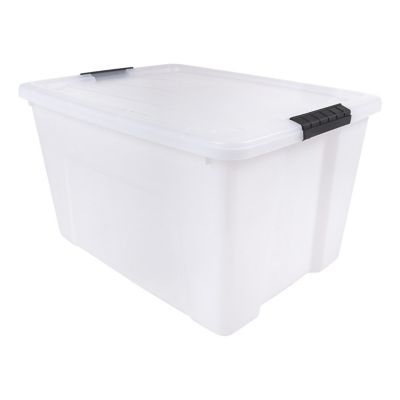
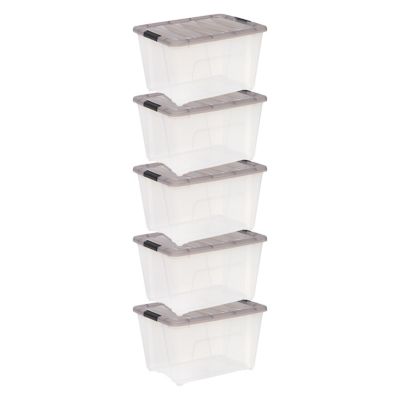
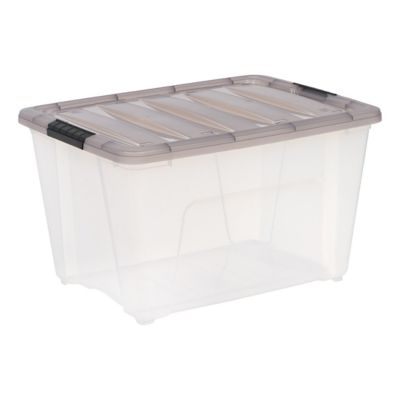
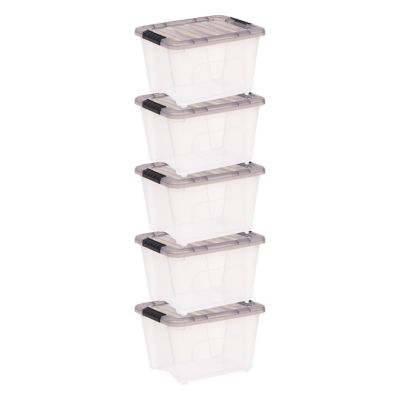
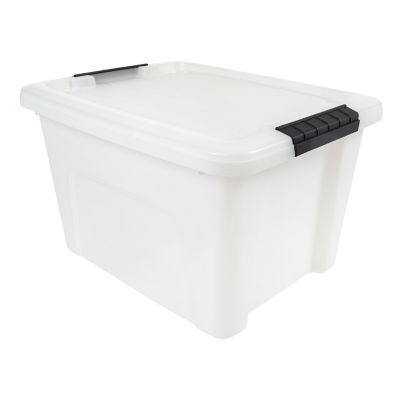
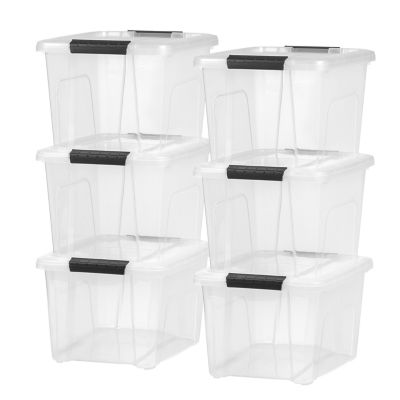
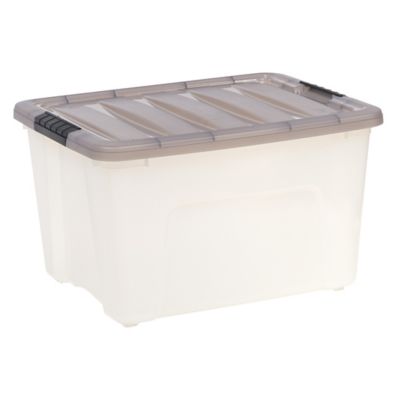
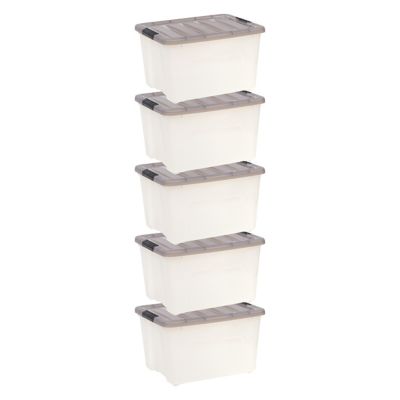
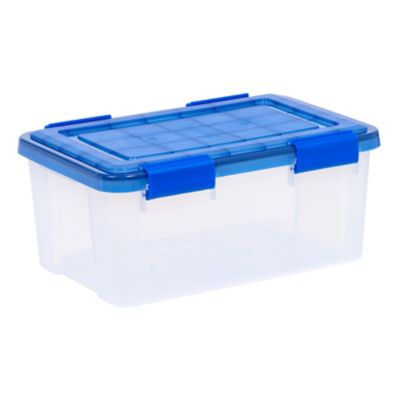
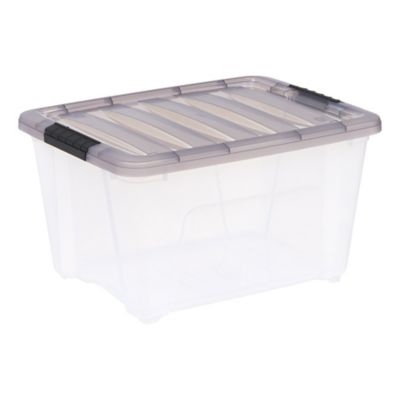
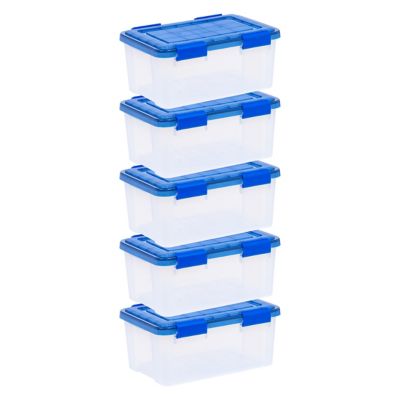
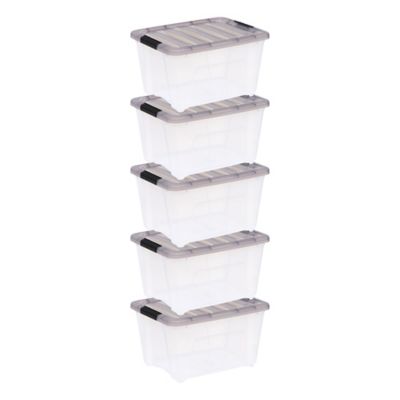
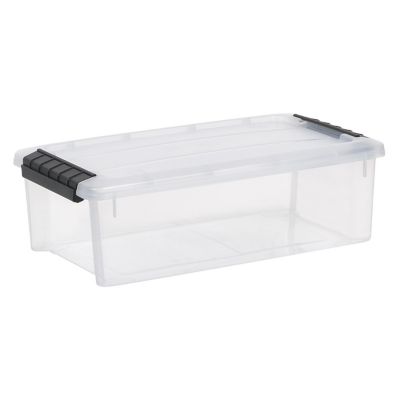
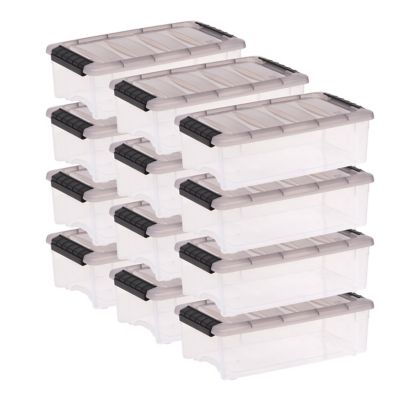
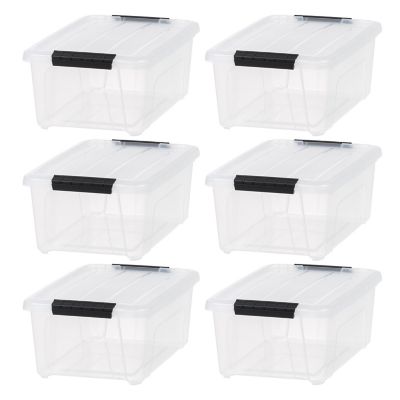
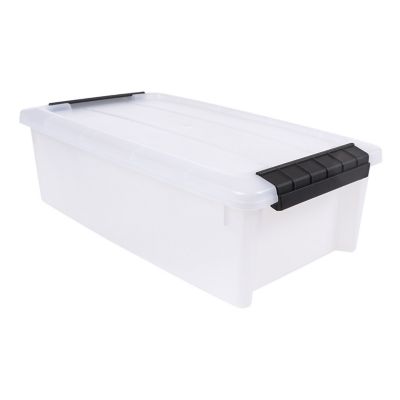
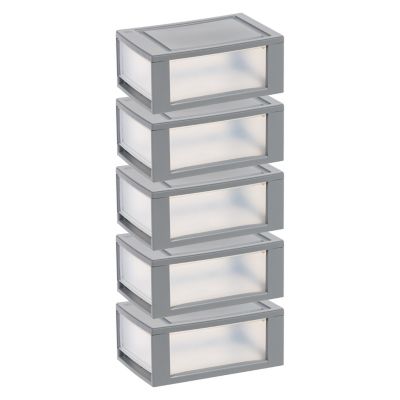
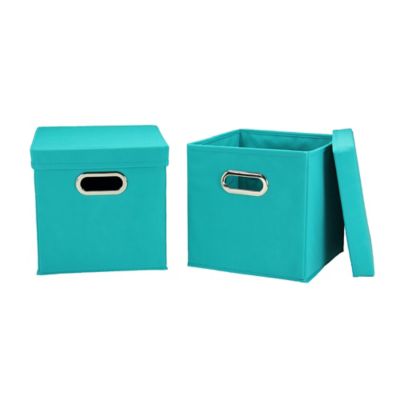
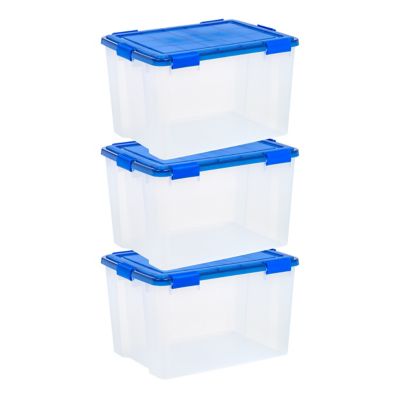
Stackable plastic storage bins help organize closets, pantries, garages and work areas by keeping belongings together and making better use of vertical space. Instead of spreading loose supplies across a shelf or floor, bins give each group a place and let compatible containers sit neatly above one another. That can mean more room beside a workbench, a clearer path through the utility room or less digging through a deep closet. Around a busy home or small farm, the same basic storage approach works for everything from shop rags and spare gloves to sewing supplies and animal grooming gear. Clear plastic makes contents easier to recognize without opening every container, while solid-colored bins keep a busy-looking shelf more visually settled. A label on the outward-facing end helps either style, especially when several containers share the same shape. Lidded bins help keep loose contents contained and reduce settling dust; open-front designs can provide access to small supplies while compatible bins remain stacked. The difference matters when a container gets opened several times a day rather than only occasionally. Stackable and nesting also mean different things: stacking supports filled containers above one another, while nesting lets empty containers fit inside each other. Some designs do both, depending on how the containers or their handles are positioned. Polypropylene and polyethylene are common materials for plastic storage containers, with different blends and construction methods affecting stiffness and flexibility. Wall thickness, reinforced corners, molded ribs and the shape of the base also influence how a bin handles everyday work. A smooth interior is easier to wipe out after carrying dusty gear, while rounded inside corners leave fewer tight spots for grime to collect. For homes where storage moves between a closet, mudroom and workshop, those small construction details can matter just as much as color or overall size. A bin that fits its job keeps the space working without turning every small task into a search through a pile.
Fit starts with the space a bin occupies, not just the capacity printed on its label. Exterior measurements need to account for handles, lid edges and any latches that extend beyond the container walls. Interior measurements tell a different story, especially with tapered sides that leave the bottom narrower than the top. A container may fit on a shelf yet still be too narrow inside for a flat tray, a long tool or a folder that needs to lie straight. Closet openings, shelf depth and the clearance above a stack all affect how comfortably bins move in and out. There also needs to be enough room to grip the handles without scraping knuckles against a shelf upright. Broad, shallow bins can keep small parts from disappearing beneath layers of other supplies, while deeper containers suit larger, lighter belongings. Extra capacity is not always an advantage: a roomy bin filled with metal hardware can become difficult to lift long before it looks full. Keeping heavier contents in smaller containers makes handling more manageable, particularly when storage sits below a bench or above waist height. Stack stability depends on matching bases and lids designed to work together, rather than balancing containers that happen to have similar dimensions. Molded recesses, raised lid edges and interlocking shapes can help compatible bins stay aligned, but stacking limits and load ratings still come from the manufacturer. A carrying capacity describes what a container can hold; a stacking rating addresses the weight it can support from above. Those are not necessarily the same number. Firm, level support beneath the bottom bin matters, too, and shelf weight limits include the combined weight of every container and its contents. A sensible arrangement keeps the heaviest bins low and lighter ones higher, with everyday supplies within easy reach. That leaves less lifting between a quick repair and the part needed to finish it, while keeping tall stacks from becoming an obstacle in a narrow work area.
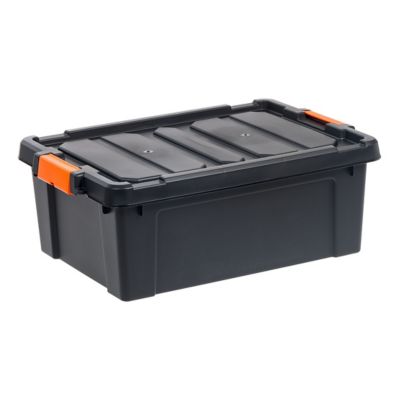
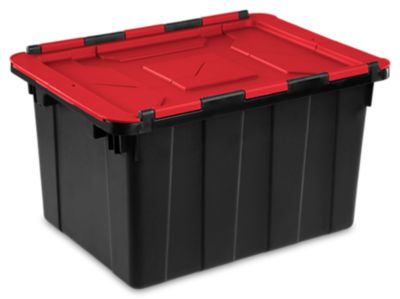
Day-to-day upkeep is another reason plastic bins fit so many working spaces. Many can be emptied and wiped with a soft cloth and mild soap, followed by rinsing when the care directions allow it. Letting the inside dry fully before replacing the contents helps prevent trapped dampness, particularly around fabric, paper and metal tools. Abrasive scrubbers and strong solvents can scratch or damage some plastics, so the container’s care instructions matter more than a one-size-fits-all cleaning routine. Lids, hinges and latches deserve an occasional look as well; a crack near a handle or a warped lid can affect carrying or stacking. For heavier loads,
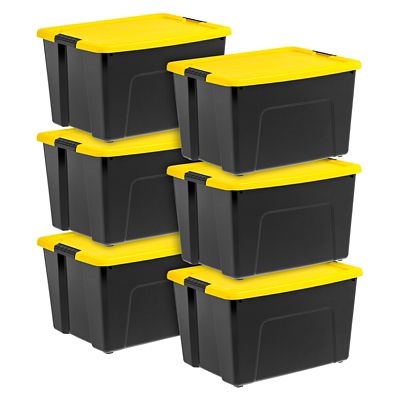
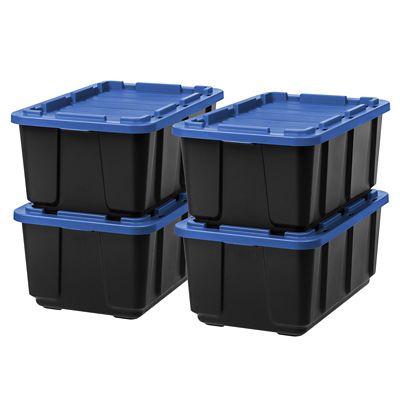
Heavy Duty Stackable Storage Bins are another storage category to consider, with attention to the stated load limits and the way the container supports weight. No storage bin should be treated as a step stool or seat unless it is specifically rated for that purpose. Intended use also matters beyond weight. Pantry storage calls for food-contact suitability whenever unpackaged food touches the plastic, and an ordinary lid should not be assumed to form an airtight or pest-proof seal. Animal feed needs a container intended for that job, along with cleaning and handling practices that keep old residue from building up. Household chemicals should stay in their original labeled containers and separate from food, feed and animal-care supplies; an outer storage bin does not replace the handling directions on the package. In shared spaces, clearly marked bins help keep repair supplies apart from household belongings and make it easier to put things back where they belong. Leave walkways, doorways and access to electrical panels clear rather than squeezing in one more stack. The best-fitting stackable plastic storage bins support the work already happening in a space: keeping contents together, making them easier to reach and leaving enough elbow room to get the next job done.