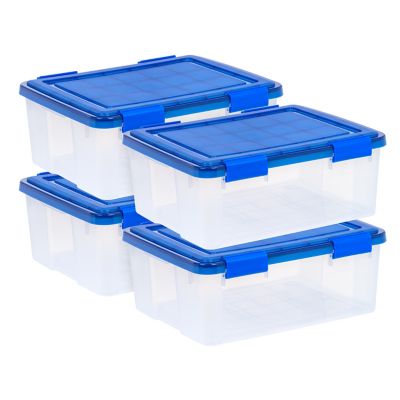
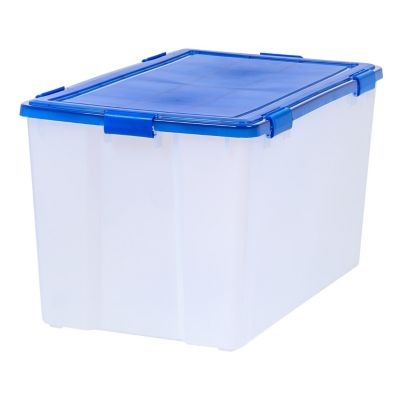
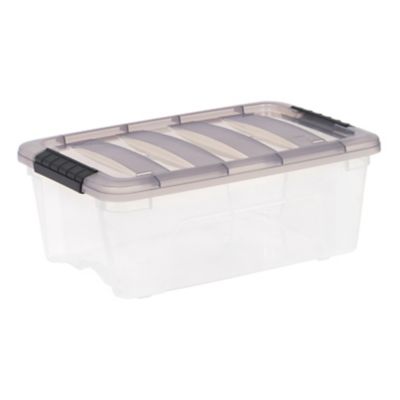
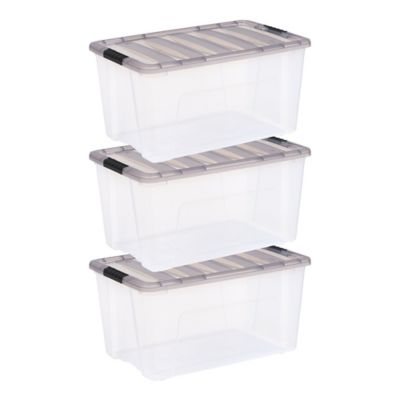
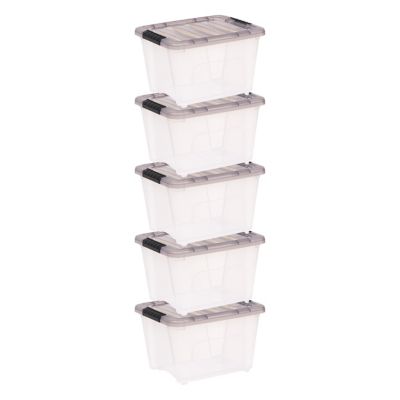
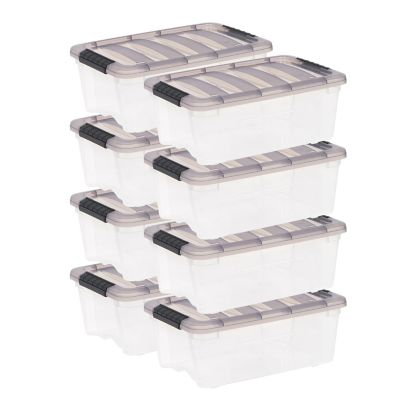
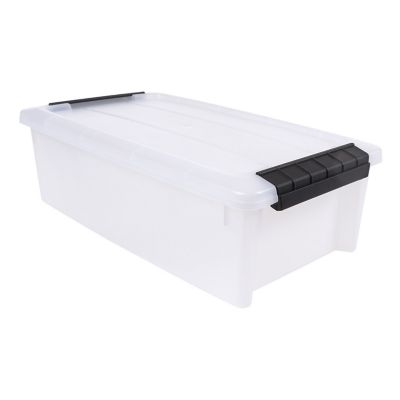
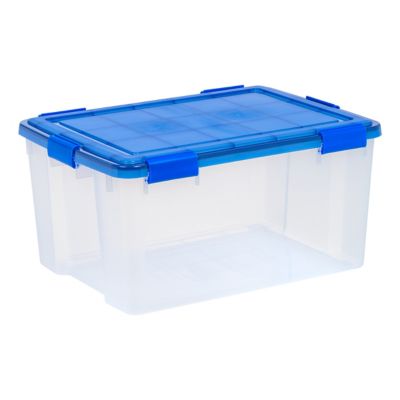
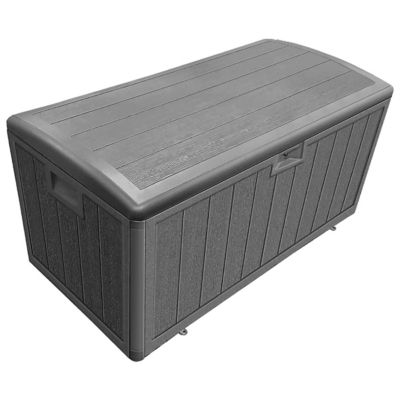
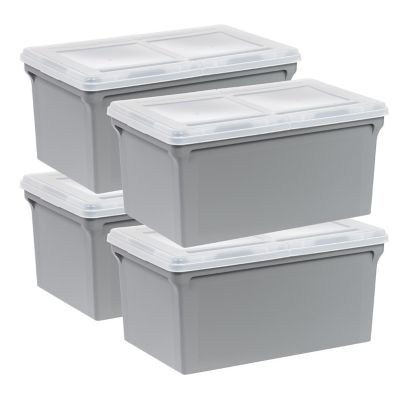
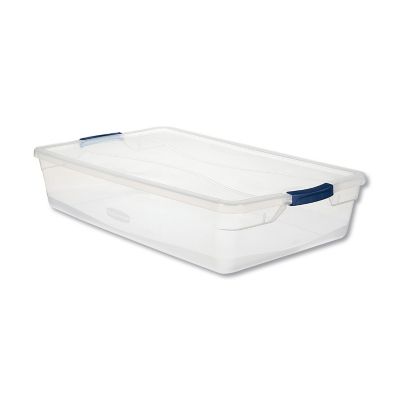
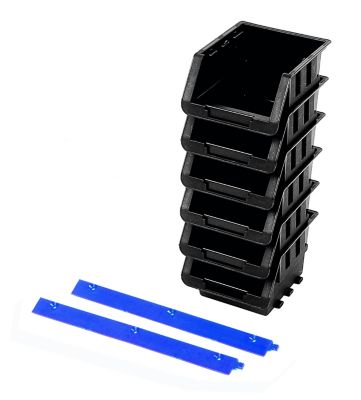
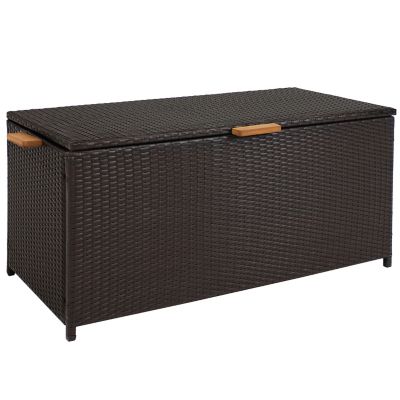
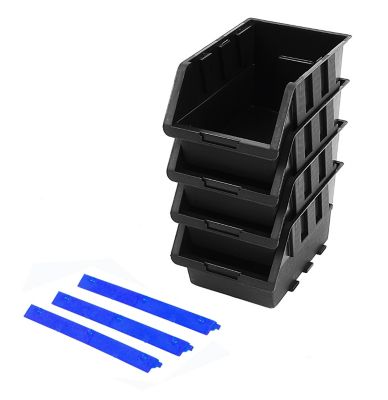
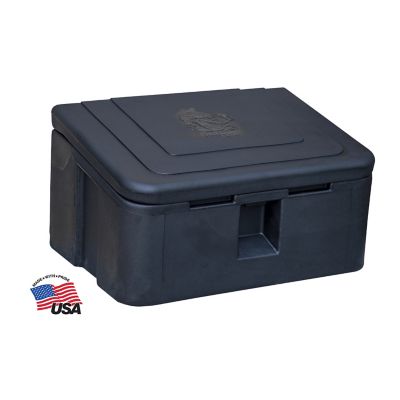
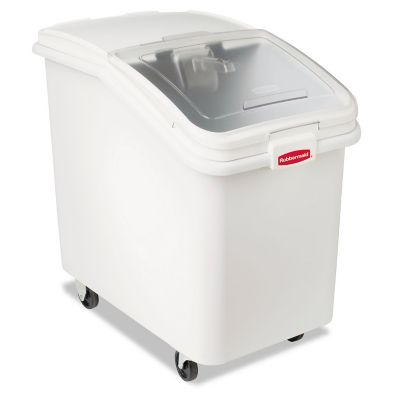
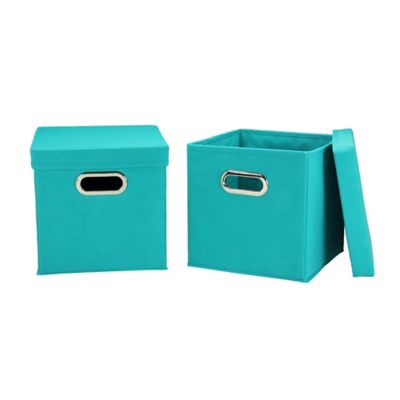
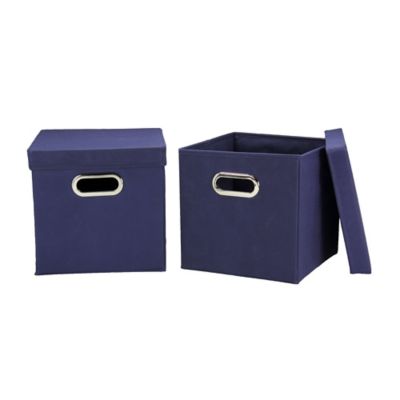
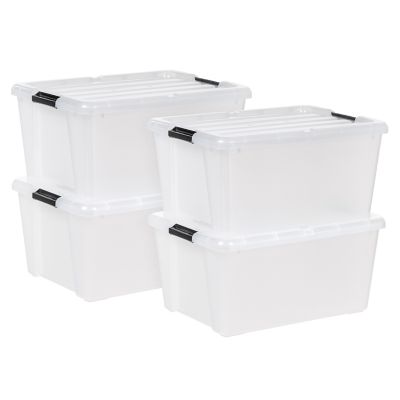
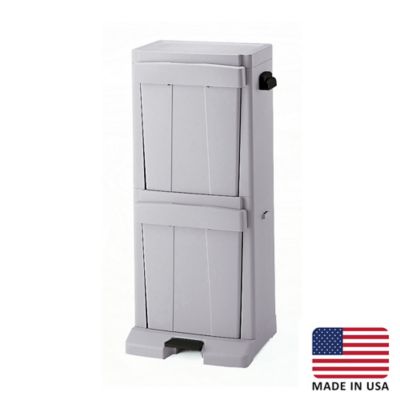
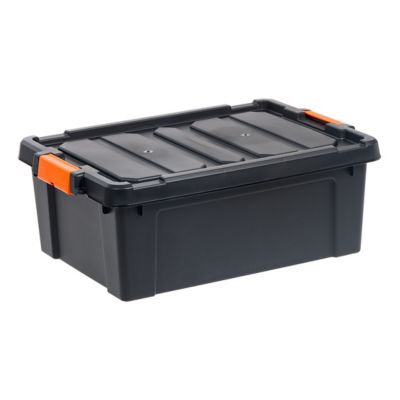
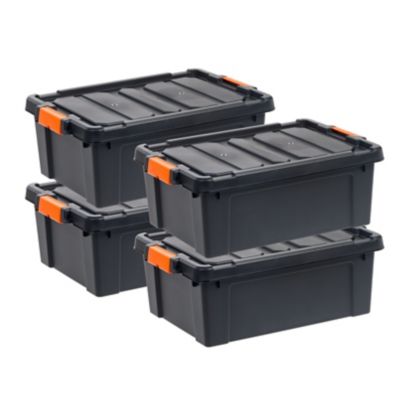
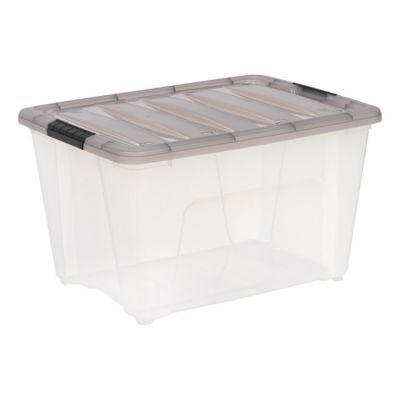
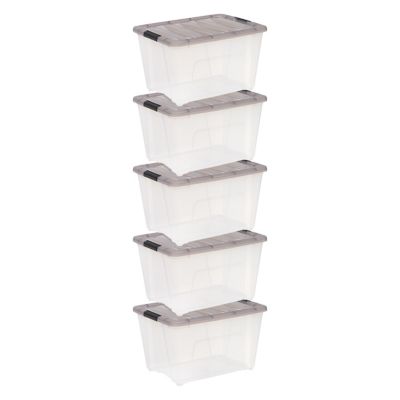
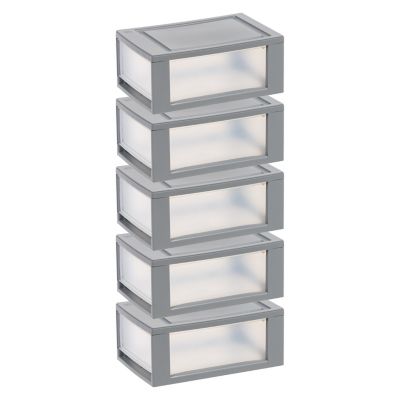
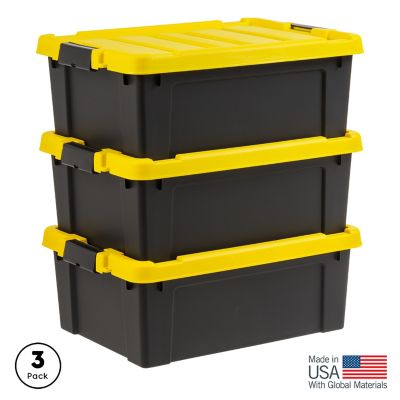
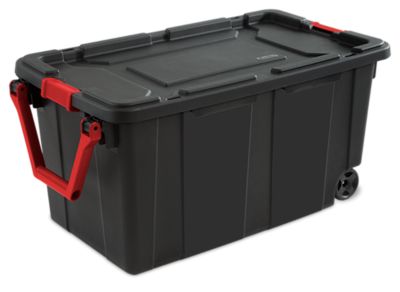
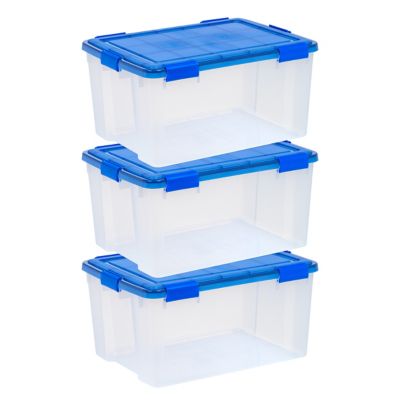
Storage bins with lids are a handy way to keep everyday spaces under control, whether you are organizing a busy mudroom, clearing out the tack room, or making room in a crowded closet. A good lidded bin gives loose items a place to land and helps keep dust, dirt, moisture and curious pets away from what is inside. They are useful for far more than seasonal decorations. Use them for extra blankets, outgrown clothes, shoes, craft supplies, children’s toys, camping gear, canning supplies, garden gloves and small household tools. In a farmhouse, apartment, workshop or garage, bins can help turn a pile of odds and ends into a stack that is easier to find and move. During the cooler months, they are especially useful for putting away warm-weather items while keeping cold-weather gear close at hand. A bin tucked beneath a bed can hold spare quilts, while a larger container on a shelf can keep hats, gloves and scarves together near the back door. In a laundry room, lidded storage helps keep cleaning cloths, pet towels and extra supplies from taking over the shelves. For a child’s room, bins make it easier to gather building blocks, stuffed animals and dress-up clothes before bedtime. Out in a shed or garage, they can help separate fasteners, work gloves, extension cords and vehicle-care supplies so everything is not buried in one deep corner. If a bin will be used around a barn or workshop, look for a sturdy build and a lid that stays put when the container is lifted or moved. Smooth surfaces are easier to wipe clean after a dusty project, while reinforced sides and strong handles are helpful when the contents are heavy. A clear or partly visible design can save time when you need to locate something quickly, while an opaque bin gives stored belongings a tidier, less cluttered appearance.
Choosing the right storage bin starts with the space and the items you plan to store. Measure shelves, cubbies, truck-bed toolboxes and the open area beneath furniture before buying, and leave enough room to lift the lid without scraping a wall or another shelf. Tall bins are useful for bulky belongings, but shorter containers often make better use of low shelves and are easier to carry when full. Pay attention to capacity as well as outside dimensions. A bin that looks roomy may hold less than expected if the walls taper inward, and a large container can become awkward when packed with books, pet food accessories or hand tools. For heavier contents, choose a bin with comfortable handholds and a shape that is easy to balance against your hip. Stackable storage bins can make good use of vertical space, but they should sit level on a solid surface, with heavier containers on the bottom and lighter ones above. Lids come in several useful styles, including simple lift-off tops and designs that attach more securely to the base. A snug-fitting lid is a smart choice for items that need extra protection from dust, while a stronger seal may be helpful for belongings stored in a damp utility room or outbuilding. No household container is a substitute for careful protection of items that can be damaged by standing water, extreme heat or freezing temperatures, so keep sensitive contents in a suitable indoor location. For outdoor-adjacent storage, place bins off bare ground and away from roof drips, and make sure everything is dry before closing the lid. Labels are worth the small effort, especially when several containers look alike. A simple note such as “winter gear,” “pet supplies” or “holiday lights” can save a chilly trip through the garage when you are trying to find one particular item. For more ways to organize tools, sports equipment and household overflow, explore
Garage Storage Bins.
Lidded bins also make practical gifts for new homeowners, renters settling into a first place, college students, teachers, crafters and anyone who seems to have a little more stuff than shelf space. They are useful for a family preparing a nursery, a neighbor who is cleaning out a barn or a friend who enjoys weekend projects but needs a better way to sort supplies. A few matching containers can give a storage area a pulled-together look without requiring a full remodel, and different sizes allow each bin to serve a particular job. Consider the recipient’s routine when selecting a size and style. Someone who travels to livestock shows may appreciate easy-to-carry bins for grooming supplies, lead ropes and paperwork. A gardener might use them for seed-starting supplies, plant ties and hand tools, while an outdoors enthusiast can keep flashlights, camp cookware and trail accessories together between trips. In homes with dogs and cats, bins with secure lids are useful for toys, leashes, grooming items and spare bedding, though food should be stored in a container made for that purpose and kept according to its label directions. When the weather turns cooler, storage bins can also help with the steady shuffle of household life: summer clothes move out of the dresser, heavier bedding comes off the shelf, and seasonal decorations need a clean, dry place until they are needed again. Keep frequently used items where they are easy to reach, and reserve the highest shelves for belongings that only come out a few times a year. Avoid overfilling containers, since a bowed lid can be difficult to close and a packed bin is harder to carry safely. With the right size, dependable lid and sensible placement, storage bins help make chores simpler and rooms calmer. They keep the little things from wandering, protect belongings between uses and give every corner—from the front entry to the back porch—a better chance to stay neat.