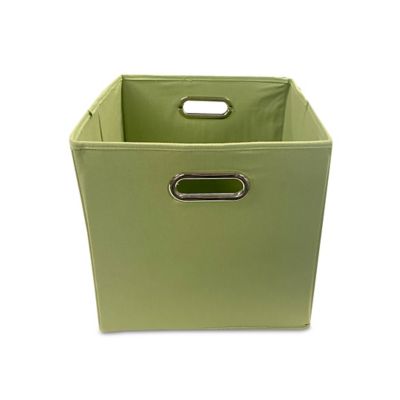
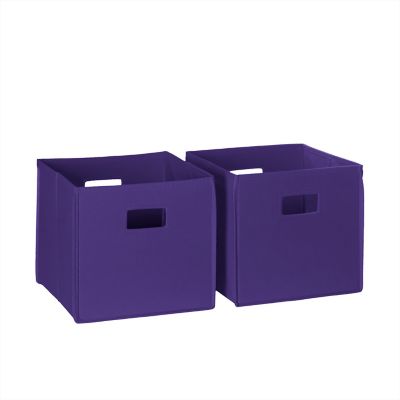
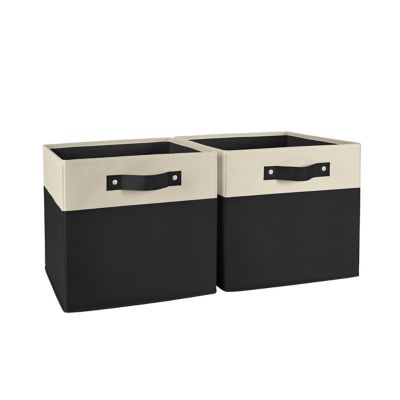
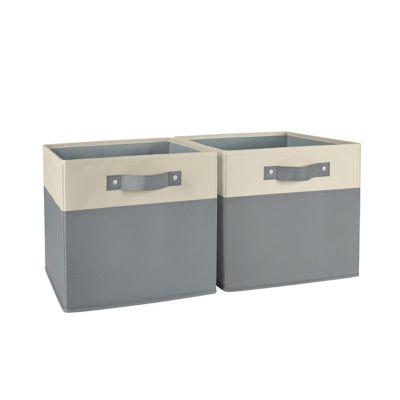
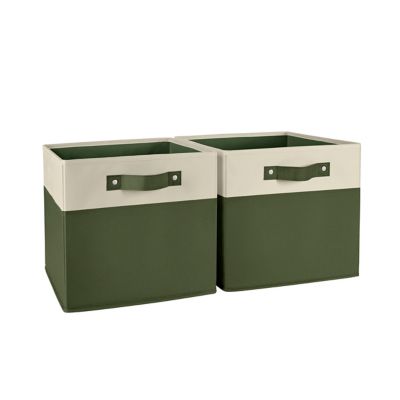
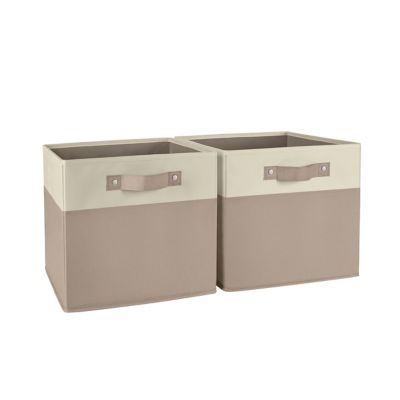
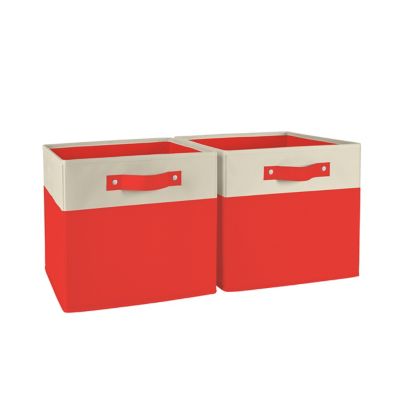
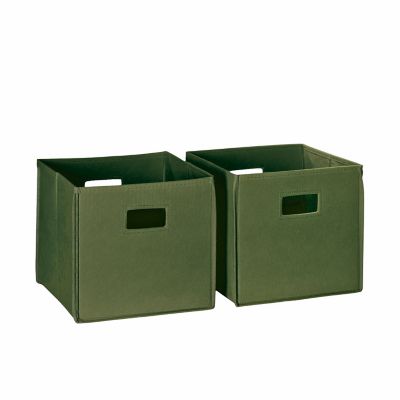
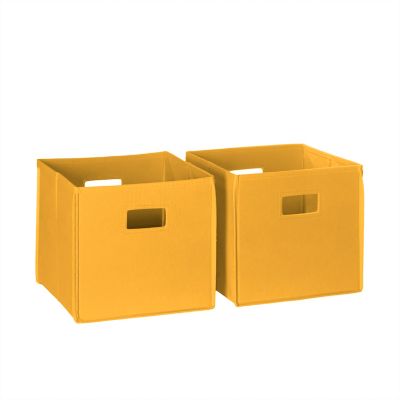
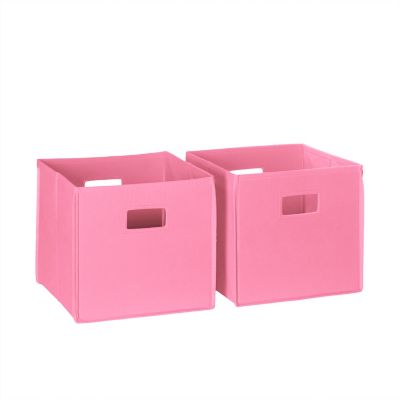
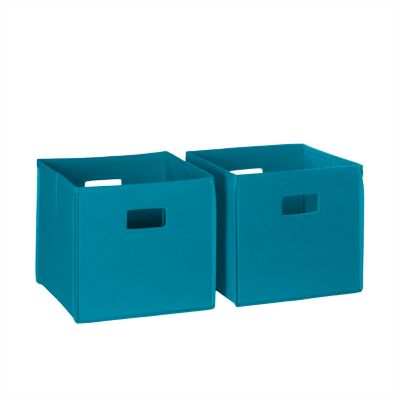
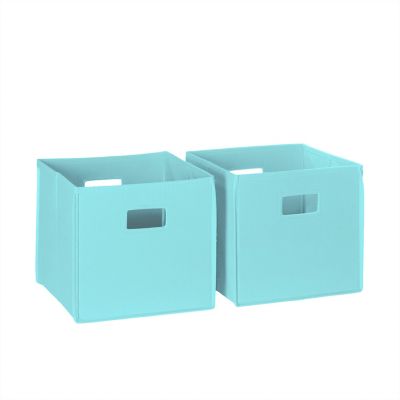
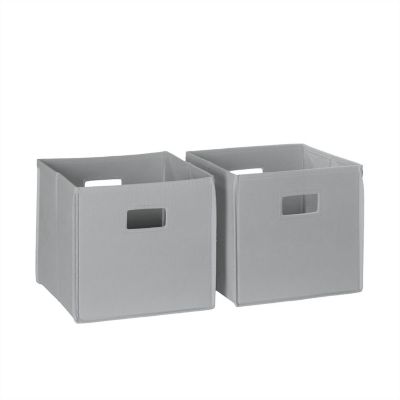
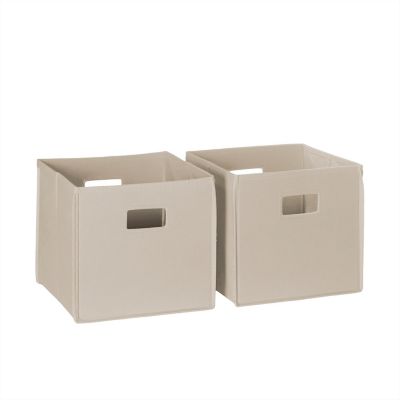
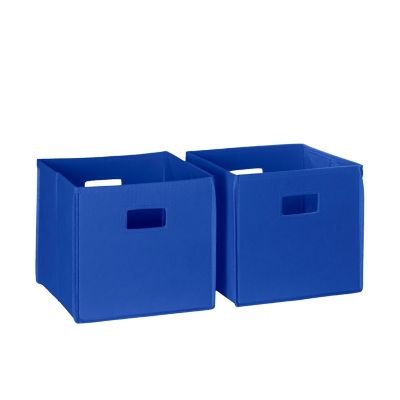
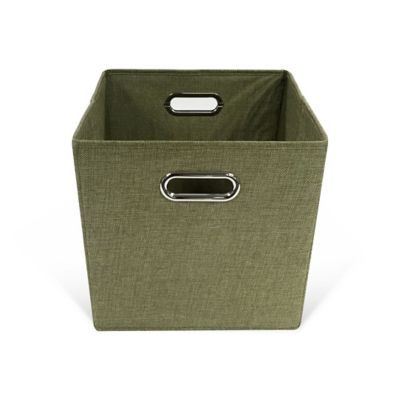
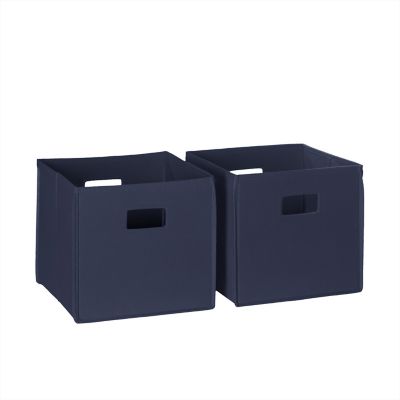
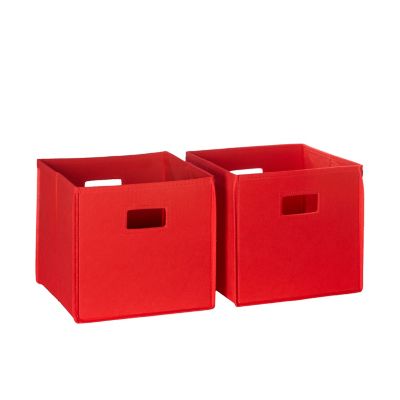
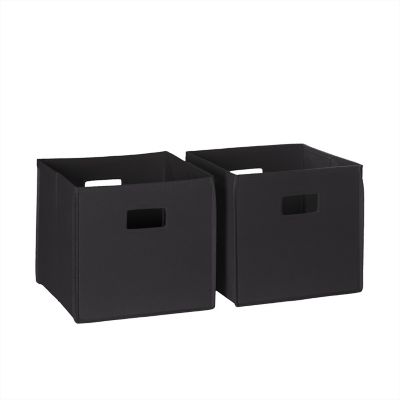
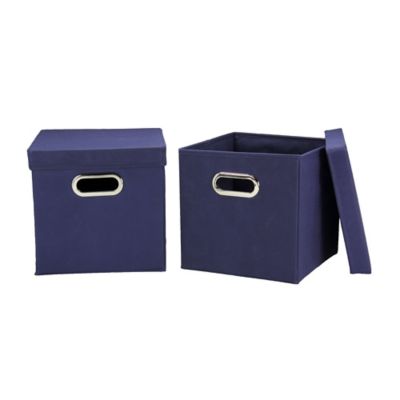
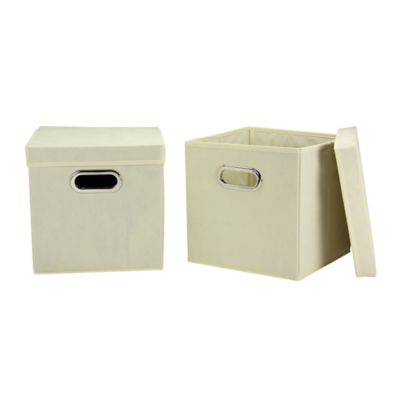
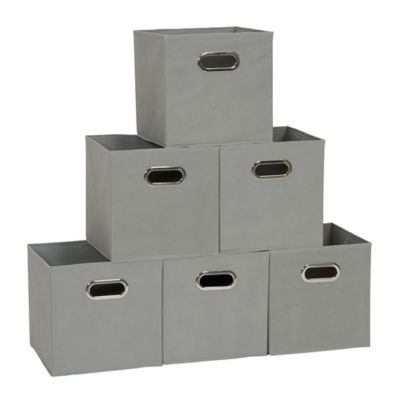
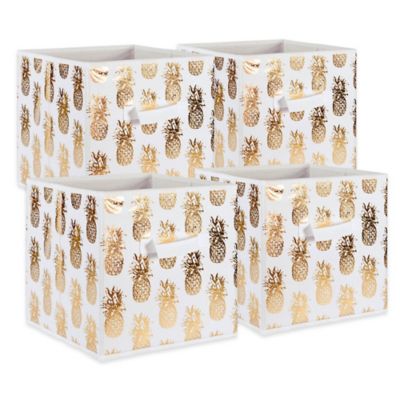
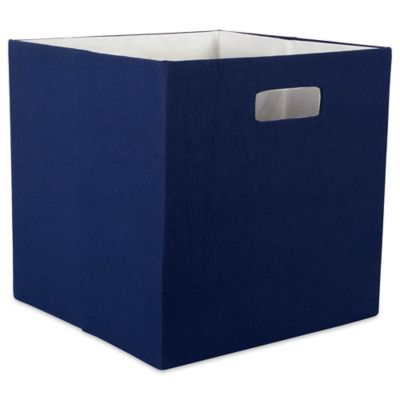
Collapsible fabric storage cubes are a handy way to bring order to the everyday clutter that tends to gather in busy homes, workshops and utility spaces. These lightweight fabric bins fit neatly into cube shelving, bookcases, closets and open cubby units, giving loose items a defined place without adding the hard, bulky look of plastic totes. They can hold folded shirts, towels, blankets, shoes, toys, books, craft supplies, pet accessories, office odds and ends, or small seasonal decorations. A row of matching cubes can make an entryway look tidier, while a few individual bins can tame the laundry room, spare bedroom or mudroom. They are especially useful when routines shift with the seasons—storing lightweight clothing and outdoor gear as the weather cools, keeping extra throws close at hand, or gathering summer toys and picnic supplies before they are tucked away. Since these organizers collapse flat, they are easy to keep in a closet, under a bed or on a high shelf when they are not needed. That fold-down design also makes them a thoughtful gift for college students, new homeowners, renters, grandparents setting up a play space, or anyone settling into a smaller home. Fabric storage cubes are simple enough for a child to use and useful enough for a busy household, which makes them a practical choice for birthdays, housewarming gifts and back-to-school organization. Handles on the front or sides make it easier to pull a full cube from a shelf or carry it from room to room. A handle can be particularly helpful when a bin moves between a child’s bedroom and playroom, from the closet to the laundry area, or from the house to a nearby tack or gear room. For longer, lower shelves or furniture with a different layout,
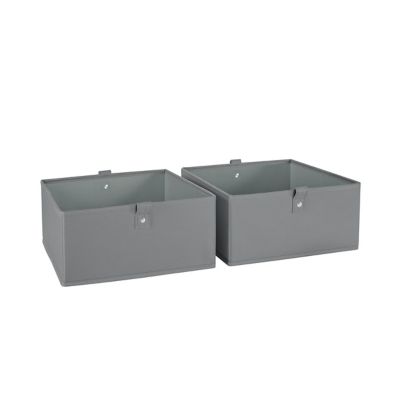
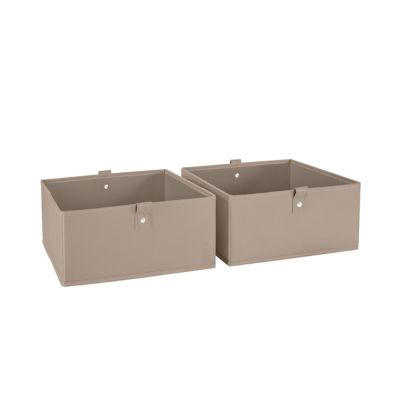
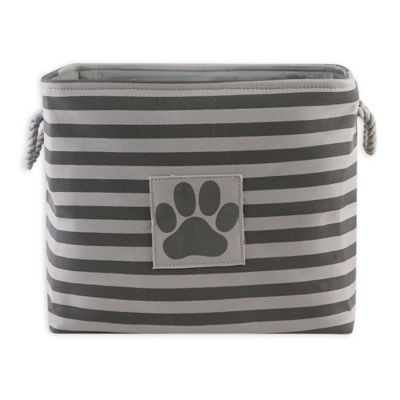
Rectangular Fabric Storage Bins may offer a better fit. Choosing the right shape and size helps keep the storage area useful instead of crowded.
When comparing collapsible fabric storage cubes, start with what you plan to put inside and where the cube will live. Common sizes include cubes around 11 inches or 13 inches, but actual measurements can vary, so measure the shelf opening before ordering and leave enough room for the bin to slide in and out. A smaller cube may be better for socks, toys, toiletries or office supplies, while a larger one can handle folded sweatshirts, bedding or a stack of towels. Pay attention to the interior depth as well as the width and height; a cube that fits the opening may still be too shallow for bulky items. Reinforced side panels and a firm bottom help a fabric bin hold its shape, especially when it is pulled from a shelf often. Strong seams and finished edges are also worth looking for, since overpacked bins may bow, sag or put stress on the stitching. Fabric cubes are made for light to moderate household storage, not heavy hardware, sharp tools, wet items or anything that could puncture the fabric. Keep heavier supplies in a sturdier container, and avoid cramming the cube until the sides bulge. Soft-sided construction is part of the appeal, but it works best when the contents are packed evenly and the bottom is supported. Handles should feel securely attached and be positioned for a comfortable grip, particularly if the bin will be moved regularly. Many fabric organizers can be spot-cleaned with a damp cloth, though care instructions differ, so check the label and allow the fabric to dry fully before storing anything inside. For children’s spaces, cubes with easy-to-grab handles and simple, durable construction can make cleanup feel more manageable; use them for stuffed animals, dress-up clothes, building pieces or picture books. In a home office, they can keep printer paper, cords and notebooks out of sight. In a pet area, they can gather leashes, grooming items, toys and spare blankets, while a closet cube can separate gloves, scarves and hats during the cooler months. Neutral colors blend into living spaces, while brighter shades can help children remember where things belong. A well-chosen set can turn a crowded shelf into a dependable drop zone, making it easier to put things away at the end of a long day and find them again when they are needed.