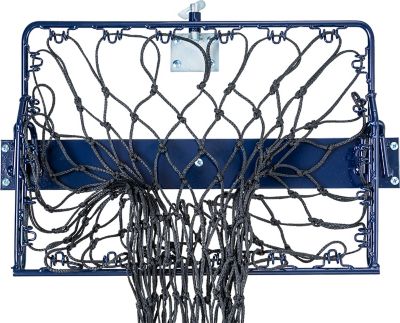
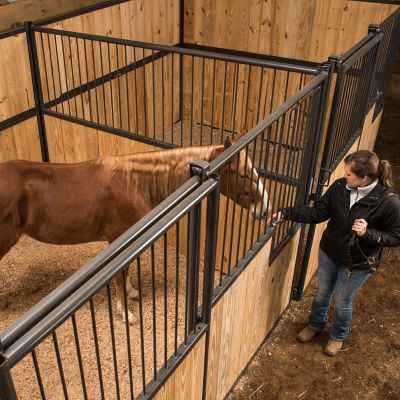
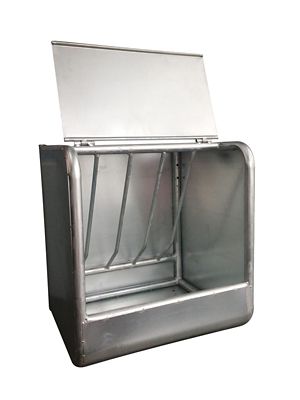
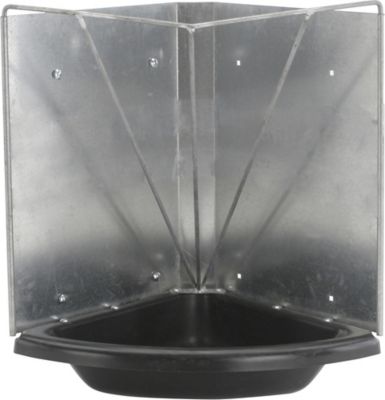
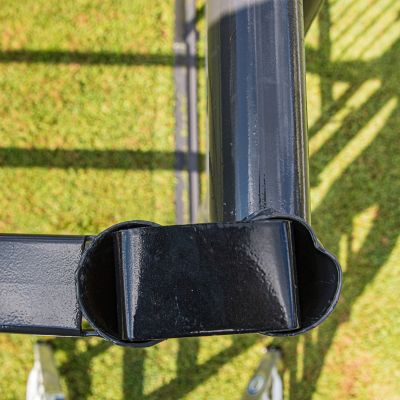
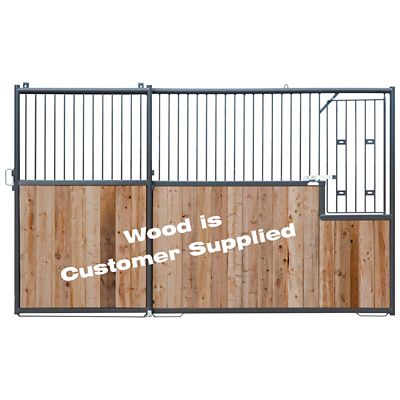
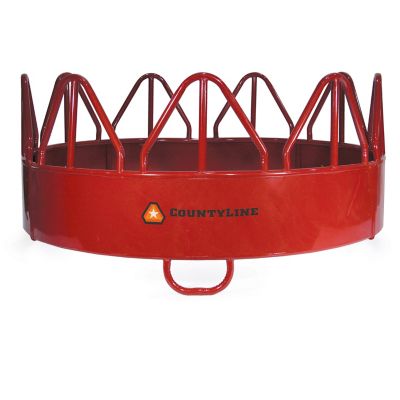
Stable supplies in Ocala, Florida, support the everyday work of feeding, watering, grooming, and keeping horse housing clean and orderly. Across Marion County’s horse country, those needs reach from small private barns to boarding operations and training facilities, with different demands on space, equipment, and daily routines. A quiet pasture companion and a horse headed to the show ring both need a comfortable place to eat, drink, stand, and rest. Feeding and watering equipment, stall bedding, flooring, grooming supplies, and barn maintenance equipment all play a part in that routine. The right fit depends on the horse as much as the building: stall dimensions, doorway clearance, feeding habits, and the number of animals sharing an area can all affect what belongs there. A horse that paws at mealtime puts different demands on feeding equipment than one that eats quietly, while a busy boarding aisle needs room for people and horses to pass without squeezing around stored gear. Materials matter in those everyday situations. Molded plastic can be manageable to lift and rinse, rubber offers flexibility in certain applications, and metal components need smooth edges and finishes suited to regular cleaning. Connections, attachment points, and mounting surfaces deserve just as much attention as the main piece of equipment. Anything within reach of a horse should be free of sharp projections, with placement that limits opportunities for legs, halters, or clothing to catch. Capacity also needs to match the job rather than simply the available space. Equipment that becomes awkward when filled can turn a simple feeding round into extra lifting and spilled material. For Ocala properties with several caretakers, a consistent layout helps everyone follow the same routine. Clearly assigned feeding areas, open walking paths, and storage near the work area can make a barn easier to manage without crowding the horse’s living space. That practical balance matters whether the property centers on English riding, Western riding, breeding, or keeping a few horses close to home.
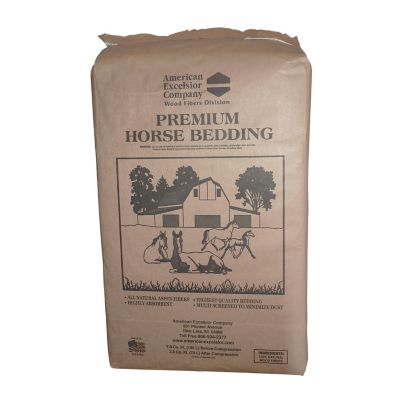
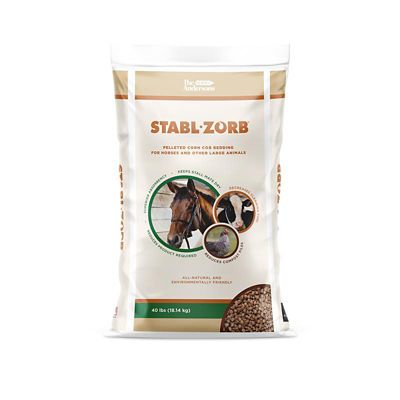
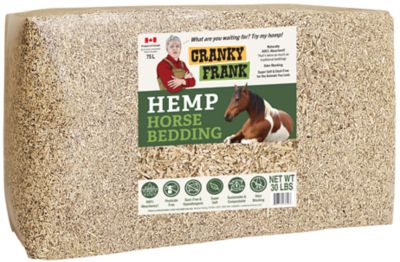
Stall care is another big part of choosing stable supplies, because comfort underfoot and manageable cleanup go hand in hand. Bedding needs vary with the stall base, drainage, time spent indoors, and each horse’s habits. Absorbency, dust level, ease of removal, and disposal arrangements all deserve consideration, especially where several stalls need attention each day. A horse that scatters bedding across the whole stall creates a different cleaning job from one that keeps a fairly consistent resting area. Flooring materials also affect the routine. Properly fitted rubber surfaces can provide a more forgiving layer over a suitable base, but the installation still needs level support and edges that lie flat. Gaps, curled corners, and uneven sections can collect waste or create footing concerns, so measurements and maintenance matter as much as material choice. Cleaning equipment should fit both the working area and the person doing the chores. Handle length, grip shape, overall weight, and maneuverability can make a noticeable difference after several stalls, particularly around narrow doors and tight corners. Smooth, accessible surfaces are easier to wash than deep crevices where residue settles. Feeding and watering areas need similar attention, with regular cleaning and checks for cracks, rough spots, loose attachments, and worn parts. Fresh drinking water and clean feeding surfaces remain basic needs regardless of a horse’s discipline or workload. Feed and supplement storage belongs in a dry, protected area away from chemicals and places animals can reach. Clearly labeled storage helps prevent mix-ups when one horse has a different ration from the next, and feeding directions should stay with the material being stored. Diet changes and supplement choices are best discussed with a veterinarian or qualified equine nutrition professional rather than based on another horse’s routine. For a barn managing several animals, easy-to-read care records can help keep feeding instructions, cleaning responsibilities, and individual needs straight when the regular caretaker is away.
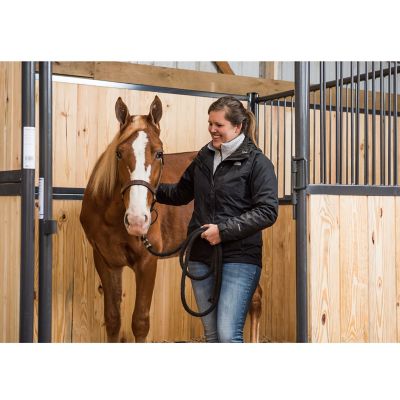
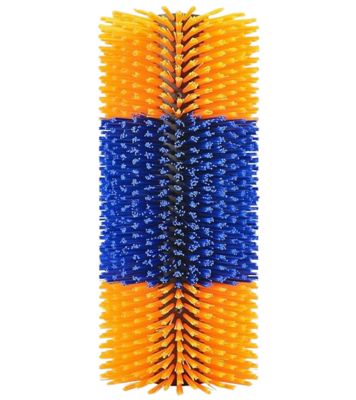
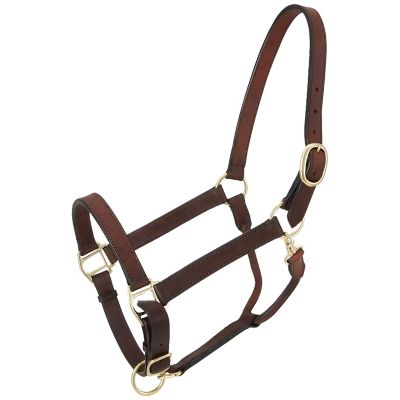
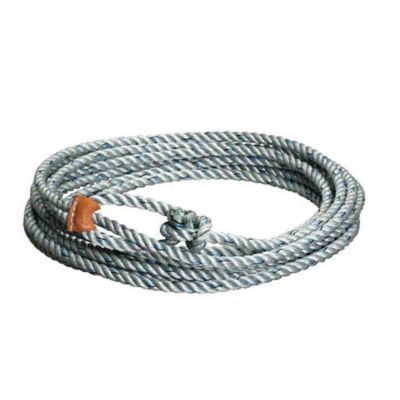
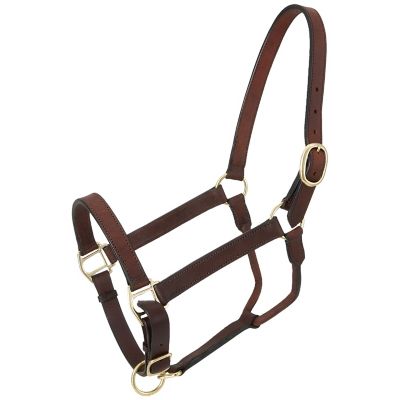
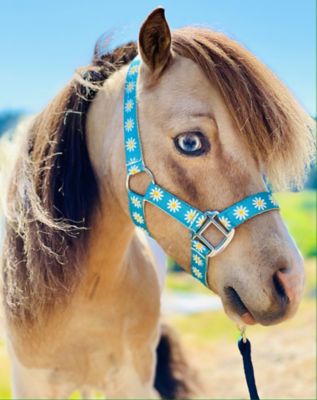
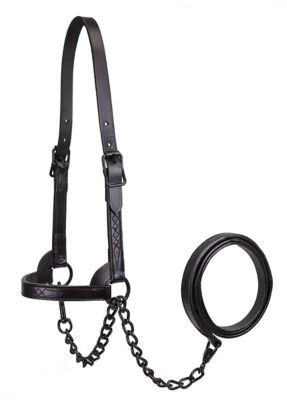
Grooming, handling, and organization round out the daily work behind stable supplies in Ocala. Grooming equipment needs to suit the horse’s coat, skin sensitivity, and the area being cleaned, with comfortable grips for the person doing the work. Gear assigned to individual horses helps limit sharing between animals, and equipment that can be cleaned thoroughly is especially practical in boarding and training barns. Handling equipment calls for careful sizing rather than guesswork; adjustment ranges, contact points, and the manufacturer’s fitting directions all matter. A growing youngster, a fine-headed riding horse, and a heavier-built companion may need different proportions even when their overall height looks similar. Leather components need cleaning, appropriate conditioning, and checks for weakened stitching or stretched holes, while synthetic materials need care that follows their material instructions. Frayed edges, damaged fasteners, and stiff or cracked sections are reasons to reassess equipment before the next handling session. Storage supports that care by keeping gear off the floor, separated by horse or task, and easy to inspect. Well-placed storage also keeps loose equipment away from doorways, electrical components, and areas where horses turn or back up. On farms that also prepare cattle for the ring,
Show Cattle Supplies is a related category for a separate set of animal-care needs, with feeding and handling equipment selected for the appropriate species. A busy property benefits from those clear distinctions, especially when family members, barn staff, or outside caretakers share responsibilities. Readable labels, designated cleaning areas, and enough room to put equipment away properly help keep everyday work straightforward. Measurements taken at the barn, along with a clear understanding of each horse’s habits, provide a better basis for choosing supplies than appearance alone. For Ocala horse owners and caretakers, practical materials, sensible fit, and manageable upkeep help each part of the setup do its job, from the first feeding round to the final check down the aisle.