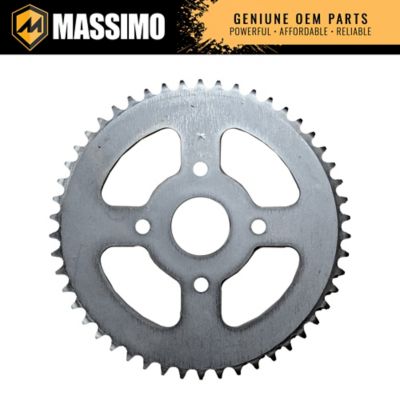
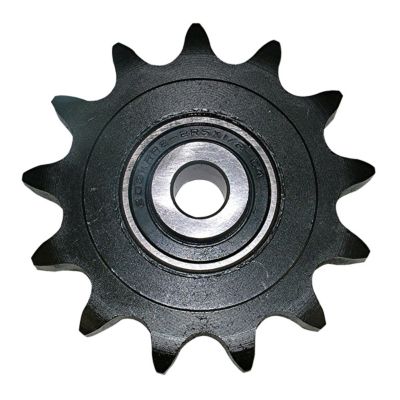
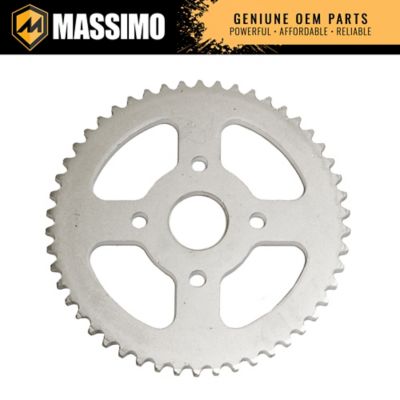
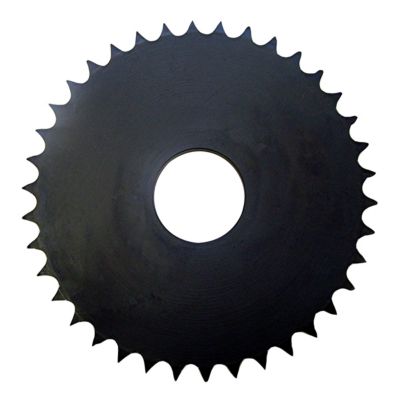
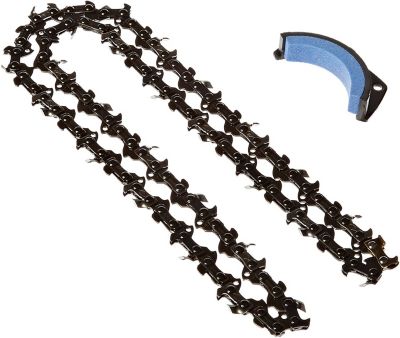
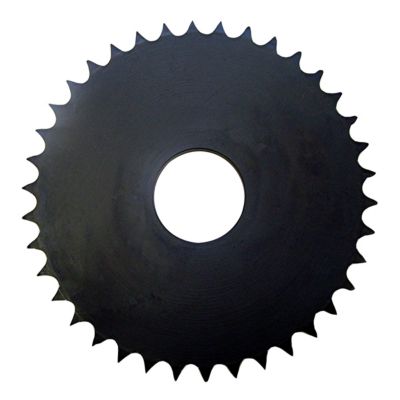
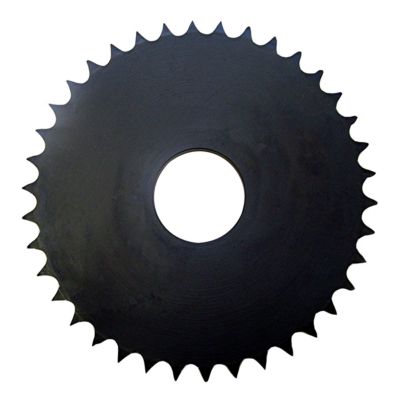
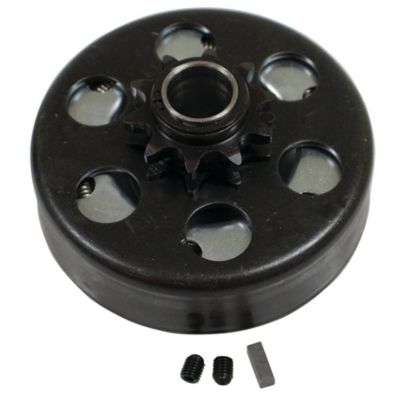
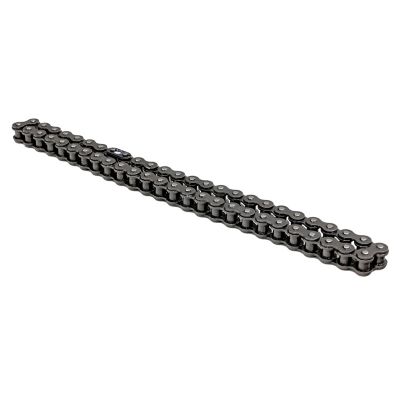
Sprocket chains carry power from one rotating shaft to another by engaging the teeth of matching sprockets. In a roller chain drive, the chain wraps around a driving sprocket and a driven sprocket, transferring motion through a series of connected links. The sprocket is the toothed wheel; the chain is the flexible assembly that travels around it. Together, they help keep farm machinery, shop equipment, conveyors, and other mechanical systems moving at the intended speed. Unlike a friction belt, a properly matched chain engages directly with sprocket teeth, providing positive power transmission without depending on friction alone. That makes fit especially important when replacing parts on a feed-handling conveyor, repairing a small equipment drive, or getting a familiar piece of machinery back to work. Chain pitch is the distance between the centers of adjacent chain pins, and it must match the sprocket’s specified pitch. Roller diameter, inside width, and chain series also matter, since two chains that look much alike may not seat correctly on the same teeth. Standard roller chain and silent chain have different designs and require sprockets made for their respective chain types. Single-strand and multiple-strand roller chains also need matching sprocket configurations. For farmers, ranchers, maintenance crews, and folks who handle repairs in their own shops, the equipment manual and existing part markings offer a better starting point than appearance alone. ANSI chain designations can help identify dimensions, but the full specification still matters, including any suffix that identifies a different construction. Chain length may be listed by footage or number of pitches, while a replacement assembly may have a set link count. Enough adjustment must remain in the drive to establish the manufacturer’s specified slack. A chain that reaches around both sprockets is not necessarily the right fit; correct engagement, alignment, and clearance are what let the whole drive work together.
Materials and construction help determine which sprocket chains suit a particular job. Carbon steel is common in power-transmission chain because it combines strength with wear resistance, while heat-treated pins, bushings, and rollers help withstand repeated contact under load. Stainless steel and coated chain can offer corrosion resistance where the application calls for it, although their working-load ratings and lubrication needs may differ from those of standard steel chain. The right choice depends on the complete drive, not just the material name. A conveyor carrying a steady load places different demands on its chain than machinery that starts under load or experiences repeated jolts. Operating speed, start-and-stop frequency, lubrication method, and exposure to abrasive dust all influence service life. Published tensile strength describes a breaking-strength characteristic; it is not the same as the allowable working load or a suitable horsepower rating for a drive. Manufacturer load and speed ratings provide more useful information for matching a chain to the task. Sprocket specifications deserve the same attention. Bore diameter must fit the shaft, and the keyway, hub style, and securing arrangement must match the equipment. Tooth count determines the speed ratio between shafts: with the driving sprocket unchanged, a larger driven sprocket reduces driven-shaft speed and increases torque in an ideal system. A smaller driven sprocket has the opposite effect. Changing tooth counts can also affect chain length, wrap, clearance, and equipment operation, so matching the original design is generally the sound starting point for replacement work. Where a drive calls for greater load capacity, thicker side plates or multiple strands may be part of the specified design, but neither feature makes a chain universally interchangeable. For other demanding chain applications,
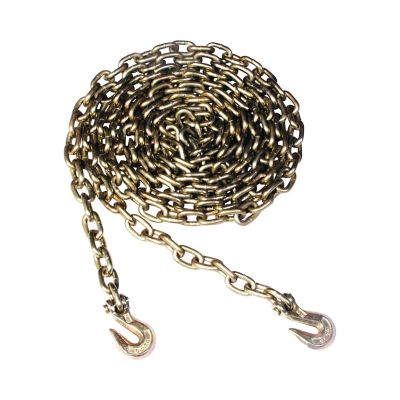
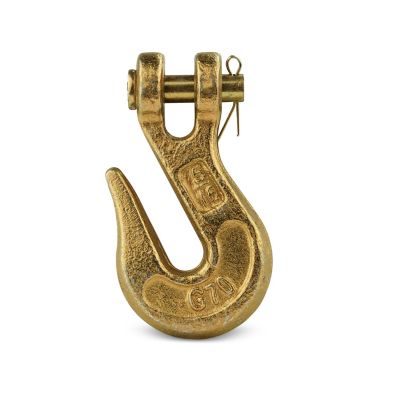
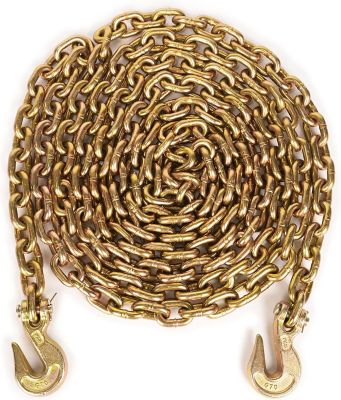
Heavy Duty Chains provides a related category to consider, with each chain type matched to its stated purpose. Power-transmission chain is not a substitute for chain rated for lifting, towing, or load securement.
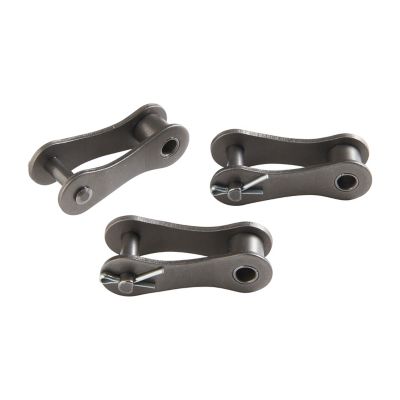
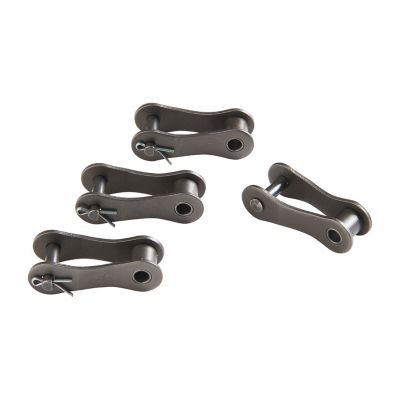
Care and replacement choices make a real difference in how long a sprocket chain stays in service. A chain running beside a grain conveyor can collect fine grit, while one tucked behind a machine guard may go a long stretch without being easy to see. In either setting, lubrication needs to reach the pin-and-bushing joints, where much of the internal wear takes place. A shiny coating on the outside alone does not establish that those joints have enough lubricant. The equipment manufacturer’s recommended lubricant and application method matter, whether the drive calls for periodic oiling, a drip system, or another arrangement. Some specialty chains have different lubrication requirements, so treating every chain alike can shorten service life. Cleaning methods should also suit the chain’s construction, particularly when seals or factory-applied lubricants are involved. Wear at the pins and bushings gradually increases the distance across several pitches, often called chain elongation. That change can keep the rollers from seating properly and accelerate wear on sprocket teeth. Hooked or uneven teeth, stiff links, damaged rollers, and elongation beyond the manufacturer’s limit are reasons to assess the drive rather than simply tighten the chain. Fitting a new chain over badly worn sprockets can wear out the replacement quickly, making inspection of both parts worthwhile. Connecting links must match the chain’s exact size, series, and construction; a similar-looking link from another chain is not enough. Straight sprocket alignment and the specified amount of slack help prevent side wear and excess bearing load, while overtightening can strain shafts and bearings. Before inspection or service, equipment should be shut down, isolated from its power source, and secured against unexpected movement, with stored energy controlled according to its service instructions. Guards belong back in place before operation. Keeping the chain designation, sprocket dimensions, and maintenance notes with the machine can make the next repair less of a guessing game. Those details help turn a replacement chain into a properly matched part of the drive, whether the job is moving feed, running a conveyor, or keeping everyday shop machinery working.