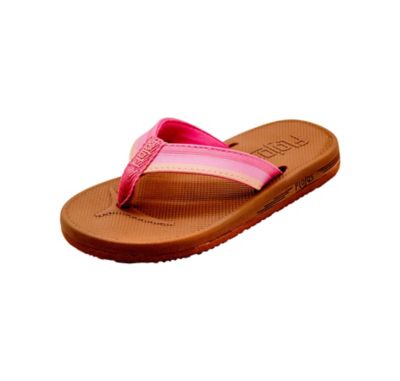
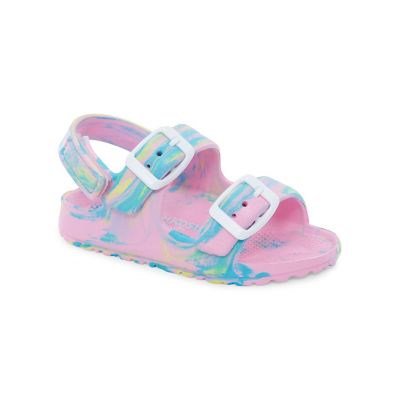
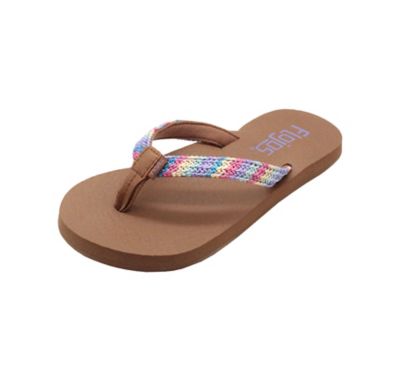
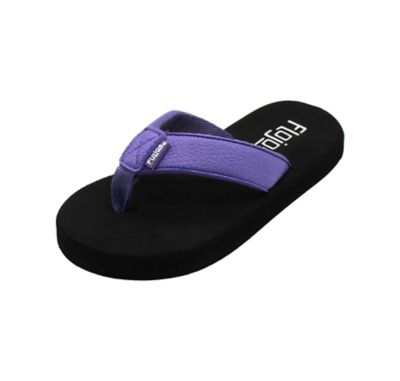
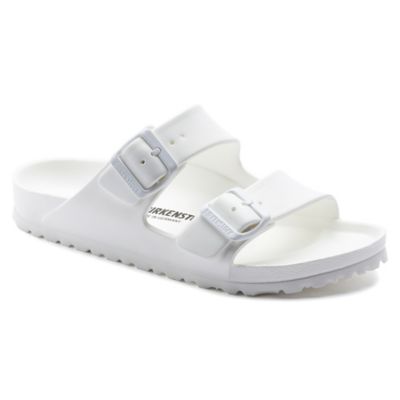
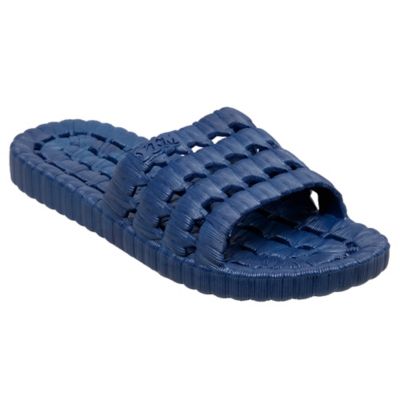
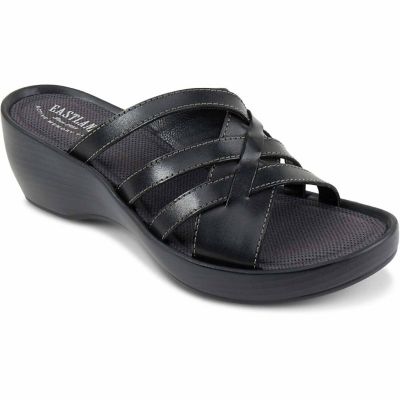
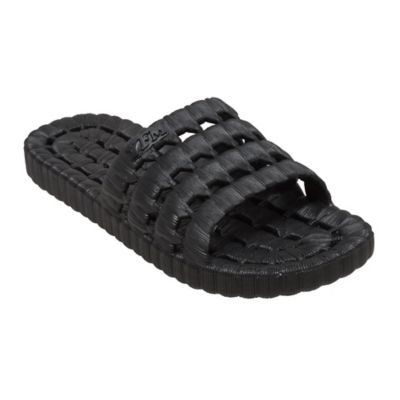
Children’s sandals give little feet an open, lightweight option for everyday outings, family get-togethers, and trips to the water. The main differences come down to toe coverage, heel support, closures, sole construction, and materials. Open-toe sandals leave more of the foot uncovered, while closed-toe designs add a barrier between toes and bumps along the path. A back strap helps hold the heel in place, making that detail worth considering for children who are still finding their stride or spend much of an outing on the move. Sport sandals generally pair adjustable straps with textured soles for active outings, while simpler strap styles work well for casual wear. Slides and flip-flops offer easy on-and-off wear but do not hold the foot as securely as a sandal with a heel strap. Materials matter, too. Textile webbing can feel light against the foot and often allows several points of adjustment. Synthetic uppers may wipe clean easily, while molded foam can keep the overall weight down. Leather brings a different feel and appearance, though its care needs and tolerance for water vary by construction. Rubber outsoles with visible tread can provide traction, but no sole removes the need for care on wet tile, smooth decking, or loose gravel. For a child walking from the truck to a picnic table, a lightweight everyday sandal may be enough; for longer walks over uneven ground, a secure heel and more substantial sole deserve a closer look. Sandals are not a replacement for protective footwear around livestock, sharp tools, mowing equipment, or other farm work. Matching the footwear to the outing helps keep the choice practical, whether the plan is a family reunion, a walk through town, or an afternoon beside the creek. Color and pattern can make a pair appealing to a child, but the parts touching the foot and ground do most of the work.
Fit deserves just as much attention as appearance when choosing kids’ sandals. Start with measurements of both feet and compare them with the sizing information for the footwear, since the same size can fit differently across styles. Check the fit while the child is standing, with weight spread naturally across both feet. The heel should sit within the footbed, and toes should have a little room without hanging over the front or sitting so far back that the sandal catches on the ground. Buying much too large to allow for growth can leave a child sliding around inside the sandal. Width matters as well: the foot should rest on the footbed rather than spill over the sides, and straps should close without digging into the skin. Adjustable hook-and-loop closures make small changes straightforward and can help children practice fastening their own footwear. Buckles offer another way to adjust the fit, while elastic sections may make slipping a sandal on easier. Whatever the closure, it should stay fastened through ordinary walking without requiring a child to curl their toes to keep the footwear in place. A sole that bends near the ball of the foot allows a natural step; a sole that feels stiff throughout may be less comfortable for everyday walking. Have the child walk a short distance, turn around, and take a few normal steps rather than judging the fit only while seated. Watch for heel lifting, dragging, shuffling, or straps rubbing the same spot with each step. Younger children may not explain discomfort clearly, so checking for red marks after a brief indoor try-on can be helpful. Smooth strap edges and a comfortable lining matter during a long visit with family, when a small rough spot can become distracting. Recheck fit regularly as feet grow, and check again whenever a familiar pair suddenly seems harder to fasten. A sandal that fit well earlier can become too short or tight before its sole shows much wear.
Intended use also shapes how children’s sandals should be cared for and how long they remain comfortable. For swimming lessons, changing areas, and walks between the car and the water,
Pool Sandals are worth considering alongside everyday styles. Look for care instructions and material descriptions that specifically allow water exposure rather than assuming every sandal can handle a soaking. Some constructions dry readily, while leather, certain linings, and glued details may need different treatment. After a trip along a sandy bank or a gravel path, shake out grit and check beneath the straps, where small particles can rub against skin. A soft brush can loosen dry dirt from tread, and a damp cloth can handle many everyday marks when the care directions allow it. Machine washing is only appropriate when the manufacturer permits it. Let sandals dry fully in a ventilated spot away from direct heat before the next outing, and avoid leaving a damp pair tucked inside a bag. Check closures for trapped lint or dirt, inspect strap attachment points, and look for soles that have worn smooth or begun to separate. Those small checks help show when a pair needs attention or replacement, even if a child still likes the way it looks. Keeping straps properly adjusted also limits excess movement that can wear down linings and edges. For packing, fasten straps together and keep the pair somewhere easy to reach rather than loose beneath heavier gear. Sandals can make a useful gift for a grandchild, niece, or nephew headed on a family trip, provided the giver knows the child’s measurements and intended activities. Letting the child help choose a color can make the gift feel personal without putting appearance ahead of fit. The most useful choice is one that suits the child’s feet, fastens without a struggle, and makes sense for the places those feet are headed.