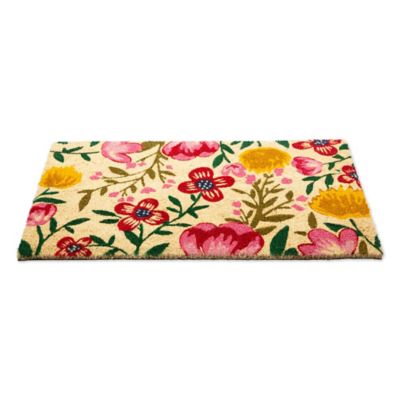
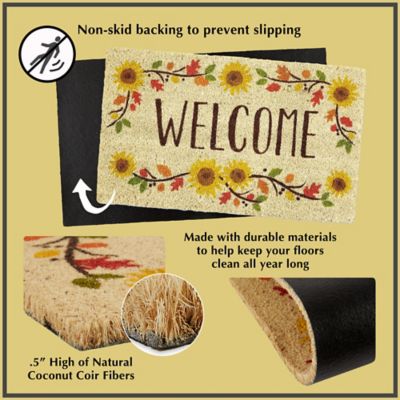
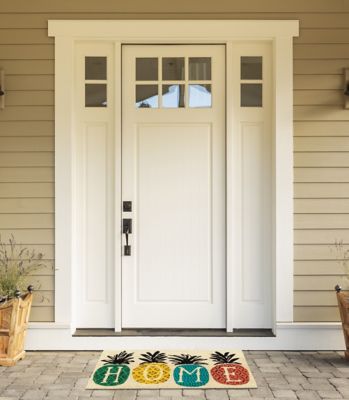
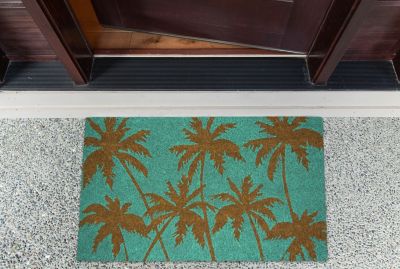
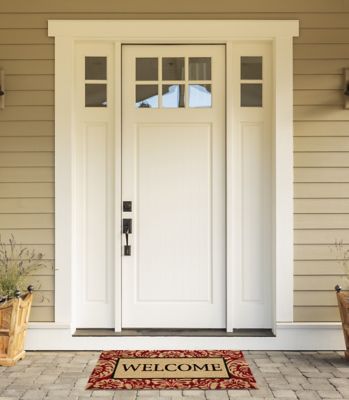
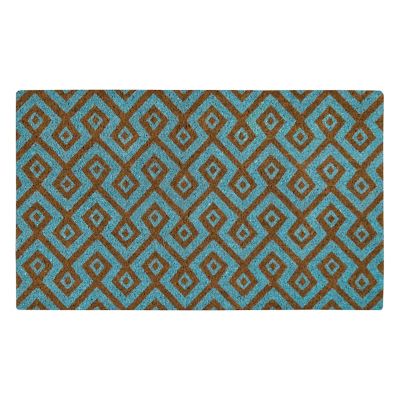
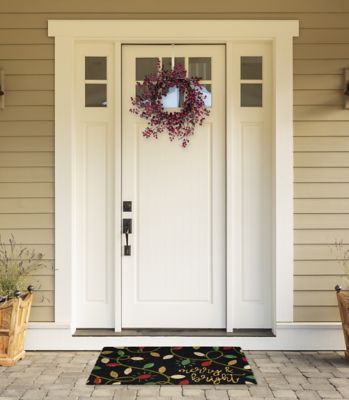
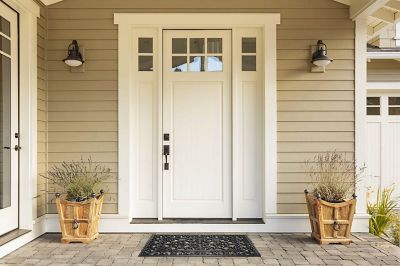
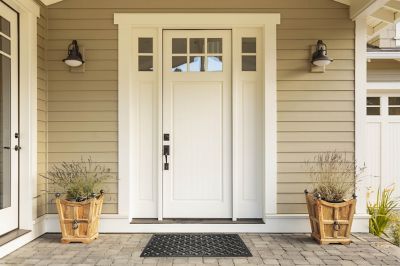
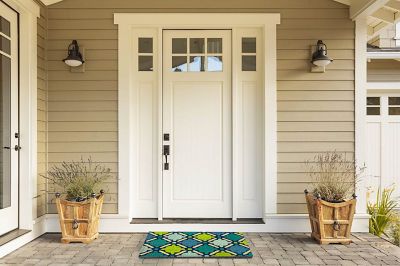
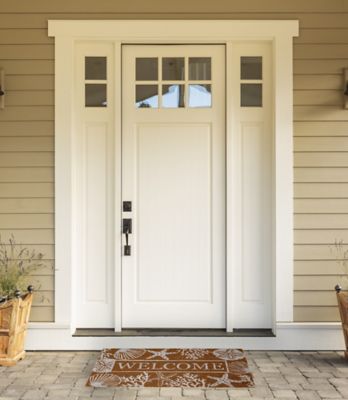
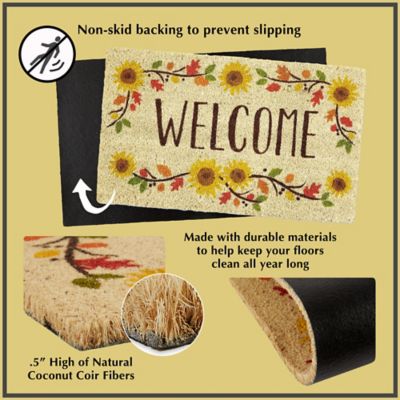
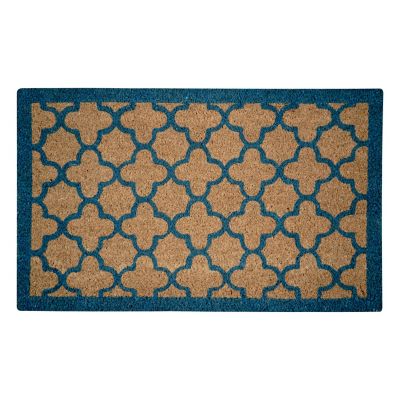
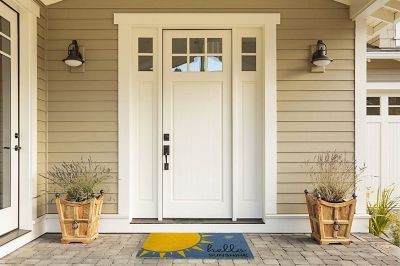
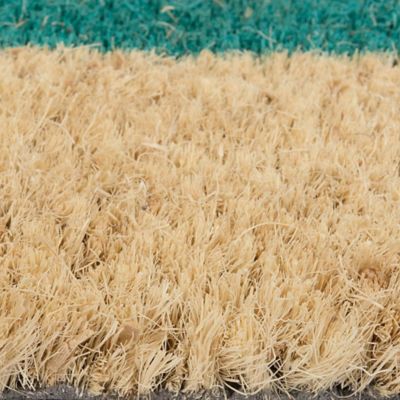
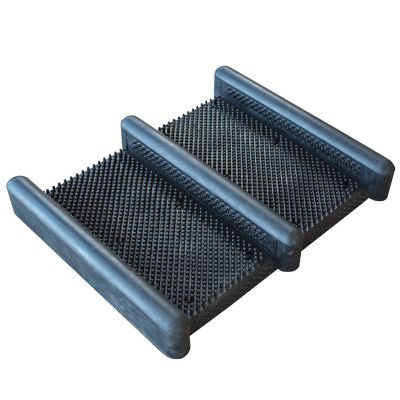
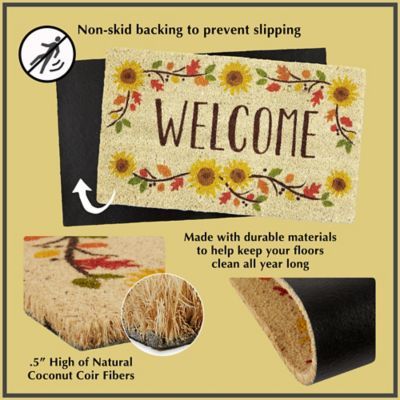
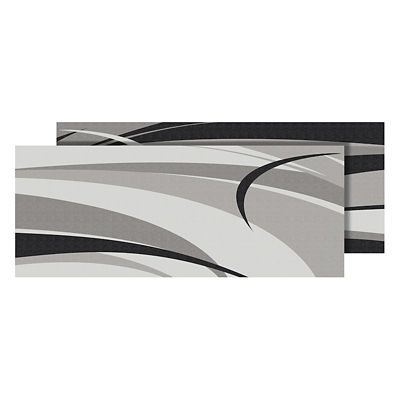
Spring outdoor doormats give muddy boots, garden shoes and busy paws a place to pause before crossing the threshold. A spring entryway can see plenty of traffic, from early garden planting to afternoons spent checking fences or tending a backyard flock. The right mat helps catch some of the grit that comes along for the ride while giving the porch a welcoming look. Floral patterns, leafy designs, cheerful colors and simple greetings fit the season without needing a whole porch makeover. Earth tones work well beside brick steps and stained wood, while brighter shades stand out against a painted door or plain concrete landing. Looks are only part of the picture, though. Materials make a difference in how a mat handles dirt, moisture and everyday foot traffic. Coir, made from coconut husk fibers, has a coarse surface that helps brush dry soil and loose debris from footwear. Its natural texture suits farmhouse porches and country entries, although some shedding is normal, and many coir mats do best beneath a roof where they can avoid repeated soaking. Synthetic fibers, including polypropylene, offer another option for outdoor entryways, with surfaces that can capture smaller particles and cleaning methods that vary by construction. Rubber mats may feature raised patterns or openings that help loosen mud from boot soles, but their weight, flexibility and drainage depend on the design. A textured surface can be handy after a walk across gravel or a trip through the garden, while a softer woven face may feel more comfortable beneath lighter shoes. For spring outdoor doormats, the best match comes down to the work expected at that particular door: catching loose dirt at a sheltered front entrance, handling frequent footsteps at the back porch or adding a friendly finishing touch beside a bench and a pair of planters.
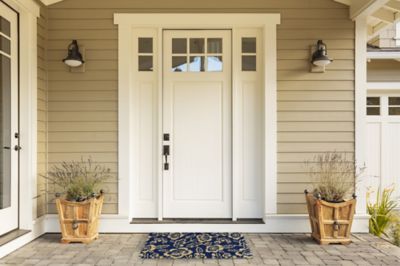
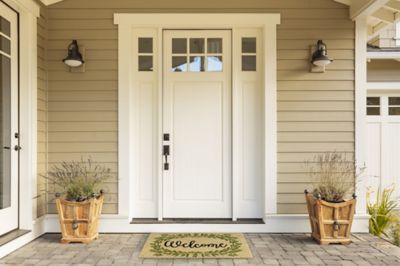
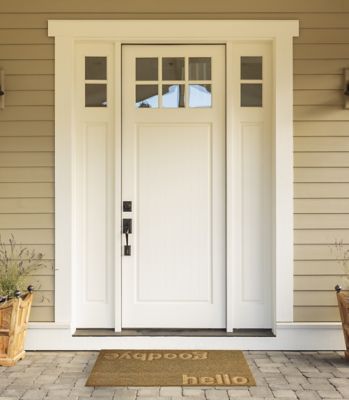
Size and placement matter just as much as the pattern on top. A mat that looks right in a picture can feel undersized beneath a wide doorway, especially when visitors need room to plant both feet and wipe their shoes. Measuring the entry and checking the door’s swing help narrow the choices without crowding the landing. Thickness deserves a close look wherever a storm door opens outward or a threshold sits low to the porch. The mat should lie flat, leave room for the door to move freely and stay clear of stair edges and walking paths. A generously sized landing may suit a wider mat, while a narrow side entrance calls for a shape that leaves comfortable standing room. Backing is another practical consideration, particularly on smooth concrete, painted boards or tile. A backing described as slip resistant still needs a suitable surface underneath, and dirt, standing water or curled edges can affect how securely a mat rests. Compatibility with the porch finish matters, too, since certain backings can trap moisture or leave marks on some surfaces. Checking care and placement directions is especially helpful for sealed wood, composite decking and painted floors. Open-air steps have different needs from a covered porch: spring rain can reach an exposed mat directly, while a roof may offer protection without keeping out windblown moisture. Drainage, drying time and the amount of shelter all belong in the decision. Households with kids coming in from the yard may appreciate a broad wiping area, while a back door near a garden path may need a more pronounced scraping texture. For anyone who wears deep-tread work boots, a mat is a first stop rather than a substitute for knocking off heavy clumps outside. Keeping the approach swept and the landing clear also gives tracked-in dirt fewer places to collect.
Regular care helps a spring doormat keep its welcome through muddy mornings, drifting pollen and repeated trips between the house and yard. Loose dirt is easier to manage before it settles deep into the surface, so shaking, brushing or vacuuming may be part of routine upkeep when the care directions allow it. Cleaning methods should follow the material rather than the appearance alone. Some synthetic or rubber mats can handle a rinse, while natural-fiber mats may call for dry cleaning methods or limited spot cleaning. A mat that takes on water needs a chance to dry fully, along with the surface underneath it; leaving either damp can lead to odors, staining or wear. Strong cleaners, stiff brushes and pressure washing are not suitable for every construction, especially where printed designs or attached backings are involved. A sheltered spot can help preserve color, although sunlight and foot traffic will gradually change the look of many outdoor materials. Checking for loose edges, cracking, thinning areas and a backing that no longer sits flat helps show when a mat has reached the end of its service. Households that switch entryway accents by season can let each mat dry, brush away debris and store it flat in a dry spot between rotations. For a different seasonal look,
Winter Doormats can be part of that rotation without asking one design to suit every part of the year. Spring styles also make practical housewarming gifts for someone settling into a farmhouse, a first home or a place with a porch of their own. A simple greeting or nature-inspired pattern is easy to pair with different doors and siding, while checking the recipient’s entry size keeps the gift useful. Whether the goal is a brighter front step or a hardworking spot beside the back door, spring outdoor doormats bring together a welcoming look, sensible materials and a place to leave a little more of the outdoors outside.