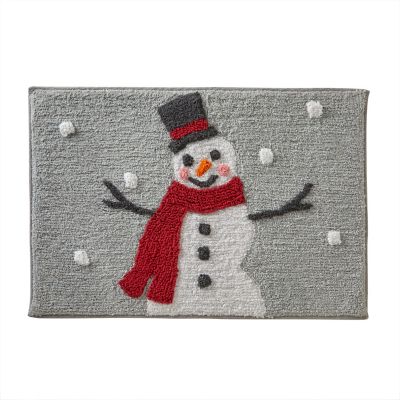
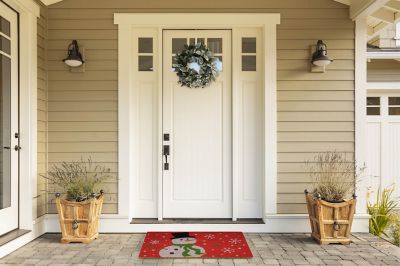
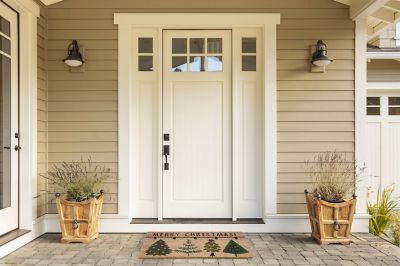
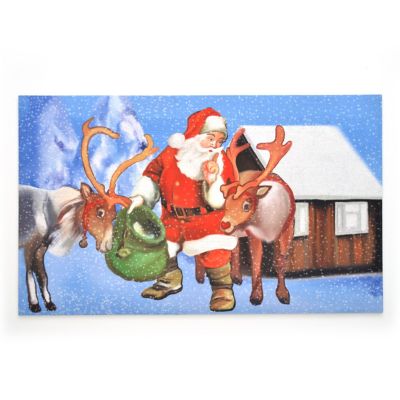
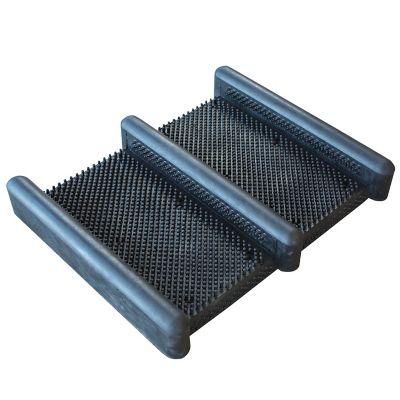
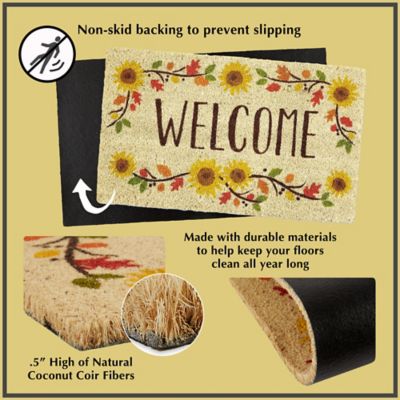
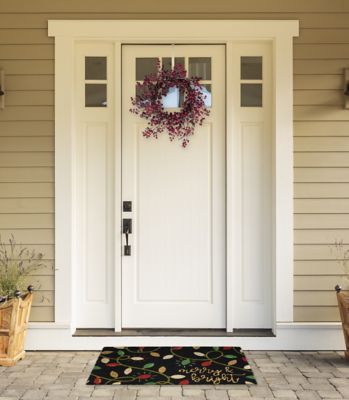
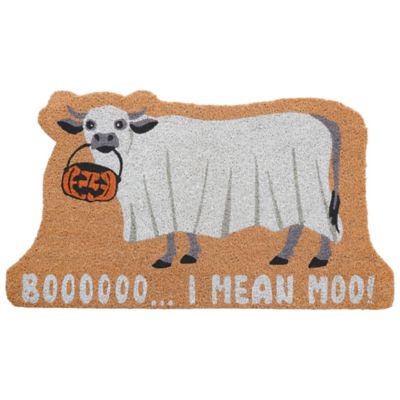
Winter doormats give muddy boots, snowy shoes and busy doorways a place to meet before the mess reaches the floor. At a farmhouse front door, a cabin entrance or the back step nearest the barn, a mat helps catch some of the grit that tags along with everyday chores. Winter patterns bring a welcoming touch to those hardworking spots, whether the look leans toward pine branches, snowflakes, woodland scenes or a simple greeting. Some designs suit a Christmas gathering, while others feel right throughout winter without tying the porch to a single holiday. Beyond the pattern, the surface makes a difference in how a mat handles foot traffic. Coir, made from coconut husk fibers, has a coarse texture that helps brush dry dirt from boot treads. Rubber surfaces with raised ridges can help loosen heavier debris, while open designs give loose material somewhere to fall rather than leaving it on top. Synthetic fibers, including polypropylene and polyester, offer different textures and moisture-handling properties depending on their construction. An absorbent indoor mat serves a different purpose from an outdoor scraper: one helps take up leftover dampness, while the other tackles dirt before it crosses the threshold. That distinction matters when a trip to the mailbox turns into a walk through slush or the whole family comes in after stacking firewood. A winter entryway often works best with a scraping surface outside and a floor-friendly mat just inside, provided both fit the space and their intended placement. For a front porch that gets plenty of visitors, appearance may carry as much weight as boot-cleaning ability. At the mudroom door, a textured surface and straightforward cleanup may matter more. Either way, winter doormats can make an entrance feel more welcoming while helping keep the day's outdoor mess closer to the door. Their role is simple, but it earns its keep anywhere boots land after a trip across the yard, down a gravel drive or out to check the animals.
The best fit for a doorway involves more than finding a pattern that looks good beside the siding. A mat needs enough room for people to plant their feet and wipe both shoes without stepping halfway off the edge. A narrow entrance calls for a different footprint than a broad set of double doors, and a deep porch offers placement options that a shallow stoop cannot. Door clearance matters, too, especially where an outward-swinging storm door passes close to the landing. Thick pile, raised borders and layered rugs can interfere with that swing or create an edge that catches a toe. A flatter profile may make more sense near tight thresholds, but the backing and the surface underneath still deserve attention. Slip-resistant backing can help limit movement on a compatible floor; it does not make a wet or icy entrance slip-proof. Mats should sit flat on a clean surface, away from steps or uneven spots where an edge could become a tripping hazard. Exposure is another practical difference between entrances. A covered porch shields a mat from some direct rain and snow, while an open landing leaves it facing whatever blows through. Natural coir generally fares better with shelter and a chance to dry than with repeated soaking. Rubber and synthetic materials vary in their suitability for freezing temperatures, direct sunlight and standing water, so the stated placement and care information matter more than appearance alone. Water needs somewhere to go, and a mat should not block drainage or cover an area where ice regularly forms. Indoors, backing compatibility is especially important on wood, vinyl and other finished floors, since some materials can leave marks or affect the finish. In a busy household, these details show up fast: work boots bring coarse grit, children's shoes leave wet tracks, and paws carry fine dirt past the threshold. A mat matched to that traffic has a better chance of holding its shape and doing its job than one chosen only for its picture.
Care is part of keeping a winter doormat looking inviting and working well through repeated arrivals and departures. Loose grit can settle deep into fibers or collect beneath the backing, where it may scratch the floor as the mat shifts. Regular shaking, brushing or vacuuming, when permitted by the care instructions, helps keep that buildup from getting ahead of the household. Some rubber and synthetic mats can be rinsed, but washable does not always mean machine washable, and a thorough dry matters before a mat goes back against the floor. Coir usually calls for a drier approach, such as shaking out debris and brushing the surface rather than leaving the fibers saturated. Road salt and ice-melt residue deserve prompt attention because they can leave a crust on the surface or travel farther indoors. Gentle cleaning according to the material's instructions helps protect printed patterns and backing; harsh chemicals and aggressive scrubbing may do more harm than good. It also pays to look underneath after wet weather and check for trapped moisture, then inspect the edges for curling or cracks. A mat is one part of an entryway setup, not a replacement for clearing snow, treating ice or keeping the walkway open. Alongside those practical habits, the design can give the porch some personality. Snow-covered evergreens pair easily with wood siding and a plain bench, while a bold winter greeting stands out at a simple back entrance. For patterns that reach beyond winter,
doormats with welcoming designs offer another way to tie the doorway together. A winter doormat can also make a thoughtful housewarming or holiday gift for someone settling into a country home, fixing up a cabin or giving a well-traveled mudroom a fresh look. The most useful gift suits the doorway, the household's routine and the amount of shelter at the entrance. With those details in mind, a winter mat brings together an easy welcome and a practical place to knock the dirt off before heading inside.