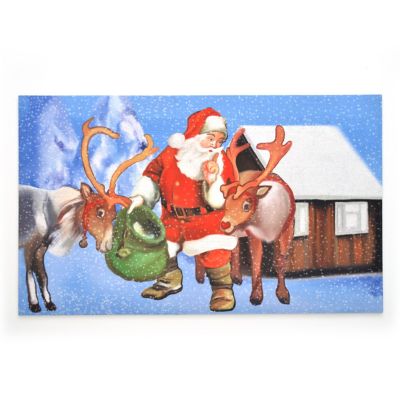
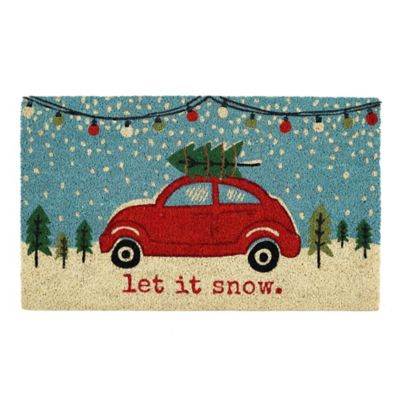
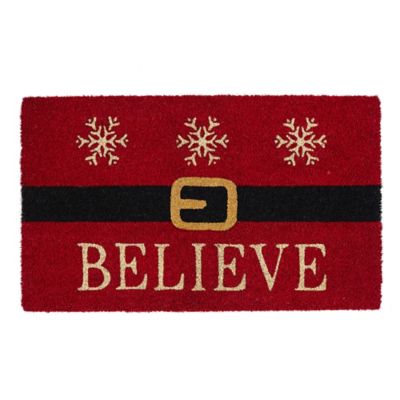
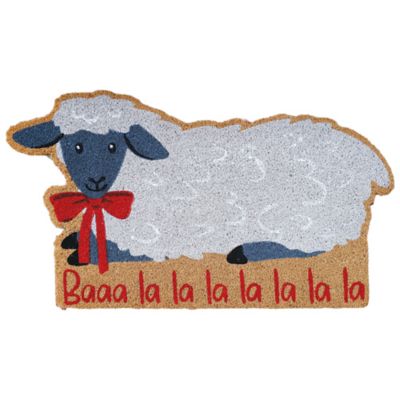
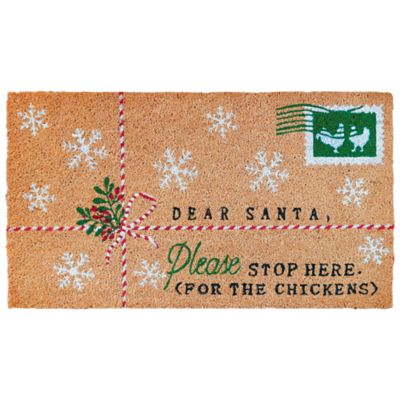
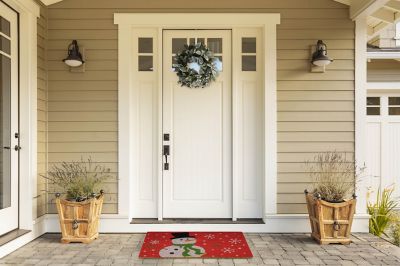
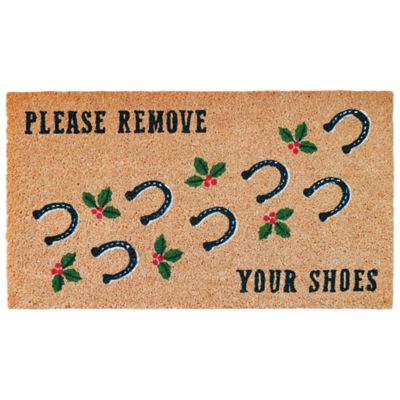
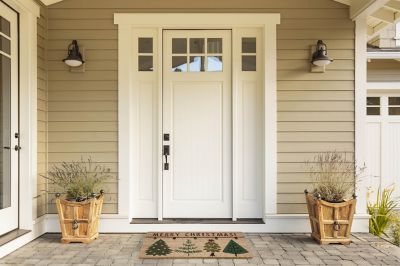
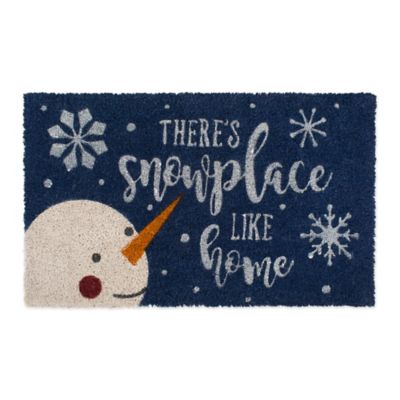
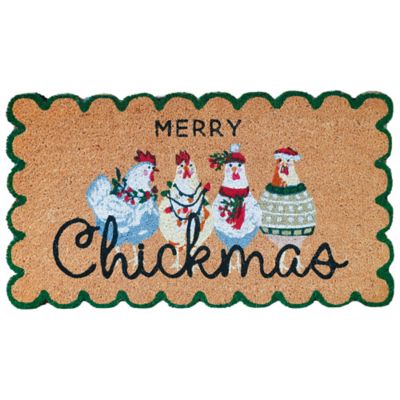
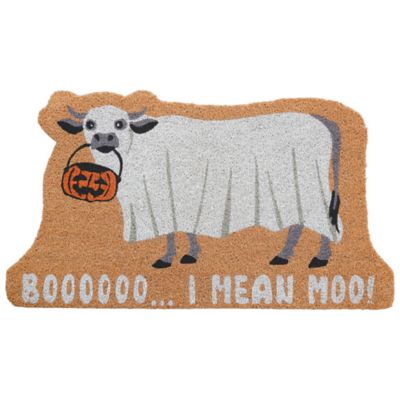
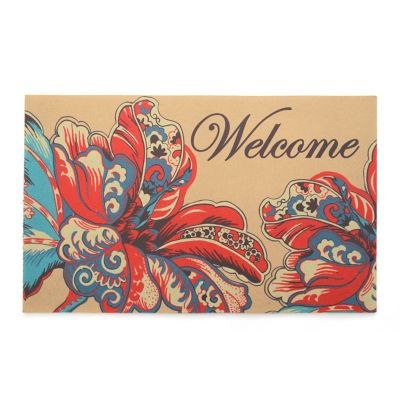
Christmas doormats bring a little holiday cheer to the spot where muddy boots, visiting neighbors, and family carrying armloads of presents all cross paths. A festive mat can make a front porch feel welcoming without taking over the doorway, whether the setting is a farmhouse with a wide covered entrance or a small stoop beside the driveway. Christmas trees, holly, snowflakes, reindeer, and cheerful holiday greetings each bring a different feel to that first step inside. Bold shapes and clear lettering tend to read well from the walkway, while smaller patterns add interest up close. Red and green make a familiar Christmas pairing, but neutral backgrounds, deep blue, black, and simple evergreen designs can fit just as comfortably alongside porch furniture and painted doors. The design is only part of the decision, though. A doormat also needs to suit the entrance and the everyday traffic moving through it. A front door that mainly welcomes company may call for a different surface than a side entrance where boots arrive straight from feeding livestock or checking fences. Width matters, especially at double doors or broad porch steps, where a small mat can look lost and leave little room for wiping both feet. For a tighter entry, the right footprint leaves space around the mat without crowding the threshold. Door clearance deserves attention, too: a thick mat can catch beneath a low-swinging door, while a raised corner can become a nuisance when someone is balancing a casserole dish or carrying a sleepy child. Measuring the doorway, the landing, and the gap beneath the door helps narrow the fit. Christmas doormats work best when their festive look goes hand in hand with a practical place to stand, wipe off, and step inside. A well-proportioned mat can help define the entrance, especially on a long porch with several doors, while keeping the holiday touch close to where guests will see it.
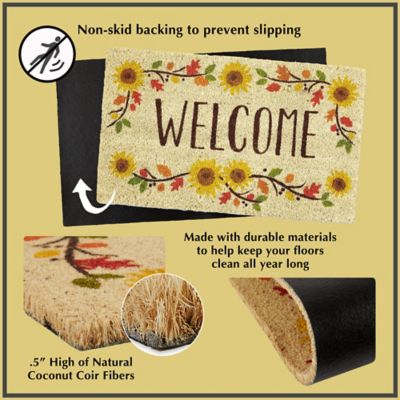
Material and construction make a real difference in how a Christmas doormat handles porch traffic. Coir, made from coconut husk fibers, has a coarse surface that helps loosen soil from boot treads and gives printed holiday designs a textured background. Some shedding is normal with this material, and a covered entrance is often a better setting than a spot where rain and melting snow can leave it soaked. Rubber mats offer a different feel underfoot, with molded patterns or openings that can help scrape away debris. Depending on the design, open spaces may let loose dirt fall through to the surface below, which still needs regular sweeping. Mats with synthetic textile faces can provide a softer wiping surface and detailed printed artwork; their suitability for an open porch, sheltered doorway, or indoor entry depends on the backing and the maker’s care directions. A mat labeled for indoor use belongs inside, even when its Christmas pattern looks just right beside an outdoor wreath. Backing matters as much as the top surface. Grip can vary with the floor beneath it, and a mat that sits well on rough concrete may behave differently on smooth tile or painted wood. A flat mat with edges that rest against the floor helps keep the walking path clear, but no backing replaces checking for movement, curled corners, or moisture underneath. Winter entryways also bring challenges that go beyond ordinary dirt. Snow packed into boot treads, gravel from the drive, and traces of ice melt can collect around the threshold. A scraper-style surface outside and a separate moisture-catching mat inside can serve different jobs, provided both fit the space and stay clear of the door. Neither should be treated as protection against an icy step. Clearing the landing and checking the surface beneath the mat remain important, particularly at an entrance shared by children, older relatives, and pets.
Keeping a Christmas doormat looking presentable usually comes down to simple care matched to its materials. Loose dirt is easier to deal with before it gets ground deep into the surface, so regular shaking, brushing, sweeping, or vacuuming can help, depending on the construction. Coir generally benefits from dry cleaning methods and a chance to air out, while some rubber or synthetic mats can be rinsed if their care directions allow it. Printed faces, glued layers, and certain backings may need gentler treatment, so machine washing is not a safe assumption. Letting a mat dry fully, including underneath, helps avoid trapping moisture against porch boards or indoor flooring. Pet hair, pine needles, and grit can gather along the edges, making the occasional lift-and-sweep worthwhile even when the top still looks tidy. After Christmas, a clean, dry mat is easier to tuck away for another holiday season; flat storage or the maker’s recommended method helps prevent bent edges and damaged prints. For households that like changing the look of the entrance throughout the year,
other doormat styles can carry the same welcoming feel beyond Christmas. A holiday mat can also make a thoughtful gift for someone spending Christmas in a new home, a neighbor who enjoys dressing up the porch, or a host who always has room for another visitor. For gift giving, the recipient’s entrance and habits matter more than an elaborate design. Someone with an uncovered step may appreciate a different material than someone with a deep, sheltered porch, and a household with constant boot traffic may favor a bold pattern that stays readable between cleanings. The right Christmas doormat feels at home with the people coming through the door: festive enough to mark the occasion, practical enough for everyday footsteps, and sized to welcome company without getting in the way.