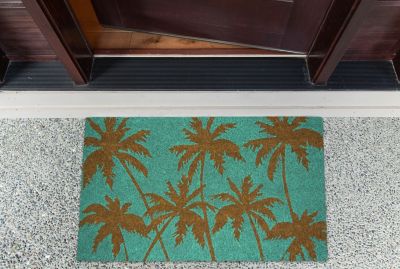
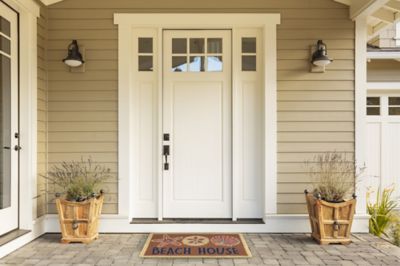
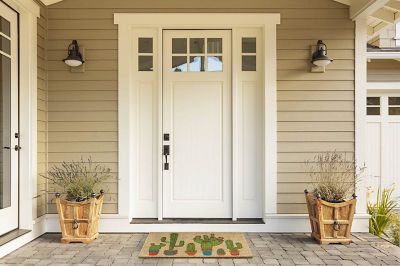
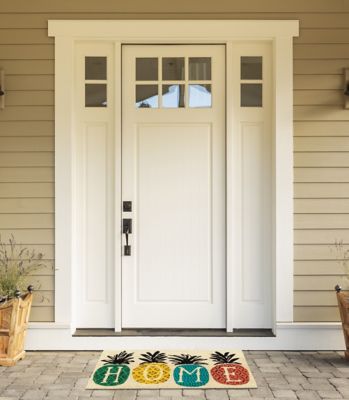
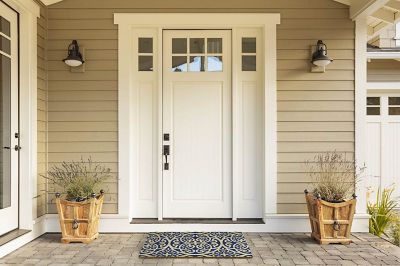
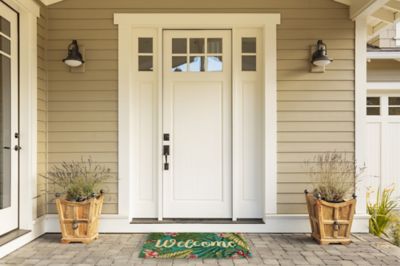
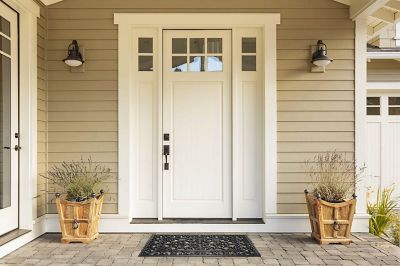
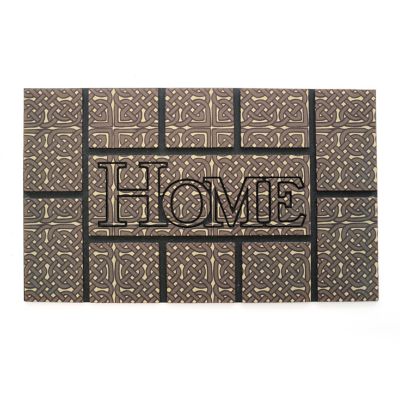
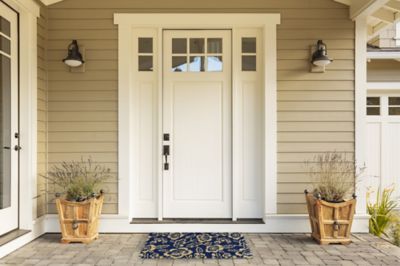
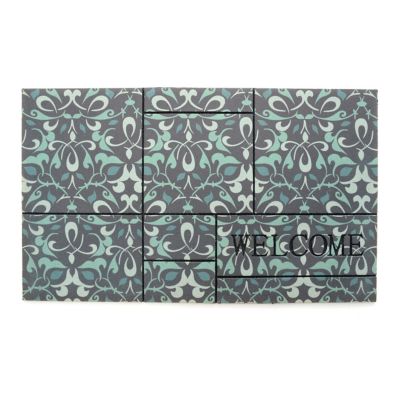
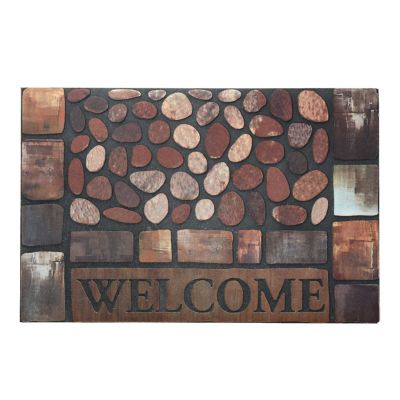
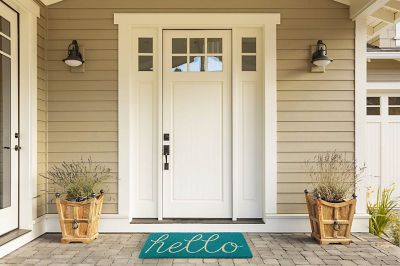
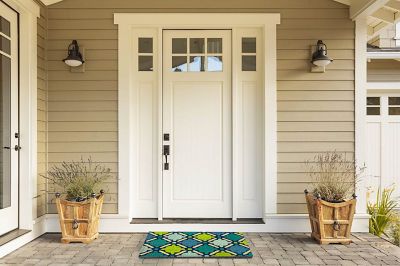
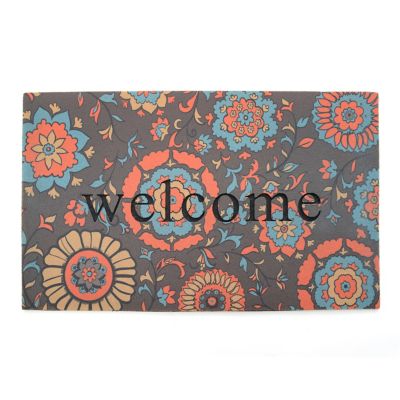
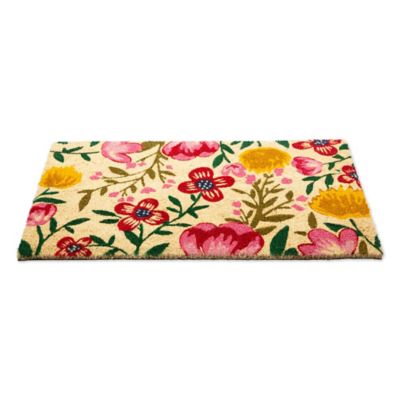
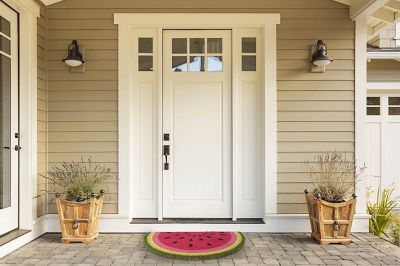
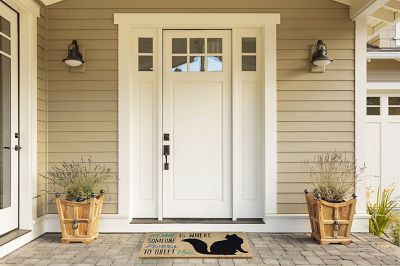
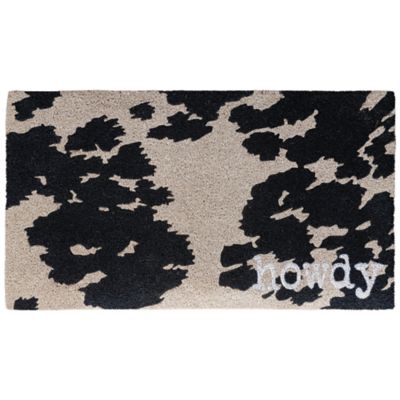
Outdoor summer door mats bring a little sunshine to an entry while giving dusty shoes and muddy garden boots a place to stop before heading inside. Bright seasonal patterns work well at front doors, back steps, covered porches and patio entrances, where summer traffic can mean anything from grass clippings to sand from a lakeside outing. The most practical match depends on the setting: coir offers a coarse surface for scraping dirt, while rubber and outdoor-rated synthetic materials can suit wetter locations when their construction allows water to drain. Appearance matters, too, especially at an entrance that welcomes neighbors, visiting family and the occasional delivery. Citrus prints, watermelon patterns, sunflowers and leafy designs bring a cheerful feel without needing much else around them. Stripes, simple borders and straightforward greetings offer a quieter look alongside porch rockers, planters and painted front doors. A bold pattern can hold its own against a wide porch, while a smaller print may feel more at home beside a narrow side entrance. Natural brown fibers pair easily with wood steps and brick, and brighter colors can stand out against concrete or pale siding. Dark colors may disguise some soil, though pale dust and pet hair can still show, so pattern and texture deserve as much attention as color. For a farmhouse entry, garden shed doorway or backyard gathering space, the goal is a mat that looks welcoming and handles the kind of foot traffic that actually comes through. A mat by the kitchen door may see chore boots and paws all day; one at a sheltered front entrance may mostly catch grit from everyday shoes. Those different jobs help determine whether a thick scraping surface, an easy-rinsing design or a low-profile mat makes the most sense. Summer style is the finishing touch, not a substitute for a material that fits the doorway.
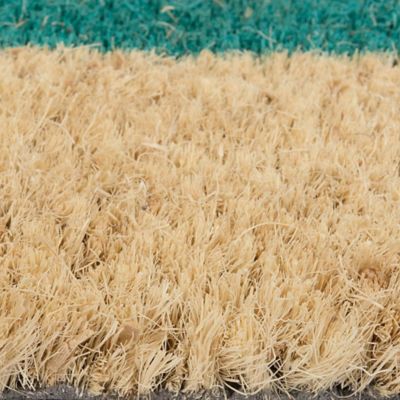
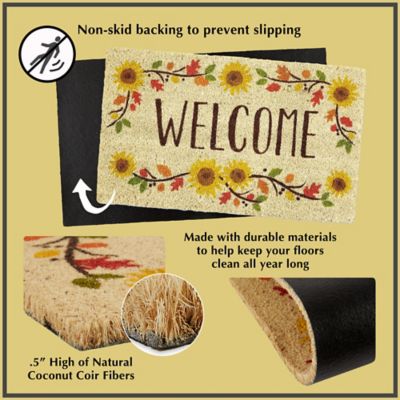
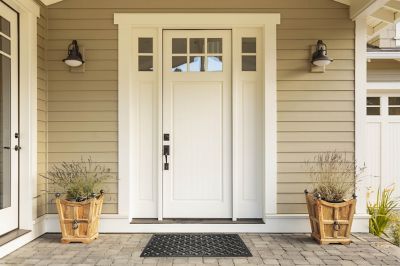
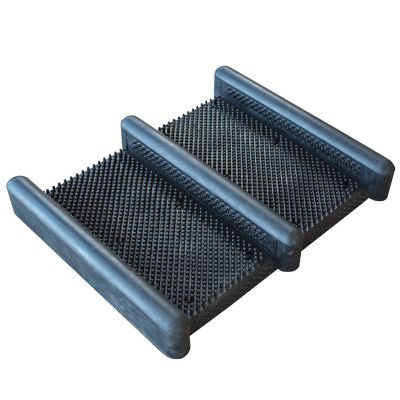
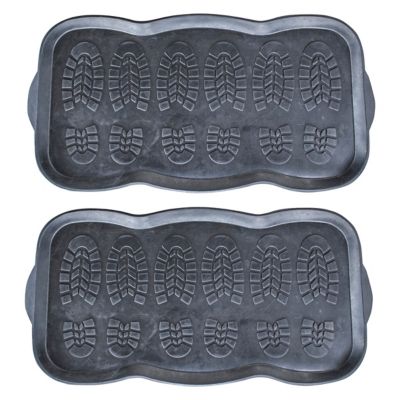
Material and exposure make a real difference in how outdoor summer doormats perform over time. Natural coir comes from coconut husk fibers, which create the stiff, brushlike texture that helps loosen dry soil from shoe soles. It is a good match for a covered porch where it can stay out of prolonged rain and standing water. Some loose fibers are normal, particularly early on, and a sheltered location can help limit the effects of soaking and strong sunlight on the fibers and printed design. Coir is better suited to scraping than soaking up repeated splashes beside a pool or an uncovered step. Rubber mats offer a different feel underfoot, with molded ridges or openings that can help separate grit from shoes. Openwork designs let water pass through, but the surface underneath still needs somewhere for that water to go. A solid-backed mat sitting in a low spot can hold moisture against a porch or landing, regardless of how weather-ready its upper surface may be. Outdoor-rated synthetic fibers, including polypropylene, can offer colorful patterns and straightforward cleaning, although drying time depends on the pile, backing and airflow. Look for care information that addresses outdoor exposure, sunlight and rinsing rather than assuming every printed mat can handle the same conditions. A roofed front porch, an open concrete stoop and a wooden deck each present a different set of demands. On a deck, periodically lifting the mat gives the boards a chance to dry and makes it easier to clear away trapped grit. In strong direct sun, colors may fade and some surfaces can become hot, so placement matters around bare feet and pets. Textured backing can help a mat stay put, but its grip depends on the surface beneath it being clean and suitable for that backing. No mat takes the place of keeping a busy entrance clear of standing water, loose gravel or other slipping hazards.
Fit is just as important as the pattern, especially where screen doors swing outward or a threshold sits close to the landing. A common doormat size is around 18 by 30 inches, but measuring the doorway and the usable space gives a better picture than choosing by appearance alone. There should be enough room to plant both feet and wipe shoes without stepping partly off the mat. Wider entrances may look more balanced with a larger footprint, while a compact side door needs enough open landing space for comfortable footing. Thickness deserves a close look wherever a door passes over the mat; a thick coir surface or a layered arrangement can catch beneath a low door even when the width looks right. Edges should lie flat, and the mat should not crowd a step, interfere with a latch or make a narrow walkway awkward to cross. Everyday care is usually simple when it matches the material. Shaking out loose dirt and brushing away dried soil keeps a scraping surface from filling up, while mats labeled for rinsing can be cleaned with water as directed. Let both the mat and the surface below dry before putting it back in place. Harsh cleaners, pressure washing and machine washing can damage certain fibers, printed finishes or backings, so the care label is the best starting point. Storing a seasonal mat clean and completely dry also helps keep it ready for its next stretch on the porch. For households that change entryway colors between seasons,
Spring Outdoor Doormats offer another direction for a fresh doorway look. A summer-themed mat can also make a thoughtful housewarming or host gift, particularly for someone who spends plenty of time tending flowers, grilling out or visiting on the porch. A familiar motif and a sensible size keep the gesture easy to enjoy. With the right material, room to wipe both feet and a little routine care, a summer door mat brings a welcoming touch to the hardworking space between the yard and the house.