Spring tools help turn a rough patch of ground into a garden, tidy up the edges of a property and get outdoor spaces ready for the growing season ahead. They are useful for much more than planting, too. From breaking up packed soil and working in compost to trimming back overgrown growth, clearing winter debris and making small repairs around the homestead, the right tools can save time and make hard jobs feel more manageable. Look for dependable construction, comfortable handles and a size that fits the person doing the work. A tool that feels balanced in the hand is easier to control, especially during long afternoons spent preparing beds or cleaning up fence lines. Strong materials matter when working in rocky soil, heavy clay or damp ground, while smooth grips and thoughtful design can help reduce hand fatigue. It also pays to think about storage before buying. Tools that can hang neatly in a shed, lean securely in a barn corner or fit in a compact tote are more likely to stay clean, dry and ready for the next job. During the cooler months, taking stock of what is worn, missing or tucked away in the wrong place gives you a head start when the weather warms. Clean soil from garden tools, dry metal surfaces thoroughly and store everything out of the weather so rust and moisture do not shorten the life of your equipment.
Choosing spring tools starts with the work you expect to do. A homeowner caring for flower beds may need a different setup than someone tending a large vegetable garden, maintaining a few acres or helping with chores around a small farm. Consider the type of soil, the size of the area and how often the tools will be used. Lightweight options can be handy for quick touch-ups and raised beds, while heavier-duty construction is a better fit for stubborn ground, larger planting areas and repeated use. Handles should offer a secure grip without feeling awkward, and the working end should be sturdy enough for the task without adding unnecessary weight. For anyone new to gardening or property care, a practical mix of basic tools can make it easier to learn by doing. More experienced growers may appreciate additions that help with precise planting, careful trimming, bed maintenance or cleanup between seasons. Families can also use these tools as a hands-on way to introduce kids to gardening, with age-appropriate equipment and close supervision. A young helper who gets to loosen soil, carry leaves or place seeds often takes real pride in watching that work turn into green growth. For a friend settling into a new home, a neighbor who enjoys growing vegetables or a relative who spends weekends outdoors, spring tools can make a useful and thoughtful gift. Pairing them with seeds, gloves or
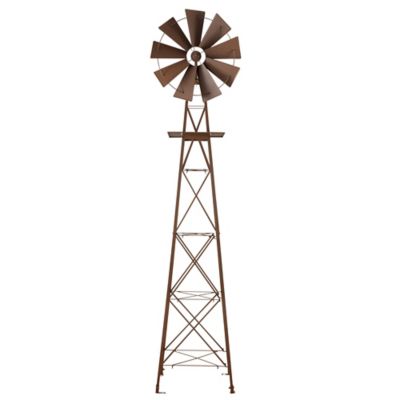
Spring Decors can add a personal touch without taking away from the practical value.
Good care keeps these tools working season after season. After use, brush away dirt and plant residue, then wipe down surfaces before putting everything away. Blades and edges should be kept in good condition so they work cleanly instead of forcing you to push harder, and wooden handles benefit from occasional attention to help prevent drying and splintering. Check fasteners, joints and grips from time to time, especially if a tool has seen heavy use or has been stored in an unheated shed through cold weather. Before the next round of outdoor work, organize tools by task so planting, pruning, cleanup and general maintenance do not turn into a search through buckets and shelves. A simple storage routine can make a noticeable difference when the ground is ready and the day is full. Spring tools are also useful for preparing now, even when outdoor work has slowed down. Sketching out garden beds, checking soil conditions, repairing raised beds and cleaning up the area around a greenhouse or shed can spread the workload out instead of leaving everything for one busy stretch. Whether you are growing food for the kitchen, keeping flower beds neat, caring for a larger property or simply enjoying time outside, reliable tools help you work with the land at your own pace. Choose equipment that matches your space and strength, keep it maintained and store it where it is easy to reach, and you will be ready to make the most of milder weather when it arrives.