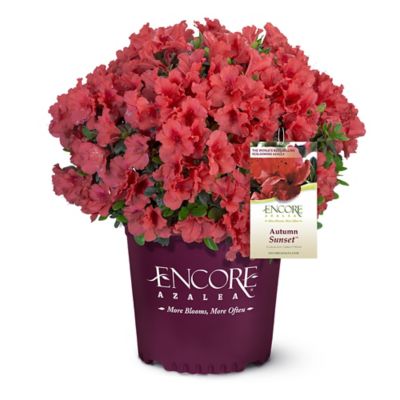
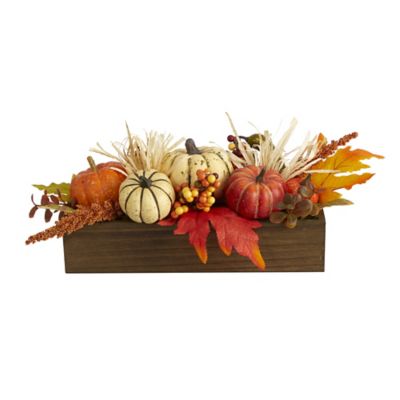
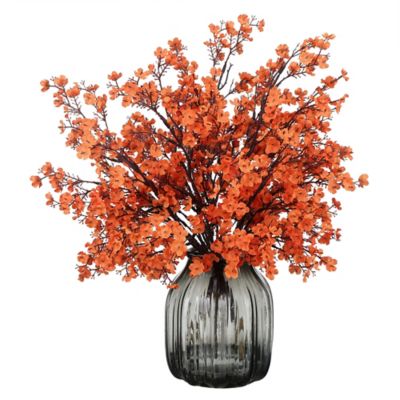
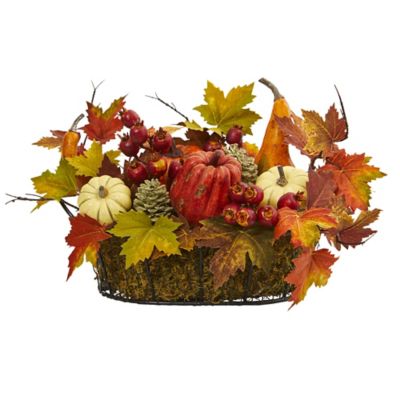
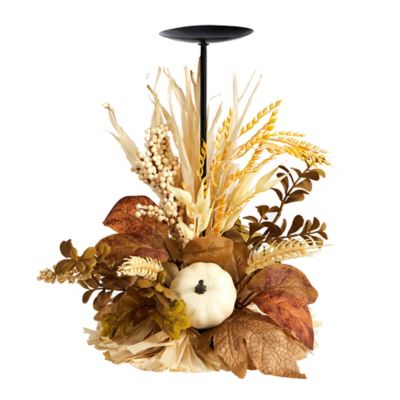
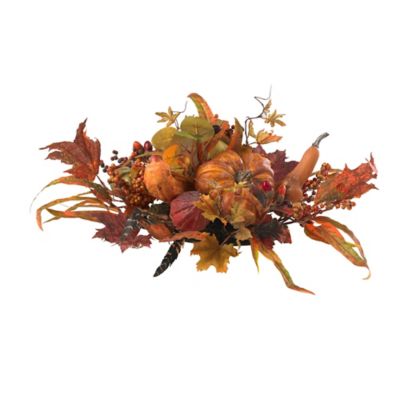
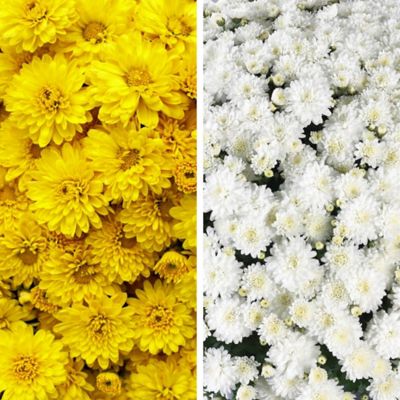
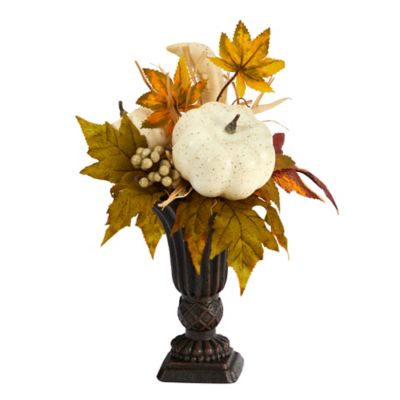
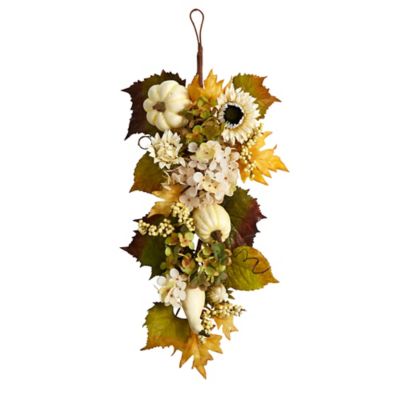
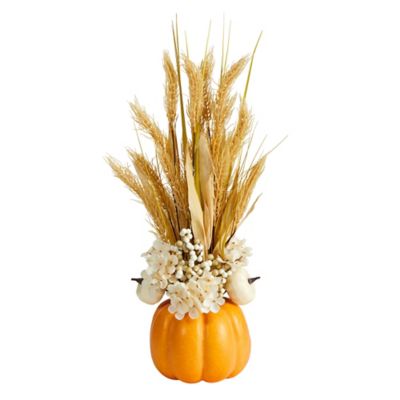
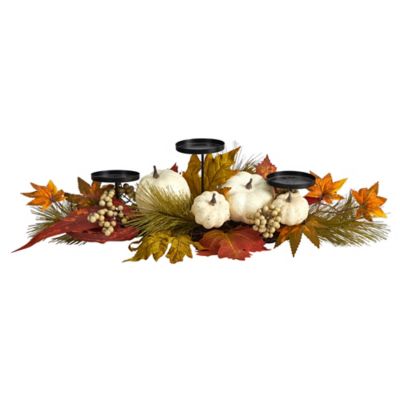
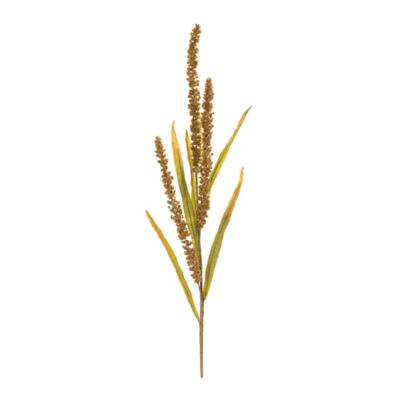
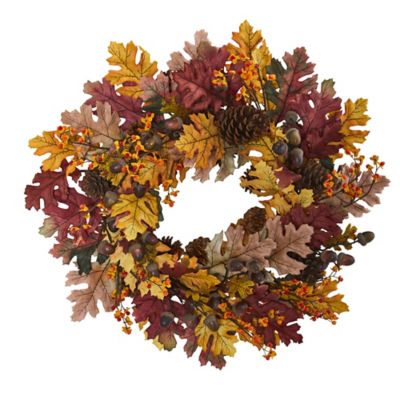
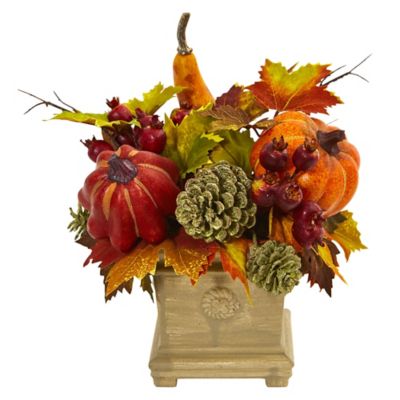
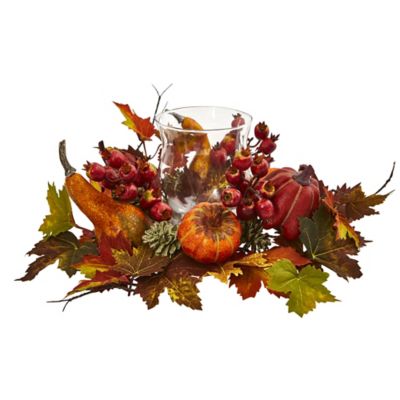
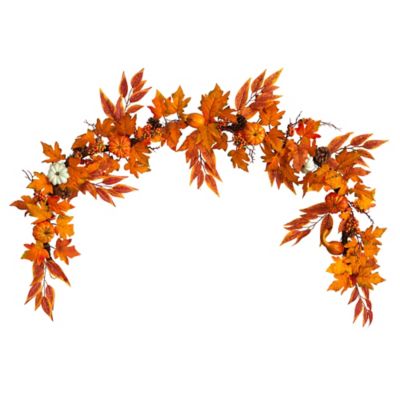
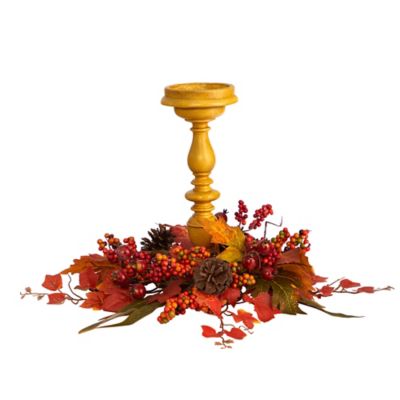
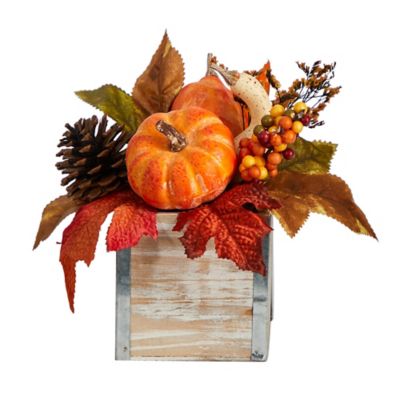
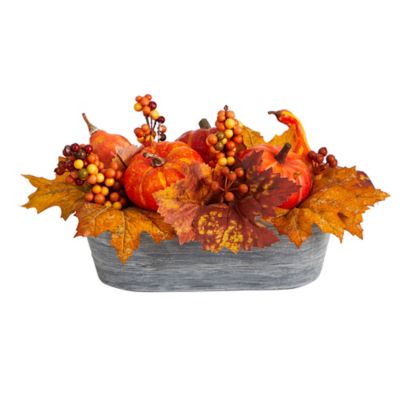
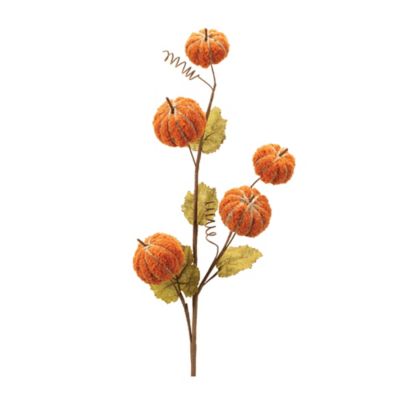
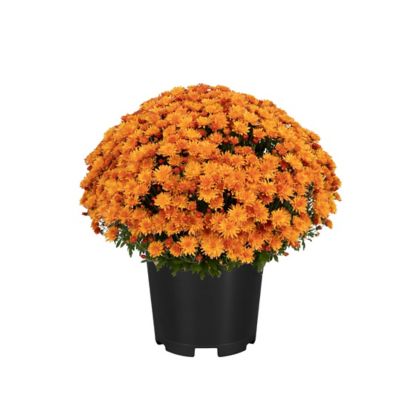
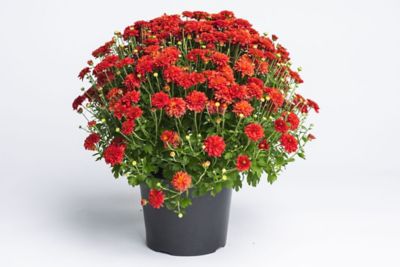
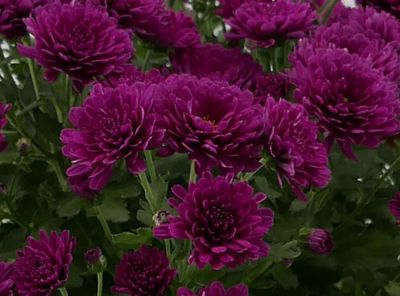
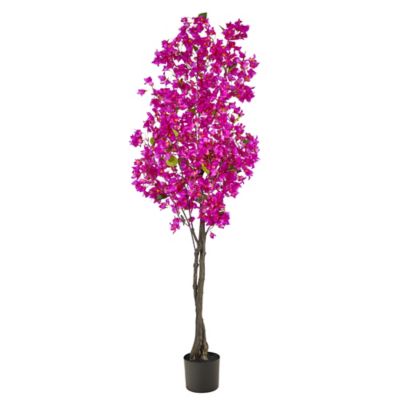
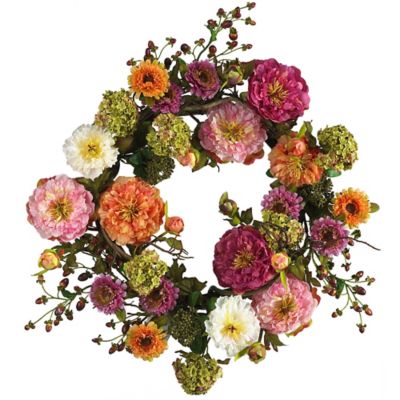
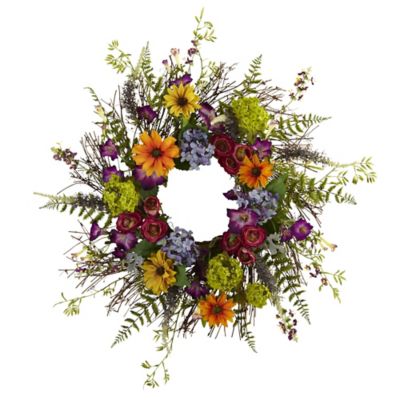
Autumn floral centerpieces bring an easy touch of warmth to the table, whether you live on a working farm, in a small-town home, or in a busy house where supper is served wherever there’s room. Their rich colors and gathered-from-the-yard feeling fit right in as the weather shifts from warm afternoons to cooler evenings. Look for arrangements that blend familiar seasonal tones such as rust, amber, golden yellow, burgundy, cream, and soft green. These shades pair naturally with wood furniture, galvanized accents, woven textures, and everyday dinnerware, making a centerpiece useful well beyond one special gathering. A compact arrangement can brighten a kitchen island, entry table, bedside stand, or coffee table, while a fuller design can anchor a dining table during family meals and weekend visits. Before choosing one, measure the space where it will sit and consider the height from the tabletop. A centerpiece should add color without blocking conversation across the table, especially when guests are passing serving dishes or children are reaching for a roll. Width matters, too; a design that looks just right on a wide farmhouse table may crowd a smaller breakfast nook. If the arrangement includes a container, check that its shape and finish suit the room and that the base feels steady on smooth surfaces. Neutral containers are easy to use year after year, while darker finishes and natural-looking textures can make a room feel especially cozy during the cooler months. Those small details are what make a seasonal accent look settled and thoughtful instead of simply placed in a hurry.
When comparing autumn floral centerpieces, think about how much upkeep you want and how often the arrangement will be moved. Artificial flowers and foliage are handy for households with a full schedule, pets, children, or a woodstove that makes fresh arrangements dry out quickly. They can be set out at the start of the season, dusted gently when needed, and packed away for another year without the worry of wilting petals or spilled water. If you prefer a more natural look, seek out varied textures and realistic shapes rather than a perfectly uniform bundle. A little unevenness gives an arrangement the relaxed character of flowers gathered from a garden edge or roadside field. Look for layered petals, branching stems, leaves with changing shades, and small accents that add depth without overpowering the flowers. It also helps to consider lighting. Warm-colored blooms can glow near a lamp or candlelight, while lighter flowers keep a darker dining room from feeling heavy. Keep centerpieces away from direct heat, damp windowsills, and spots where curious animals can pull them down. For a table used every day, choose a design that can be shifted easily when it’s time to wipe up crumbs, spread out a pie, or make room for a card game. For entertaining, matching the centerpiece to the rest of the room is not necessary; repeating one or two colors in napkins, table linens, wall décor, or serving pieces is usually enough to make everything feel connected. If you enjoy arranging your own accents, a ready-made centerpiece can serve as a dependable starting point, with room to add natural branches, dried grasses, pinecones, or other seasonal touches gathered safely from around the property. More ideas for building a welcoming display can be found in
Fall Centerpiece Ideas.
These arrangements also make considerate gifts for a host, a neighbor, a teacher, a new homeowner, or anyone who enjoys making home feel inviting. A centerpiece is especially useful for someone who likes seasonal decorating but may not have the time to put a display together from scratch. It can mark a move into a new house, add cheer to a guest room, or give a family member a simple way to dress up the table before friends arrive. For a gift, consider the recipient’s decorating style and available space. Someone with a small apartment or cozy cabin may appreciate a low, narrow design, while a person with a long dining table or open living area may enjoy a larger arrangement with plenty of visual interest. Neutral autumn colors are a safe choice when you are unsure of their taste, and classic seasonal shades work well with both rustic and more polished décor. A centerpiece can also be paired with a handwritten note, a serving piece, or a homemade treat for a friendly gesture that feels personal without being fussy. Once the season winds down, store the arrangement in a clean, dry place where stems will not be crushed, and keep the container protected from dust and moisture. With a little care, autumn floral centerpieces can become part of the household’s yearly rhythm: brought out when the first cool evenings call for warmer colors, enjoyed through family suppers and gatherings, and tucked away until the leaves begin to turn again.