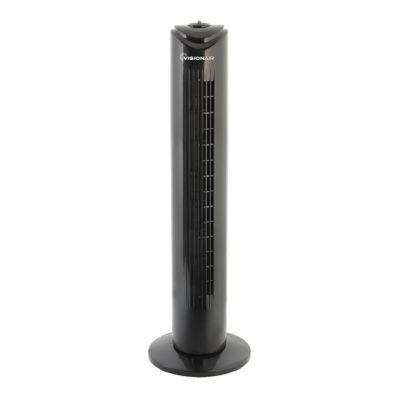
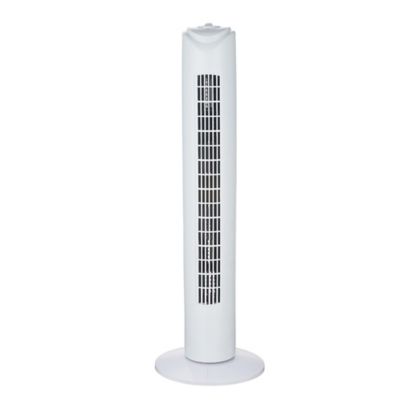
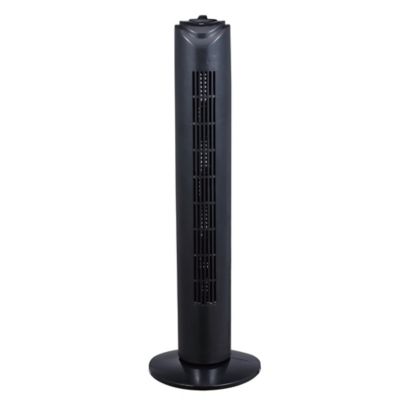
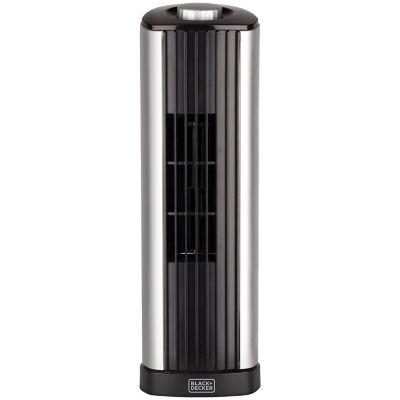
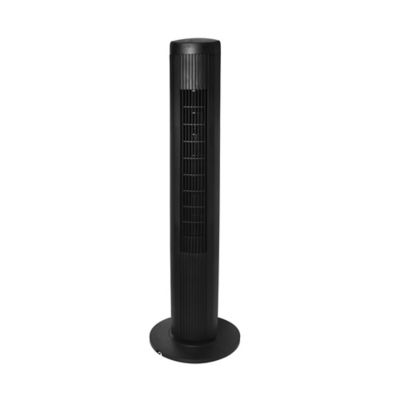
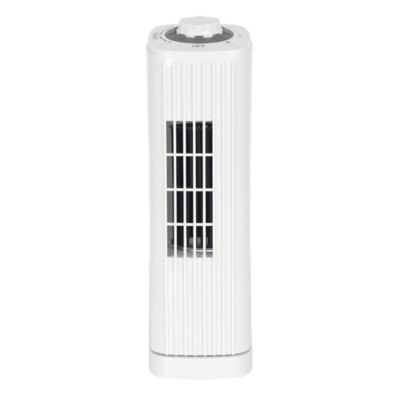
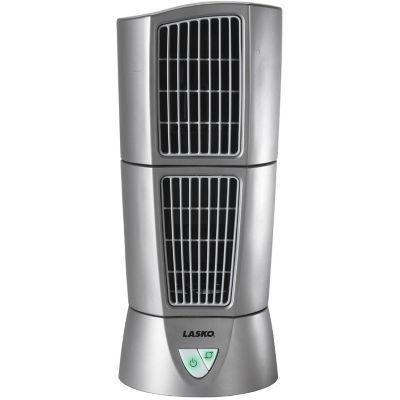
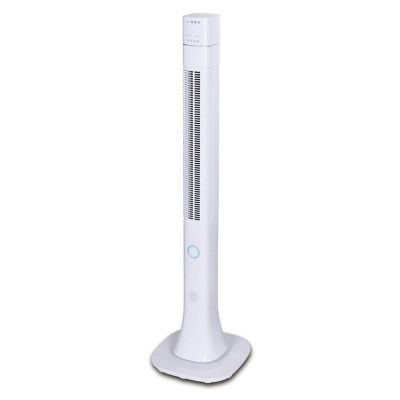
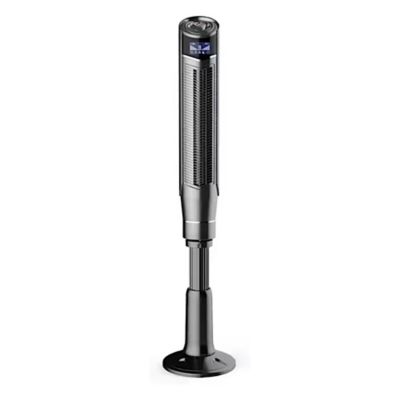
Space saving tower fans bring a practical way to move air through rooms without giving up much floor space. Their tall, narrow shape usually takes up less than a square foot, making them handy for small bedrooms, apartments, home offices, dorm rooms, campers, laundry rooms and crowded living areas. Instead of the wide, round housing found on a traditional fan, a tower fan stands upright and sends air through a vertical grille. That slim footprint can fit in the corner beside a dresser, between a sofa and the wall, or in the narrow space near a desk where a box fan would be in the way. Many models oscillate from side to side, helping spread airflow across a wider part of the room rather than cooling just one spot. They can be useful during warm weather when a little extra circulation makes a room feel more comfortable, and they can also help keep air moving during the cooler months when indoor heat leaves a room feeling stuffy. A tower fan is not a substitute for an air conditioner, but it can make a noticeable difference by creating a cooling breeze and helping distribute conditioned air more evenly. For more ways to make the most of limited room around the house, browse
Space Saving Appliances.
When choosing a space saving tower fan, start with the room and the way you plan to use it. A compact fan with a few straightforward speed settings may be all that is needed beside a bed, in a small office or near a reading chair. For a larger living room, open basement or workshop corner, look for a taller design with stronger airflow, multiple speed choices and a broad oscillation range. A fan with a remote control is convenient when it sits across the room or on the other side of the bed, while a control panel on the top can be easier to use when you prefer simple, hands-on operation. Timer settings can shut the fan off after you fall asleep or after a room has had time to cool down, which is useful for overnight comfort and energy-conscious households. Quiet or sleep settings are worth considering for light sleepers, babies' rooms and workspaces where mechanical noise can become distracting. Some advanced fans include digital temperature displays, thermostatic controls or smart home connectivity, while basic models keep things uncomplicated with manual buttons and a carrying handle. Check the fan's height, base width and cord length before buying, especially if it will sit in a tight corner. A stable base matters on hard floors, and a lighter unit is easier to move from the bedroom to the porch or from the living room to a home office. Enclosed blades and a narrow grille can offer added peace of mind around children and pets, but every fan should still be placed on a level surface with the cord kept away from walkways, water and curious paws. Keep air intakes clear of curtains, bedding, dust and furniture so the motor can breathe and the fan can work as intended. Regularly wiping the grille and following the cleaning directions can help maintain steady airflow over time.
Space saving tower fans suit all kinds of households, from a renter trying to cool a warm upstairs room to a family looking for better airflow in a busy great room. They are also useful in guest rooms, seasonal cabins, enclosed porches and work areas where floor space is already spoken for by storage bins, tools or furniture. A tall fan tucked near a doorway can help move air between nearby rooms, while one beside a desk can keep a steady breeze close at hand without taking up the work surface. In a bedroom, a quiet setting and timer can create a gentle nighttime breeze without leaving a large fan beside the bed. In a mudroom or laundry area, circulation may help the space feel less stale when doors and windows stay closed. These fans can make thoughtful housewarming gifts, dorm room gifts or practical presents for someone setting up a first apartment, especially when you know the recipient values a tidy, uncluttered room. Prices generally range from budget-friendly options with basic three-speed controls to higher-priced models with taller housings, stronger airflow, remote controls, timers and smart features. Consider the balance between footprint, airflow, noise level, controls and build quality rather than choosing by height alone. A slim design only helps if it moves enough air for the room, and extra features are most useful when they match your daily routine. With the right size and placement, a space saving tower fan can quietly earn its keep through changing seasons, keeping air circulating during warm stretches and making everyday rooms feel more comfortable without crowding the floor.