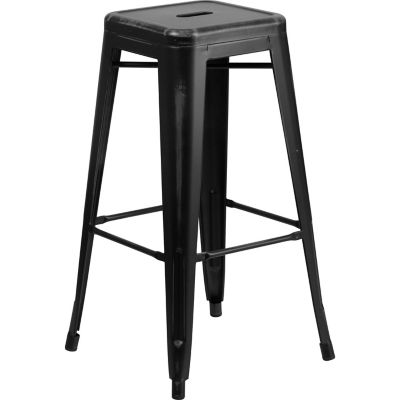
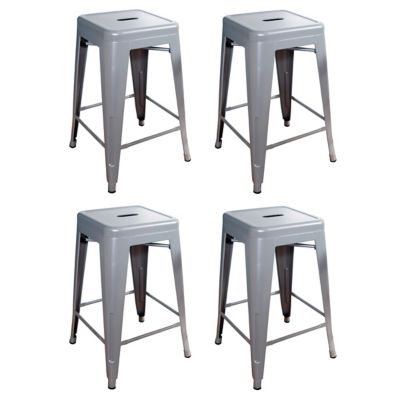
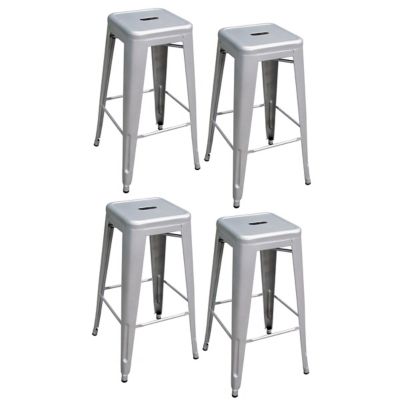
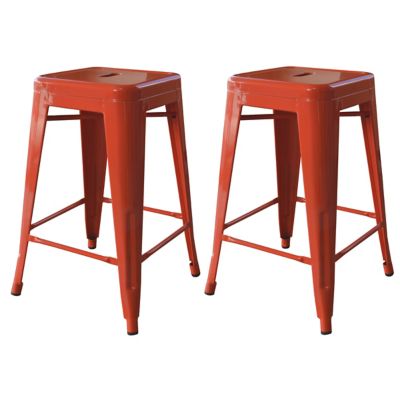
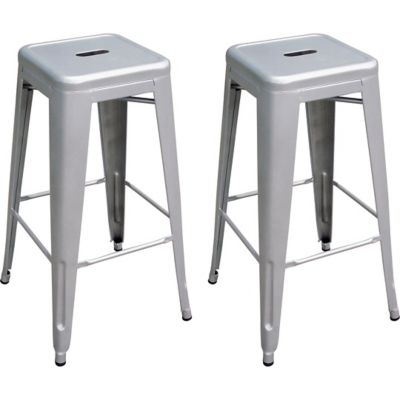
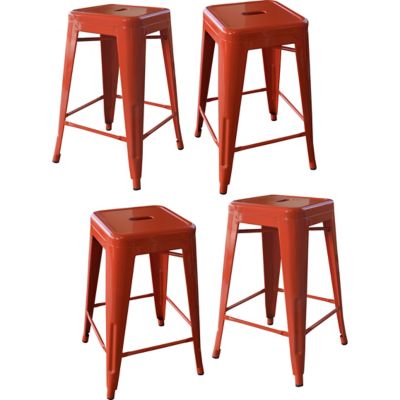
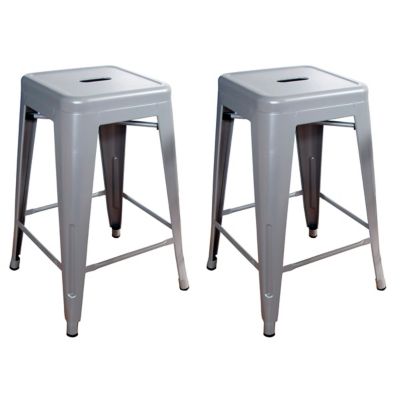
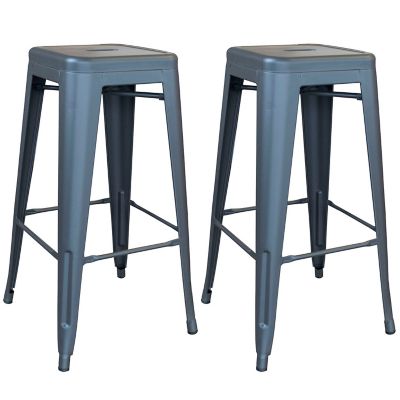
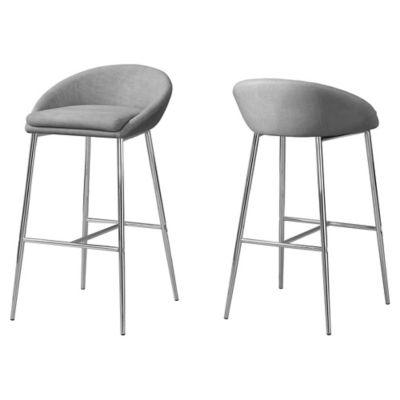
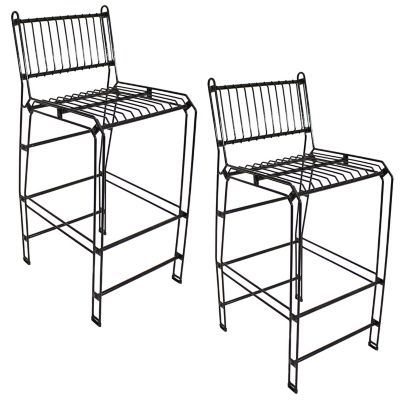
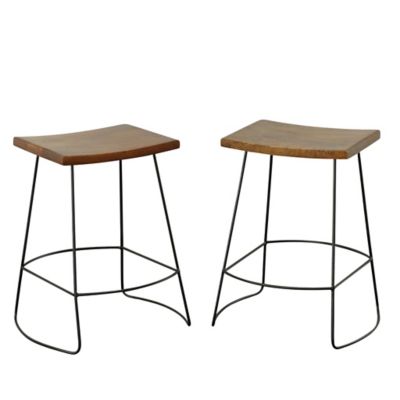
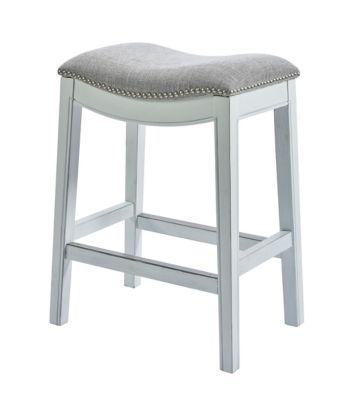
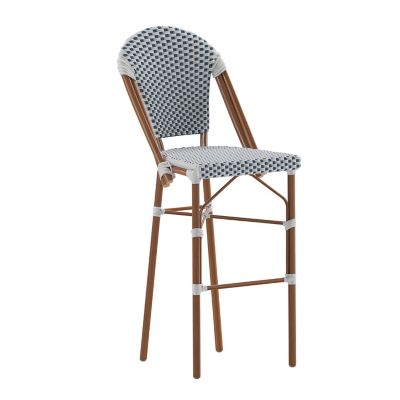
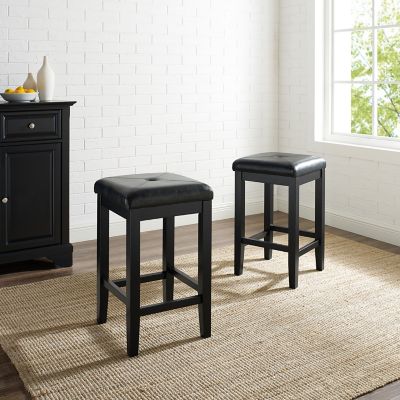
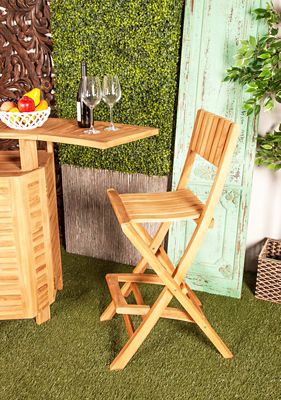
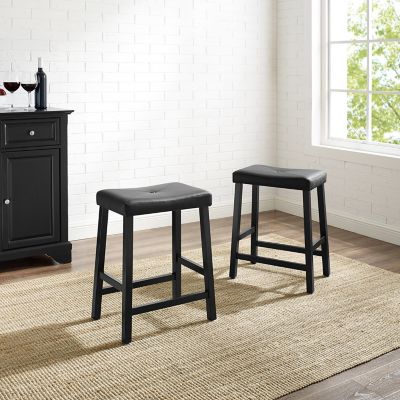
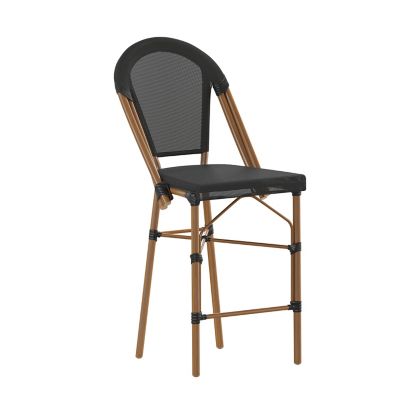
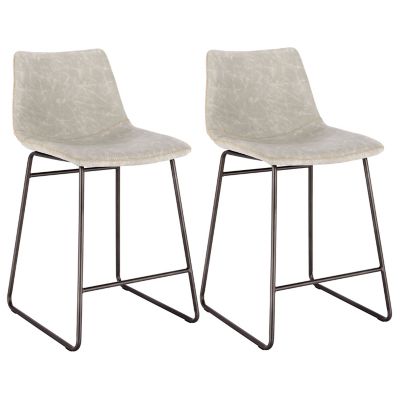
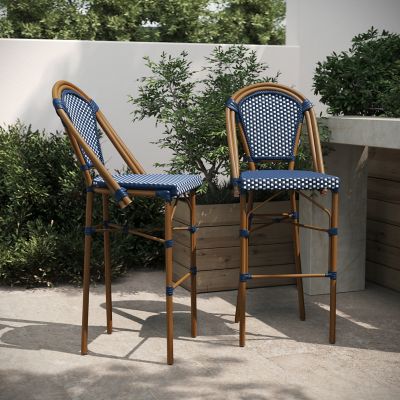
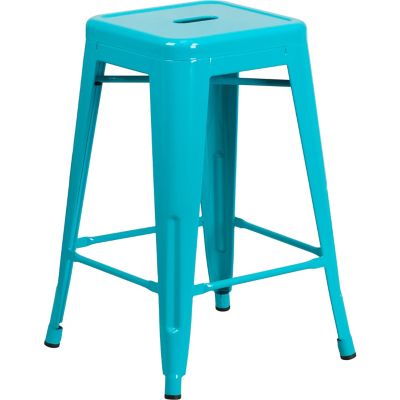
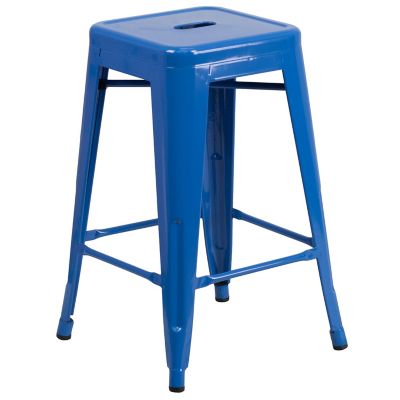
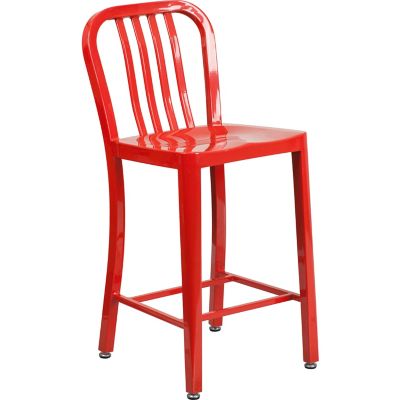
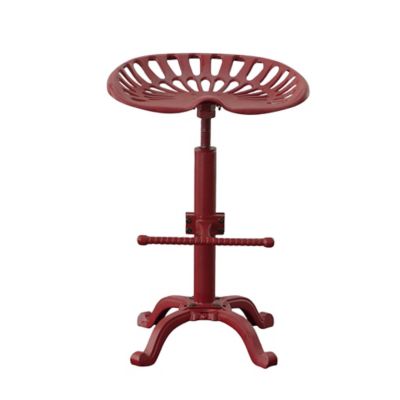
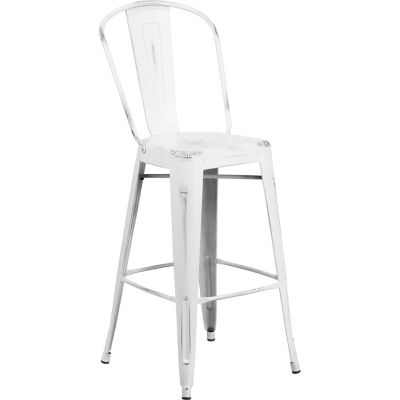
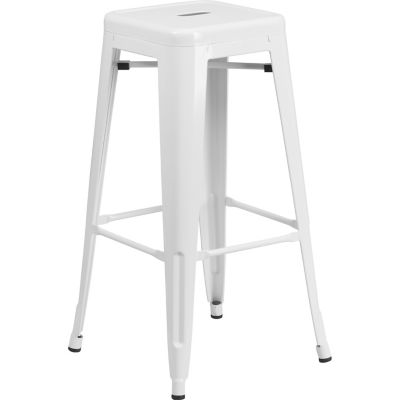
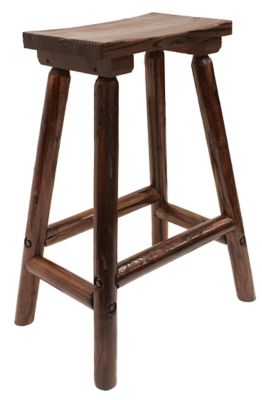
Space-saving bar stools bring seating to a kitchen island, breakfast counter, or home bar without taking over the floor. Backless, folding, and stackable designs each save room in a different way: backless stools can slide beneath a counter with enough clearance, folding stools flatten for storage, and stackable stools share one floor footprint when put away. The right shape depends on where the seating needs to go between meals. In a small farmhouse kitchen, a backless stool tucked beneath an island can leave the path open between the sink and the table. In an apartment or cabin, folding seating can make room for company without keeping extra chairs out all the time. A slim profile helps, but seat width alone does not tell the whole story. Legs, footrests, handles, and back supports all contribute to the space a stool takes up. A narrow seat with widely flared legs may need more floor room than its appearance suggests. Likewise, a low back may fit beneath an open counter but catch on an apron or support rail underneath. Backless styles often offer the simplest tuck-away fit, while low-back designs provide a little support without the height of a full chair back. Folding designs suit occasional seating, provided there is a practical place to store them and room to open them fully. Stackable seating makes sense when several stools need to come out for a meal and return to a corner afterward. The listed stacking limits and overall stacked height matter just as much as the footprint. Whether the setting is a busy family kitchen or a small breakfast nook, compact stools work best when they leave enough room for people to walk past, pull out a seat, and settle in without bumping elbows. Keeping the walkway clear also makes everyday sweeping and carrying a basket of laundry through the kitchen a little easier.
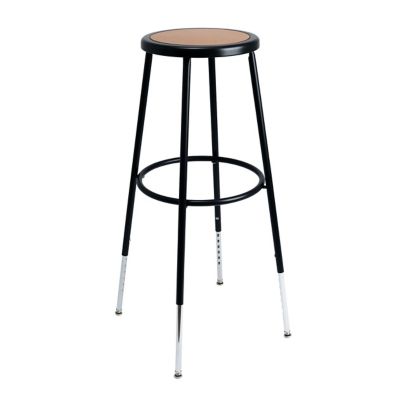
A comfortable fit starts with the relationship between the seat and the counter, not just the amount of floor space saved. Counter-height stools commonly have seats about 24 to 26 inches from the floor for surfaces around 34 to 36 inches high. Bar-height stools commonly have seats around 28 to 30 inches high for taller surfaces near 40 to 42 inches. Those ranges are starting points; the actual opening beneath the counter determines legroom. Roughly 9 to 12 inches between the seat and the underside of the counter generally gives an adult room to sit comfortably, though thick tops, drawers, and support brackets can reduce that clearance. Where a seating area needs more flexibility,
Adjustable Height Bar Stools can help match the seat to different counter heights within the stool’s stated adjustment range. An adjustable seat does not necessarily make the base smaller, so the base dimensions still matter in a tight kitchen. For several stools lined up together, allowing roughly 24 to 26 inches from the center of one seat to the next is a common starting point, with more room needed for wider seats, arms, or swivel movement. A swivel seat can make getting in and out easier without dragging the whole stool backward, but it needs clearance from neighboring seats and cabinet faces. Footrests also make a difference, especially at taller counters where feet cannot rest on the floor. A well-placed footrest supports a more relaxed sitting position during breakfast, homework, or a long conversation over coffee. Seat shape matters, too: a shallow contour can feel different from a flat round seat, and padding adds comfort while increasing the overall height and thickness. Posted weight limits, a steady base, and secure folding or adjustment mechanisms are important considerations for everyday seating. Children need seating suited to their age and size, along with supervision; a tall stool is not a substitute for a child’s chair.
Materials influence how space-saving bar stools look, feel, and hold up to daily life. Wood brings warmth to a kitchen with painted cabinets, open shelves, or a well-worn table nearby, while metal frames can offer a slim outline that keeps a small room from feeling crowded. Some designs combine a wood seat with a metal base, giving the seating a straightforward look that fits comfortably alongside farm-style furnishings or simpler modern pieces. Solid seats are generally easy to wipe after a quick sandwich or a spill at breakfast, while upholstered seats add cushioning for longer stretches at the counter. Fabric, vinyl, and other upholstery materials have different care requirements, so the care label matters when meals, kids, or frequent guests are part of the routine. Seams, grooves, and open frame details can collect crumbs even when the seat itself wipes clean. A soft cloth and a cleaner approved for the particular finish help protect wood, metal, and upholstery without unnecessary scrubbing. Spills are best handled promptly, and upholstered surfaces should not be soaked unless their care directions specifically allow it. Floor contact deserves attention as well. Suitable foot caps or glides can help limit scuffs, while clean contact points keep grit from scraping across the floor when a stool moves. On an uneven floor, a design with leveling feet may help the seat stand steadily when adjusted as directed. Periodic attention to fasteners, joints, hinges, and seat attachments helps keep everyday seating ready for the next meal. For folding stools, a secure open position matters more than how quickly they fold away. For stackable styles, protective contact points can help prevent the frames and seats from rubbing together in storage. A matching set can give a counter a tidy, settled look, while coordinating finishes can connect stools with nearby cabinet hardware or table legs. Compact seating can also make a thoughtful housewarming gift when the recipient’s counter measurements, preferred seat style, and storage space are already known. The best fit earns its place through comfortable seating, manageable care, and a footprint that leaves the kitchen easy to move through.