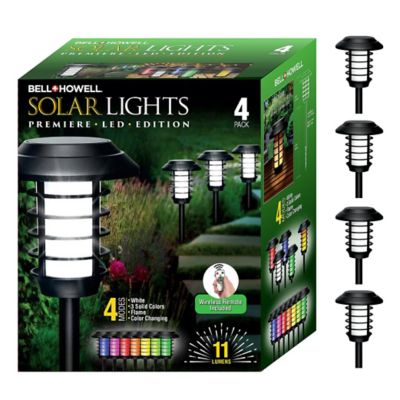
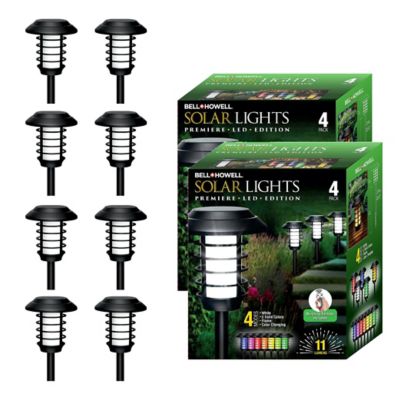
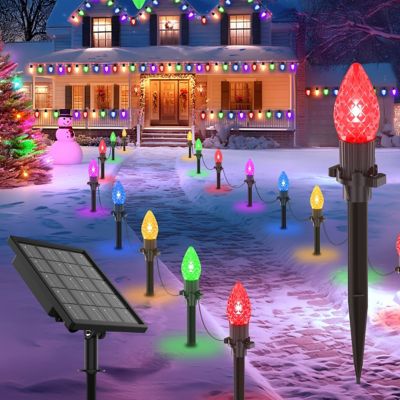
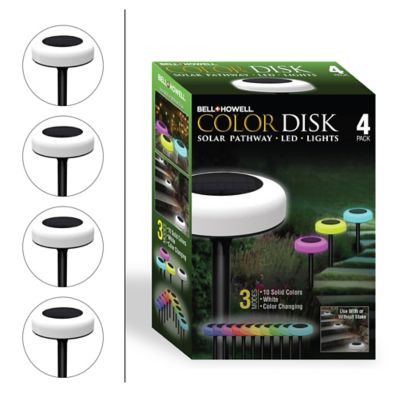
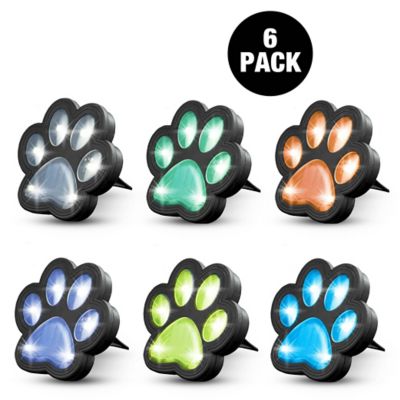
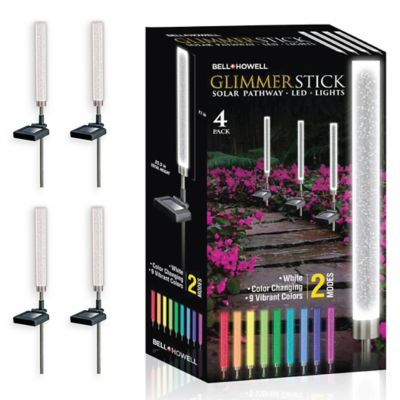
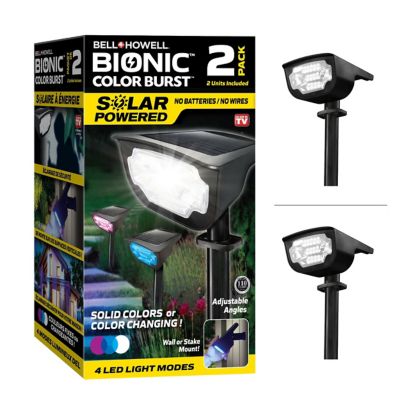
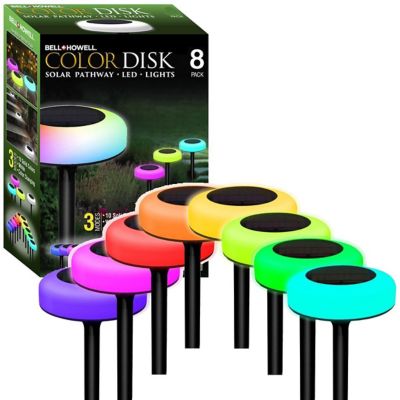
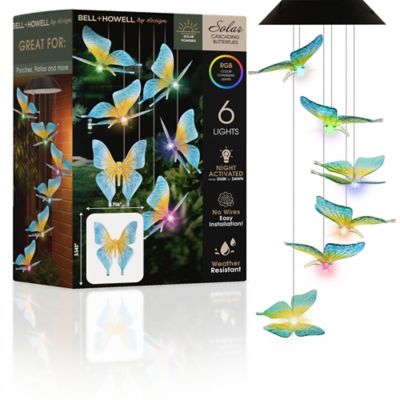
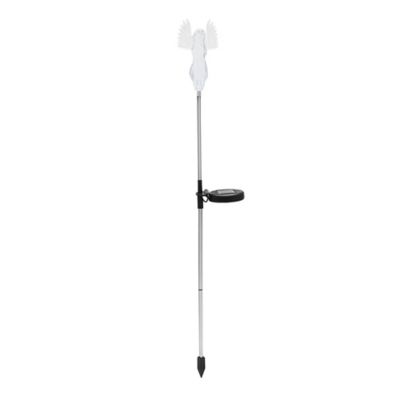
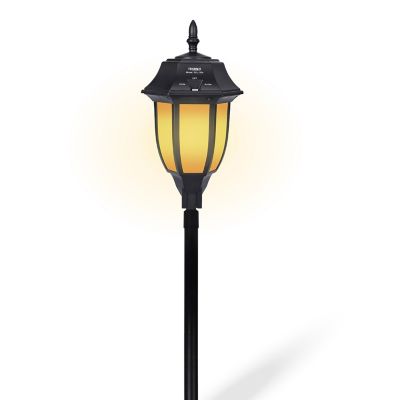
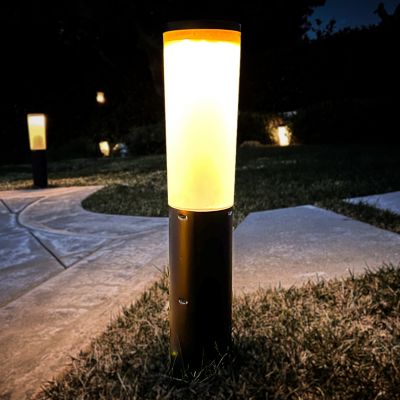
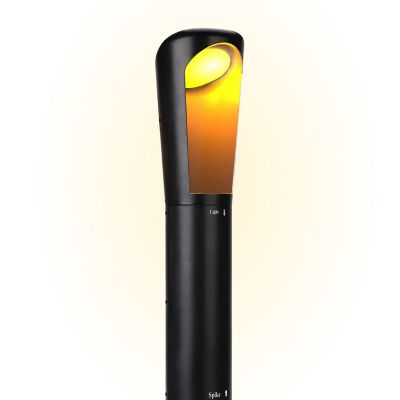
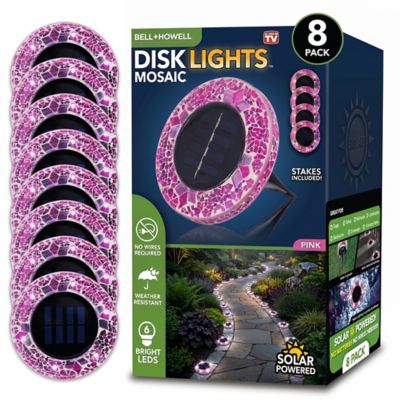
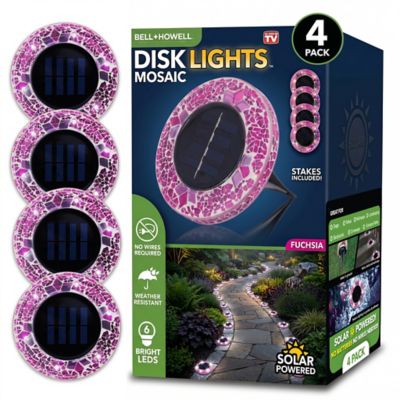
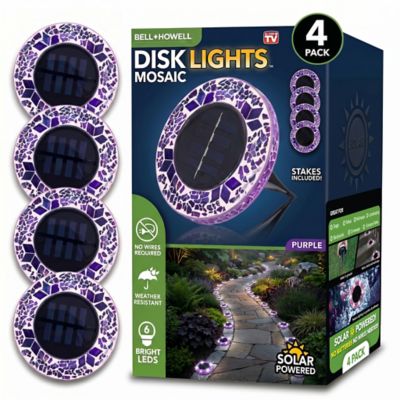
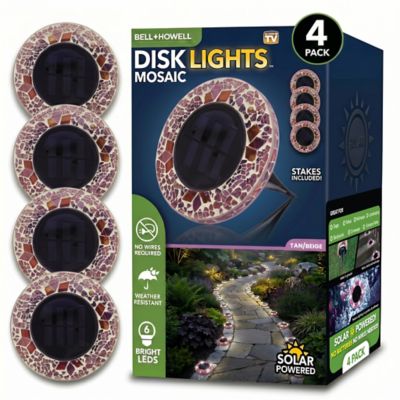
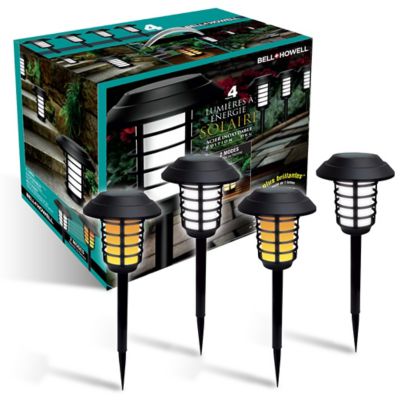
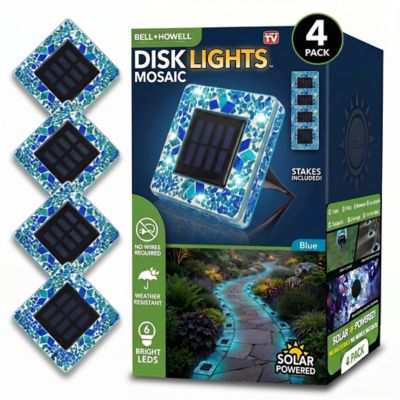
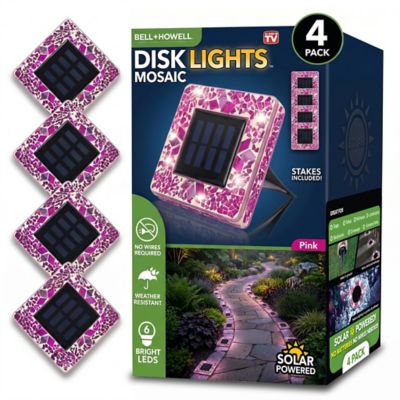
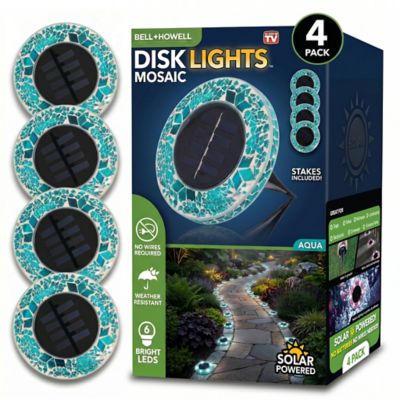
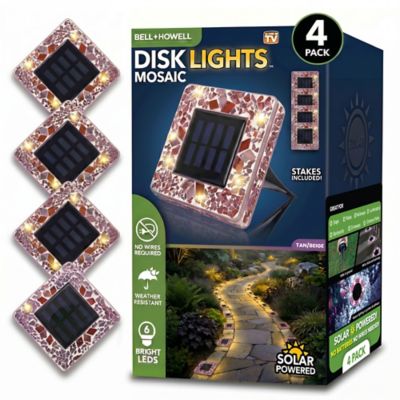
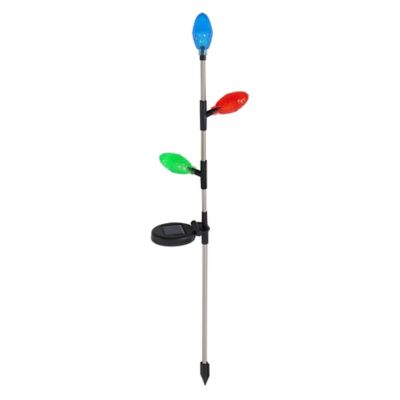
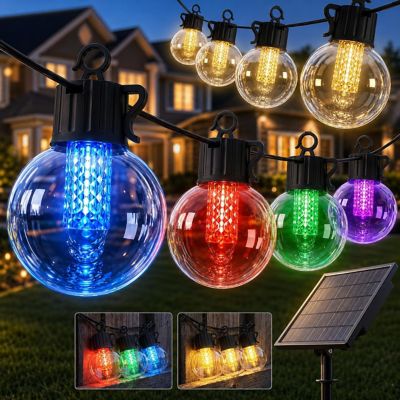
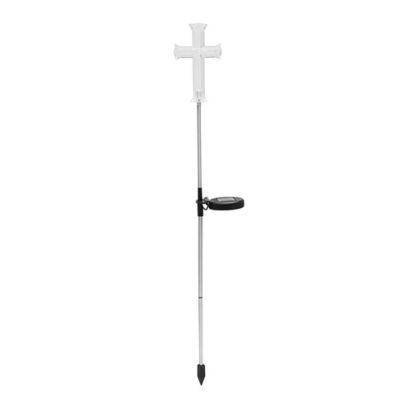
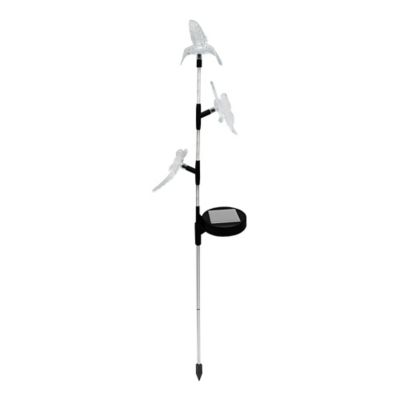
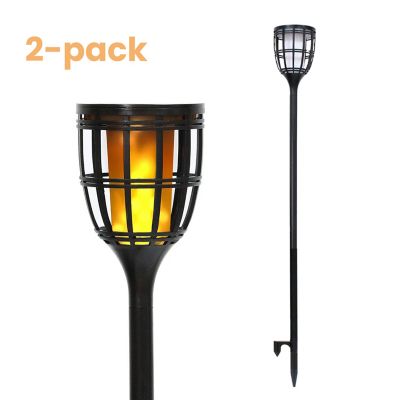
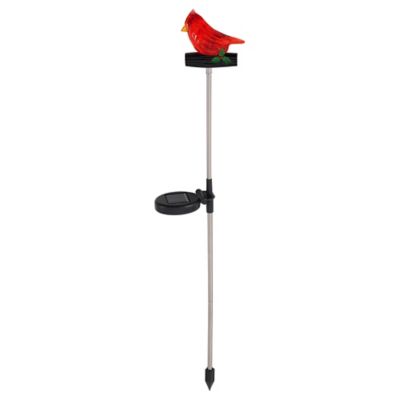
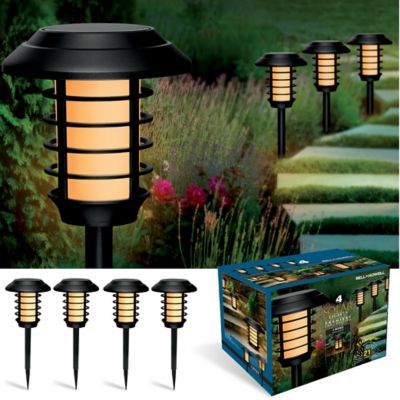
Color changing solar path lights bring a little more personality to outdoor spaces while helping family and guests find their way after dark. Unlike hardwired landscape lighting, they generally install without trenching, extension cords, or an electrician. Each light uses a small solar panel to collect daylight, stores that energy in a rechargeable battery, and turns on automatically when the built-in dusk-to-dawn sensor detects darkness. Set along a front walk, garden border, driveway, patio edge, or path to the barn, they can add a soft glow for everyday use and a brighter burst of color for gatherings or seasonal decorating. Many styles offer a steady single color, warm white illumination, a slow fade between shades, or a rotating rainbow effect. Red, blue, green, purple, and other colors can help create a festive look, while a fixed white or amber setting may be better for a calm, traditional appearance. For a country home, a few lights tucked beside a gravel walkway can make the route from the driveway to the porch feel more welcoming; around a flower bed, changing colors can draw attention to shrubs, planters, stones, or other yard features without overpowering them. These lights also make thoughtful gifts for new homeowners, gardeners, campers, and anyone who enjoys putting a personal touch on a porch or backyard. When comparing styles, think about the area you want to light, the amount of spacing you prefer between fixtures, and whether you want a subtle accent or a noticeable display. Traditional stake lights are easy to position in soil, mulch, and garden beds, while low-profile ground discs may suit a paved walkway or a place where a taller fixture could be bumped by pets, children, or equipment. Browse related outdoor lighting options with
Solar Pathway Lights to compare styles for different paths and outdoor areas.
A few practical details make a big difference in how well color changing solar path lights perform. Look for a weather-resistant construction made for outdoor exposure, and consider an IP65 or higher rating when the lights will be exposed to rain, sprinklers, mud, or snow. Weather resistance does not mean a light should sit in standing water, so place fixtures where drainage is good and avoid low spots that collect runoff. Battery capacity can vary widely, with many common models falling somewhere around 300mAh to 1200mAh. Larger capacity may support longer illumination, but actual runtime depends on the panel, battery condition, weather, season, selected color mode, and how much direct sunlight reaches the panel. Depending on those conditions, solar lights may shine for roughly 6 to 13 hours, while many charge in about 4 to 8 hours of strong daylight. A light that stays bright through the evening in full summer sun may run for fewer hours during cooler, cloudier stretches when the sun sits lower and daylight is shorter. Before placing the lights, remove any protective film from the solar panel and turn the power switch on; some units require pressing and holding the button for several seconds. If the switch is left in the off position, the panel will not charge the battery. During the first setup, allow the lights to receive a full day of sunlight before judging their nighttime performance. Position the panels away from heavy shade cast by porches, tall shrubs, fences, or outbuildings. Even a narrow strip of direct sun can be more useful than a bright-looking spot that stays shaded most of the day. Keep the panel free of dust, pollen, leaves, and bird droppings, since buildup can reduce the amount of light reaching the cells. Also check nearby outdoor fixtures: a porch lamp, streetlight, or motion light may shine directly on the dusk sensor and keep the path lights from turning on.
Color-changing solar path lights can be set up for everyday visibility, decorative appeal, or a combination of both. Along a frequently used walkway, spacing the fixtures evenly helps mark the route without creating harsh bright spots. Around a driveway or garden, wider spacing and alternating colors can create a more relaxed look. A steady color often works well near steps and entry points, where consistent illumination is easier to follow, while a slow-fade or color-cycle mode can add movement around a patio, pergola, fire pit area, or outdoor seating space. Flashing modes may be fun for a party or celebration, but a slower transition is usually more comfortable for regular evening use and less distracting for neighbors. If you want to change settings from a chair or porch, consider whether the light set includes a remote control; basic models may cycle automatically, while more advanced options may offer fixed colors, timing controls, app operation, or smart-home and voice compatibility. Keep in mind that controls and smart features can require extra setup, and the simplest automatic lights may be the best fit for a long fence line or a path where you want dependable, low-maintenance operation. When the weather warms, check that stakes are firmly seated but not forced into hard ground, and during the cooler months, gently remove frozen soil or debris before repositioning them. If a light stops running through the night, first move it into fuller sun, clean the panel, confirm the switch is on, and give the battery time to recharge. With thoughtful placement and occasional care, these lights can add a welcoming glow from the front gate to the garden path, helping outdoor spaces feel finished long after the sun goes down.