Solar farm equipment includes the panels, mounting hardware, power controls and connected equipment that bring solar energy to working land. The term covers two different setups: utility-scale solar farms that generate electricity for the power grid and on-farm solar systems that support agricultural work. A large solar installation typically combines photovoltaic panels with fixed racks or sun-tracking mounts, inverters, transformers, electrical protection and monitoring equipment. On a working farm or ranch, the focus may be powering a livestock water pump, maintaining an electric fence, lighting an outbuilding or charging battery-operated equipment away from the shop. Both depend on matching electrical output to the job rather than judging a system by panel size alone. Solar panels produce direct-current electricity, while much farm equipment runs on alternating current, making compatible power conversion an important part of the setup. Mounting materials matter, too. Aluminum frames, galvanized steel supports and corrosion-resistant fasteners can help equipment stand up to outdoor exposure, though the right combination depends on the site and manufacturer requirements. A panel above a shed roof has different mounting needs than an array beside a pasture, and neither should interfere with gates, livestock movement or equipment access. Roof condition, structural capacity, ground conditions and the weight of the complete assembly all affect fit. Across larger properties, panel rows also need room for inspection, vegetation management and maintenance equipment without putting wiring or support posts in harm’s way. Some agricultural installations share land with grazing or crop production, a practice called agrivoltaics, but clearance, animal access and protection for electrical components need deliberate planning. For a small acreage owner or a full-time farm operator, the most practical solar equipment fits the property’s daily work without creating another obstacle in the lane. Permanent installations also bring electrical-code, permitting and utility-interconnection requirements into the picture, so professional design and installation can be just as important as the equipment itself.
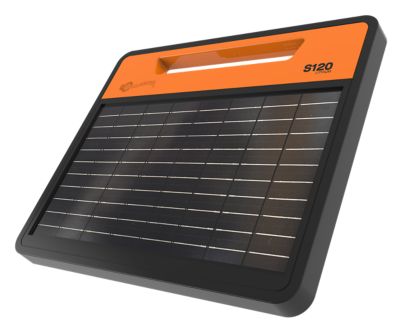
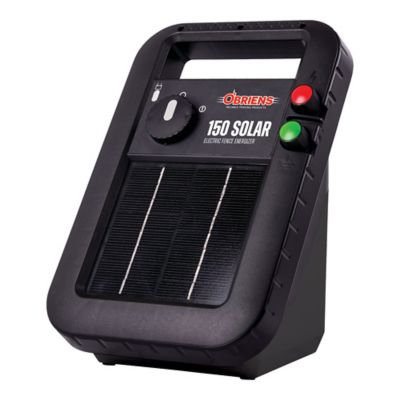
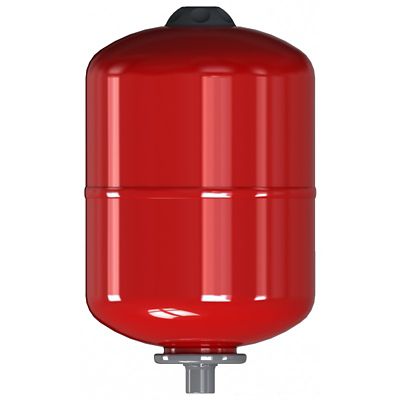
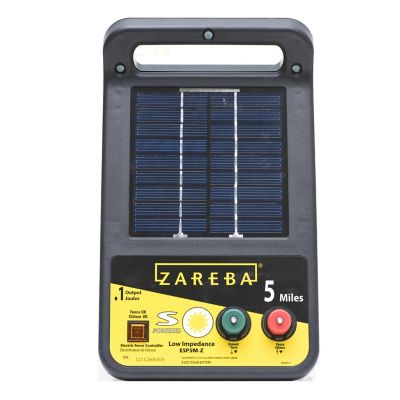
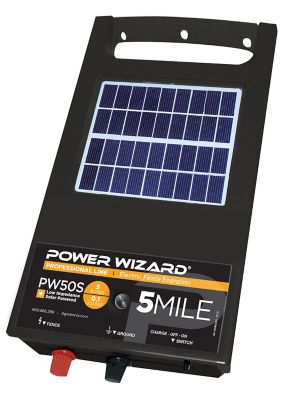
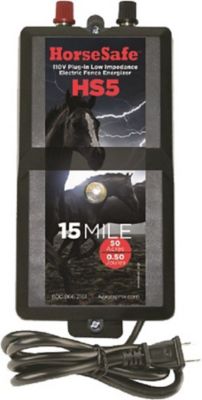
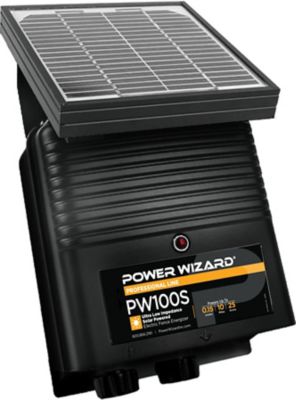
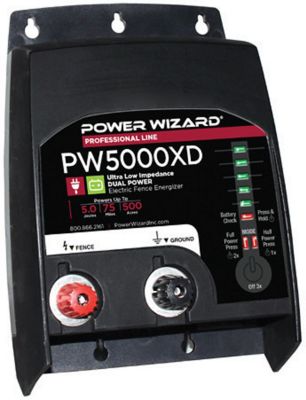
On-farm solar equipment often makes the most sense where a task sits a long way from an electrical connection. A livestock watering point beyond the barnyard is a good example: a solar-powered pumping system can move water when sunlight supports operation, while a properly sized storage tank can help bridge periods when the pump is not running. Pump selection depends on more than the distance to the trough. Well depth, vertical lift, pipe length, flow requirements and daily livestock demand all affect how much work the system must do. A direct-solar pump and a battery-supported pump also serve different operating needs, so their controls and electrical requirements are not interchangeable. Solar electric fencing has its own set of considerations. The energizer’s output, grounding arrangement, fence length, conductor type and vegetation contact all influence performance; a panel’s wattage alone does not tell the whole story. Around corrals, gates and equipment sheds, solar lighting may support visibility without a long electrical run, with attention to mounting height, light coverage and the distance between a separate panel and its fixture. Clear exposure to sunlight matters across these applications. Shade from a barn roof, tree line or tall equipment can reduce production, even when the panel looks well placed from the ground. Livestock access deserves equal thought, since curious cattle, rubbing horses and chewing animals can put exposed cables and low-mounted components at risk. Protected cable routing, secure brackets and enclosures rated for the installation help keep the setup suited to farm life. For properties with several work areas, the choice between one larger system and separate task-specific systems comes down to distance, electrical demand and how each area operates. A pump at a distant tank and a light over a walk-through gate do not necessarily need the same power arrangement.
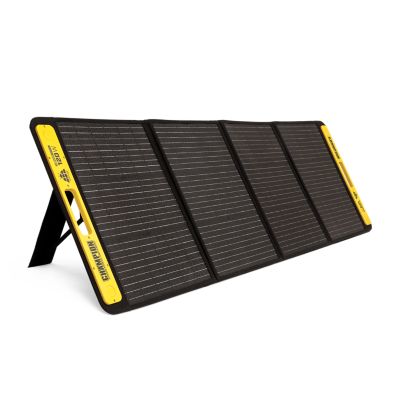
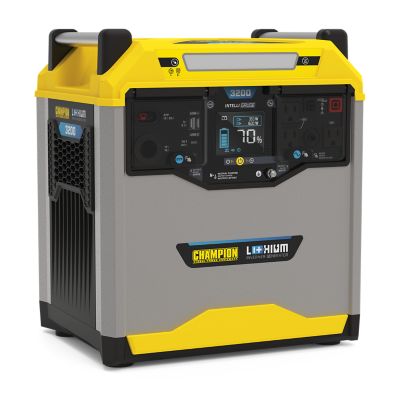
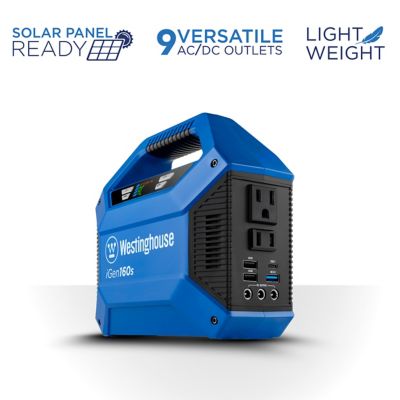
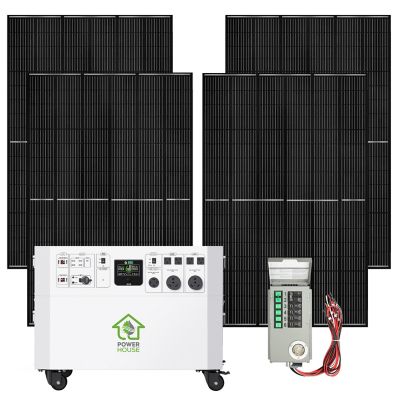
Portable solar power serves another part of the farm routine, especially for work that moves between the shop, a field entrance and a remote repair spot. A battery-based power station paired with compatible solar panels stores electricity for later use, unlike a panel by itself, which only produces electricity while receiving light. For jobs that call for movable stored power,
Job Site Solar Generators can be a useful category to consider alongside fixed agricultural solar systems. The important distinctions are continuous output, starting-surge capacity, battery capacity and solar charging limits. Watts describe the rate of power delivery, while watt-hours describe stored energy; neither number alone establishes whether a setup can handle a particular job. A small charger and a motor-driven tool place very different demands on an inverter, and equipment with a high startup surge may require more capacity than its running draw suggests. Connector type, input voltage range, cable ratings and manufacturer-approved compatibility also matter when pairing panels with storage equipment. Portable does not always mean easy to carry across a pasture, either. Weight, handle placement, panel folding dimensions and storage space all affect how comfortably equipment travels in a truck or moves through a crowded shed. For permanent battery storage, enclosure requirements, ventilation, access and protection from accidental impact deserve close attention. Grid-connected solar also does not automatically keep farm equipment running during an outage; backup power requires a system designed and wired for that purpose. Over the life of any setup, routine care helps protect the investment in both equipment and installation. Panel surfaces need cleaning according to manufacturer directions, wiring needs protection from abrasion and animal damage, and mounting points need periodic inspection for movement or corrosion. Battery care depends on the battery chemistry and charging system, not a one-size-fits-all routine. With suitable sizing, compatible components and room for ongoing maintenance, solar equipment can take on practical chores around a farm while fitting into the way the place already runs.