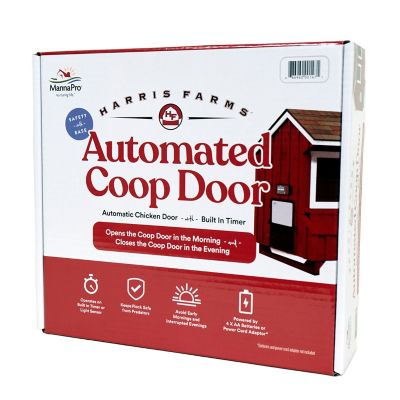
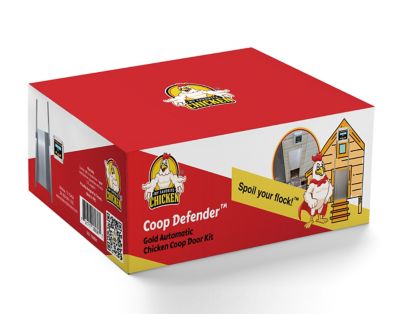
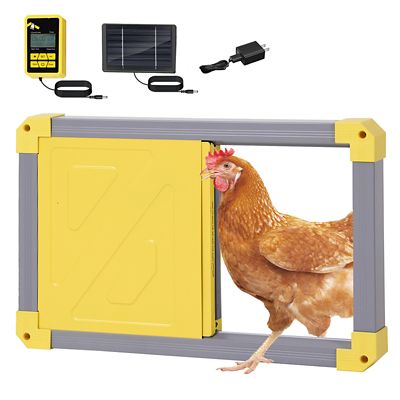
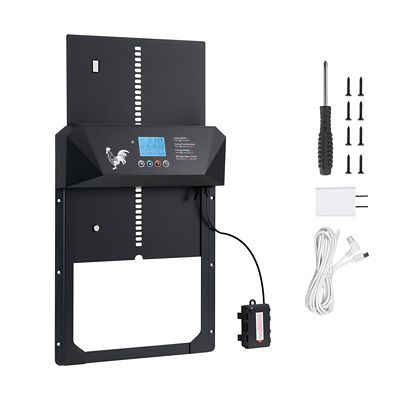
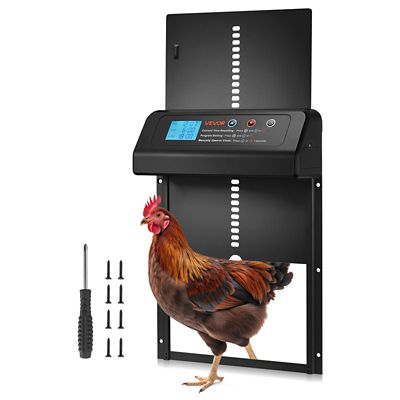
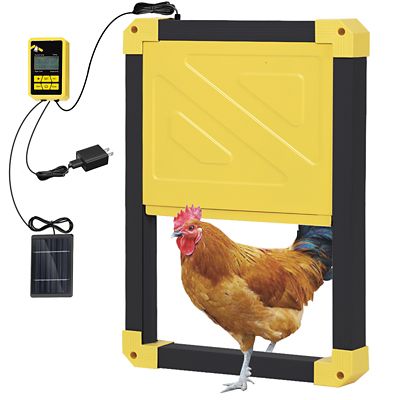
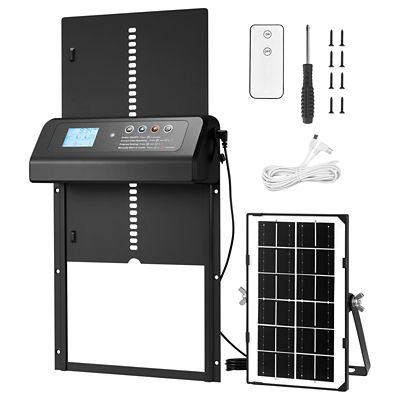
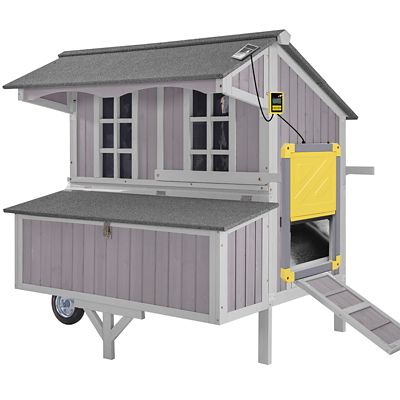
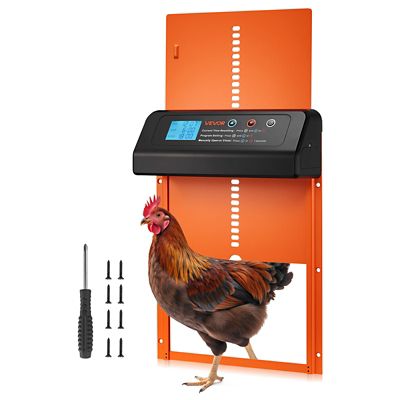
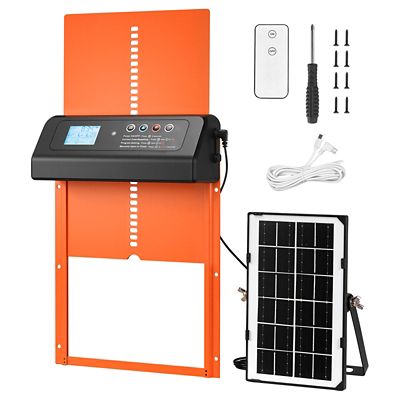
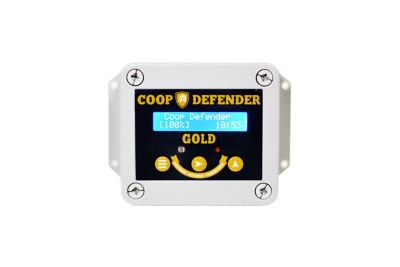
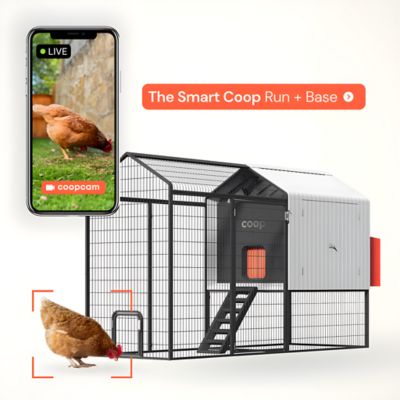
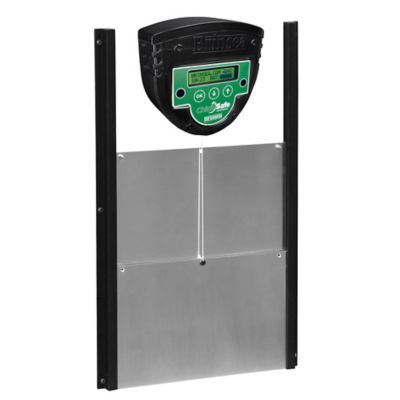
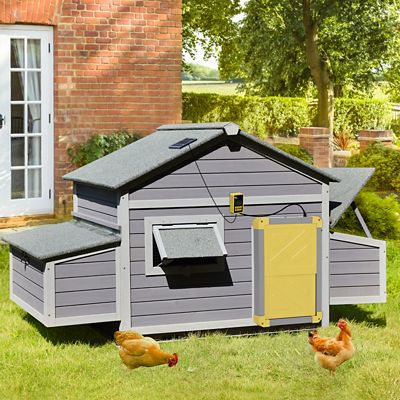
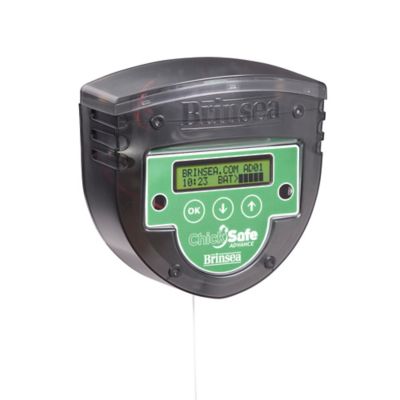
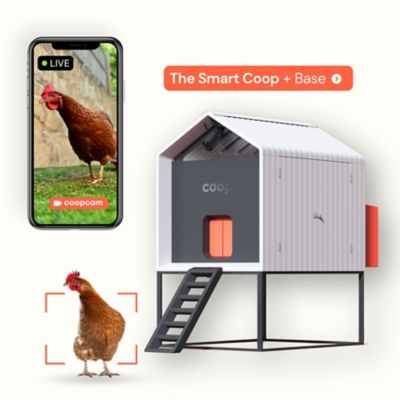
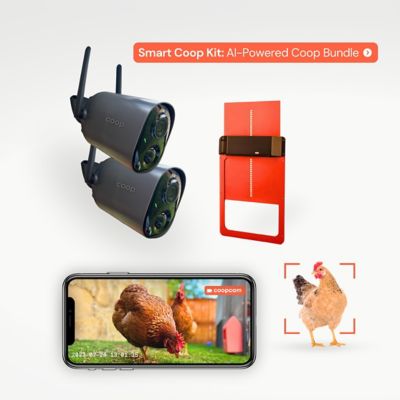
Automatic chicken doors make the daily coop routine easier by opening and closing the entry at a set time, so your flock can move between the coop and run without someone having to walk outside at daybreak or dusk. These motorized doors are useful for backyard keepers, homesteaders, small farms and anyone who wants a little more flexibility in the morning. A door may open on a strict digital schedule, respond to changing daylight with a built-in light sensor, or offer manual control through a button, remote, Bluetooth or Wi-Fi connection, depending on the design. A timer can work well when your flock follows a steady routine, while a light sensor can be handy when sunrise and sunset shift through the seasons. Some owners like the convenience of checking the door from a phone, while others prefer a simple battery-powered setup with fewer connections to manage. Automatic chicken doors can also be a thoughtful gift for a new flock owner, a family building its first coop or a busy rural household that still wants dependable care for its hens. They do not replace regular flock checks, but they can take one more chore off the early-morning and evening list, especially during the cooler months when a warm cup of coffee sounds better than a walk to the coop before sunrise. For households with other outdoor pets, Tractor Supply also offers
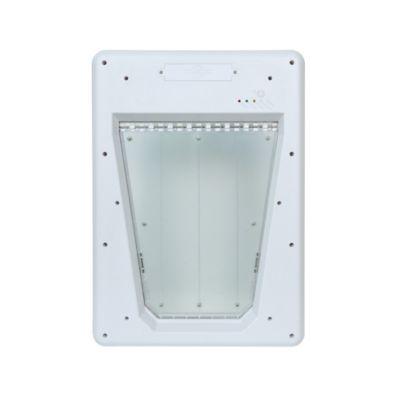
Automatic Pet Doors designed around a different set of home and animal needs.
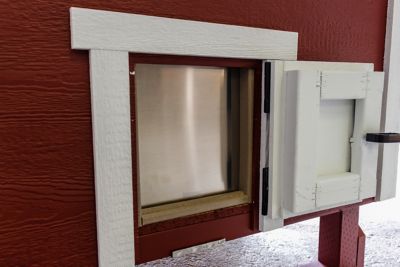
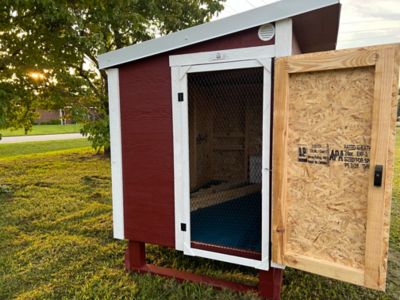
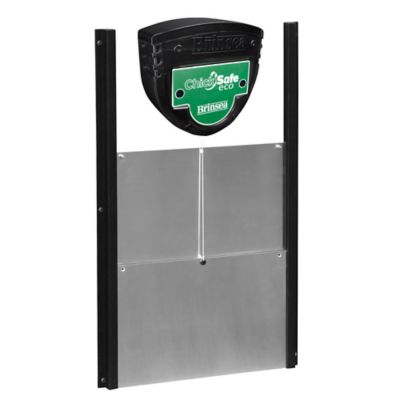
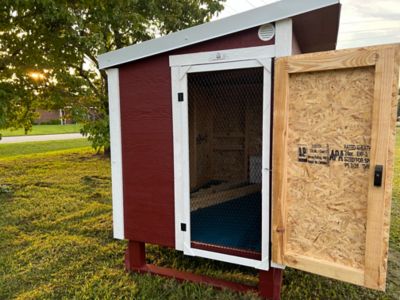
When comparing automatic chicken doors, start by looking at the coop opening, available wall space and the way your birds enter and leave. Vertical sliding doors travel up and down along tracks and are often a practical choice for a standard coop wall, while side-to-side panels may fit better where there is limited clearance above the opening. Measure the existing entry carefully, including the width, height and surrounding trim, and make sure the door will not interfere with roosts, nesting boxes or the run fencing. Many units can be mounted to wood, while some installations require an adapter or added framing for wire mesh, thin panels or uneven surfaces. Power is another important consideration. Battery-powered doors are convenient for off-grid coops and locations without a nearby outlet, with some using standard AA batteries and others using rechargeable battery packs. Plug-in models can be useful when dependable household power is close by, and solar-compatible setups may help in sunny areas where running a cord is inconvenient. Think about access to the motor and battery compartment, too; a door is easier to live with when routine battery changes and cleaning do not require taking apart half the coop. Before choosing a setup, consider how far the coop sits from the house, whether the area has reliable Wi-Fi or Bluetooth range, and how comfortable you are managing an app compared with a straightforward timer or light sensor. Prices vary widely, from basic battery-operated doors to more feature-rich models with smart controls, heavier construction or solar power, so matching the features to your flock and property is usually more useful than paying for options you will not use.
Safety and weather resistance matter just as much as scheduling. Look for an automatic chicken door with an anti-pinch feature or an auto-stop and reverse mechanism that can detect resistance and reopen if a bird is caught beneath the closing panel. This feature is especially helpful when a slow hen lingers in the doorway, though the door area should still be observed during the first few cycles and checked as part of normal coop care. After installation, run a full test cycle so the motor can recognize its open and closed limits, then watch the door at dawn and dusk to confirm that the timing, sensor and travel path are working as expected. Keep the bottom track free of straw, feathers, mud, snow and ice so the panel can close tightly without unnecessary strain or triggering a safety reverse. During wet weather and changing temperatures, inspect screws, tracks, seals and wiring for looseness or buildup. A secure closed door can help keep nighttime predators out, but it should be paired with solid coop construction, covered ventilation, strong latches on other openings and a fenced run. Place the control or battery area where curious birds cannot peck at it, and make sure the opening is sized for the largest bird in your flock without leaving an oversized gap. With the right fit and a little routine maintenance, an automatic chicken door can become one of those quiet farm conveniences you notice most when it is working exactly as it should: hens step outside with the morning light, the flock settles in as evening arrives, and you have one less trip to make through the yard.