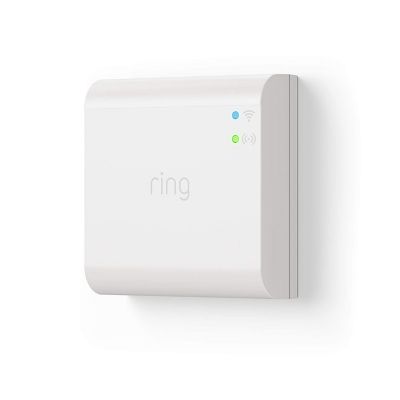
Smart home upgrades add connected control to everyday household tasks, from adjusting the temperature to checking the front steps after dark. Common categories include smart thermostats, video doorbells, connected lighting controls, smart plugs, and hubs that bring compatible devices together. Each serves a different purpose: thermostats manage heating and cooling schedules, doorbells provide a view of the entry, lighting controls handle brightness or timing, and smart plugs switch suitable plug-in equipment on and off. For a home where mornings start before sunrise and evening chores run past supper, those small changes can make the day a little easier. Porch lights can follow sunset instead of a fixed clock time, while a compatible doorbell can send an alert when someone arrives at the house. A household with shifting work hours may appreciate phone controls more than a rigid schedule; another may prefer simple routines that run without much attention. The best fit depends on the task, the people in the house, and the connections already in place. Some devices connect directly to Wi-Fi, while others need a compatible hub or bridge. Support for the same voice assistant does not necessarily mean every feature works across every device, so connection standards and supported functions matter. Physical controls count, too. A wall switch or thermostat should still feel straightforward to a guest, a grandparent, or anyone whose phone is charging in another room. Connected features are most useful when they support familiar habits rather than turn a quick task into a string of app screens. For homeowners, renters with permission to make changes, and folks helping family members simplify household routines, smart home equipment offers several starting points without requiring a whole-house overhaul. A room, an entrance, or a frequently adjusted setting can be enough to give connected controls a practical place in everyday life. Removable, plug-in options may suit temporary living arrangements, while hardwired controls generally call for more planning and permission.
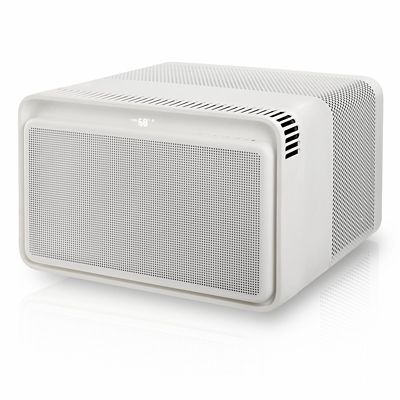
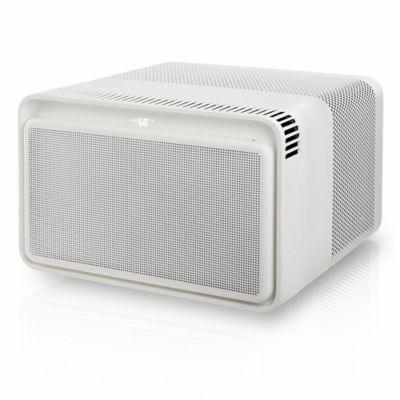
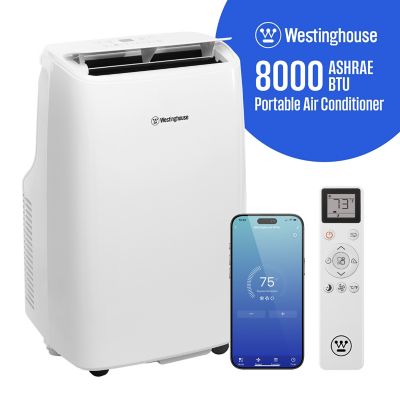
Heating, cooling, and lighting are natural places to focus because they affect comfort throughout the day. A smart thermostat can follow a programmed schedule, and some models offer occupancy sensing, remote temperature sensors, or learning features that adapt to household patterns. Those capabilities vary, and reduced energy consumption depends on the building, the weather, the equipment, and the settings. In a drafty farmhouse or a home with rooms that warm unevenly, connected controls cannot replace insulation, air sealing, or needed HVAC repairs. They can, however, make temperature adjustments and system monitoring more convenient when matched to the equipment. Compatibility includes the heating and cooling system type, the number of stages, the control voltage, and any wiring requirements, such as a common wire for continuous power. Heat pumps and systems with auxiliary heat need controls that support their operating requirements. Equipment in the
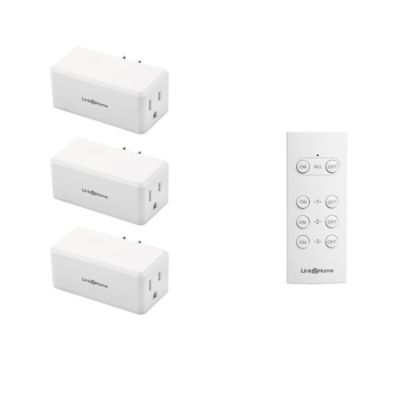
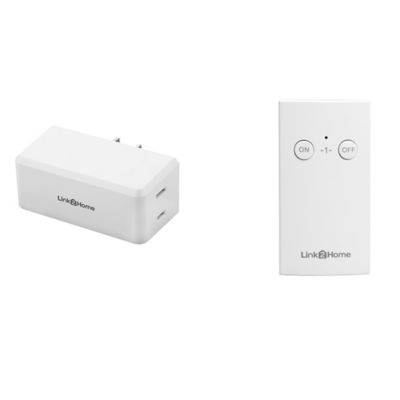
Smart HVAC Systems category belongs in that larger conversation about connected comfort, where matching controls to the existing setup matters more than adding features nobody needs. Lighting has its own fit requirements. Connected switches must suit the wiring in the wall box, and dimming controls need compatible bulbs and fixtures to operate properly. Older homes may have limited box space or lack the neutral wire that certain switches require. Smart plugs offer another route for compatible lamps and other permitted loads, but their electrical ratings must match the equipment attached to them. High-draw appliances and motor-driven equipment need particular care; a general-purpose smart plug is not a universal control for heaters, pumps, or shop machinery. During the cooler months, scheduled indoor lighting can make a mudroom easier to navigate with full hands, while an appropriate outdoor control can keep entry lighting aligned with shorter daylight hours. Electrical changes belong with a qualified professional whenever the work, local requirements, or unfamiliar wiring calls for one. A sound installation leaves room for ordinary operation, including clear access to switches and controls when an internet connection is down.
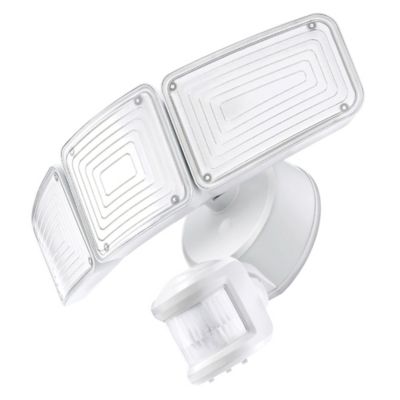
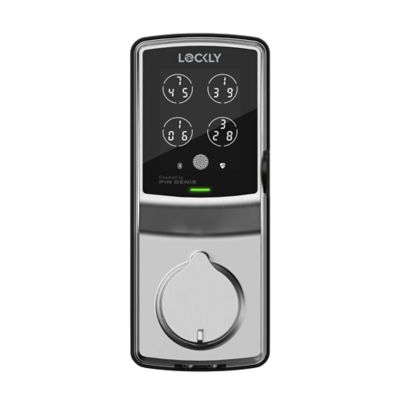
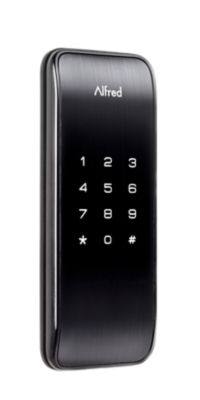
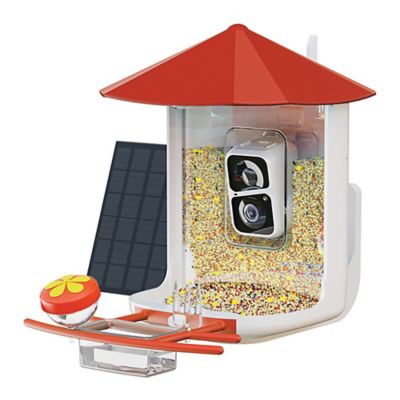
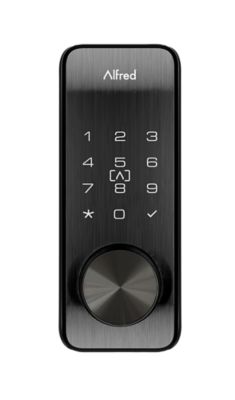
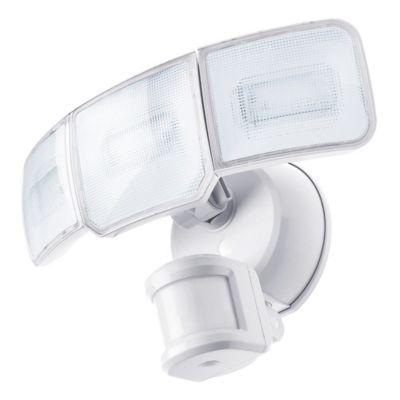
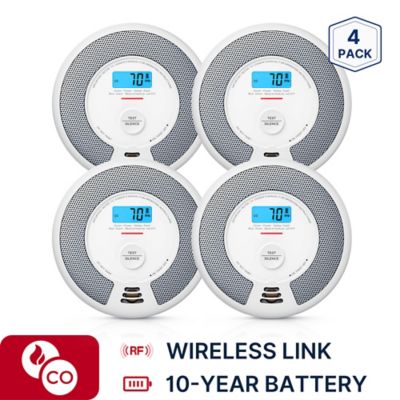
Around entrances, garages, and other household spaces, smart security and monitoring equipment can help keep everyday activity in view. Video doorbells and connected cameras may offer live viewing, motion alerts, two-way audio, or recorded clips, depending on their features and setup. For a house set back from the road, camera placement matters as much as the feature list: a view aimed at the front walk may be more useful than one filled with passing traffic, swaying branches, or headlights. Motion zones can help narrow alerts where supported, but no camera replaces sound locks, adequate lighting, or a broader home security plan. Remote buildings bring another consideration. A strong signal in the kitchen does not guarantee coverage at a detached garage, and metal siding, masonry, distance, and trees can interfere with wireless connections. Power access, network reach, and operating temperature limits all affect where equipment belongs. For outdoor installations, weather ratings and manufacturer-approved mounting positions matter more than appearance alone. Housings may combine molded plastic, metal, seals, and protective lens covers; their suitability depends on exposure to rain, dust, sunlight, and temperature swings. Indoor equipment belongs indoors unless its rating says otherwise. Battery-powered options can offer placement flexibility, though recording activity, signal strength, and cold weather may affect the time between charges. Routine care usually includes gently cleaning lenses and sensor surfaces as directed, checking mounts and seals, and keeping charging connections free of moisture. Software upkeep matters alongside physical care. Strong passwords, supported security updates, and multifactor authentication where offered help protect connected accounts. Recording storage, subscription requirements, and access permissions also deserve attention, especially in a household sharing controls across several phones. Some functions may continue locally during an internet outage, while remote viewing and alerts can depend on a working connection; behavior varies by system. For a housewarming gift or a family member settling into a new place, compatible connected equipment can be a thoughtful choice when installation needs and privacy preferences are already understood. The most useful upgrades fit the house, handle the conditions where they operate, and make familiar routines easier to manage.