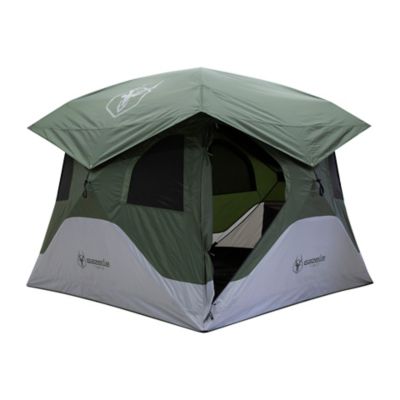
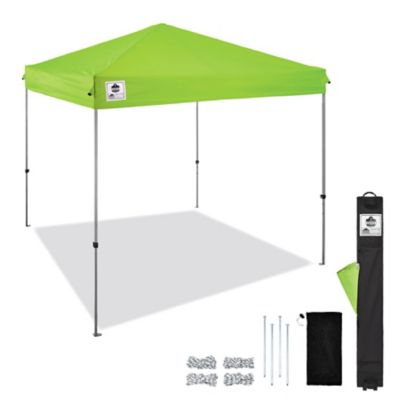
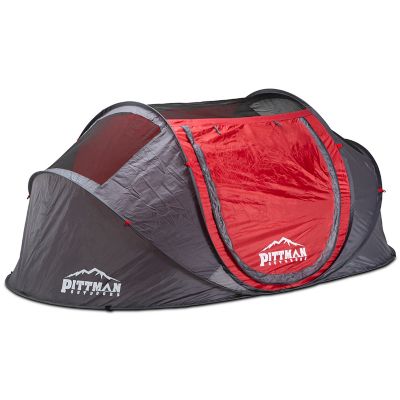
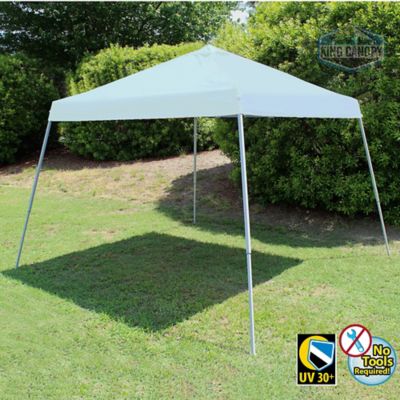
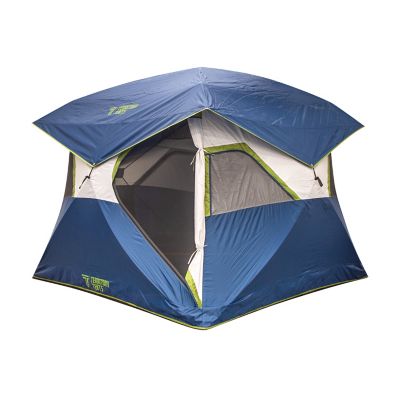
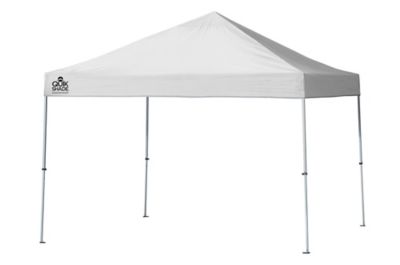
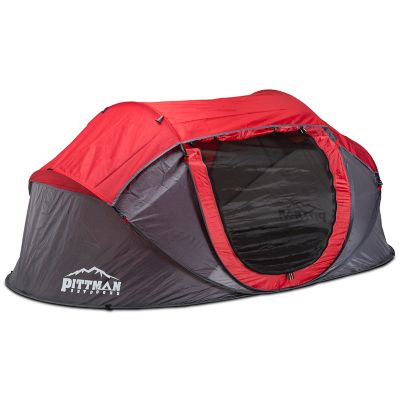
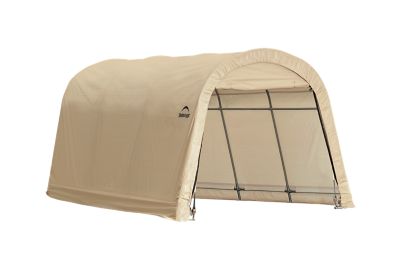
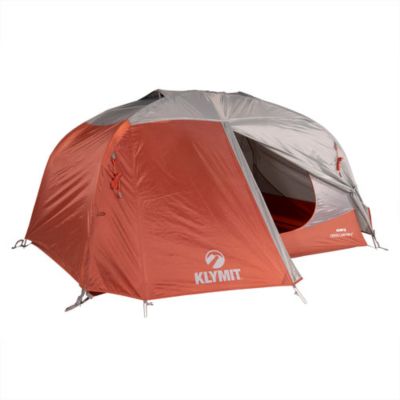
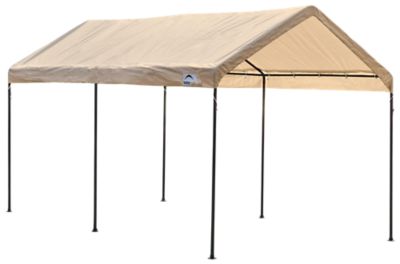
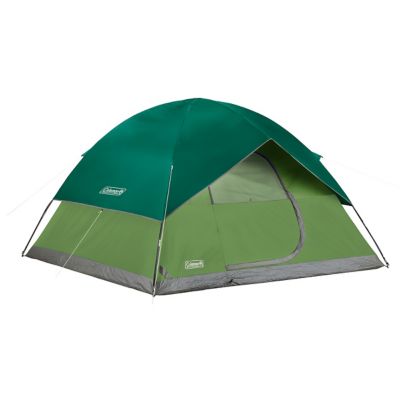
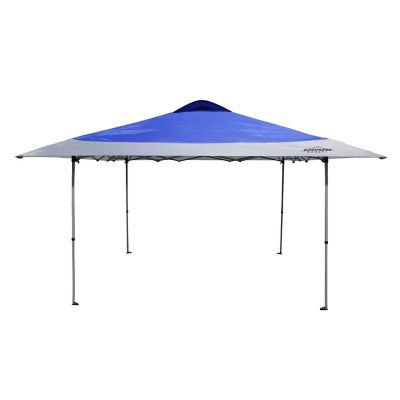
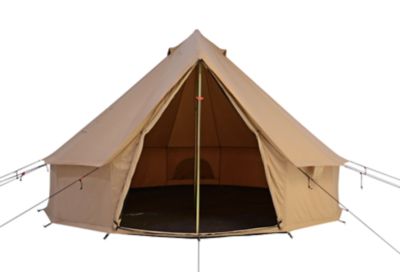
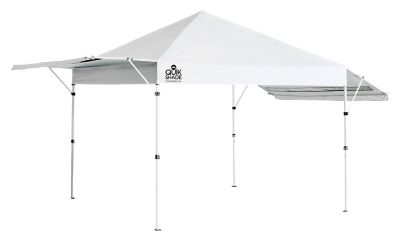
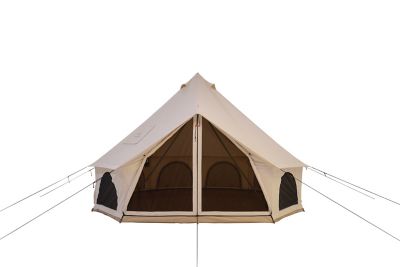
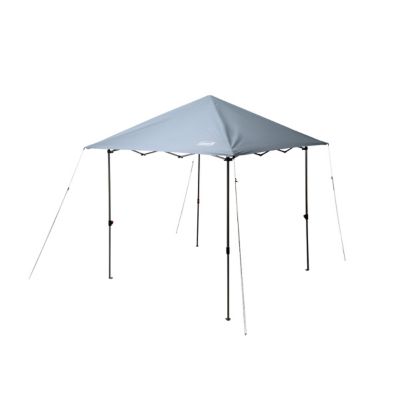
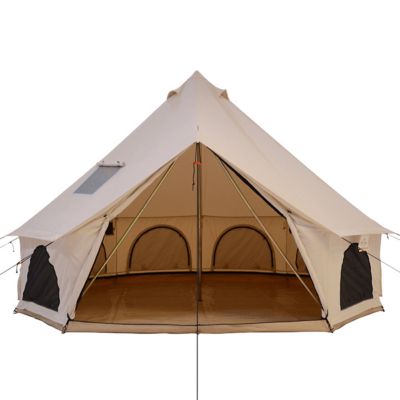
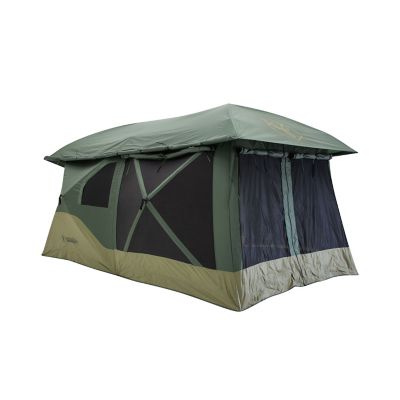
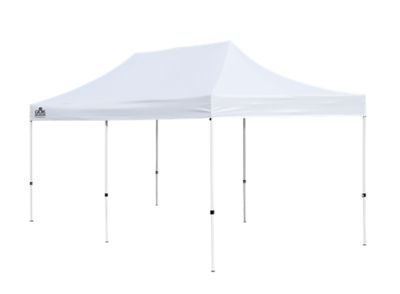
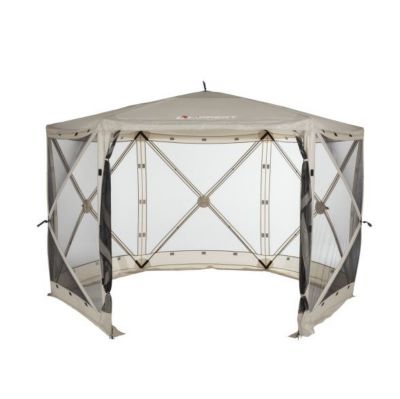
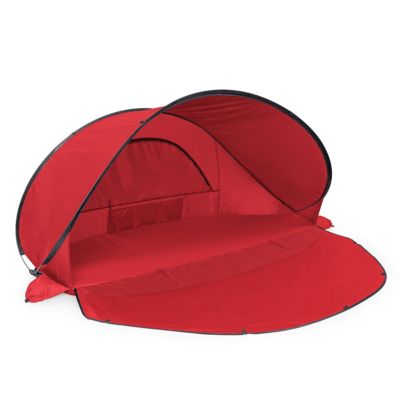
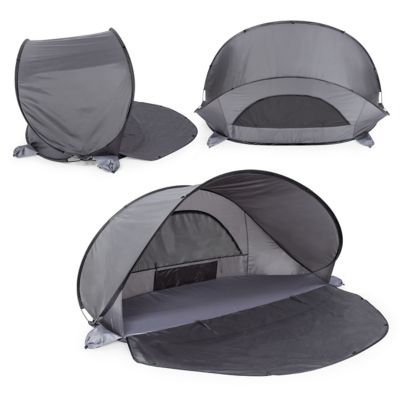
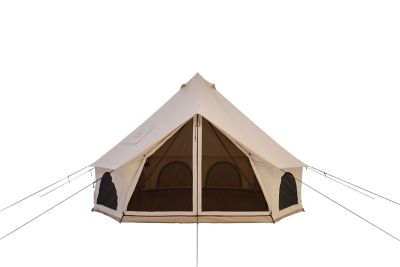
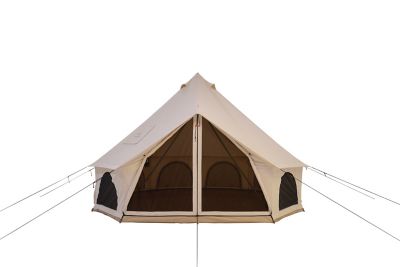
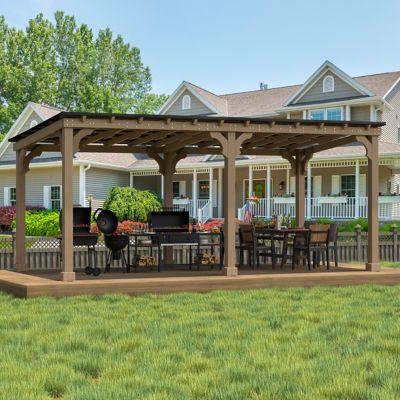
A tent for Easter gives a holiday gathering a place to land, whether that means shade over a family meal, a covered check-in spot for a church egg hunt, or a little play space where children can settle down with their baskets. The term can describe several kinds of shelter, but an outdoor event canopy, a children’s play tent, and a camping tent serve different purposes. An event canopy generally provides standing room and an open layout for tables, chairs, and foot traffic. A play tent creates a smaller, enclosed nook for supervised activities, while a camping tent is built around sleeping space and protection suited to its stated conditions. For Easter brunch in the yard or an afternoon gathering beside the barn, the most practical choice starts with what needs to fit underneath. A roof that covers a picnic table may leave seated guests near the drip line, especially once chairs slide back. Space for a serving table, a stroller, and a clear walking path can matter just as much as the number of people attending. Listed dimensions also deserve a close look: roof coverage, ground footprint, peak height, and clearance along the edges describe different parts of the shelter. Sloped legs can change how much room sits directly beneath the roof, and a tall center does not necessarily mean tall clearance at every entrance. Open sides make it easier for folks to move between the food table and the egg hunt, while compatible sidewalls can create a more enclosed gathering spot. Clear panels preserve a view of the yard; solid panels offer more separation from nearby activity. Neither turns an ordinary canopy into a storm shelter. Easter falls in spring, when conditions can vary from one part of the country to another, so a tent’s stated weather limits matter more than its appearance. A covered spot can make a gathering more comfortable, but a nearby building remains an important backup when conditions exceed what the shelter can handle.
Materials and construction help explain how an Easter canopy will fit the occasion and the work involved in setting it up. Steel frames tend to be heavier than comparable aluminum frames, while aluminum can be easier to carry between the shed, truck, and gathering area. Frame design, joint construction, and the manufacturer’s specifications matter alongside the metal itself. Polyester and polyethylene are common canopy-cover materials, but fabric type alone does not establish rain protection or sun protection. Coatings, seams, and the stated protection rating tell more of the story. Water-resistant fabric is not the same as a waterproof shelter, and a cover should never be assumed to provide a particular level of UV protection without a stated rating. For a family hosting Easter dinner on the lawn, a folding frame may simplify transport and setup; a larger frame tent may involve separate poles, connectors, and a bigger crew. Packed dimensions matter when the shelter needs to ride in a vehicle with folding chairs, baskets, and food carriers. A carry bag with enough room for the frame and cover can also make putting everything away less of a chore. Ground conditions deserve equal attention. A fairly level area away from low spots helps keep tables steady and limits the chance of water collecting underfoot. Stakes, guy lines, or weights must match the tent instructions and the setup surface; there is no single anchoring arrangement that suits every shelter. Underground utilities need to be identified before driving stakes, and lines should stay outside the routes children take toward the egg hunt. At larger church or community gatherings, clear exits, accessible paths, and any local event requirements belong in the planning. Sidewalls can change how wind loads the structure, so they should only be fitted and secured as directed. Grills, open flames, and fuel-burning equipment should stay well away from tent fabric and occupied enclosed spaces. Keeping a cooking station separate from the covered dining area also gives guests more room to gather without crowding the person handling hot food.
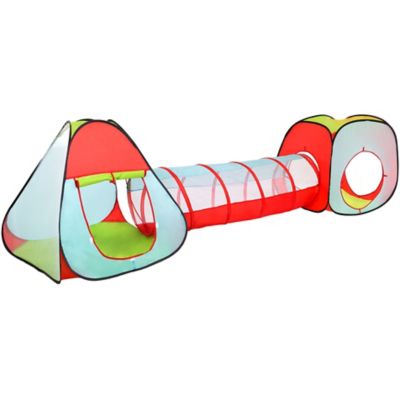
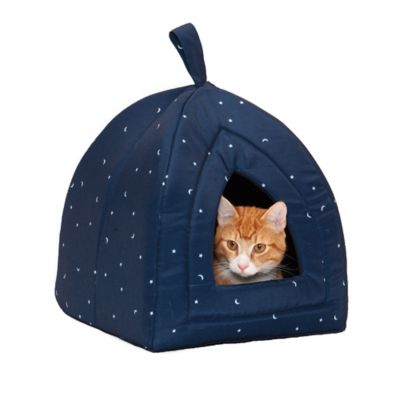
Children’s play tents bring a different kind of Easter gathering space: a nook for picture books, quiet play, or a break from the bustle of visiting relatives. They can also make a thoughtful Easter gift for a child who enjoys pretend play, provided the age rating and setup suit the child and the household. Breathable panels, a stable frame, and an entrance that allows easy supervision are useful considerations, along with enough floor space for the intended activity. A tent that fits one seated child may feel tight once a sibling, a cushion, and a basket come along. An indoor play tent should not be treated as an outdoor shelter unless its instructions allow that setting, and a play tent is not a substitute for an approved infant sleep space. For a compact gathering area or a smaller footprint, a
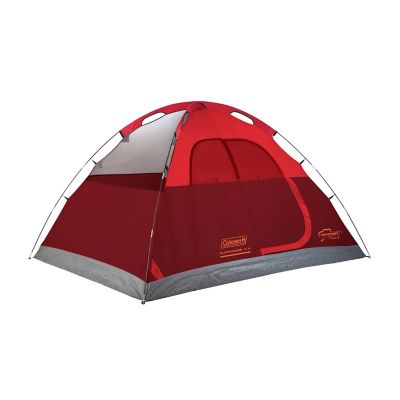
Small Tent can be worth considering, with its intended purpose checked before choosing where it belongs. Families extending Easter into a campground visit will need sleeping-tent features instead, such as a fitted rainfly, ventilation, a suitable floor, and enough space for sleeping pads and belongings. Occupancy ratings often describe a close sleeping arrangement rather than room for bags or a place to change clothes. Whatever the tent’s role, care after the celebration affects how well it holds up for the next outing. Grass clippings, pollen, crumbs, and damp soil are easier to address before they settle into folds and seams. Follow the fabric care instructions, avoid harsh cleaners unless expressly permitted, and let the cover and floor dry completely before packing. Check frame joints, fasteners, seams, and anchoring points for damage before storage and again before the next setup. Store the packed shelter somewhere dry and protected from pests, with its small parts kept together. The right fit is a tent that gives the Easter gathering the space it needs without making setup, supervision, or cleanup harder than it has to be.