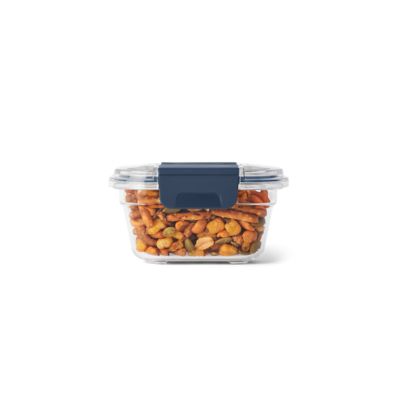
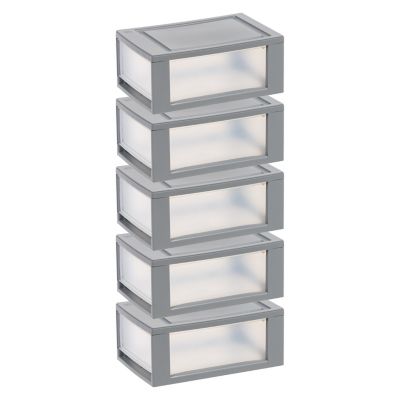
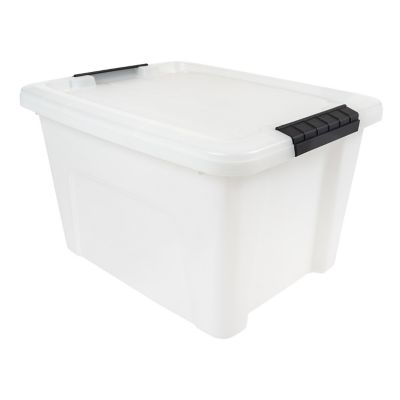
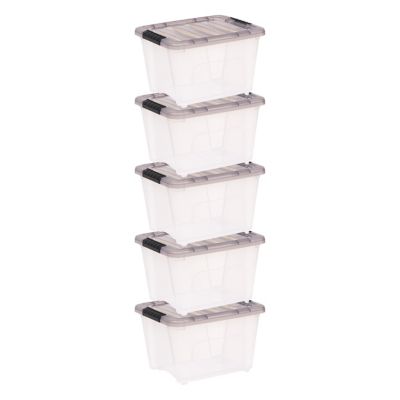
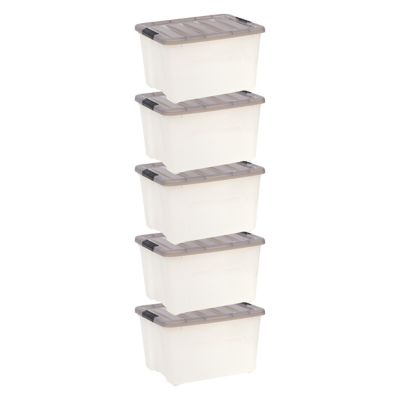
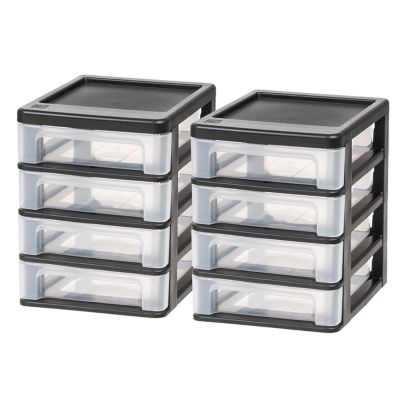
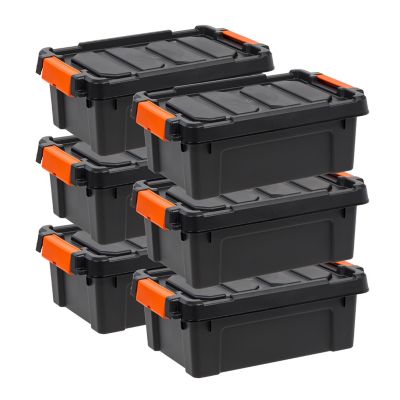
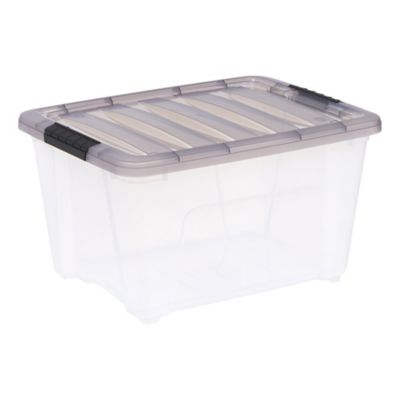
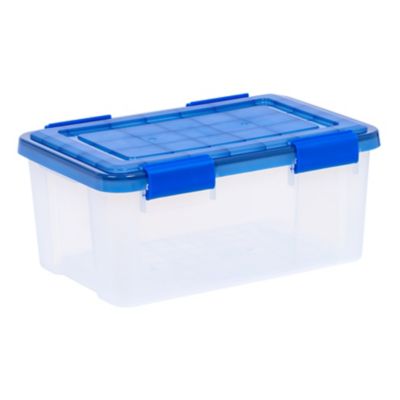
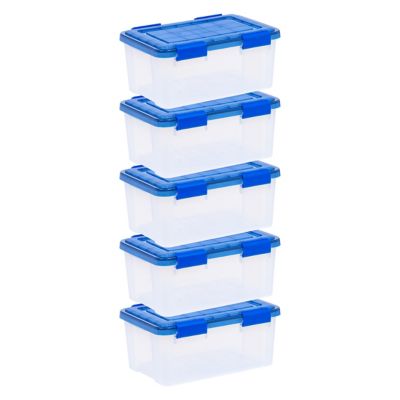
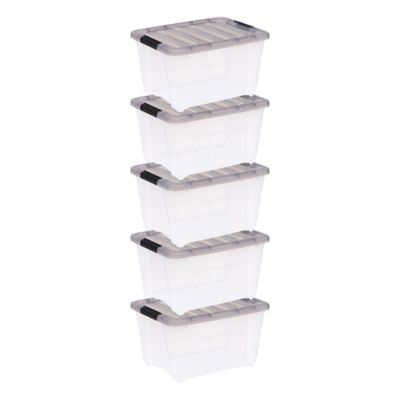
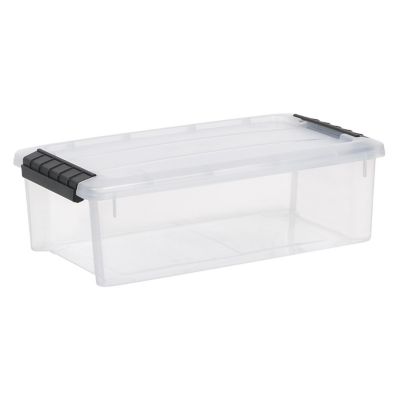
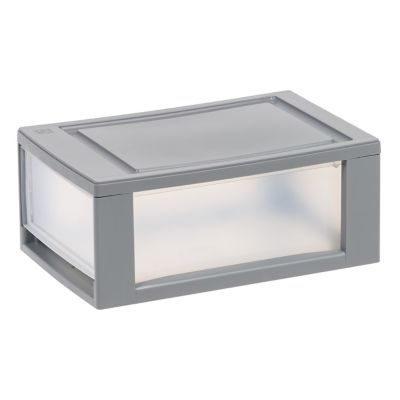
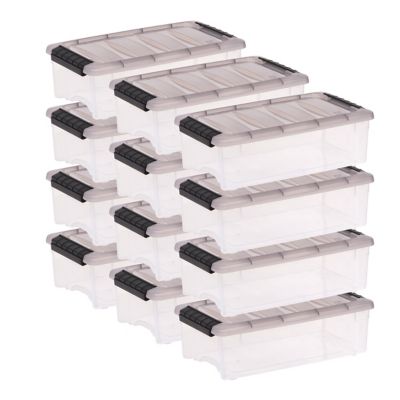
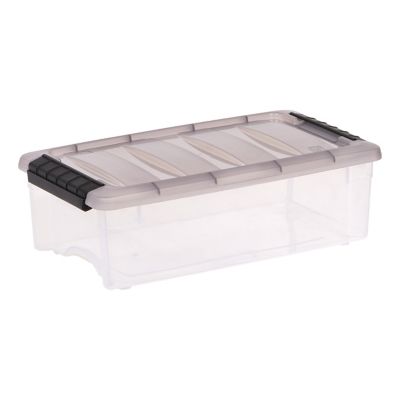
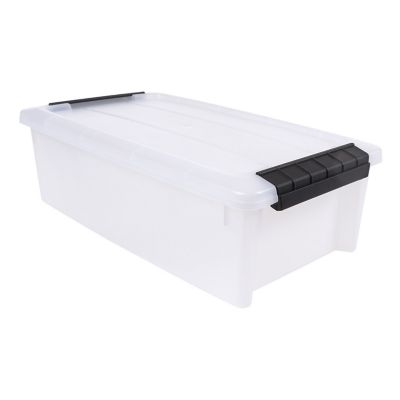
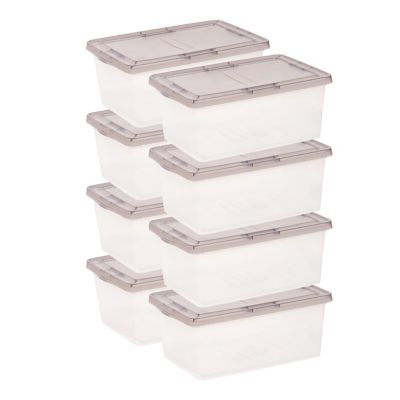
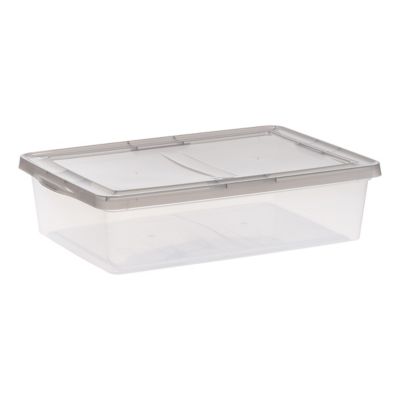
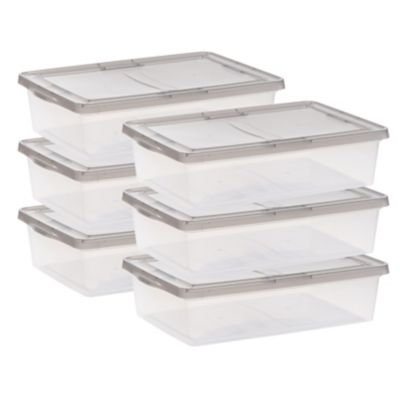
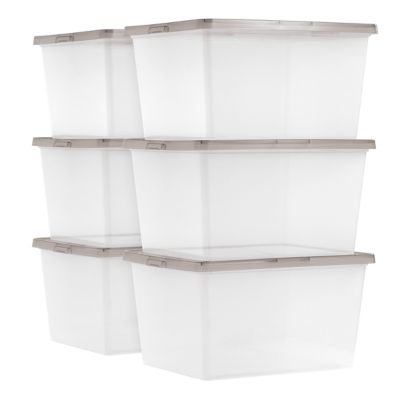
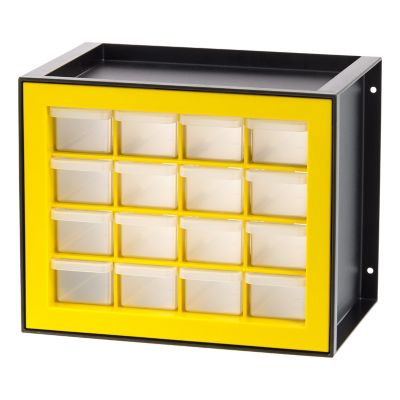
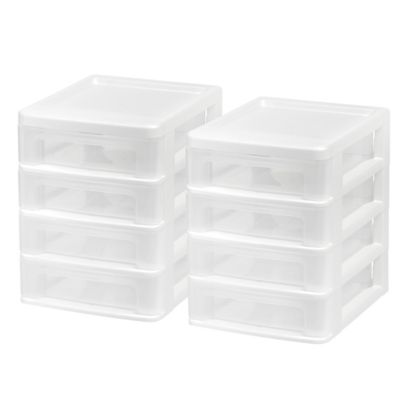
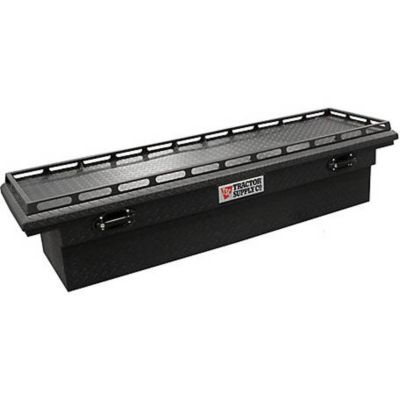
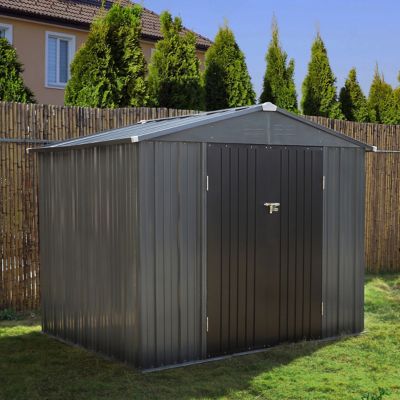
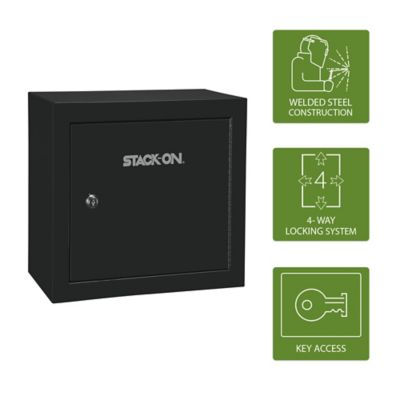
Small item storage helps turn the odds and ends around a home, shop, barn, or office into things you can find without digging through a coffee can, junk drawer, or crowded shelf. Small divided containers are handy for sorting fasteners, electrical connectors, craft supplies, sewing notions, batteries, keys, pet accessories, desk supplies, makeup, kitchen gadgets, and other little pieces that tend to wander. Drawer dividers can break one deep drawer into practical sections, while clear latch boxes keep tiny items together and make it easy to see what is inside before opening the lid. Open bins and baskets work well for grab-and-go items, especially on closet shelves, mudroom cubbies, tack room counters, or workbench storage. Stackable containers can make use of vertical space in a pantry, laundry room, or utility area, and open-front bins let you reach for frequently used items without moving a pile of containers. For very small hardware and repair parts, a multi-drawer cabinet can keep nails, screws, washers, cotter pins, fuses, and other pieces separated by size or type. A well-organized storage setup saves more than time; it keeps a loose screw from disappearing into the grass, prevents a handful of buttons from mixing with beads, and helps everyone in the household put things back where they belong.
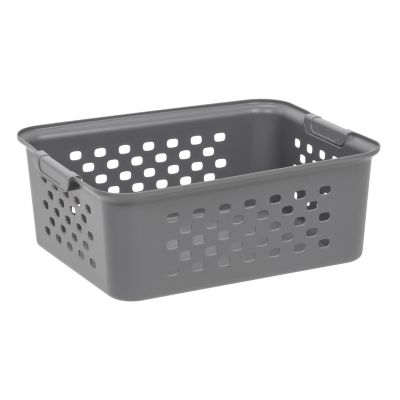
Before choosing small item storage, take a few measurements and think about how the space is actually used. Check the inside height, width, and depth of drawers, shelves, cabinets, and workbenches, allowing room for handles, lids, hinges, and any trim that may limit the opening. A container that fits the shelf but cannot slide past the door frame will spend more time being moved around than doing its job. Clear storage makes sense for small parts and craft materials because you can check the contents at a glance, while opaque bins can keep light-sensitive items, personal supplies, or less tidy collections out of sight. Look for sturdy construction, smooth edges, secure lids, and drawers that open easily when the cabinet is full. Ventilated baskets are useful for items that need airflow, such as grooming supplies, gloves, or everyday gear brought in from outdoors. Group similar things together, such as batteries in one section, charging cords in another, and safety supplies in a separate labeled container. Labels do not need to be fancy; a strip of tape and a permanent marker can do the trick. Place the label where it can be read from standing height, and use plain words that make sense to everyone who may be looking for the item. Keeping duplicates together also makes it easier to spot when supplies are running low before a repair job or household chore is underway.
Small item organizers are useful for homeowners, renters, hobbyists, gardeners, mechanics, makers, teachers, and anyone who has a collection of little parts that deserves a proper place. In a workshop, one cabinet can sort screws and washers by size, while shallow trays keep drill bits, measuring tools, and marking supplies close at hand. In a sewing or craft room, divided storage helps separate thread, snaps, needles, beads, ribbon, and other materials that can quickly become tangled in a single box. Gardeners can use small containers for plant ties, labels, hand tools, and seed-starting supplies, while pet owners may find them useful for leashes, medication reminders, grooming items, and training treats. A neat bin near the entryway can hold spare keys, flashlights, gloves, and other things needed when heading outside during cooler weather. For a more specialized workshop setup,
Parts Storage Cabinets provide a way to keep many small components sorted in individual drawers, making them especially helpful for maintenance areas and repair benches. These organizers also make thoughtful gifts for someone setting up a first workshop, refreshing a sewing corner, building a hobby station, or preparing a new home office. As outdoor chores wind down and indoor projects pick up, small item storage can help keep supplies ready for the next job. A few minutes spent sorting by use, labeling each section, and returning items to their assigned spot can make a busy household, farm shop, or garage feel calmer and work a whole lot smoother.