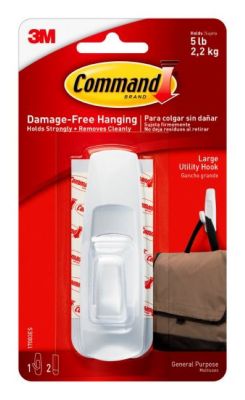
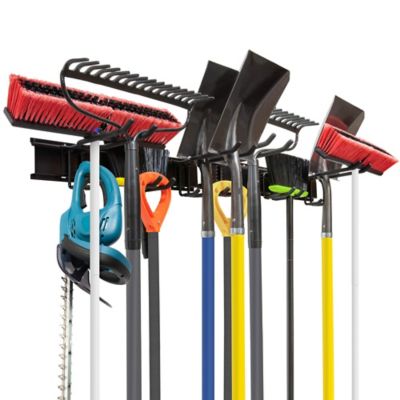
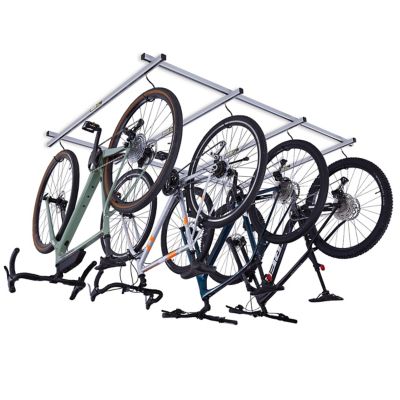
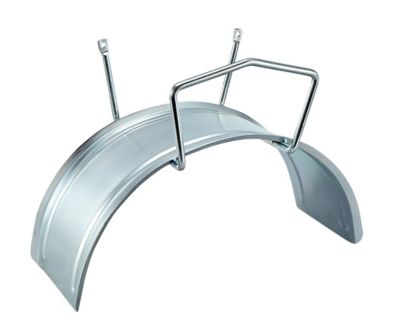
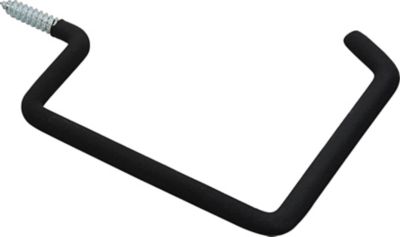
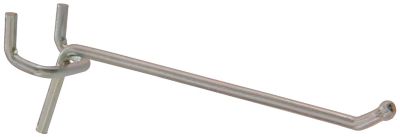
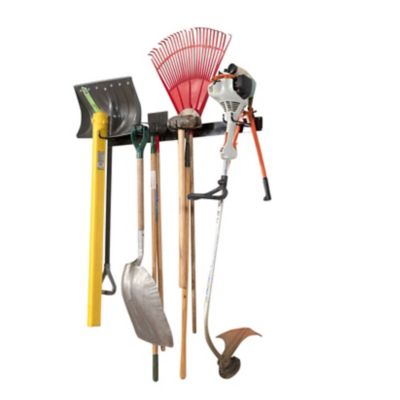
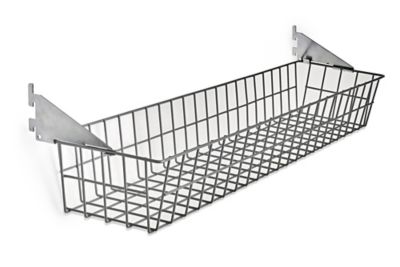
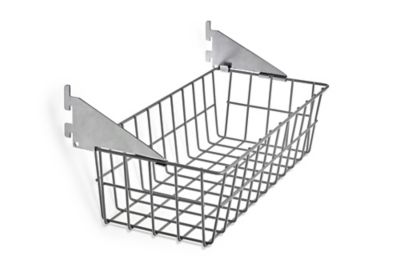
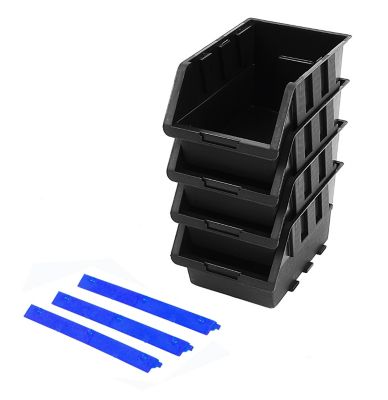
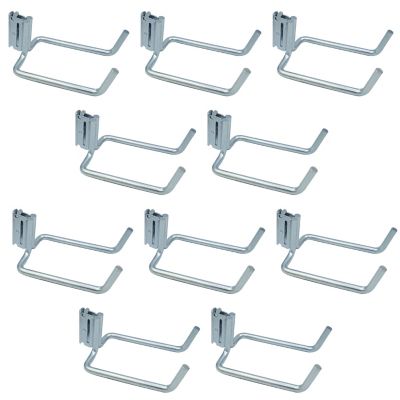
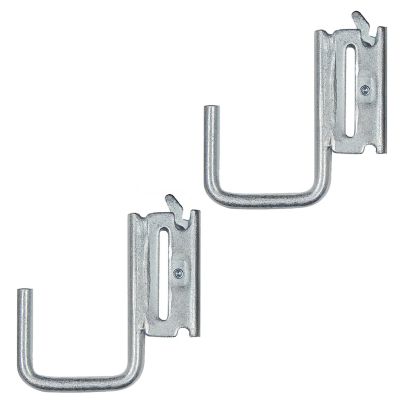
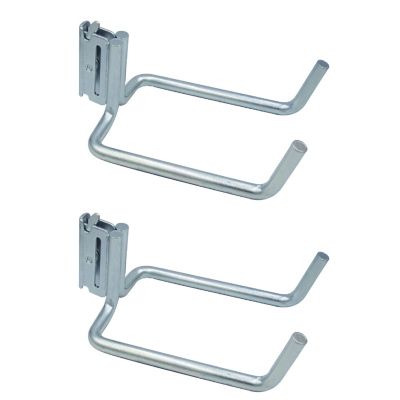
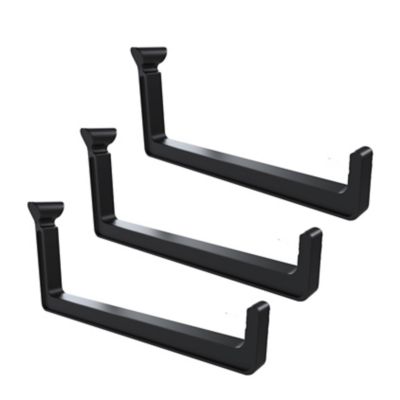
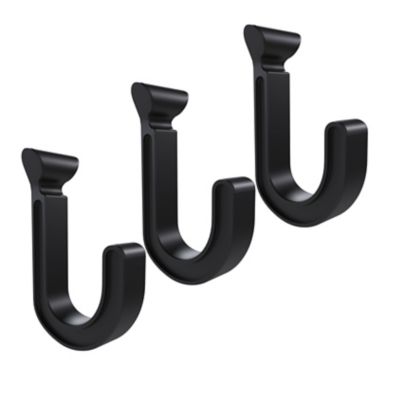
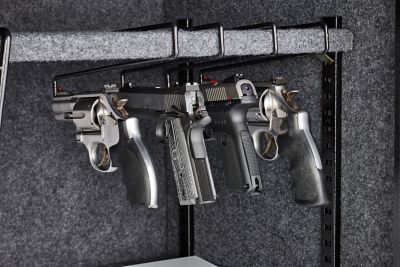
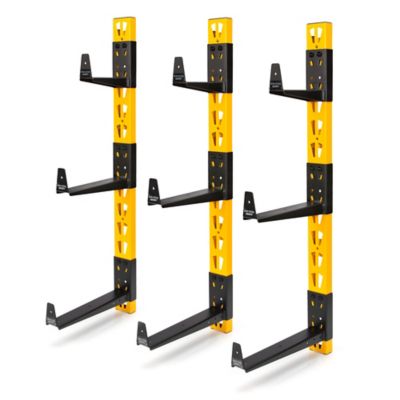
Storage hangers give hard-working spaces a little breathing room, whether that means clearing a garage floor, straightening up a barn aisle or making room beside a workbench. Getting gear off the ground makes it easier to see what’s on hand and reach what’s needed without stepping over a pile. A good storage arrangement also gives things a regular home, so putting them away becomes part of finishing the job rather than another chore waiting for later. Storage hangers come in several forms, from compact wall-mounted supports to wider cradles and overhead designs that hold equipment out of the main traffic path. The right shape depends on what’s being stored: long handles need secure support, coiled gear benefits from a broad resting surface, and awkward loads may need support at more than one point. Depth matters just as much as width. A hanger that projects farther from the wall can leave room for larger gear, but that same reach can crowd a narrow walkway or interfere with a door. In a small shed, a shallow profile may make better sense than a deep support that catches a sleeve every time someone passes. Around the shop, hangers can keep frequently reached-for equipment close to the task without taking up bench space. In a garage, they can help separate work gear from recreation equipment and household storage. For folks caring for acreage, tending animals or tackling repairs, that separation can save a fair bit of rummaging. Even a single stretch of open wall can become useful storage when hanger spacing matches the equipment instead of forcing everything into the same gap. The result isn’t about making a working building look spotless. It’s about leaving enough room to move, keeping equipment from becoming a tripping hazard and making the next job easier to get started. A layout that fits everyday habits generally earns its keep better than one that looks tidy but makes every piece of gear a chore to retrieve.
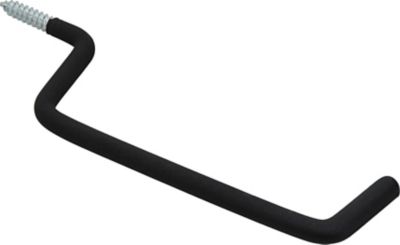
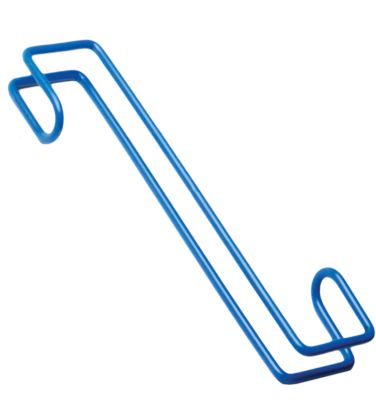
Materials and construction help determine where storage hangers fit best and how they handle repeated loading. Steel is common in load-bearing designs, while aluminum offers a lighter option in some styles. Plastic components may appear in smaller supports, protective surfaces or parts meant to hold lighter belongings. Material alone doesn’t establish how much a hanger can carry; thickness, shape, joints, fasteners and mounting conditions all play a part. Powder-coated or plated metal surfaces can help limit corrosion, though the protection depends on the finish remaining intact and the conditions around it. Rubber-covered arms and other cushioned contact points can help reduce scuffing and keep gear from resting directly against bare metal. A broader cradle may also spread contact across a larger area, which matters for flexible materials that could develop a sharp bend on a narrow support. Fit includes the opening, the usable arm length and any raised end or retaining feature. Equipment should sit fully within the intended support area rather than balance at the edge. Stated weight ratings deserve close attention, including whether a rating applies to one hanger, a matched pair or an entire mounting system. Two supports don’t automatically double capacity, especially when the load isn’t shared evenly. The wall or ceiling behind the hanger matters, too. Framing, masonry and hollow wall surfaces call for different fastening arrangements, and included hardware isn’t necessarily suitable for every building. Manufacturer requirements are the best reference for mounting locations, fastener selection and load limits. For spaces that need a mix of support shapes,
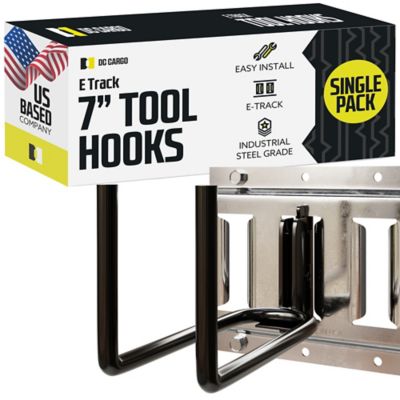
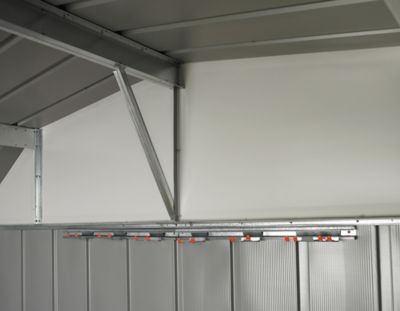
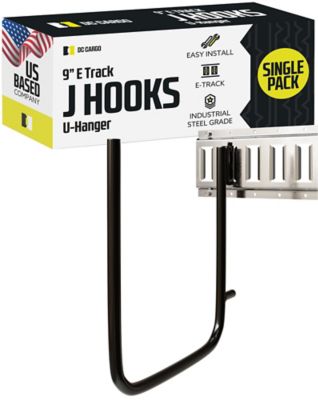
Storage Hooks can complement broader hangers without making every storage spot serve the same purpose. Whatever the arrangement, secure mounting and a suitable load rating matter more than how substantial a hanger looks. That’s especially important above a walkway, beside parked equipment or anywhere people regularly bend, lift and turn. Overhead storage also calls for enough clearance to place and retrieve the load without stretching off balance or bringing it close to lights, door tracks or other obstructions.
Day-to-day convenience often comes down to details that aren’t obvious until the space gets busy. A hanger near the point of work can shorten the trip between grabbing equipment and getting started, but it still needs room around it for safe handling. Long or broad gear needs clearance during removal, not just while it’s hanging still. That can make the difference between an easy one-person reach and having to move three other things first. Separate hangers offer flexibility when equipment varies in size, while rail-mounted arrangements can allow spacing changes where the system is designed for them. Matching components within a compatible system matters; similar-looking fittings aren’t always interchangeable. In shared spaces, consistent placement helps everyone return gear to the same spot, whether it’s a family garage or a farm workshop where several people pitch in. Keeping heavier loads at a manageable height can reduce awkward lifting, while sharp or hazardous equipment needs a secure location away from children and animals. Storage hangers themselves generally ask for modest care, but they shouldn’t disappear from attention once mounted. Wiping away dirt helps keep contact surfaces clean, and cleaning methods should suit the finish and any cushioning. Cracked coverings, bent arms, loose fasteners or movement at the mounting points are reasons to stop loading the affected support until the problem is addressed according to the manufacturer’s directions. Protective coatings also deserve a look where equipment repeatedly rubs against them. Hanging equipment while it’s heavily soiled can transfer grit to the support and scratch surfaces over time, so clean contact areas benefit both the hanger and the gear. A well-planned setup leaves a little room for changing needs, too, rather than packing every inch so tightly that nothing comes out easily. Storage hangers can be a practical gift for someone setting up a workshop or organizing a shed, provided the mounting space and intended loads are known. For everyday use, the strongest match is straightforward: a support shaped for the gear, fitted to the building and positioned where putting things away feels as easy as picking them up.