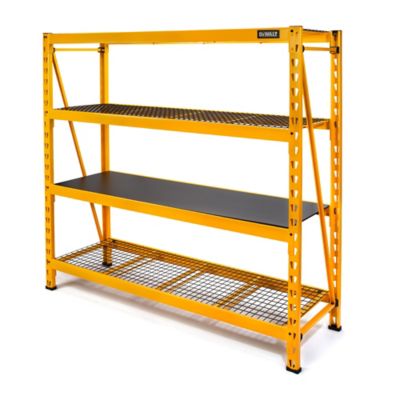
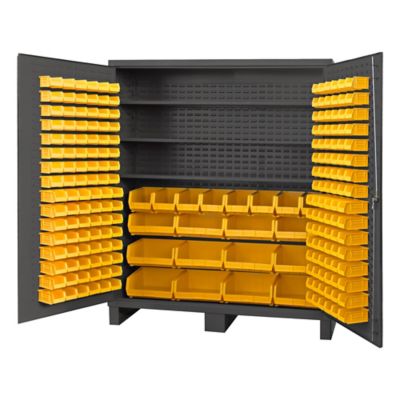
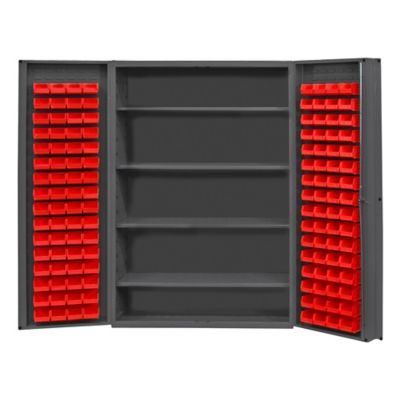
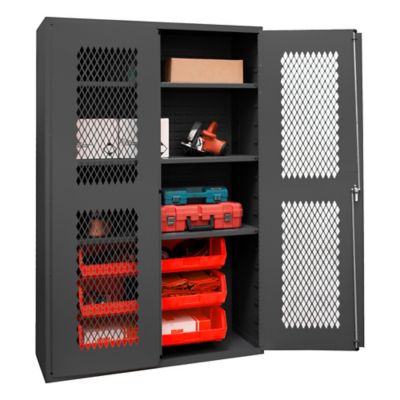
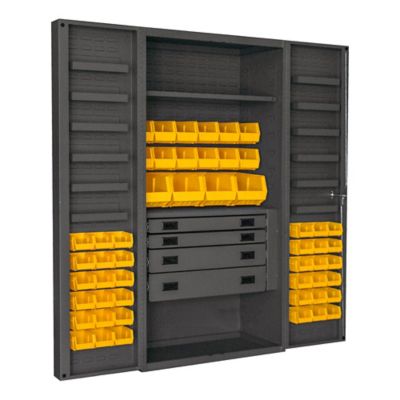
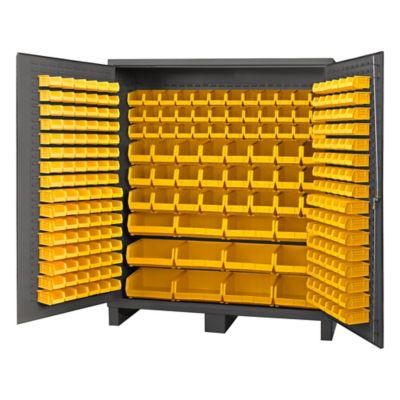
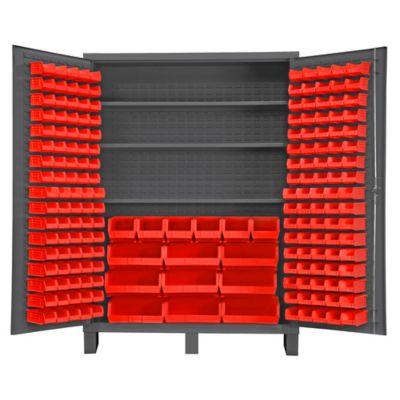
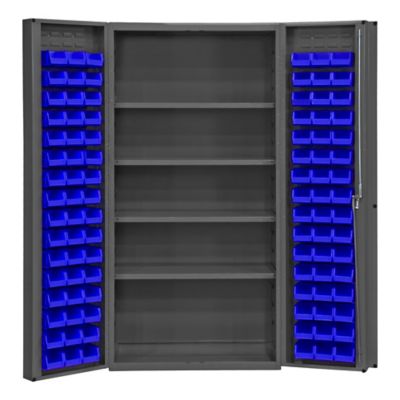
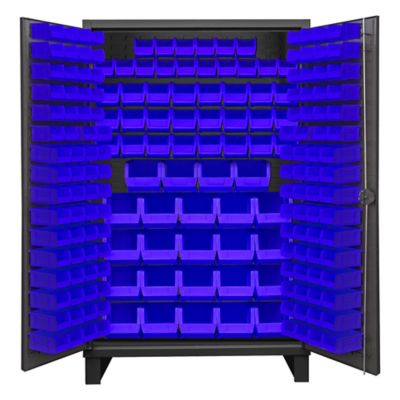
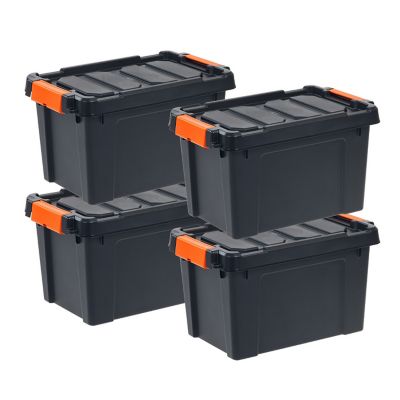
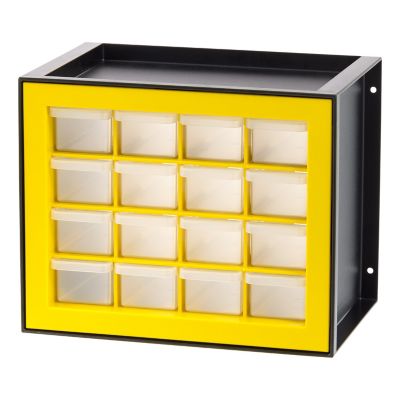
Industrial storage brings order to the places where work gets done, from a farm maintenance shop to a repair bay, equipment shed, or busy garage. When sockets, fasteners, power tools, and spare parts each have a place, there’s less digging through piles before a job can start. The right setup makes room for both the big stuff and the little pieces that tend to disappear just when they’re needed. Open shelving keeps larger supplies in sight, enclosed cabinets put a barrier between stored contents and shop dust, and drawers separate smaller gear without taking over the workbench. Material matters as much as layout. Steel construction suits many demanding workspaces, while painted or powder-coated finishes help protect the surface from everyday contact and corrosion when properly maintained. Plastic containers can make sense for sorting small parts and handling occasional splashes, though their load limits and compatibility with stored materials still matter. Wood shelves offer another surface option, but exposed edges and standing liquids deserve attention. A substantial-looking frame doesn’t tell the whole story: shelf construction, connections, bracing, and the manufacturer’s stated capacities all play a part in how a storage system handles its load. Fit goes beyond finding an empty stretch of wall, too. A cabinet may fit neatly between two posts but still need more room for its doors to open. Deep shelves can hold larger cases, yet they can also put smaller supplies out of easy reach. In a narrow shop, the space left for a rolling cart or a person carrying a tool case may matter more than another few inches of shelf depth. Good industrial storage fits the building and the work happening inside it, leaving access to exits, electrical panels, and other required clearances. That balance helps turn an awkward corner into useful space without creating a new obstacle in the middle of a job.
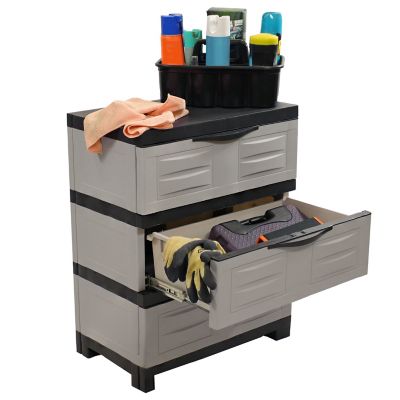
Storage capacity is most useful when it matches the shape, weight, and frequency of use of what’s going into it. A shelf full of light containers places different demands on a frame than one holding dense metal parts. Manufacturer load ratings may depend on even weight distribution, proper assembly, and other stated conditions, so a single heavy object concentrated in one spot needs particular attention. Keeping heavier contents lower can make handling easier and help limit top-heavy arrangements, but it doesn’t replace required anchoring or other installation instructions. Adjustable shelves give tall cases and shorter containers room without leaving large empty gaps, while shallow drawers can keep layers of small hardware from turning into a tangled pile. In a farm shop, separating hitch hardware from electrical connectors saves sorting time at the bench. In a repair business, dividing shared supplies by task can help the next person find what belongs with the job. Clear labels and consistent locations make those arrangements easier to maintain, especially when several people work out of the same space. For tools and supplies that belong behind doors,
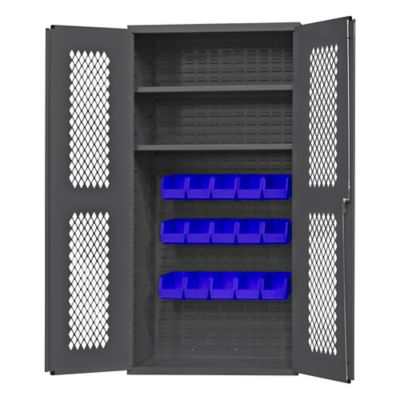
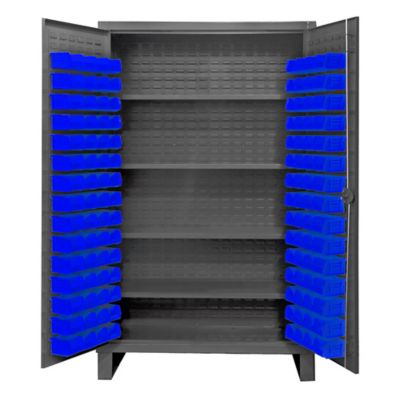
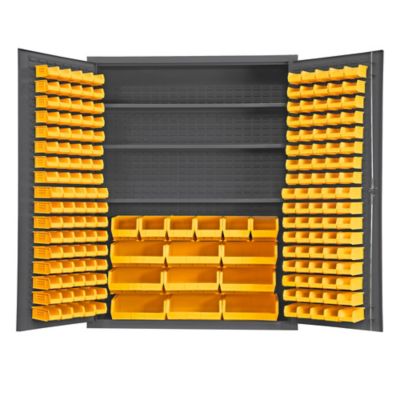
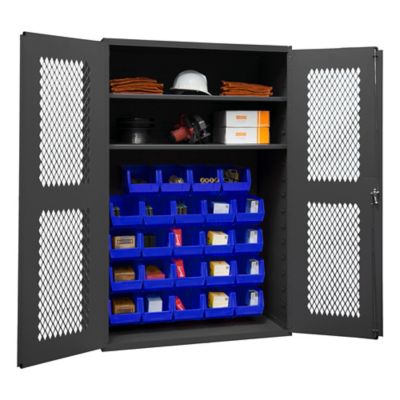
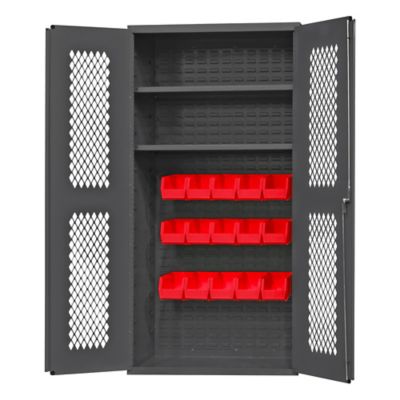
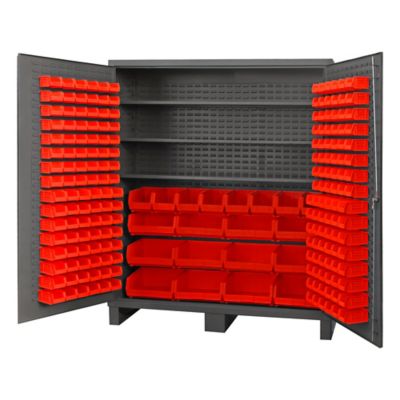
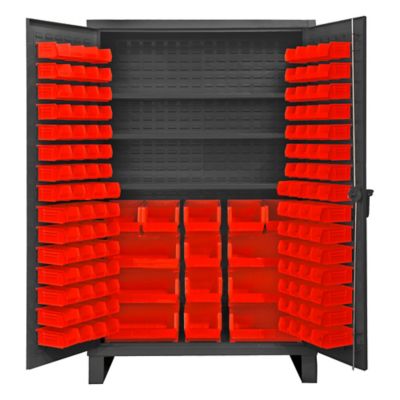
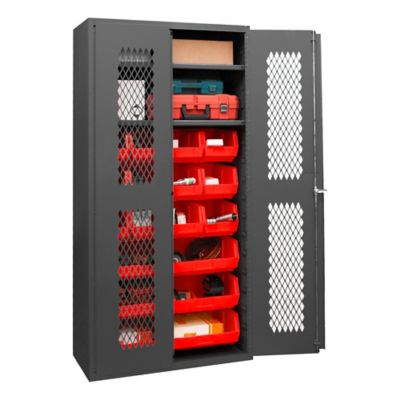
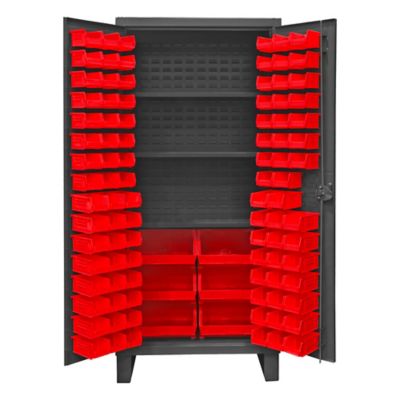
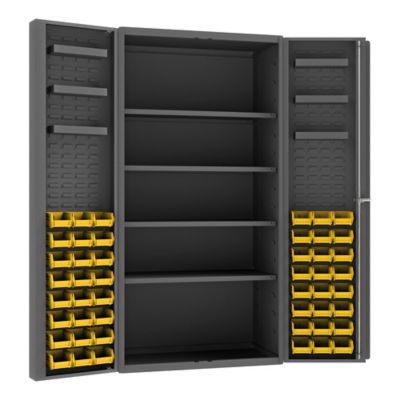
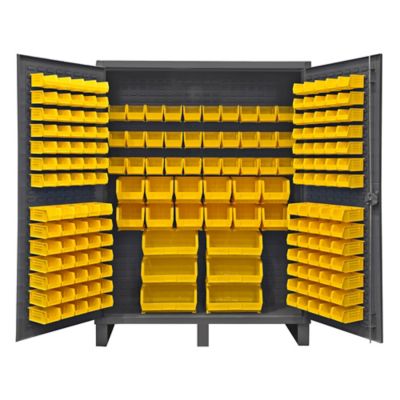
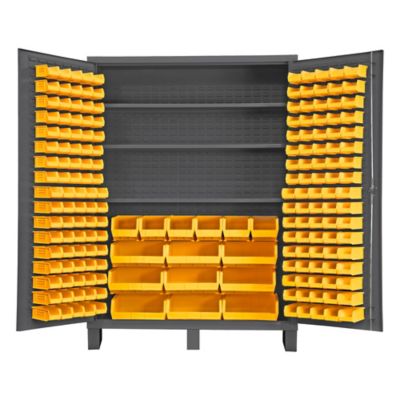
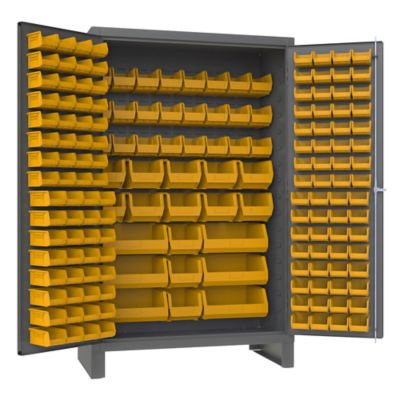
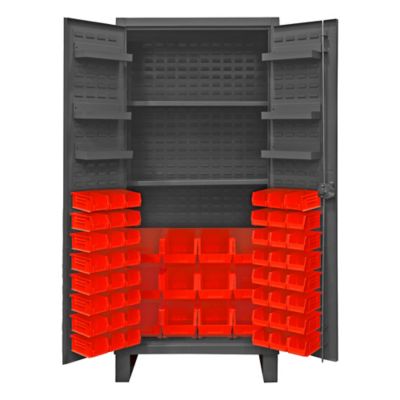
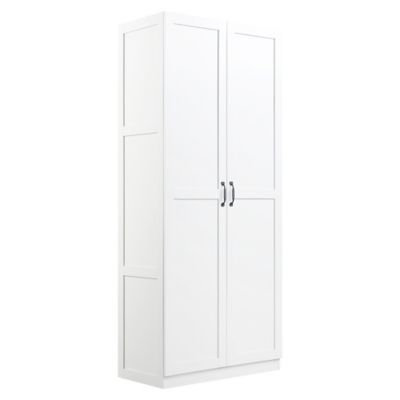
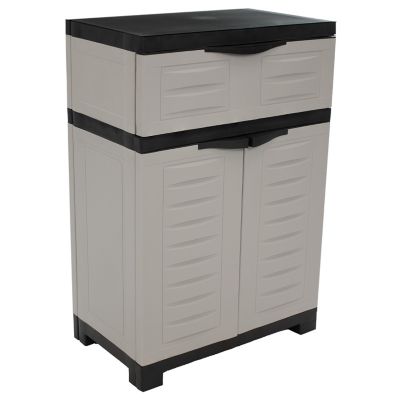
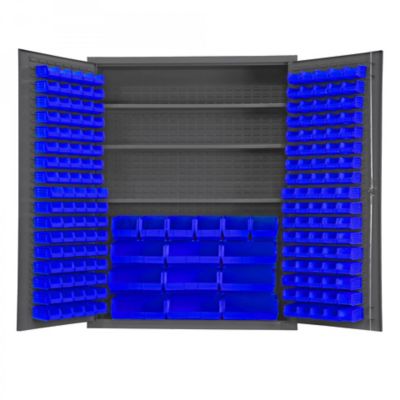
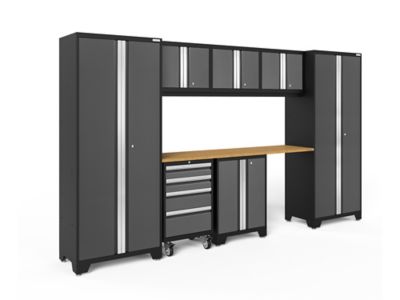
Steel Storage Cabinets provide an enclosed storage option, with shelf layout, door clearance, and locking features among the details worth comparing. A lock can help control access, but its suitability depends on what needs securing and who needs to reach it. Ordinary cabinets shouldn’t be treated as a substitute for storage specifically rated for flammable liquids or other regulated materials. Those contents require equipment and handling that meet the applicable requirements. Visibility matters for everyday supplies as well: a deep cabinet can hold plenty, but a dark back corner makes things easier to overlook. Storage that keeps labels readable and frequently needed gear within comfortable reach supports a steadier workflow, whether the task is repairing a gate or preparing equipment for its next job.
How storage holds up over time depends on its surroundings, the load it carries, and the attention it gets between jobs. In a working shop, grit can collect in drawer slides, spilled fluids can sit along shelf seams, and loose fasteners can go unnoticed until a door starts hanging crooked. Routine checks help catch those small problems before they interrupt the day. Cleaning methods should suit the material and finish, with spills removed promptly and harsh chemicals avoided unless the manufacturer permits them. Chips in a protective coating deserve attention according to the care instructions, particularly where moisture can reach exposed metal. Hinges, latches, shelf supports, and mounting points also benefit from an occasional look, especially after moving a unit or changing its load. Rolling storage adds flexibility when tools need to travel between work areas, but wheel capacity, floor condition, loaded weight, and brakes all affect how well that arrangement fits the job. A smooth path across a concrete bay is different from a route with uneven joints or a raised doorway. Stationary storage may be a better match where heavy contents stay in one place, while a mobile setup can keep frequently handled tools close to the work. Neither approach calls for filling every available inch. Leaving enough room to grasp a case, lift a container without twisting, or return a tool with gloved hands can make the space easier to work in. For farmers, mechanics, tradespeople, and property owners, the best-fitting arrangement reflects familiar routines rather than a tidy appearance alone. A clear bench for laying out parts, an open aisle for moving equipment, and a dependable place for the gear that comes out every day all matter. Industrial storage earns its place by supporting those ordinary tasks, keeping supplies organized and helping a hardworking space stay ready for the next repair, maintenance job, or project.