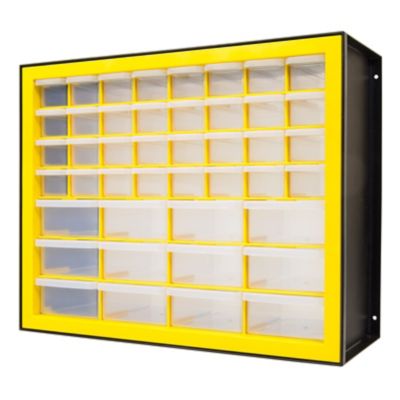
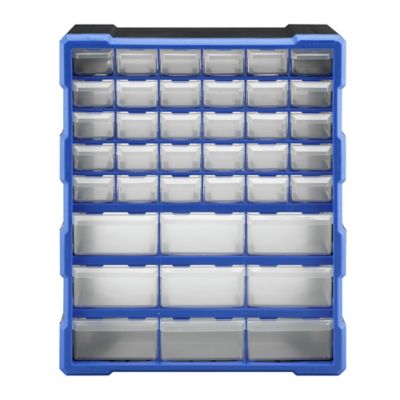
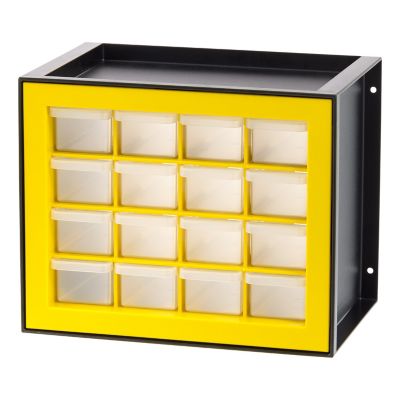
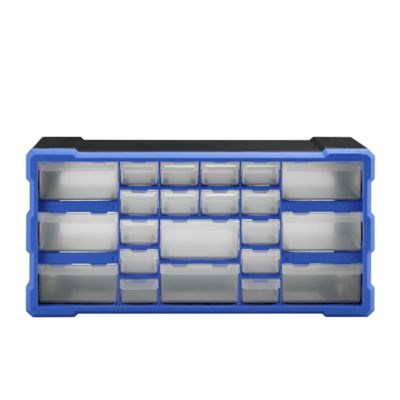
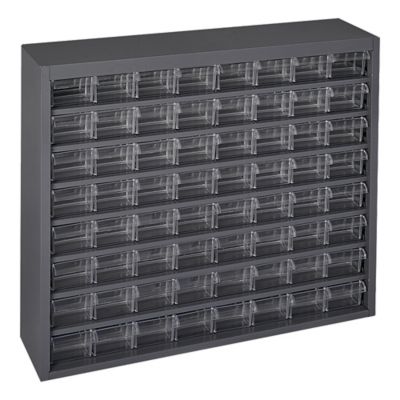
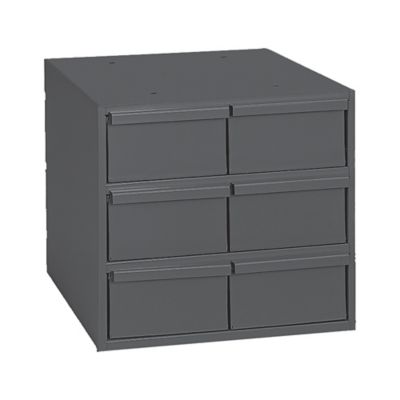
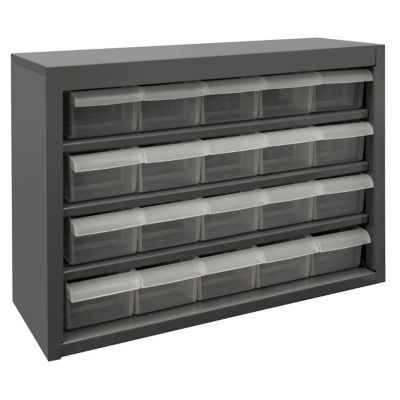
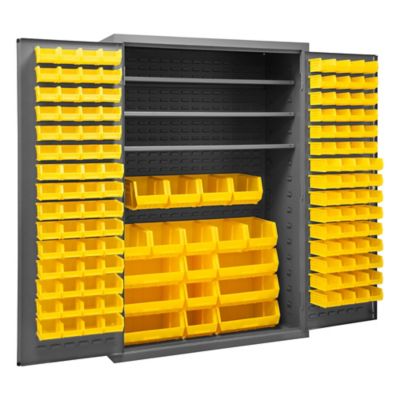
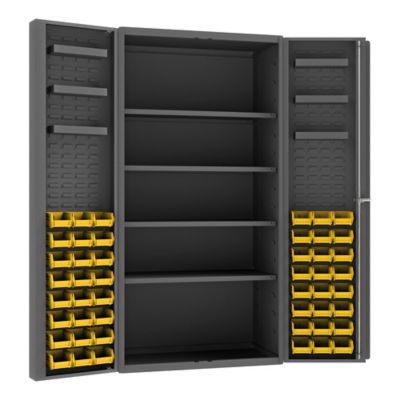
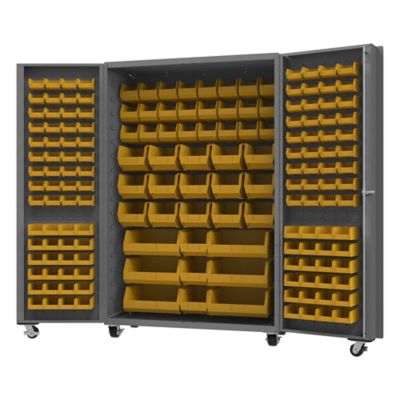
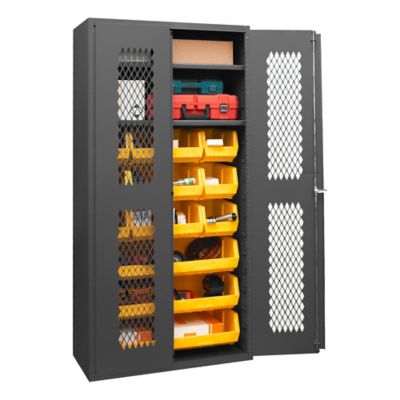
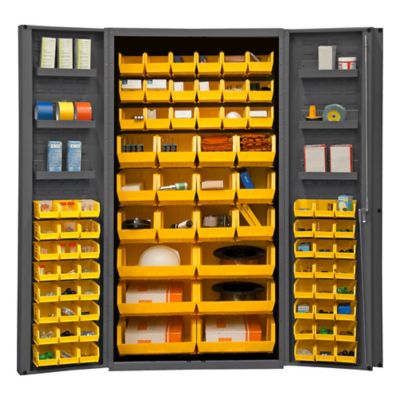
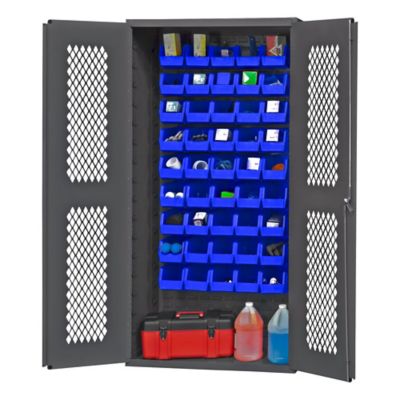
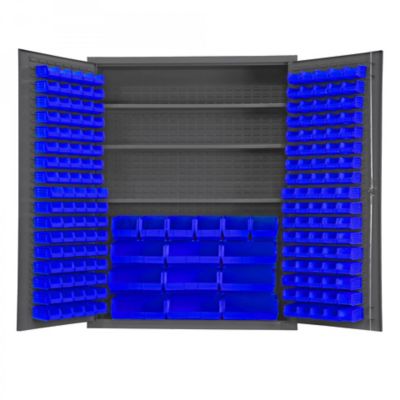
Parts storage cabinets keep small hardware and repair components sorted in separate drawers, helping turn a crowded workbench into a place where the next job can get started without a long search. They give nuts, bolts, washers, electrical connectors, clips, and other small parts a regular home instead of leaving them mixed together in coffee cans or loose boxes. In a farm shop, garage, equipment shed, or maintenance room, that separation matters: two fasteners can look nearly alike but have different thread pitches, lengths, or grades. Individual compartments make those differences easier to track, especially when clear drawer fronts and readable labels work together. Small-parts storage cabinets generally take the form of benchtop organizers, wall-mounted cabinets, or larger freestanding units. A benchtop cabinet puts frequently needed hardware near the vise or assembly area, while a wall-mounted design can free up the work surface beneath it. Freestanding cabinets provide another option where a larger collection needs its own spot in the shop. Drawer count tells only part of the story, though. A cabinet with many shallow drawers suits small screws and terminals differently than one with fewer, deeper drawers for larger fittings or repair components. Interior drawer dimensions, the shape of the opening, and the space taken up by dividers all affect what fits comfortably. Mixed drawer sizes can make sense for a work area that handles everything from small-engine repairs to fence-gate adjustments. Adjustable dividers add flexibility for separating related parts, provided they fit securely enough to keep smaller pieces from slipping underneath. For anyone who has tipped out a whole container looking for one matching washer, a drawer that opens to the right group of hardware is a welcome change. Keeping similar parts together also makes it easier to return leftovers to the proper place after a repair, rather than starting another mixed pile at the end of the bench.
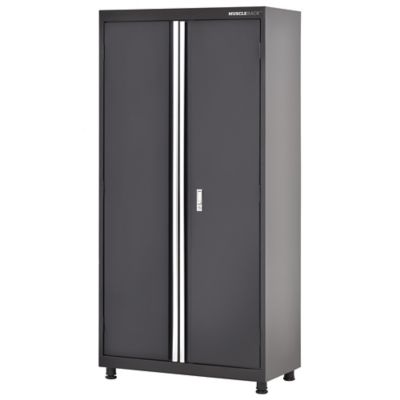
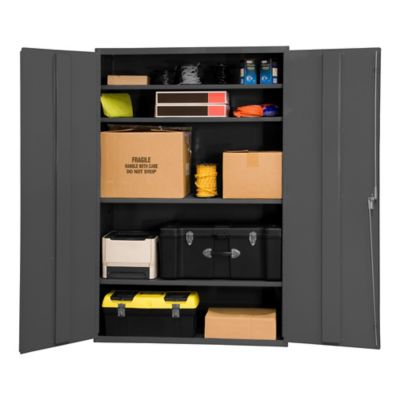
Cabinet materials affect weight, handling, and how the organizer stands up to everyday shop work. Plastic parts cabinets are often lighter to move, and translucent or clear drawers let the contents show through without opening every compartment. Visibility still depends on the drawer material, lighting, and how tightly the contents are packed. Steel frames can provide a rigid structure for busy work areas, while painted or powder-coated finishes help protect the metal surface when kept intact. Neither material alone tells the whole story about strength; the cabinet’s rated capacity, drawer construction, mounting method, and support underneath all matter. A small drawer filled with steel fasteners can weigh more than its size suggests, so both individual drawer limits and total cabinet limits deserve attention. Smooth drawer travel matters, too, particularly when one hand is holding a part for comparison. Drawer stops help limit unintended pullout, while removable drawers can make it easier to carry a small selection to the workbench when the design permits. The right fit includes more than the cabinet’s outside width. Drawer clearance, nearby outlets, bench depth, door swing, and room to stand comfortably all shape how well a cabinet works in its spot. Wall-mounted parts organizers need mounting hardware and structural support suited to the cabinet and its loaded weight, following the manufacturer’s directions. Stacking is appropriate only for cabinets designed for it, with any specified connections or anchoring in place. Larger freestanding units may also need anchoring to reduce tipping risk. Where small hardware shares space with larger tools and equipment,
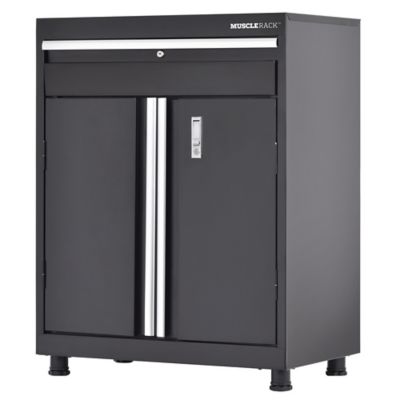
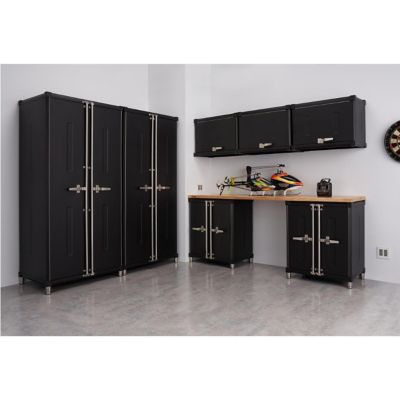
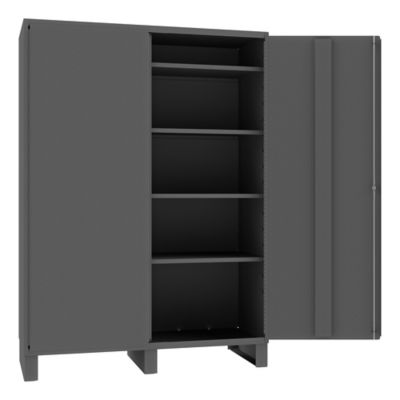
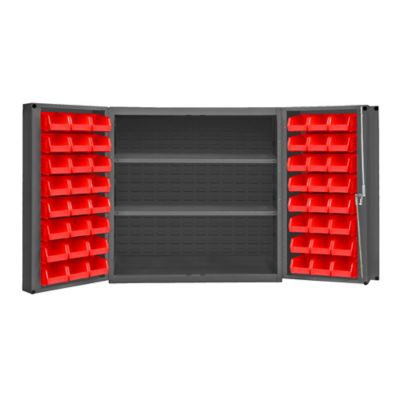
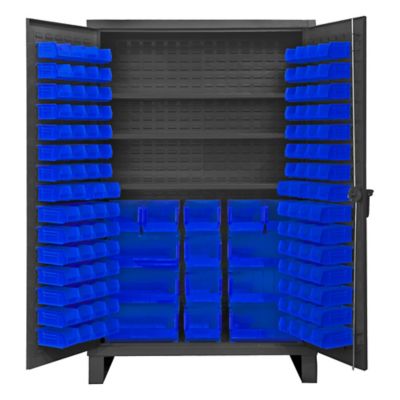
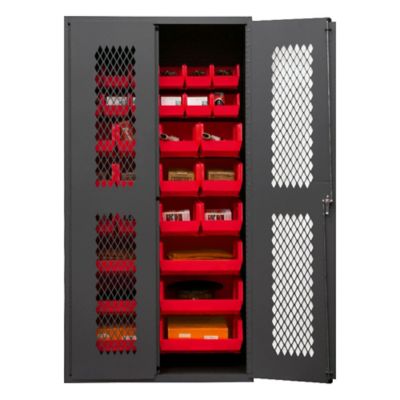
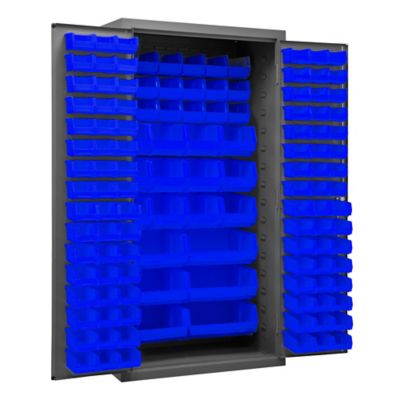
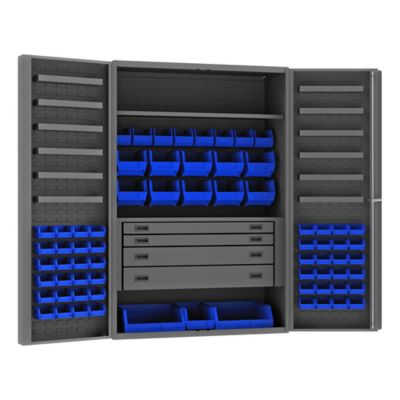
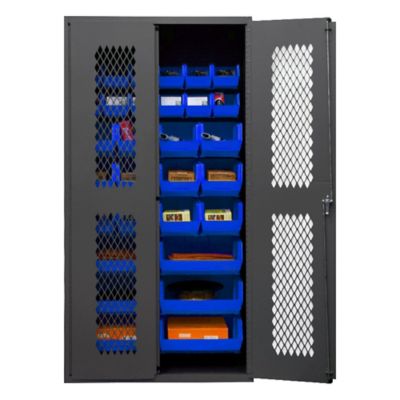
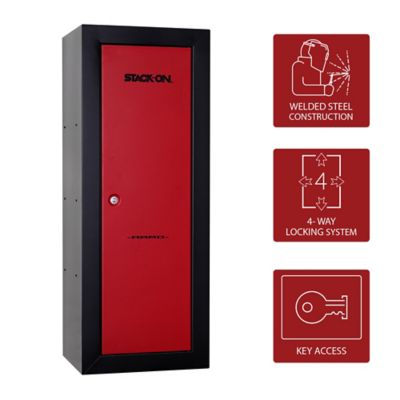
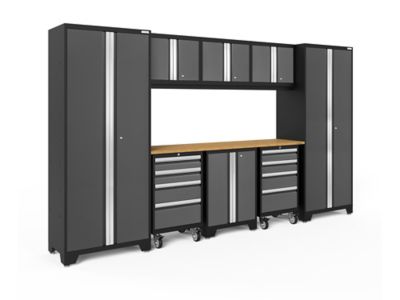
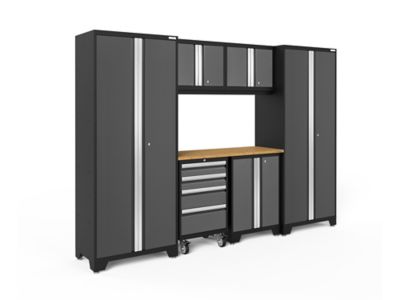
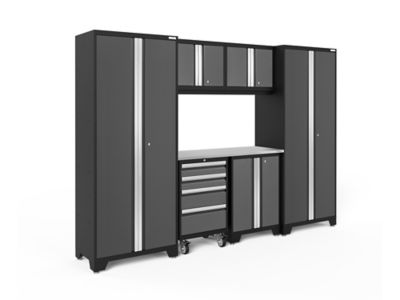
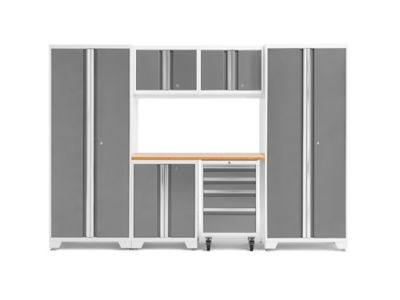
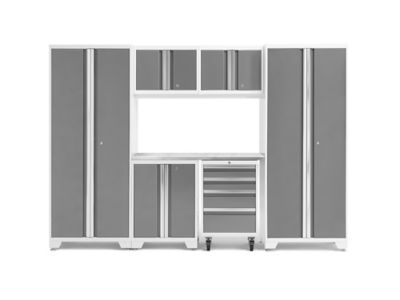
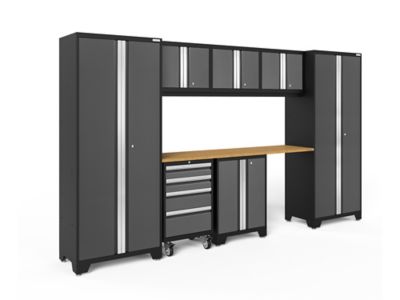
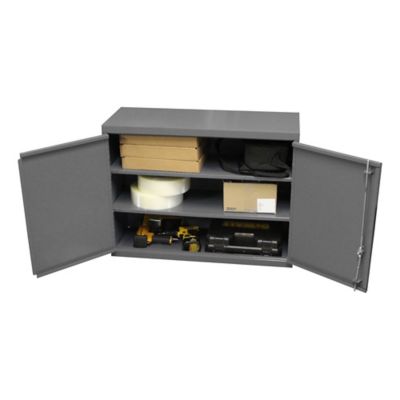
Steel Storage Cabinets can complement a drawer organizer by providing enclosed space for things that do not belong in tiny compartments. That division keeps small-parts storage focused on sorting, rather than asking shallow drawers to hold awkward or oversized gear. A layout that suits the room leaves the bench open for the actual work.
A good parts-storage setup follows the work happening around it. Someone maintaining mowers and small engines may separate clips, fuel-line fittings, and electrical terminals by repair task, while a farm maintenance area may benefit from grouping hardware by diameter, thread, and length. Metric and inch-size fasteners deserve clearly separated spaces, and markings for material or grade can help prevent look-alike pieces from getting mixed together. Labels are most helpful when they can be read from the normal working position and say enough to distinguish one compartment from the next. A simple description paired with a size often does more good than a drawer full of assorted pieces with no explanation. Label holders make changes less of a chore when the arrangement needs adjusting. In a shared shop, consistent drawer locations help everyone put things back where the next person expects to find them. Hobbyists, mechanics, equipment owners, and folks setting up a first serious workbench can all appreciate that kind of order. Parts cabinets can also make practical gifts for someone who spends more time fixing things than sitting still, especially when the cabinet fits the space and the kind of work they enjoy. Everyday care is generally straightforward, but it should match the materials and the manufacturer’s recommendations. Clearing loose grit from drawer tracks, wiping away residue with a compatible cleaner, and checking for cracked drawers or bent dividers help keep the organizer working as intended. Solvents and shop chemicals can affect some plastics and finishes, so material compatibility matters before any cleaning solution goes on. Cabinets intended for parts storage are not substitutes for containers approved for fuel, chemicals, or other regulated materials. With sensible loading and a layout that matches the job, a parts storage cabinet helps keep the little pieces visible, separated, and ready for the next repair—without taking over the whole shop.