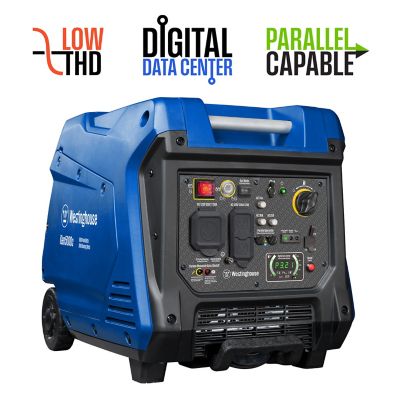
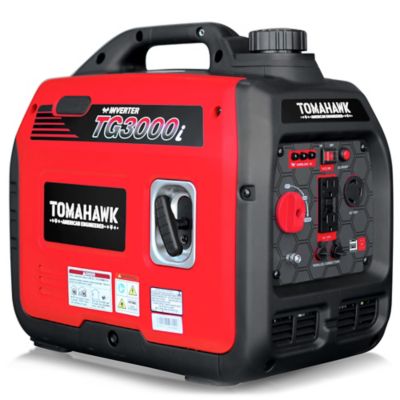
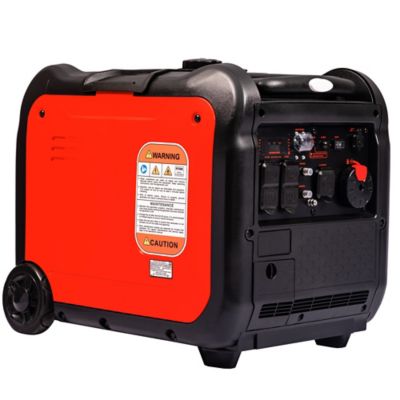
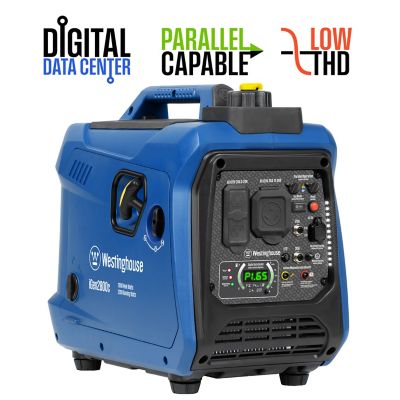
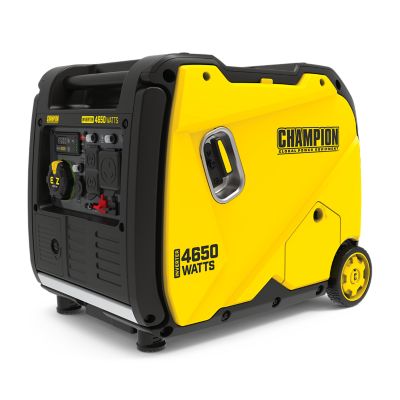
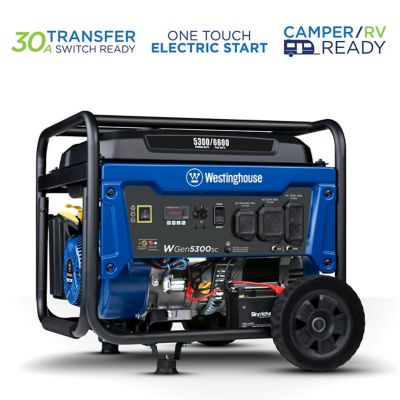
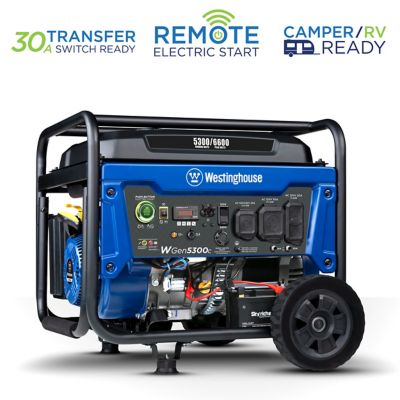
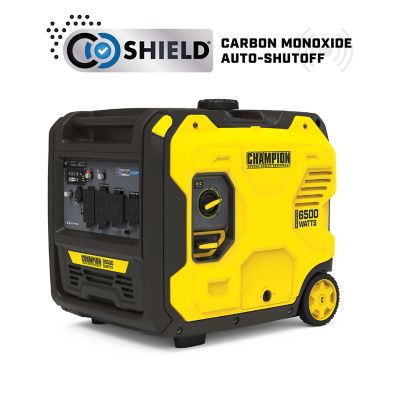
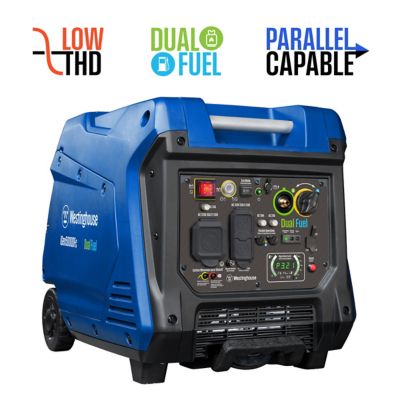
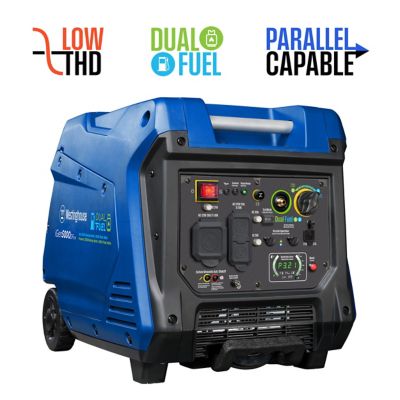
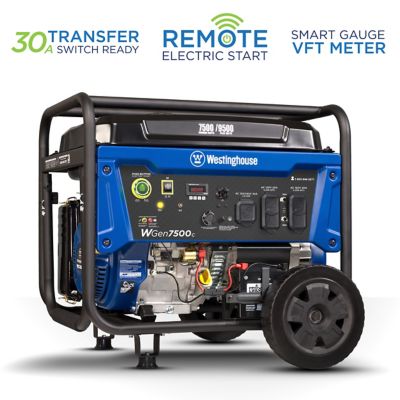
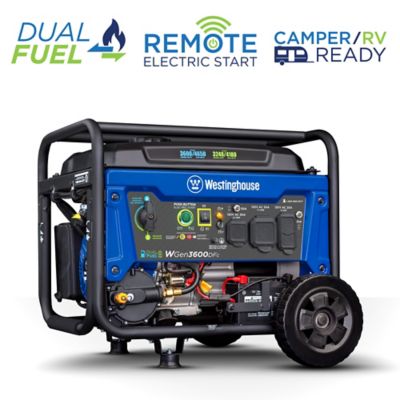
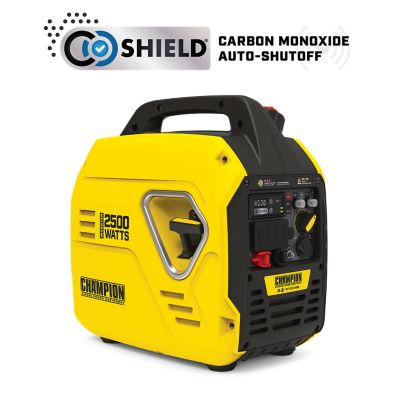
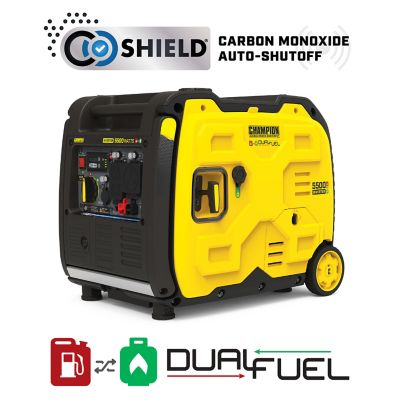
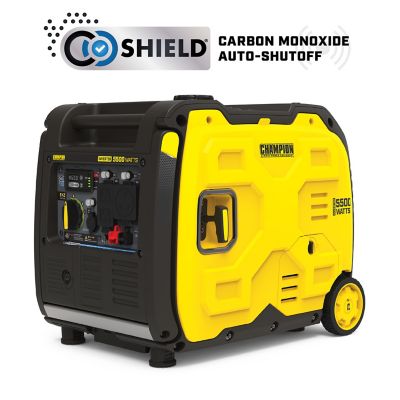
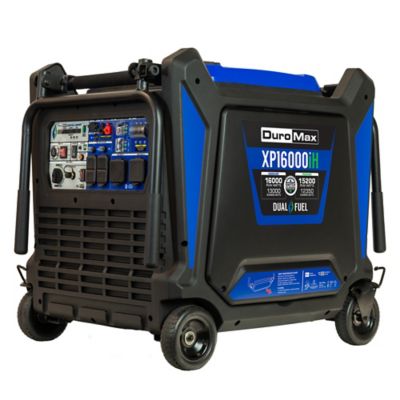
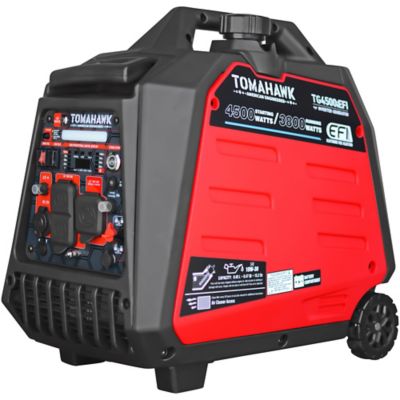
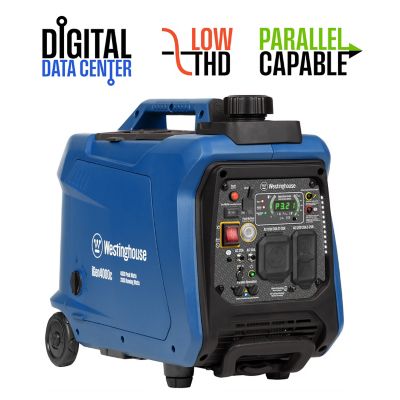
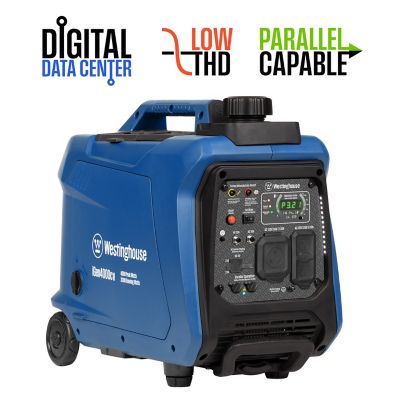
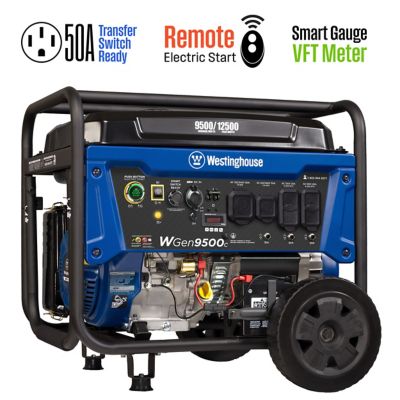
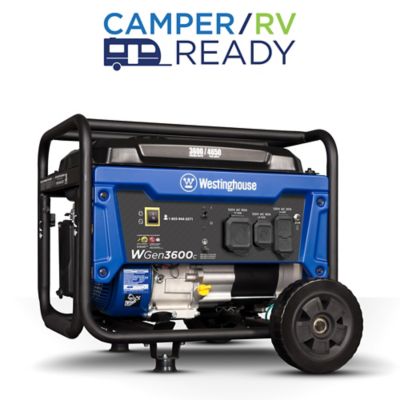
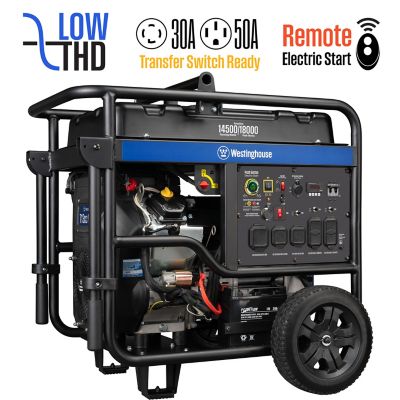
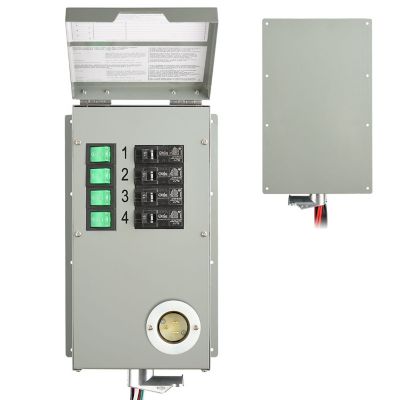
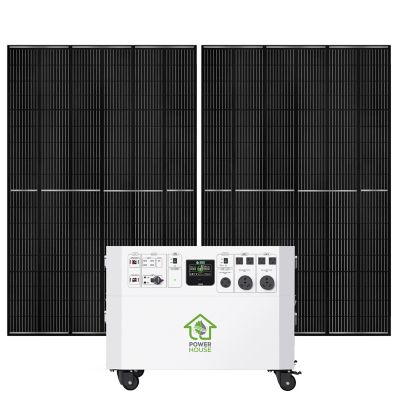
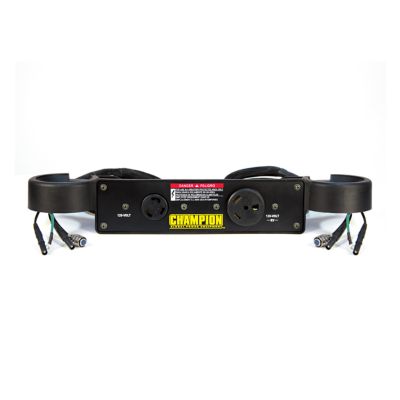
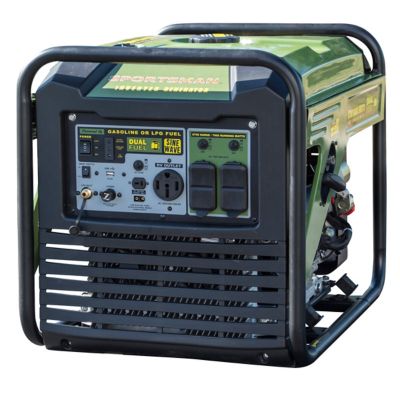
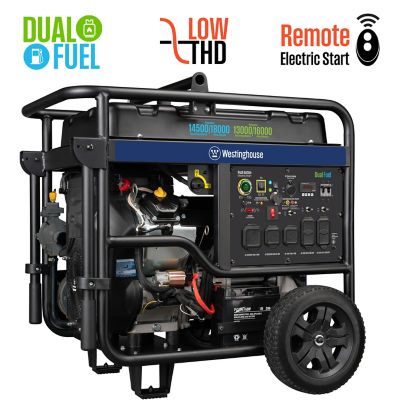
Quiet generators for home use provide dependable backup power while keeping the familiar rumble of an engine from taking over the house, porch or neighborhood. They can be handy when a summer storm knocks out the lines, during high winds and heavy rain in the cooler months, or anytime an unexpected outage leaves the refrigerator, lights, Wi-Fi and phone chargers without power. Portable inverter generators are a popular choice for smaller backup needs because they adjust engine speed to match the electrical load. When only a few lights or a refrigerator are running, the engine can slow down, using less fuel and making less noise; when a larger appliance starts, it increases output as needed. Many quiet models operate in the range of a normal conversation, often around 50 to 60 dBA under lighter loads, though sound levels vary by model, distance and how hard the generator is working. Inverter technology also produces clean, stable power with low total harmonic distortion, which is useful for sensitive electronics such as laptops, televisions, routers, phones and medical equipment. Before choosing a generator, make a list of the items you want to run at the same time and check each appliance’s starting and running wattage. A refrigerator, sump pump, well pump or furnace blower may need a brief surge of power when the motor starts, so a generator that looks adequate on paper may come up short if those starting watts are overlooked. For basic emergency needs, many homeowners choose a portable unit for selected appliances and extension cords rated for the load. Others choose a larger model that can connect to a home’s electrical system through a properly installed transfer switch. Whole-home standby generators are permanently installed outside and can turn on automatically when utility power fails, making them a practical fit for households that rely on powered medical equipment, electric heat, well systems, security systems or several major appliances at once. These units generally cost more and require professional installation, but they offer convenient, automatic coverage and are built with enclosures and sound-dampening features to help control operating noise.
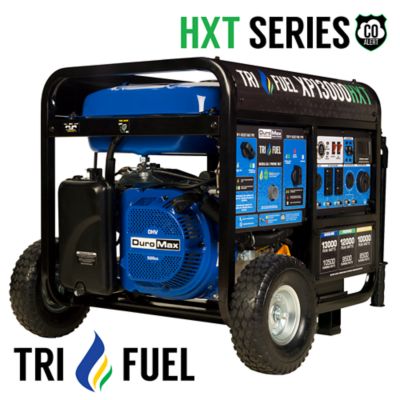
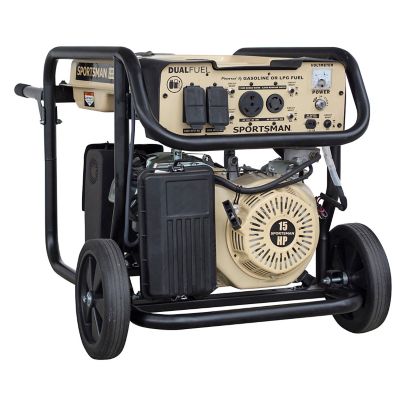
Fuel choice, run time and storage matter just as much as sound level when comparing quiet generators for home use. Gasoline is widely available and works well for many portable units, but it should be stored only in approved containers, away from the living area and sources of heat or sparks. Dual-fuel generators can run on gasoline or propane, giving you another option when fuel availability changes during an extended outage. Propane is easy to store for longer periods and does not go stale in the same way gasoline can, while some users find that a propane-powered engine runs a little cleaner and somewhat quieter. Check the manufacturer’s listed wattage and run time for each fuel, since output and performance can differ between gasoline and propane. It is also worth looking at the fuel tank size, electric-start options, low-oil shutdown, overload protection, carbon monoxide monitoring and the availability of replacement parts. Noise ratings are measured under particular conditions, so a generator’s published dBA number is best used as a comparison point rather than a promise of how it will sound in every yard. A level surface, proper maintenance and a reasonable load can all help keep an engine running smoothly. Place any portable generator outdoors, well away from doors, windows, crawl spaces and vents, with the exhaust pointed away from the house. Never operate one in a garage, barn, shed, basement, porch or other enclosed or partly enclosed space, even if the doors are open. Carbon monoxide has no color or smell, so use battery-powered carbon monoxide alarms inside the home and follow local safety rules. Keep the unit dry and protected from rain without blocking ventilation, and let the engine cool before refueling. A heavy-duty, outdoor-rated extension cord with the right gauge is important for portable use, and a transfer switch should be installed by a qualified electrician rather than improvised with a backfeed connection. During an outage, give the generator room to breathe, keep children and pets away from hot surfaces, and avoid running more equipment than the unit is designed to handle.
Quiet generators can be a thoughtful, practical gift for a new homeowner, a family living in a rural area, someone with a well pump or sump pump, or a relative who wants a little more peace of mind during storm season. They are also useful around workshops, barns and detached buildings when temporary power is needed, although the same ventilation and carbon monoxide precautions apply wherever an engine runs. Households that spend time at a cabin, tailgate or campsite may also want a compact, low-noise unit that will not drown out conversation or disturb nearby campers; shoppers comparing those uses can browse
Quiet Generators For Camping for additional options. For home backup, start by deciding whether you need to keep a few essentials going or want automatic power for most of the house. Measure the space available for a permanent installation, review local permitting and placement requirements, and consider how close the generator will be to bedrooms, neighbors and outdoor gathering areas. For a portable generator, think about lifting weight, wheel kits, covered storage and whether more than one person can move it safely. A little preparation goes a long way: keep fuel and cords organized, test the unit according to the owner’s manual, change the oil on schedule, and run it periodically under load so it is ready when the lights go out. With the right size, fuel setup and location, a quiet generator can keep the refrigerator cold, the well pressure steady and the coffee pot brewing without turning an otherwise calm evening into a wall of engine noise.