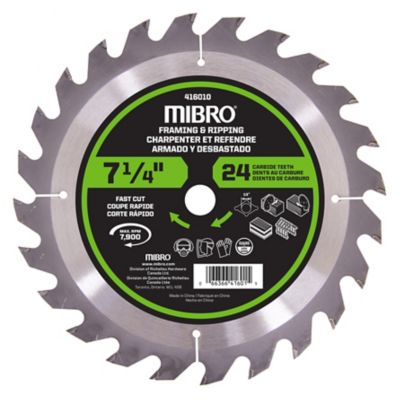
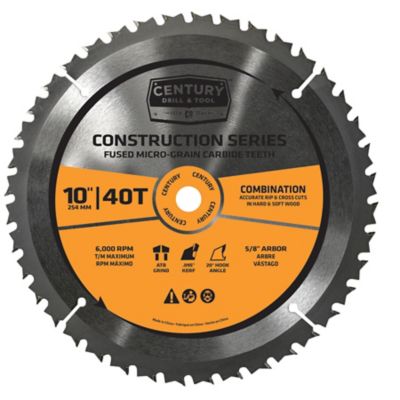
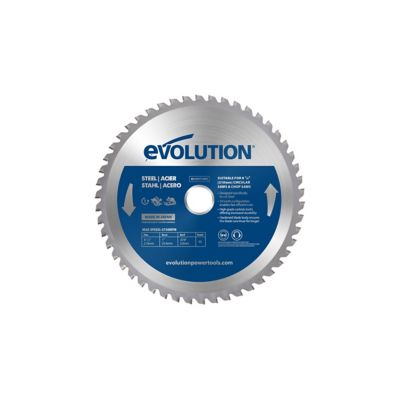
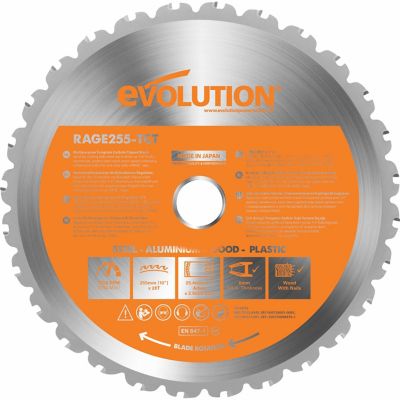
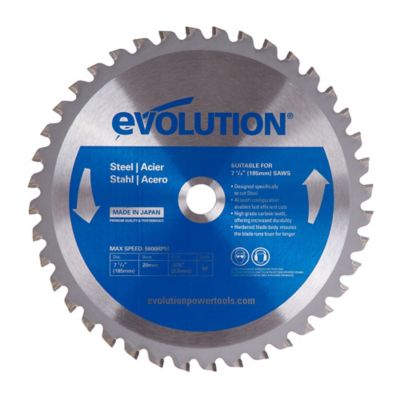
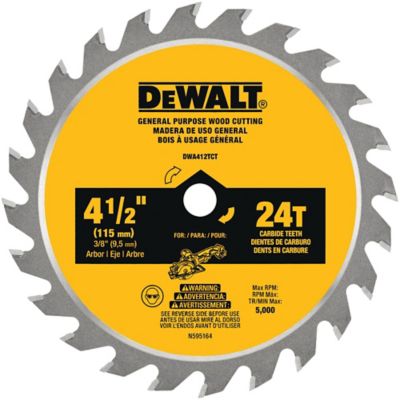
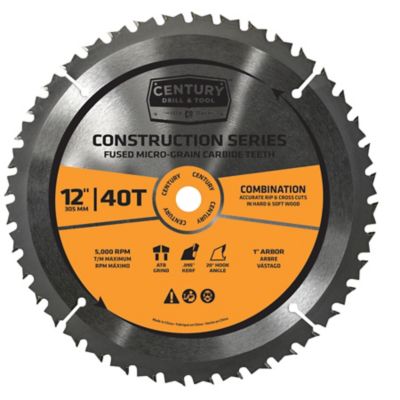
Small circular saw blades bring compact cutting tools to work on lumber, trim, sheet goods and other materials, with the right match depending on both the saw and the job. Common compact-saw blade diameters include 3-3/8, 4-1/2 and 5-1/2 inches, though smaller and larger formats also exist. These blades suit work where a smaller saw is easier to handle, whether that means trimming plywood for a feed-room shelf, sizing boards at a shop bench or making repairs around the house. A compact blade can leave a clean, controlled cut without the reach or weight of a full-size saw, but its cutting depth remains limited by the tool’s design. Blade diameter alone does not establish fit. Arbor size, blade thickness, maximum speed rating and the saw manufacturer’s specifications all matter, along with clearance inside the guard. A blade’s maximum rated speed must meet or exceed the saw’s operating speed. Small rotary-tool cutting discs belong to a different attachment system and are not interchangeable with compact circular saw blades simply because their diameters look similar. For an existing saw, the manual and markings on the original blade provide a starting point for comparing replacements. Corded and battery-powered tools can have different blade requirements, even when they appear close in size. Kerf, the width of material removed during a cut, also affects performance. A compatible thin-kerf blade can reduce the cutting load, which can be helpful on a compact cordless saw, but thinner is not automatically better for every tool or task. The blade needs enough stability for the material and the intended cut. Around a farm shop or home workshop, that combination of proper fit and suitable cutting geometry matters more than choosing by diameter alone. A blade that belongs on the tool helps the guard operate as intended and gives the operator a setup suited to the work.
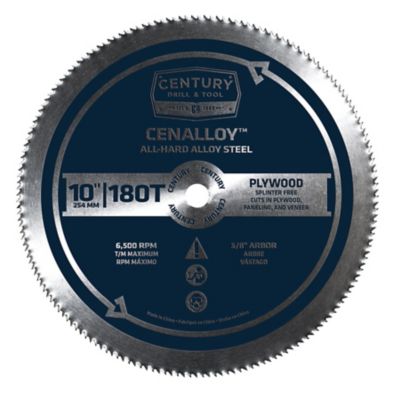
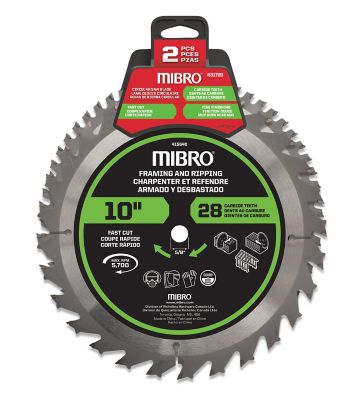
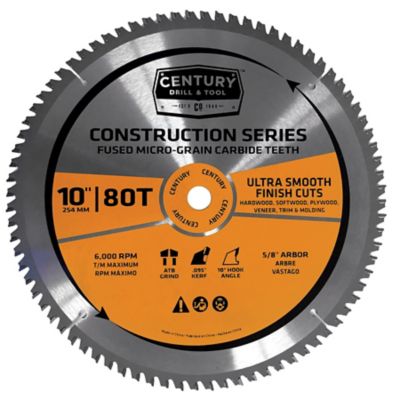
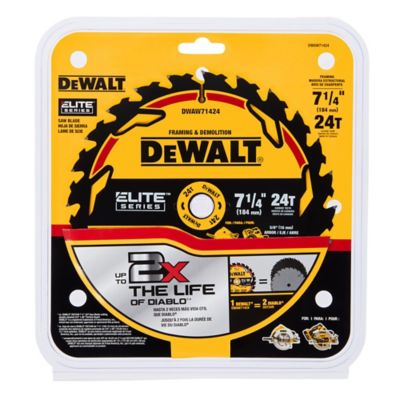
Material and tooth design separate one small circular saw blade from another. For wood cutting, carbide-tipped teeth are common because they hold an edge through repeated work in lumber and many wood-based panels. Steel-bodied blades with different tooth grinds serve different purposes, so two blades with the same outside diameter may leave noticeably different results. Lower tooth counts generally favor faster cutting and larger spaces for clearing chips, while higher tooth counts generally favor a smoother edge at a slower feed rate. The comparison matters most among blades of similar diameter and intended application; tooth count by itself is not a complete measure of performance. Cutting along the grain of a board presents a different task from cutting across it, and plywood layers add another challenge. A rough utility shelf may not need the same edge finish as a visible cabinet panel or a neatly fitted piece of trim. Fine-tooth blades intended for plywood or finish work can help limit splintering, while general-purpose wood blades offer a middle ground for mixed shop tasks. For a broader look at blades intended for lumber and wood-based panels, browse
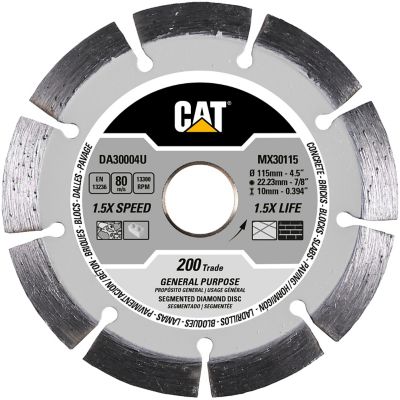
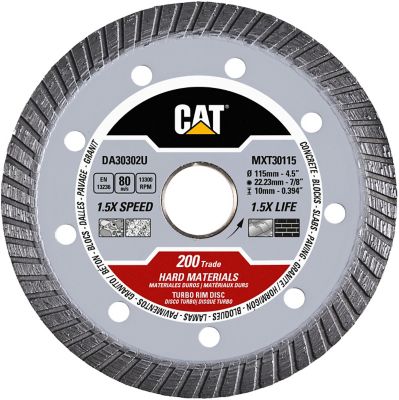
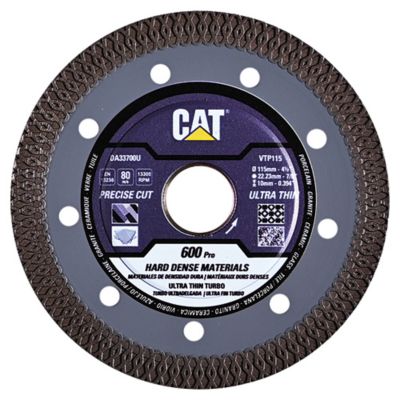
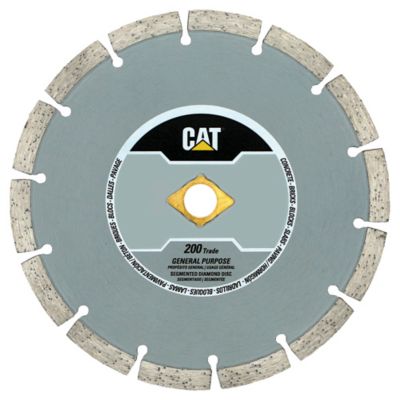
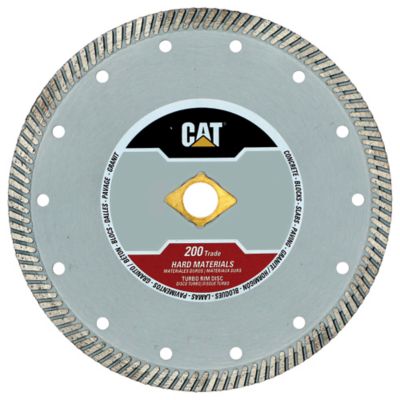
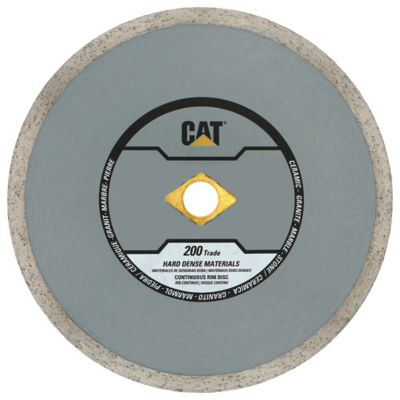
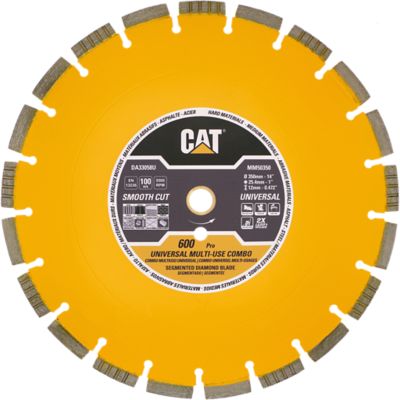
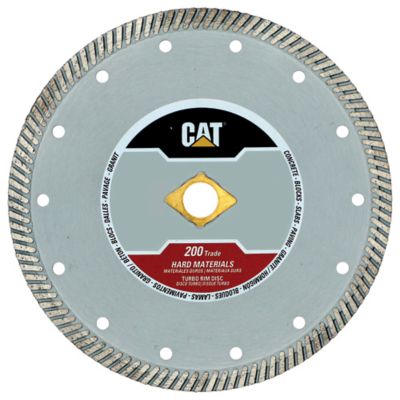
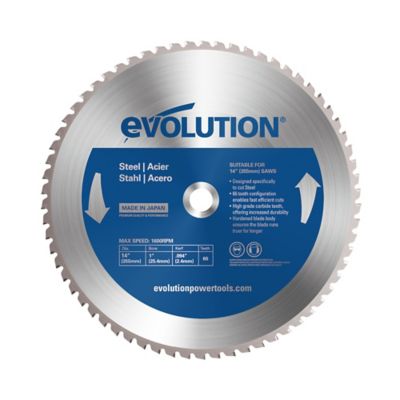
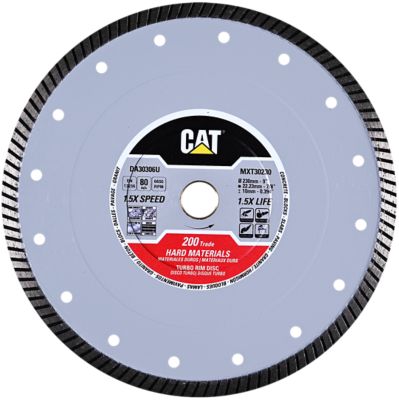
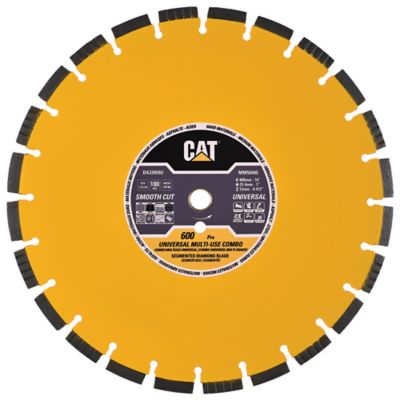
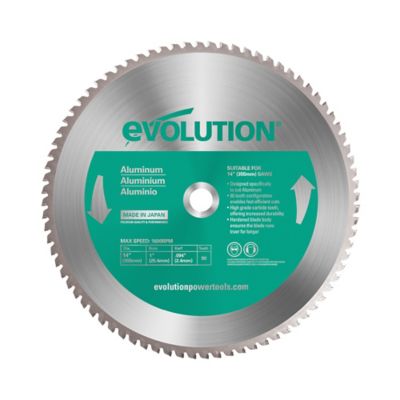
Wood Cutting Circular Saw Blades. Other materials call for their own blade designs. Certain plastics and nonferrous metals require blades specifically labeled for that material, along with a saw approved for the application. Metal-cutting capability should never be assumed from carbide teeth alone. Tile and masonry may call for diamond blades rather than toothed wood-cutting blades, and the blade’s wet- or dry-cutting designation must agree with the tool and working setup. A wood blade is not a substitute for a masonry blade, and a compact wood saw is not automatically suitable for cutting metal or tile. Matching the blade, saw and material helps manage heat, chip removal and edge finish without asking a small tool to do a job outside its design.
Small circular saw blades earn their place in the toolbox through the everyday jobs they suit, from cutting a replacement drawer bottom to fitting thin boards for a storage bin. Carpenters, maintenance crews, property owners and hobby woodworkers may all reach for a compact saw when the material thickness and work area fit its capabilities. Blade life depends on more than the material at the cutting edge. Hidden nails, screws, grit and contact with a concrete floor can damage teeth quickly, so clean lumber and a clear cutting path make a difference. Salvaged boards deserve particular attention before they reach the bench, since old fasteners can sit below the surface. Firm support on both sides of the work area, without pinching the blade as the cut finishes, helps prevent binding and torn edges. Small blades still require the same respect as larger ones, including eye and hearing protection, suitable dust control and hands kept clear of the cutting path. A sharp blade should cut without excessive pushing; increasing resistance, scorching or rougher edges can point to buildup, dullness, an unsuitable blade or a setup problem. Disconnecting power before inspection or blade changes keeps routine care on safer footing. Resin buildup may respond to a blade cleaner approved by the blade manufacturer, while chipped teeth, cracks or a bent plate call for removing the blade from service. Some carbide-tipped blades can be professionally sharpened, depending on their construction and condition. Dry storage with the teeth protected helps prevent corrosion and keeps cutting edges from knocking against loose tools in a drawer or truck box. Keeping blades separated also makes their size, material rating and tooth pattern easier to check before the next job. With sensible care and a match to the saw, small circular saw blades support the steady repair, fitting and building work that keeps a place running.