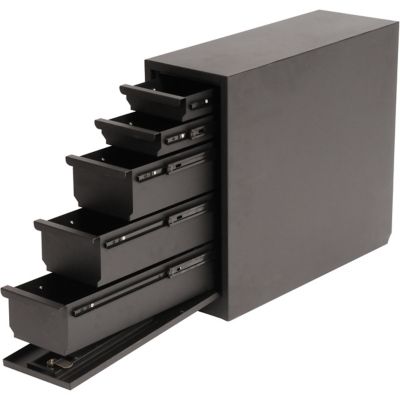
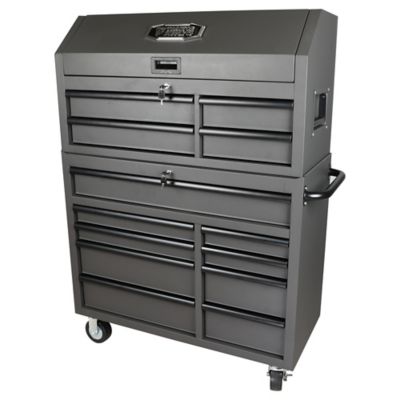
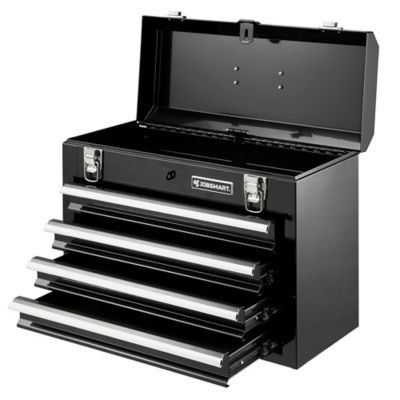
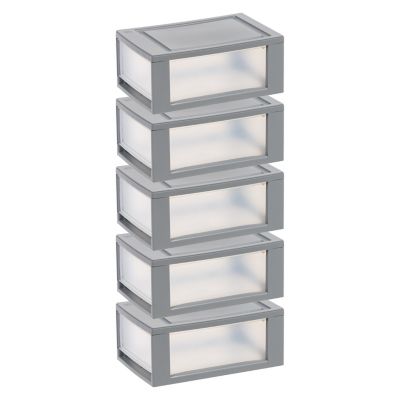
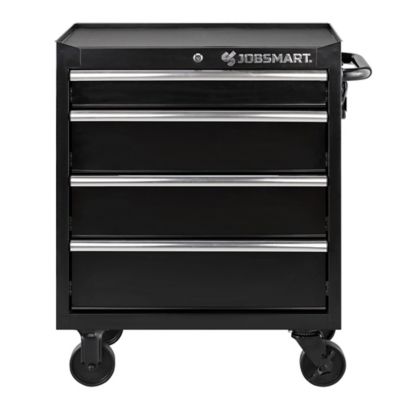
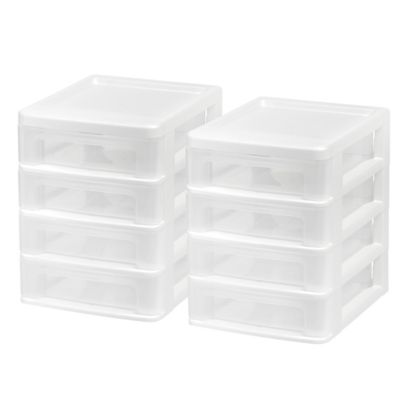
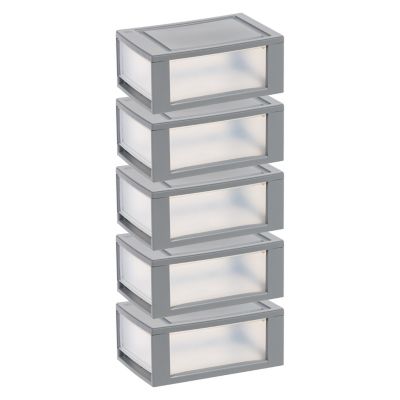
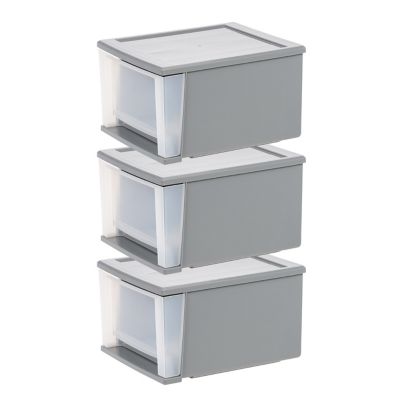
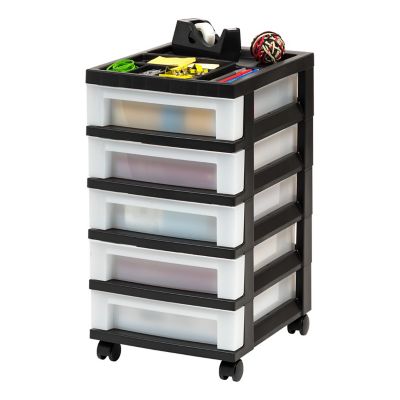
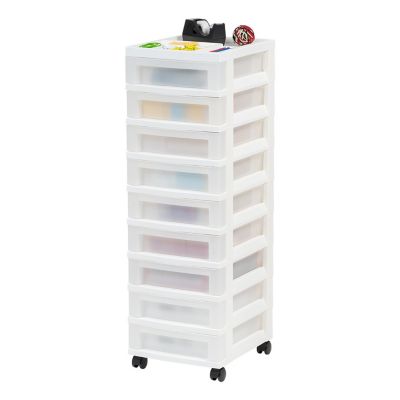
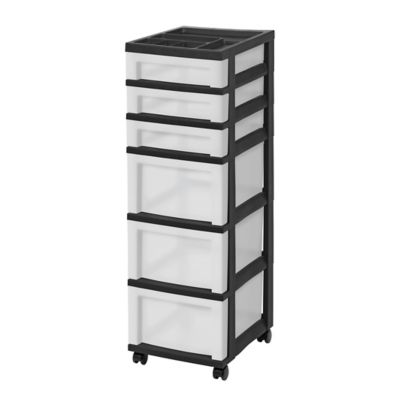
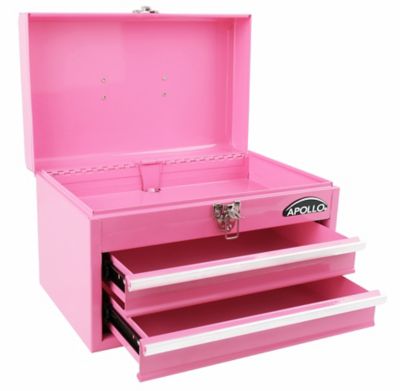
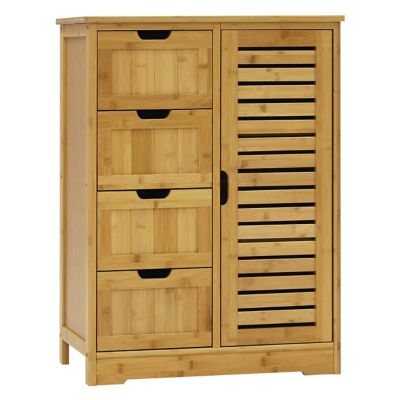
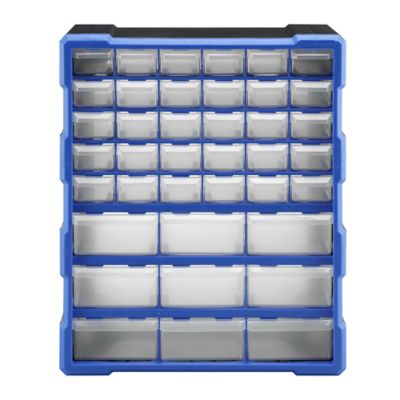
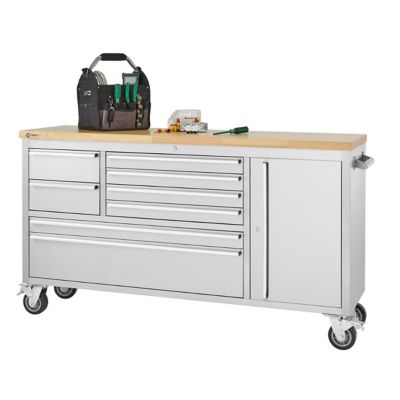
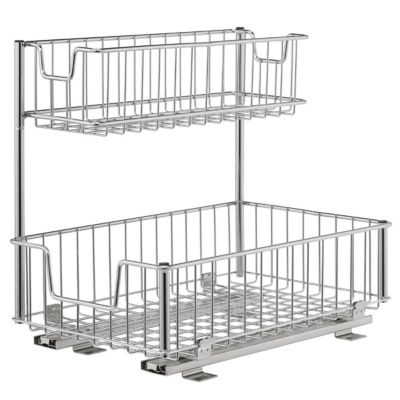
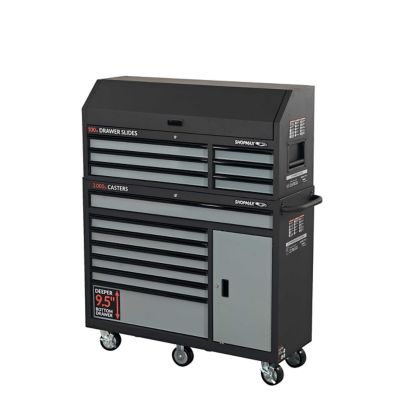
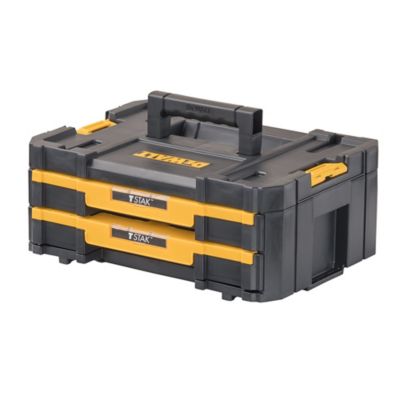
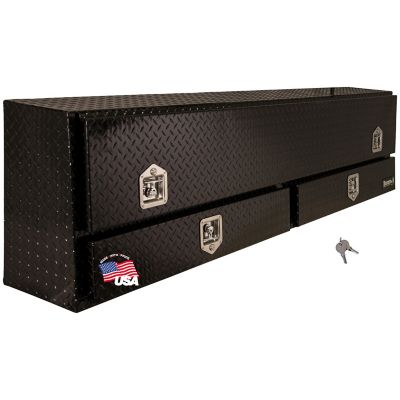
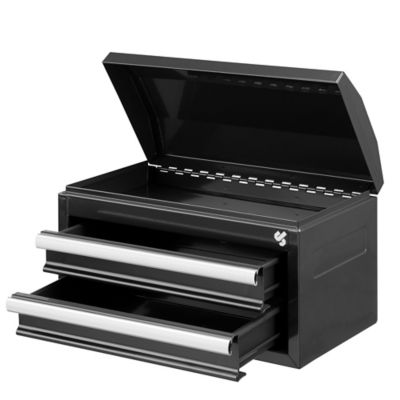
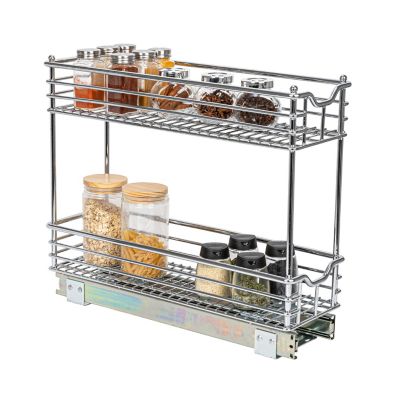
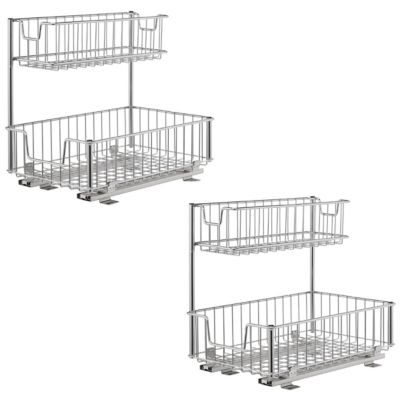
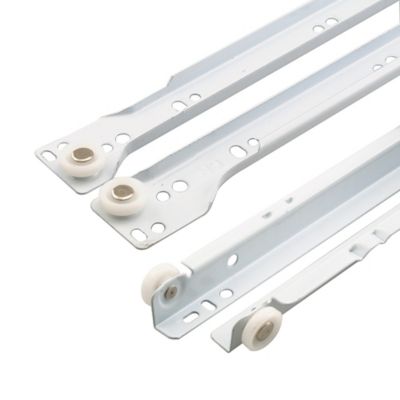
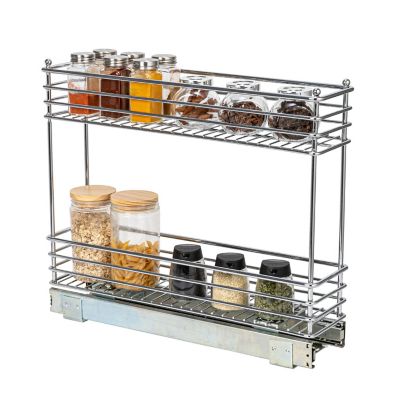
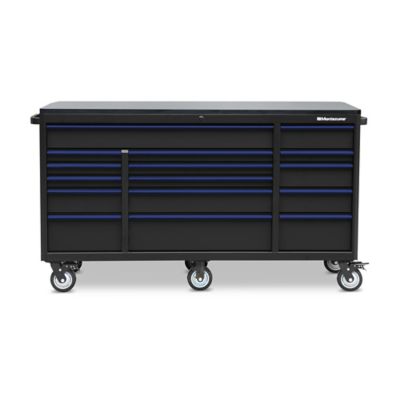
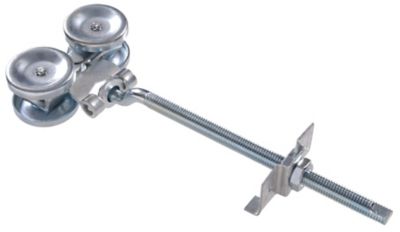
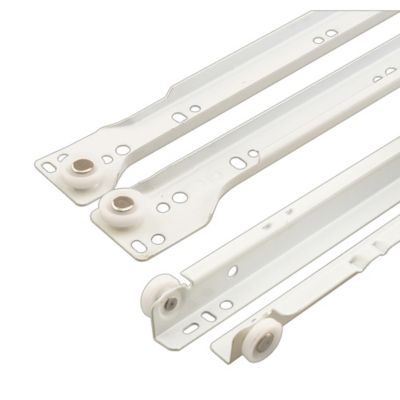
Sliding drawers help turn cramped cabinets, workbenches, pantry cupboards, tool boxes, and storage compartments into spaces that are easier to reach and keep in order. Rather than reaching deep into a dark cabinet for a jar, fitting, or small hand tool, a drawer brings the contents forward where they can be seen and picked up. This can make a real difference in a farmhouse kitchen, mudroom, laundry area, garage, barn office, or shop where storage has to earn its keep. Sliding drawers may be installed in new cabinet projects or added when an older drawer no longer glides as it should. They are available with several types of runners, including side-mount ball-bearing slides, concealed undermount slides, roller or epoxy slides, and center-mount guides. Side-mount ball-bearing tracks are often selected for drawers that carry heavier loads or need to open widely, while undermount slides sit beneath the drawer box for a neater appearance and may include a soft-close feature. Roller-style tracks can be a practical fit for lighter drawers, and center-mount guides work well when the cabinet and drawer are built around a single rail. The right choice depends on the drawer’s size, construction, load, opening style, and available clearance. A kitchen drawer holding cast-iron cookware calls for a different setup than a shallow drawer holding screws, seed packets, or measuring tape. For nearby cabinet projects that need a wider passage or a different way to move stored items, explore
Sliding Doors as another storage and access option.
Before selecting sliding drawer hardware, take careful measurements of the cabinet opening and the drawer box. Measure the inside depth from the front of the cabinet toward the back, leaving out the face frame when the cabinet has one, and compare that measurement with the slide length. A slide that is too long can hit the back of the cabinet, while one that is too short may keep the drawer from opening far enough to reach the contents. For side-mount tracks, plan for the required space between each side of the drawer and the cabinet opening; many common slides call for about 1/2 inch of clearance on each side, though the manufacturer’s specifications should guide the installation. Check the drawer width, height, and bottom clearance as well, especially when replacing an older runner with a different style. Full-extension slides allow nearly the entire drawer to come forward, which is handy for deep pantry storage, tool storage, and lower cabinets. Partial-extension slides leave some of the drawer inside the cabinet and may suit lighter storage or a tighter layout. Weight ratings also matter. Add up the approximate weight of the drawer itself and everything it will hold, then choose slides with a suitable load rating rather than sizing by drawer dimensions alone. A drawer packed with fasteners, wrenches, animal-care supplies, or canned goods can become much heavier than it first appears. For a smoother result, inspect the cabinet and drawer box for loose joints, swelling, split wood, or bent metal before installation. New hardware cannot correct a drawer that is out of square or a cabinet opening that has shifted over time.
Installation depends on the slide style, but careful layout is the key to a drawer that glides instead of binding. Mark both cabinet tracks at the same height, then check that they are level from front to back and parallel with one another. Even a small difference between the two sides can cause rubbing, sticking, or uneven movement. When installing side-mount slides, attach each track to the proper side of the drawer and cabinet, keeping the hardware straight and following the stated front setback. With undermount systems, pay close attention to the drawer bottom, rear clips, and the space beneath the drawer box. Center-mount guides need a well-positioned rail and a drawer bottom that can support the guide without twisting. Pre-drill holes when the cabinet material may split, and tighten screws firmly without stripping them. After hanging the drawer, open and close it several times while checking for scraping, rocking, or gaps that change from one end to the other. Small adjustments to a mounting screw can often correct a slight shift, but persistent binding usually points to a measurement or alignment problem. During the cooler months, wood in garages, sheds, barns, and unheated rooms may respond to changes in moisture, so leave the recommended clearance and avoid forcing a swollen drawer. Wipe away dust and grit from exposed tracks, keep loose nails and hardware from falling into the runners, and follow the care instructions for the slide material. Sliding drawers can be useful for homeowners organizing a busy kitchen, ranchers arranging supplies in a work area, gardeners sorting planting tools, and anyone making better use of limited cabinet space. With the right measurements and a steady installation, they make everyday storage easier to reach, easier to sort, and less likely to become a jumble at the back of the cabinet.