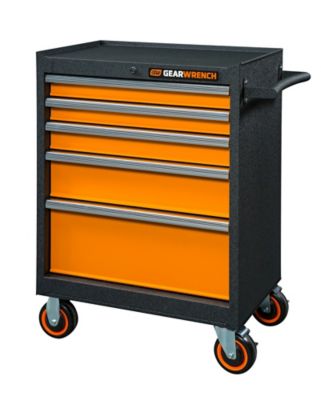
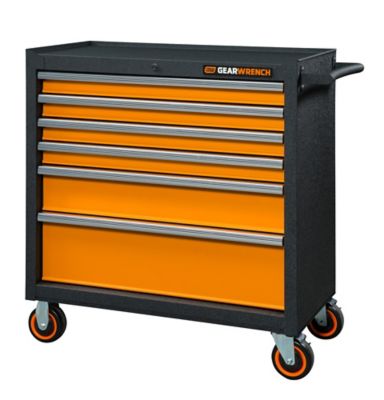
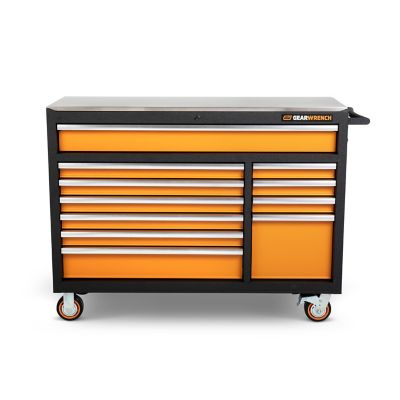
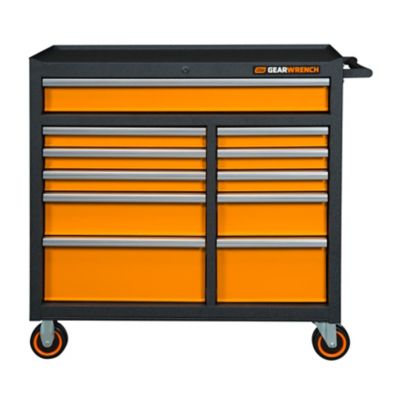
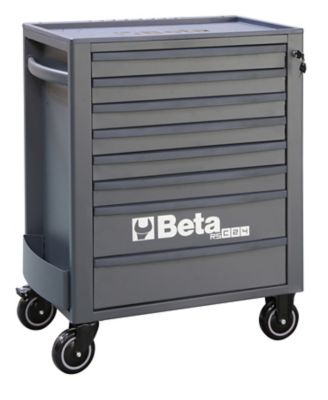
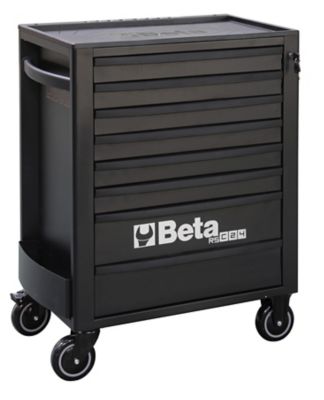
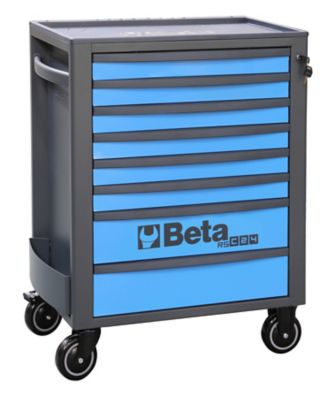
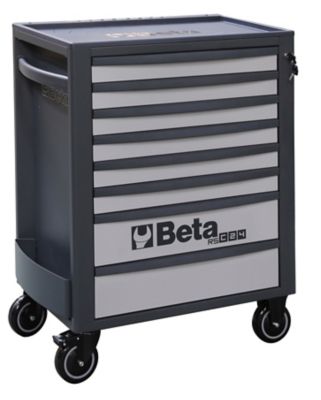
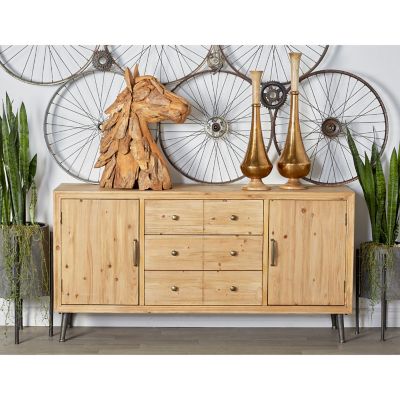
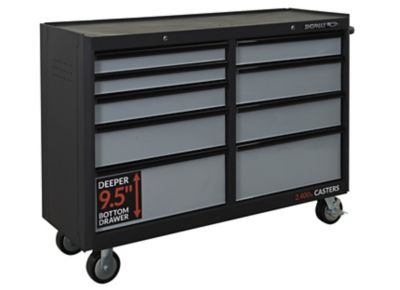
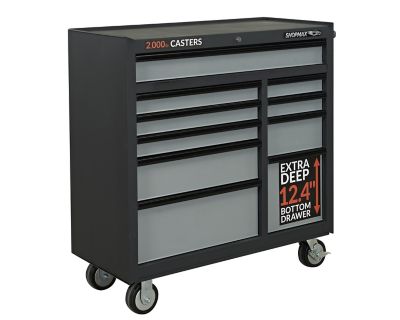
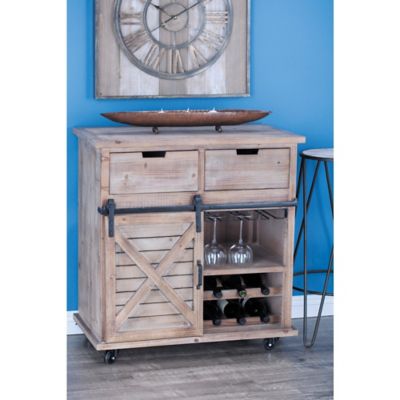
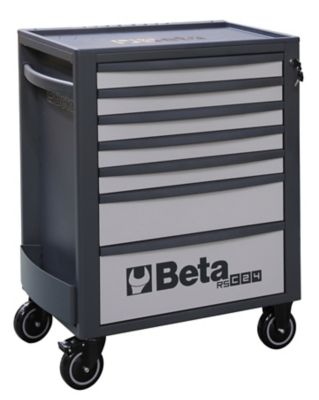
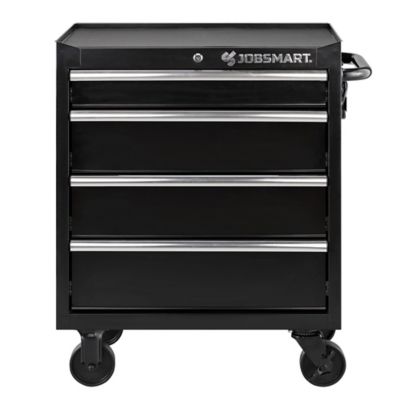
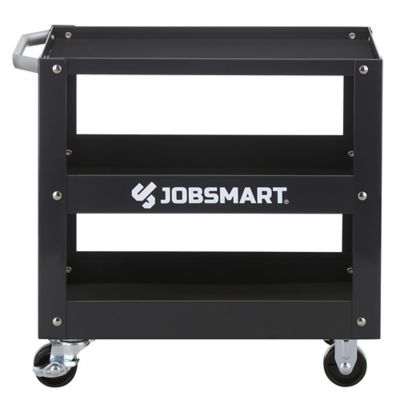
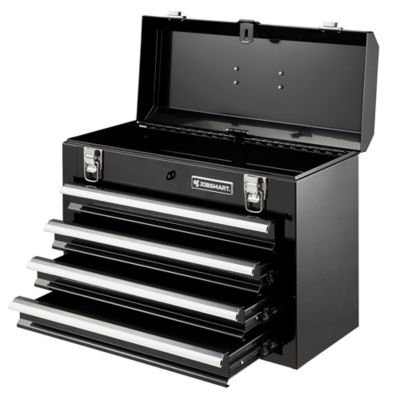
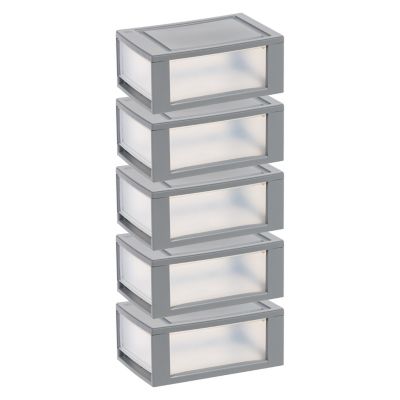
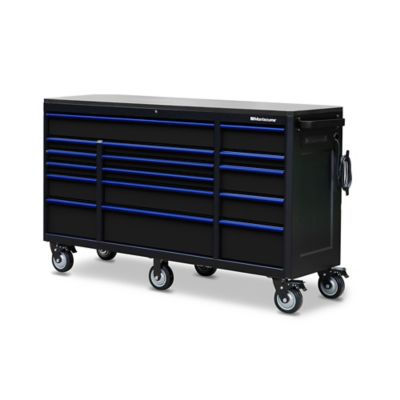
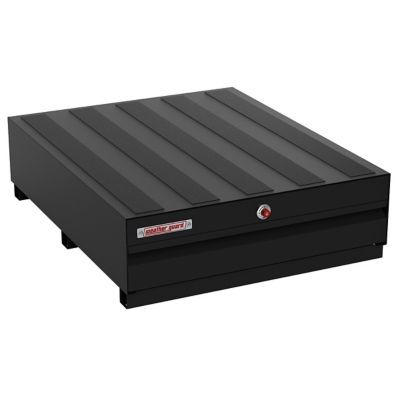
A sliding drawer cabinet is a storage cabinet with drawers that move along slides or runners, bringing the contents forward so there’s less reaching into the back of a shelf. Depending on the design, it may have enclosed drawers for small tools and supplies, open pull-out trays for larger containers, or a mix of drawer depths. Some versions are freestanding cabinets, while others are pull-out organizers that fit inside an existing cabinet opening. Both serve the same everyday purpose: keeping things together and making them easier to reach. In a farm shop or garage, that can mean separating measuring tools from repair hardware instead of digging through one crowded box. In a utility room, sliding storage can keep cleaning supplies upright and within reach. Kitchen and pantry applications put containers and cookware closer to the front without leaving everything out on the counter. Shallow drawers suit small parts that tend to disappear beneath larger equipment, while deeper compartments provide room for taller supplies and hand tools. Internal dividers and removable trays, where included, help keep those groups from shifting every time a drawer opens. Full-extension slides allow the drawer to travel farther out of the cabinet, offering better access to the rear; partial-extension slides leave part of the drawer inside the frame. That difference matters when the cabinet holds small hardware or sits below a work surface. A clear view from above makes it easier to spot the right socket, fastener or measuring tape without unloading the drawer. For someone moving between equipment repairs, fence work and household projects, a practical drawer layout can cut down on trips across the shop. The most useful arrangement leaves everyday supplies easy to grab while giving larger or less frequently needed equipment its own space. Storage works better when the drawer sizes match what goes inside rather than forcing every tool into the same depth.
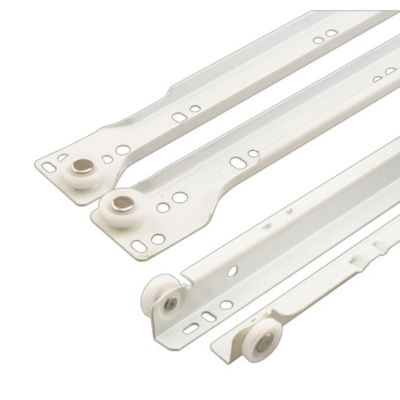
Materials and construction affect how a sliding drawer cabinet handles its surroundings and the weight of its contents. Steel cabinets are common in workspaces because their rigid frames can support tool storage when loaded within the manufacturer’s limits. Painted or powder-coated finishes help protect the metal, though scratched areas need attention before corrosion takes hold. Stainless steel surfaces can be easier to wipe down in spaces where regular cleaning is part of the routine, but the grade, finish and care requirements still matter. Wood and engineered-wood cabinets offer another approach for household storage and work areas, with attention needed around exposed edges, joints and places where spills might soak in. Plastic drawer components are often lighter and easy to clean, though their load ratings and resistance to particular cleaners vary. Beyond the outer shell, the drawer slides do much of the daily work. Ball-bearing slides can provide controlled movement under a load, while roller-style runners offer a different mechanism with their own weight limits and extension range. A drawer’s rated capacity is not necessarily the capacity of the whole cabinet, and evenly distributed weight matters just as much as the total. A pile of heavy metal parts at the front puts different stress on the drawer than a balanced arrangement across its base. Reinforced drawer bottoms, secure slide mounting and well-supported corners are worth considering for demanding storage needs. Handles also affect everyday comfort: a broad pull may be easier to grasp with work gloves than a small knob. Soft-close mechanisms, drawer stops and locks are features on some designs, not standard parts of every cabinet. Each serves a different purpose, from controlling closure to limiting access. A lock does not replace storage precautions for hazardous materials, and those supplies still need an appropriate location and container. For storage alongside a workbench, a
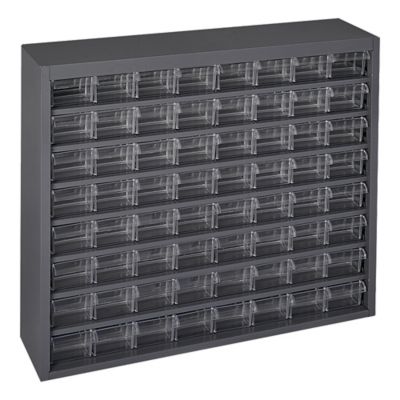
Drawer Unit with several shallow compartments can help separate small tools without taking over the work surface.
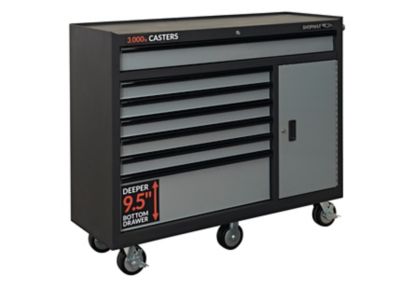
Fit involves more than finding a cabinet narrow enough for an empty spot. The overall height, width and depth need to work with the room, and the drawers need enough clearance to open without blocking a doorway or bumping into nearby equipment. Handles, baseboards and an overhanging countertop can all affect placement. For an organizer installed inside another cabinet, the clear opening matters more than the outside cabinet dimensions. Door hinges, a center face-frame rail or plumbing can reduce the usable space, and mounting points must suit the organizer’s installation requirements. Freestanding cabinets need a level, stable surface so the drawers stay aligned and the frame does not rock. Wall attachment or other anti-tip measures should follow the manufacturer’s directions, especially where loaded drawers extend beyond the cabinet base. Keeping heavier contents low and opening one drawer at a time helps reduce tipping risk. Rolling designs, where offered, also need suitable casters and a way to hold the cabinet in place while it is being accessed. Day-to-day care is generally straightforward: loose grit can be brushed or vacuumed out, spills wiped away promptly, and surfaces dried before drawers are closed. Slide cleaning and lubrication depend on the mechanism, so adding grease without checking the care instructions can create more trouble by collecting dust. Liners can cushion tools and reduce sliding, provided they fit without bunching against the runners. Removable liners also make it easier to clear out filings and check for trapped moisture underneath. Over time, checking fasteners, handles and slide alignment can catch small problems before a drawer starts dragging. There is a practical payoff to leaving a little breathing room inside each compartment, too. Drawers that close without forcing a handle down over tangled tools are easier on their hardware and easier to keep organized. Whether the cabinet belongs beside a repair bench, beneath a household counter or along a utility-room wall, its value comes from making everyday storage less of a scramble. A sensible combination of drawer depth, working clearance and load capacity gives tools and supplies a place that is easy to reach and simple to maintain.