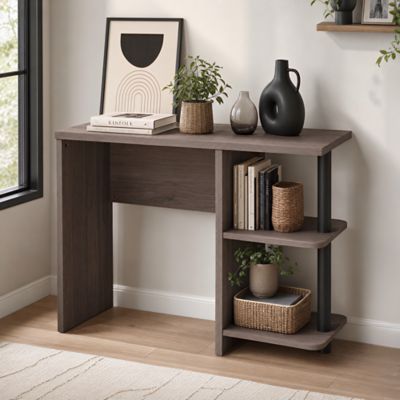
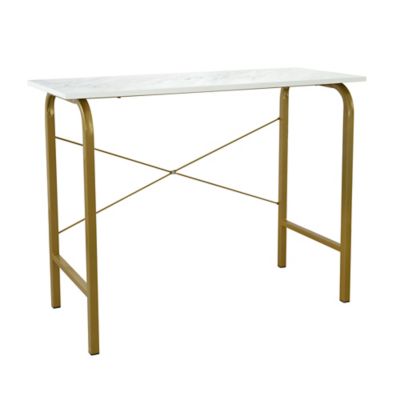
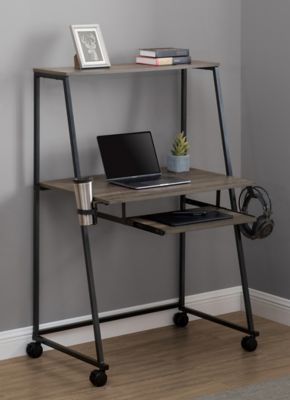
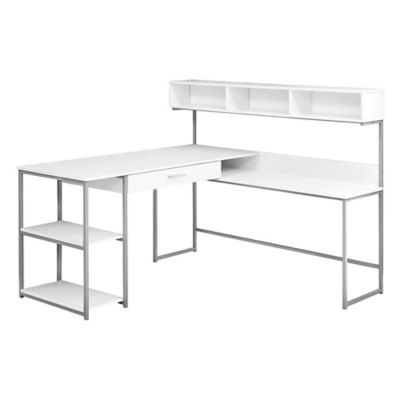
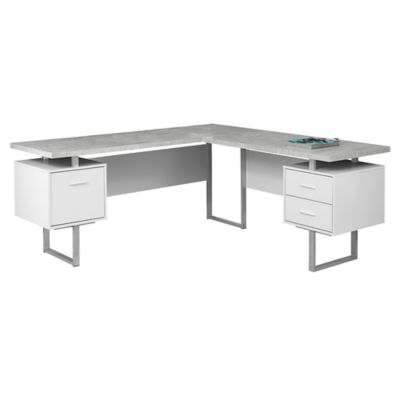
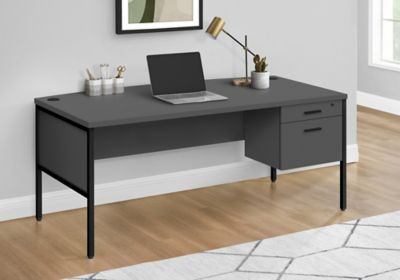
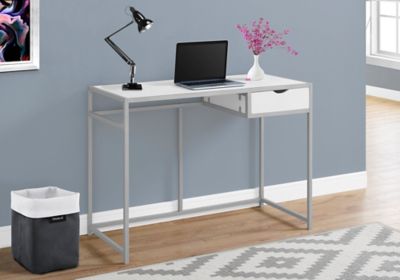
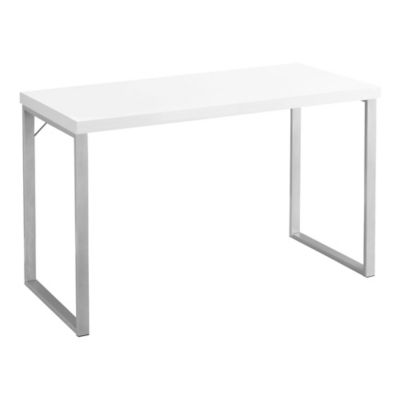
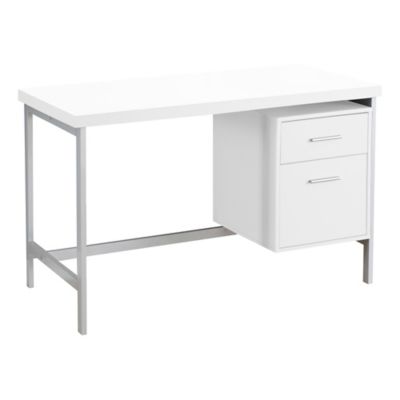
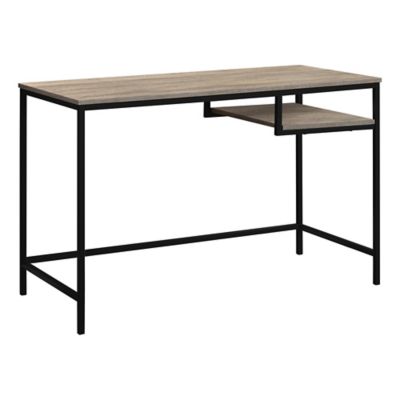
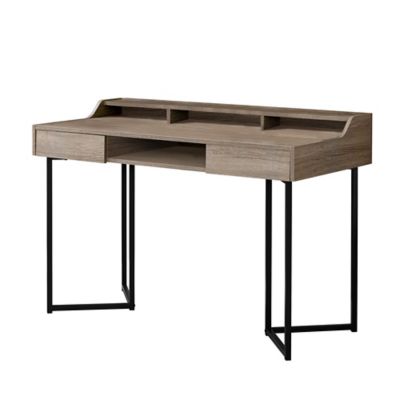
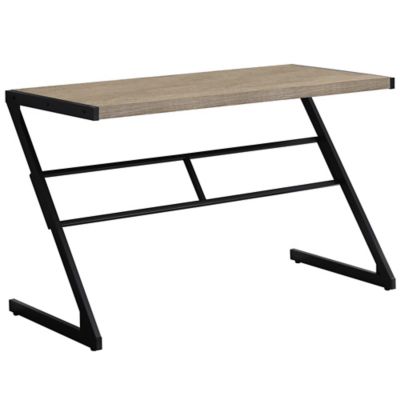
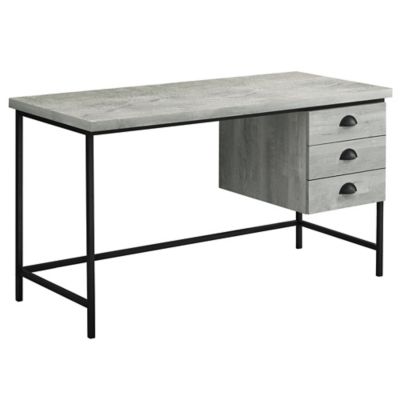
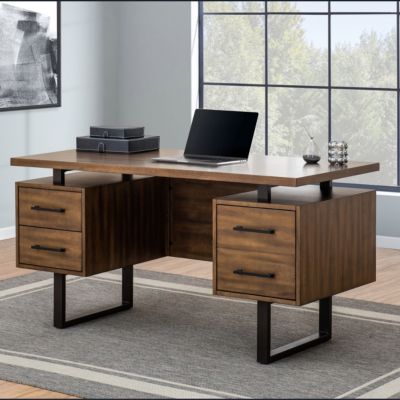
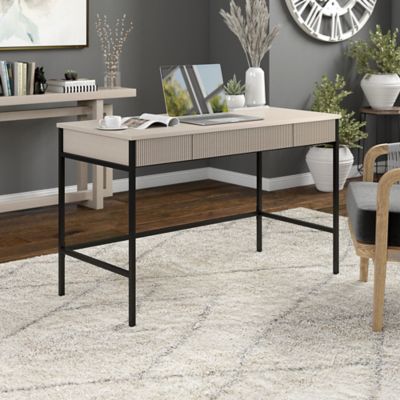
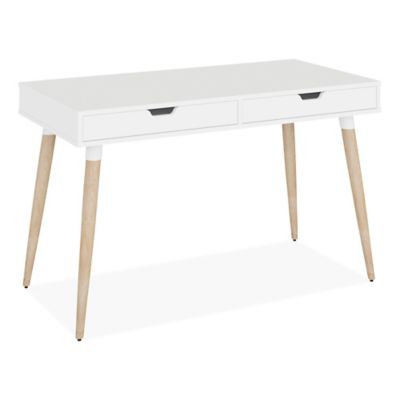
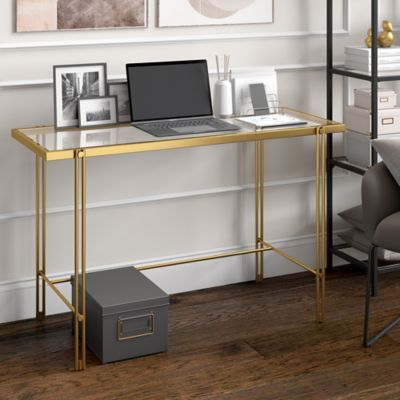
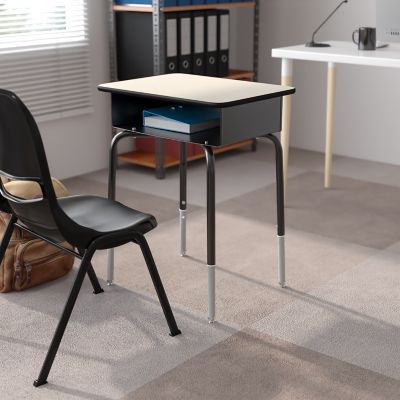
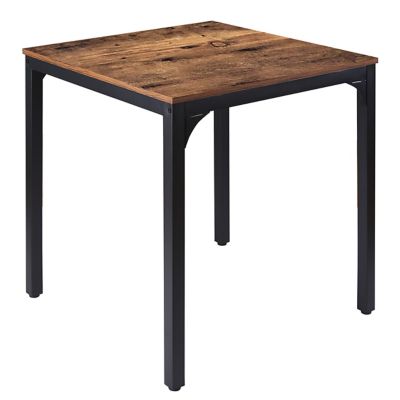
Modern home office desks give paperwork, computer work and everyday planning a proper place without making the house feel like an office building. Clean lines, straightforward shapes and uncluttered surfaces fit naturally into a spare bedroom, a living room corner or a dedicated workspace off the kitchen. For someone balancing remote work with chores around the property, that might mean a spot to answer emails, review feed orders and keep household bills from spreading across the dining table. For a student, it might mean enough room for a laptop, an open textbook and a notebook without having to shuffle everything between assignments. The right layout depends as much on the room as it does on the work. A rectangular desktop can sit neatly along a wall, while an L-shaped layout can separate computer tasks from paperwork when there is room for both sections. A compact writing desk keeps the footprint smaller for occasional work, though desktop depth still matters when a monitor and keyboard share the surface. Wider surfaces give plans, reference books and a second screen some breathing room. Open bases help a small room feel less crowded, while desks with enclosed storage keep the working parts of the day out of sight. Light wood tones can soften a workspace, darker finishes can give it more visual weight, and metal accents bring a simple, practical feel. A modern desk does not have to clash with a farmhouse setting, either; a plain wood-look surface and a clean frame can sit comfortably alongside painted cabinets, woven baskets and familiar family furniture. Proportion makes the difference between a workspace that settles into the room and one that takes it over. Space behind the chair, clearance beside a doorway and access to nearby cabinets all affect how comfortably the desk fits into everyday life. Even a generous desktop can feel cramped if every drawer opening blocks the path through the room.
Materials and construction shape how a desk feels under the hands and how it handles daily work. Solid wood brings natural grain and variation, though its care needs depend on the species and finish. Wood veneer provides a real-wood surface over a supporting core, while laminate and other finished engineered-wood surfaces offer a consistent appearance with their own cleaning requirements. A metal frame can give a desk a slim profile, but frame connections, support placement and the span of the desktop matter just as much as the material itself. A long work surface needs appropriate support, especially when it holds several screens, a printer or stacks of binders. Stated weight limits apply to more than the main desktop; shelves, drawers and keyboard trays may each have separate limits. A firm, steady surface makes typing and writing more comfortable, and adjustable leveling feet, where included, can help address slight differences in the floor. Storage deserves the same practical attention. Shallow drawers suit pens, charging cords and small office supplies, while deeper compartments can hold notebooks or larger paperwork. File storage works best when its dimensions match the folders involved, since letter-size and legal-size documents need different amounts of room. Drawer placement also affects knee space, particularly for anyone who shifts positions throughout the day. Open shelves keep frequently reached materials close, although they leave those materials visible when the workday ends. Enclosed cabinets offer a tidier appearance in a shared living area. Everyday care is generally simpler when spills are wiped up promptly and cleaning follows the surface maker’s directions. Coasters help protect the area beneath a coffee mug, and a desk pad can reduce scuffs from writing, moving equipment or sliding a keyboard. Excess moisture, harsh cleaners and dragging heavy equipment across a finish can cause trouble, even on surfaces intended for regular use. Checking hardware as directed and moving the desk with help rather than pulling it by one corner can also protect its structure over time.
Comfort comes down to how the desk, chair and equipment work together. A desktop that looks right in the room still needs to leave enough clearance for knees and thighs, with a working height that allows relaxed shoulders and comfortable typing. Chair arms need room to tuck beneath the surface if that is part of the setup. For longer stretches at a computer, desktop depth helps keep the screen at a comfortable viewing distance while leaving the keyboard and mouse within easy reach. A monitor arm may free up surface space, but its clamp needs a suitable desktop edge, enough clearance underneath and support for the equipment’s weight. Height-adjustable designs can make it easier to change positions during the day when their adjustment range suits the person at the desk. Cable routing matters, too, especially in a room where a desk faces outward rather than sitting against a wall. Grommets, trays and access openings, when included, can help keep cords together instead of trailing across the floor. Nearby outlets reduce the need for awkward cable runs, and room for a task lamp keeps the work surface useful without crowding the keyboard. For video calls, a desk position that allows a comfortable screen angle and a simple background can make a shared room easier to work in. Someone who spends more time writing checks, sorting mail or sketching plans may put greater value on clear surface space than on equipment storage. Those who lean toward framed details and a more traditional furniture look may also want to browse
Classic Office Desks for another approach to the same everyday tasks. A desk can also make a thoughtful gift for a graduate, someone starting a home-based business or a family member setting up a dedicated workspace, provided the room measurements and working habits are known beforehand. Whether the work involves a full day online or a short evening catching up on farm records, a well-proportioned desk gives the task a place of its own and leaves the rest of the house free for living.