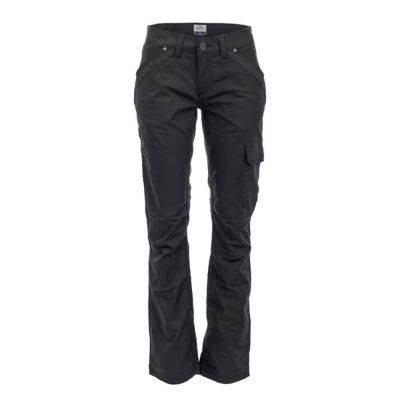
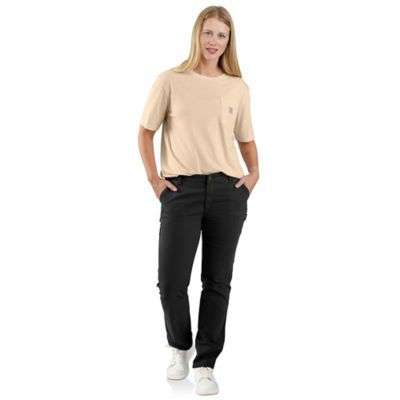
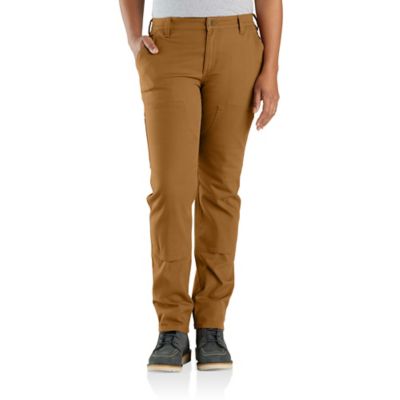
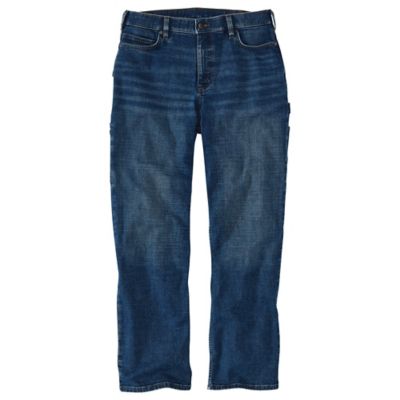
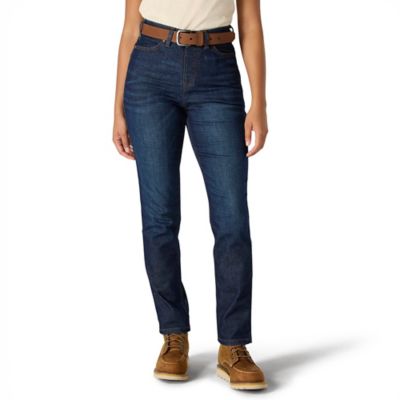
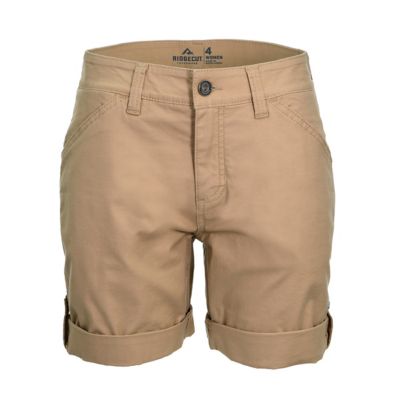
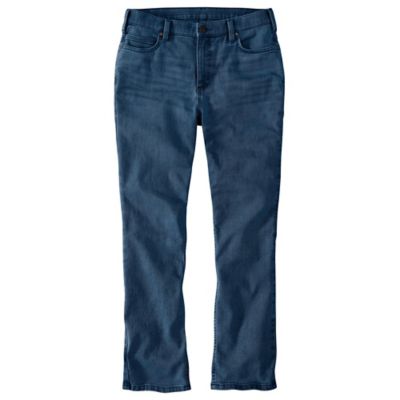
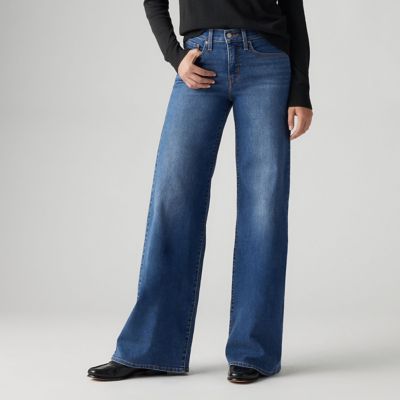
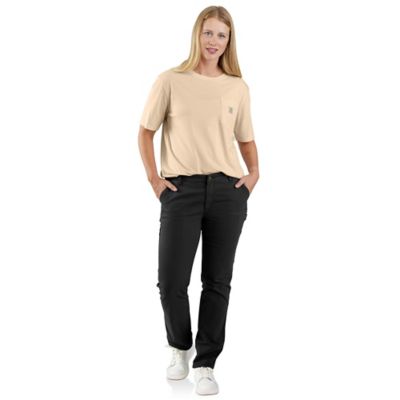
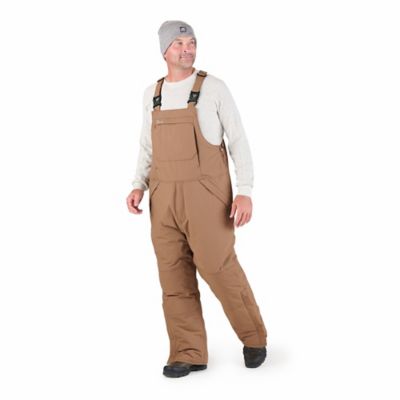
Size 14 women's clothing covers a range of fits, lengths, and proportions rather than one fixed set of body measurements. The size can appear in misses, petite, tall, and plus-size ranges, so the number on the tag is only part of finding a comfortable fit. A misses 14 and a 14W are not interchangeable: a 14W generally follows a women's plus-size chart, with different proportions through areas such as the waist and hips. Neither should be treated as an automatic match for a size 16. Petite and tall sizing also involves more than hem length; sleeve length, rise, knee placement, and the position of the waist may change. That matters whether the day calls for feeding livestock, driving into town, or sitting down to supper with family. Bust, waist, and hip measurements help connect a size label to the body, while inseam measurements help determine where pants will fall over everyday shoes or boots. A brand's size chart and the garment's cut give a better picture than a familiar number alone. A straight cut can sit differently from a curvier cut in the same size, and a fitted waist can feel different from an elastic waistband even when both are labeled 14. Room through the shoulders matters when reaching for a gate latch, just as space through the hips and thighs matters when climbing into a pickup. Comfortable clothing should allow those everyday movements without constant tugging at the hem or waistband. Gaping pockets, pulling across the seat, or shoulder seams that restrict reaching can point to a mismatch in cut rather than a need to change sizes across the board. When the waist fits but the hips do not, a different silhouette may make more sense than simply moving up or down a number. Size 14 is a useful starting point, but the right proportions make the outfit feel like it belongs.
Fabric helps determine how women's size 14 clothing feels, moves, and holds its shape throughout the day. Cotton is a familiar choice for its soft feel and breathability, while cotton denim and twill bring more structure to pants and other everyday clothing. Fabric weight makes a difference, too: a heavier weave may feel substantial and resist abrasion, while a lighter fabric can drape more freely and feel less restrictive. A small amount of spandex or elastane can add give at the knees, seat, elbows, or waist, though stretch does not replace proper fit. Clothing that stretches comfortably while sitting should also settle back into shape when standing. Polyester blends often help fabrics dry faster and resist wrinkling, but the finished feel depends on the blend, weave, and construction. Knit fabrics generally move more freely than firm woven fabrics, making them practical for bending, reaching, and spending long stretches behind the wheel. Woven fabrics can provide a cleaner outline for town visits, family meals, or work settings where a more structured appearance fits the day. Seams, pocket placement, closures, and hems deserve attention alongside the material. Reinforcement at pocket corners and other stress points can help clothing stand up to repeated wear, while smooth interior seams can make a noticeable difference over several hours. Pockets should sit comfortably rather than bunch under the hand or pull open with movement. Waistbands should stay put without digging in, and buttons or zippers should close without strain. For clothing worn around equipment, loose hems, dangling ties, and oversized sleeves need particular consideration because they can catch on moving parts. Everyday apparel is not a substitute for protective clothing required for a task. The most practical choice balances freedom of movement with a shape that stays out of the way, whether the job involves carrying feed, tending a garden, or handling the household's regular round of chores.
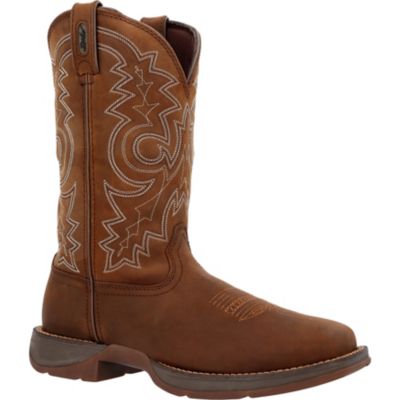
A workable size 14 wardrobe leaves room for both getting things done and looking pulled together afterward. Straight-leg, relaxed, and bootcut shapes each create a different fit through the leg, while rise determines where the waistband rests and how the garment feels when sitting or bending. Pants intended to fall over boots need enough room at the opening without dragging under the heel. Tops need a comfortable balance between coverage and movement, especially when reaching overhead or leaning across a fence. Dresses and skirts bring their own fit considerations, including where the waist falls, how freely the skirt moves, and whether the length suits walking, sitting, and the occasion. Simple colors and familiar patterns make it easier to combine pieces without much fuss, while details such as a shaped seam, a tidy collar, or a well-placed pocket can change the feel of an outfit. For a couple getting ready for a country dance,
Western Boots For Men Size 14 may also belong on the household's shopping list. Clothing care helps preserve fit and appearance long after that first outing. The care label takes priority, since washing temperature, drying method, and ironing needs vary with fabric and construction. Cotton may shrink with heat, and high dryer heat can affect stretch fibers, so gentler settings or air drying may suit some garments when the label allows. Turning dark clothing inside out can help limit surface fading, while closing zippers before washing helps prevent snagging neighboring fabrics. Treating stains promptly with a fabric-appropriate method is especially helpful after a day around soil, grass, or feed. For gift giving, a known size is helpful, but the recipient's preferred cut, length, and fabric matter just as much. Clothing that matches her actual routine, from chores at home to a meal in town, has a better chance of becoming something she reaches for often.