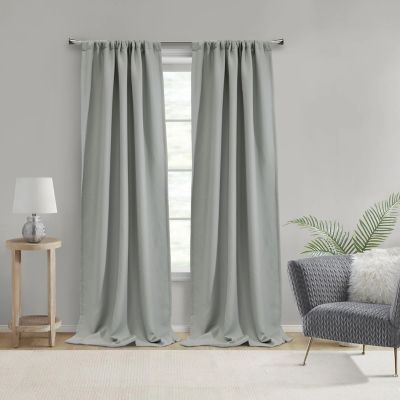
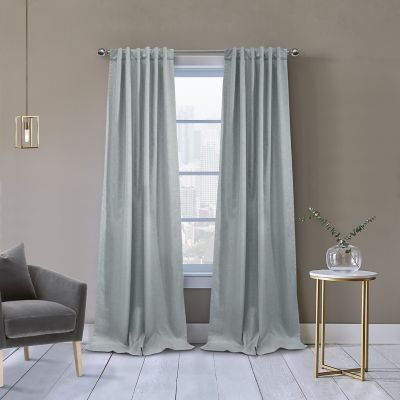
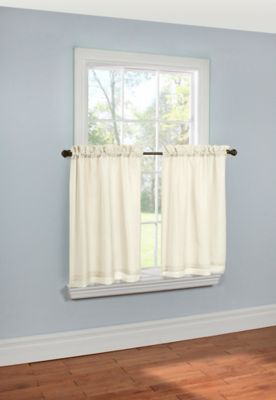
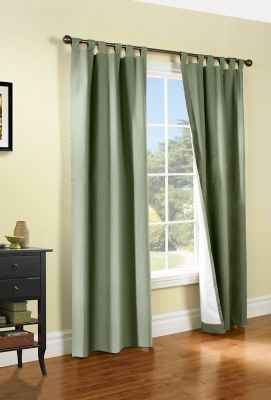
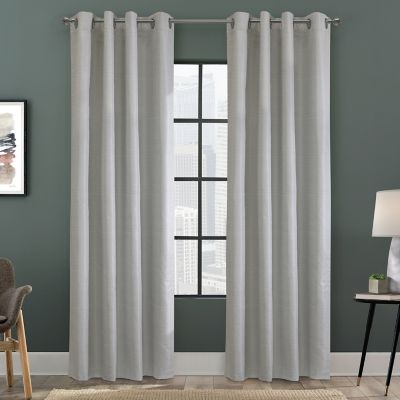
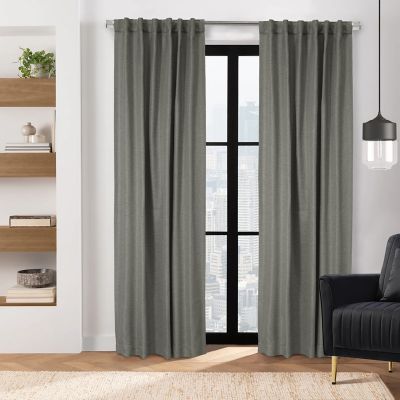
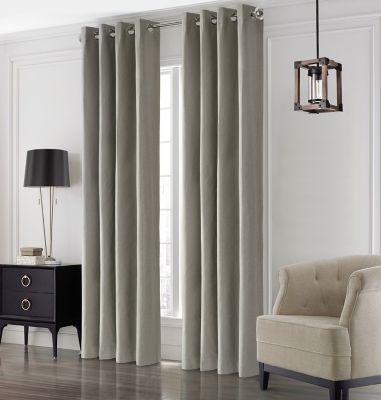
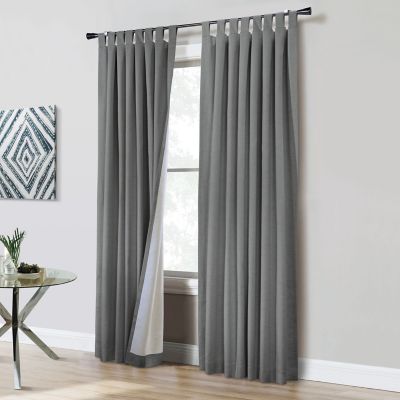
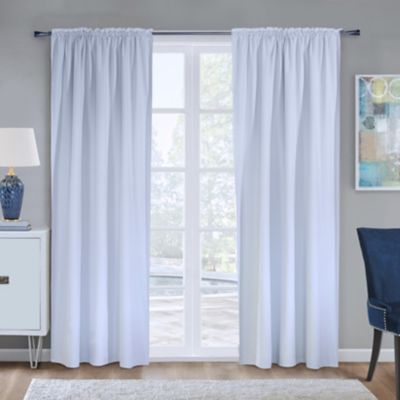
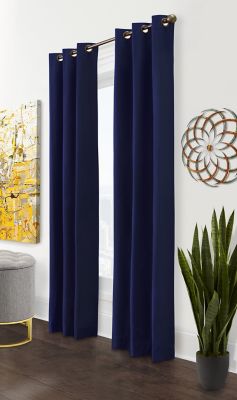
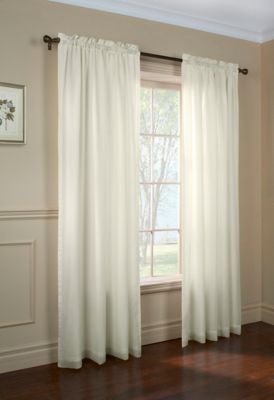
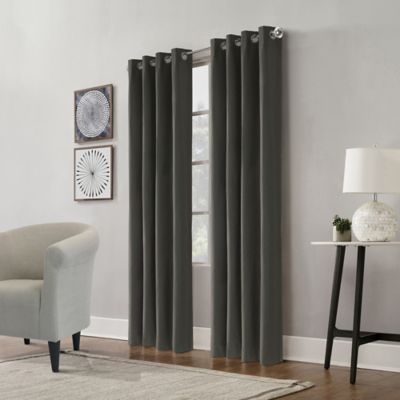
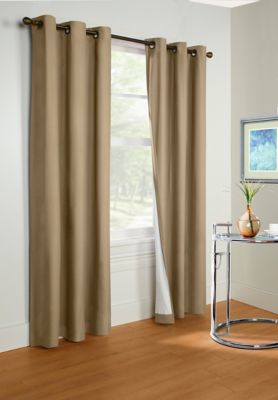
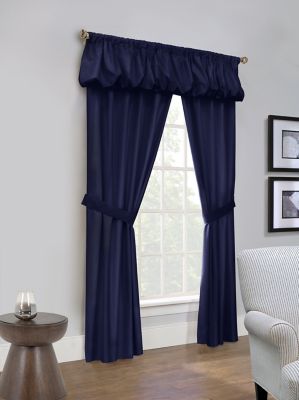
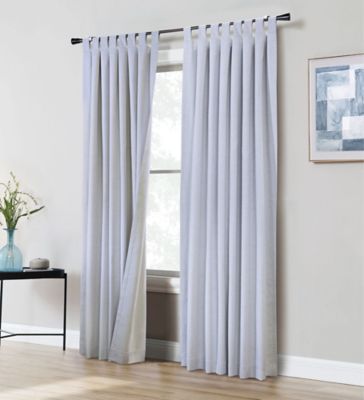
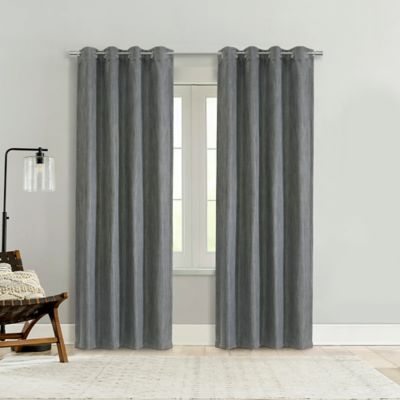
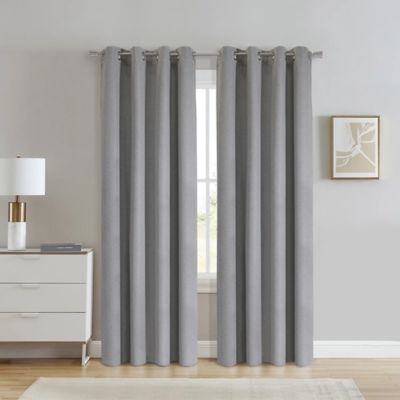
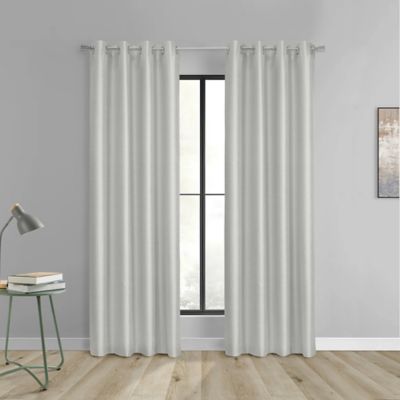
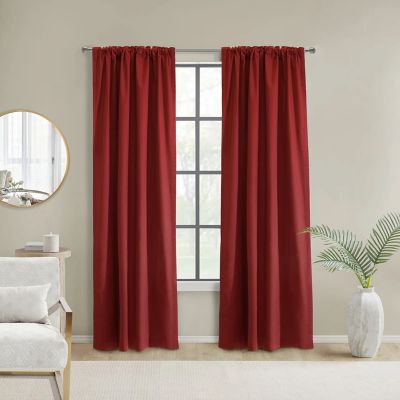
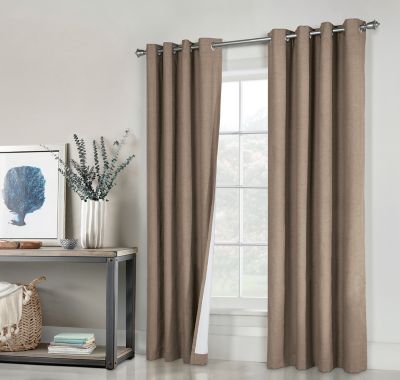
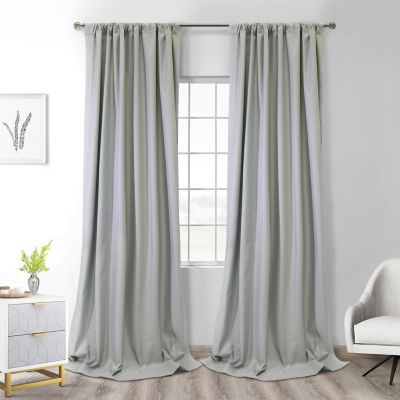
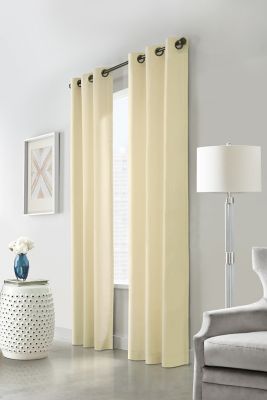
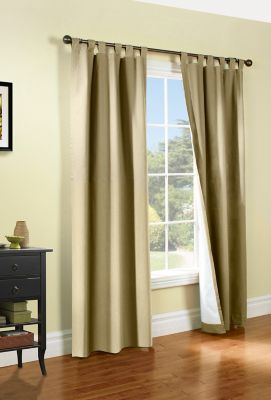
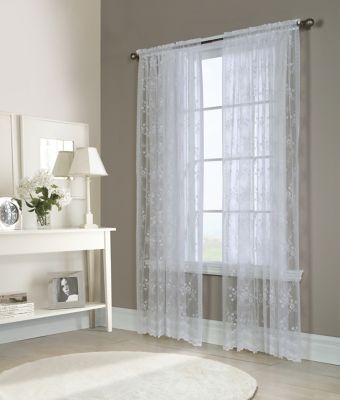
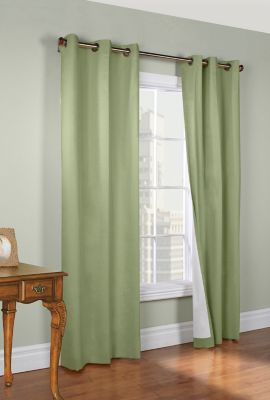
Thermal insulated window curtains are a practical way to make a room feel more comfortable while helping manage the amount of heat and cold that moves through the glass. Their heavier construction, often made with multiple fabric layers, a dense backing, fleece, or insulating batting, helps trap a layer of air between the window and the living space. During the warmer part of the year, closed curtains can help limit bright sunlight and radiant heat coming through the glass. As the weather cools, they can help slow the chill that gathers around windows and reduce drafts that make a room feel colder than the thermostat suggests. These curtains are useful in farmhouses, older homes, cabins, workshops with finished living areas, bedrooms, nurseries, home offices, and any room with sunny windows or glass doors. They can also soften outside noise, which is handy when a bedroom faces a busy road, a barking-dog patrol route, or a lively stretch of the homestead. While no curtain replaces weatherstripping, storm windows, or proper insulation, a well-fitted thermal panel adds another helpful layer between the indoors and outdoors. It is the sort of simple home improvement that can make a reading chair feel less drafty, keep a guest room more comfortable, and give a bedroom a darker, quieter feel for better rest.
When choosing thermal insulated window curtains, start with the window measurements rather than the curtain package alone. Measure the width of the window or existing rod, then allow enough total curtain width for the panels to overlap and form soft folds when closed. For better coverage, many homeowners install the rod a few inches above the window frame and extend it about 2 to 3 inches beyond each side. This helps reduce light leaks and keeps the fabric from ending right at the edge of the glass, where air can slip around it. Floor-length curtains are often a strong choice because they help limit air movement beneath the window, especially when the sill sits close to the floor. In a room with furniture below the window, a sill-length style may be easier to use, but the curtain should still cover the full glass and sit close enough to the frame to limit gaps. Look for a thick, tightly woven face fabric and a substantial thermal backing or multi-layer construction. Darker colors and dense fabrics generally do more to block sunlight, while lighter colors can keep the room looking open and airy; the right choice depends on how much privacy, light control, and seasonal comfort the room needs. Curtain panels with sturdy rod pockets, back tabs, or grommets can make opening and closing easier, while a wrap-around rod or side clips may help seal the edges against the wall. If a room gets strong afternoon sun, closing the curtains before the hottest part of the day can help prevent the space from heating up. During cooler months, closing them after sunset helps hold onto indoor warmth. Leave curtains open when sunlight is welcome, and keep fabric safely clear of heaters, woodstoves, lamps, and other heat sources.
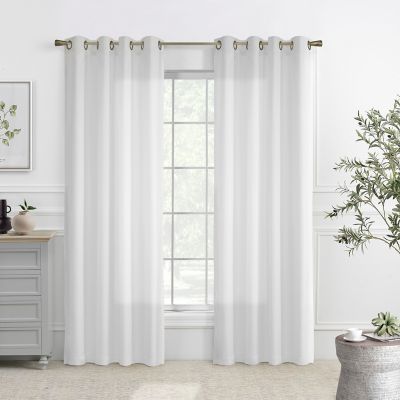
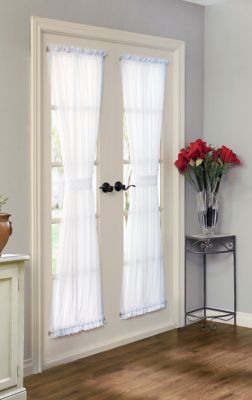
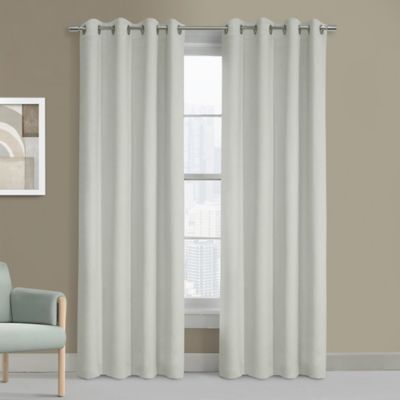
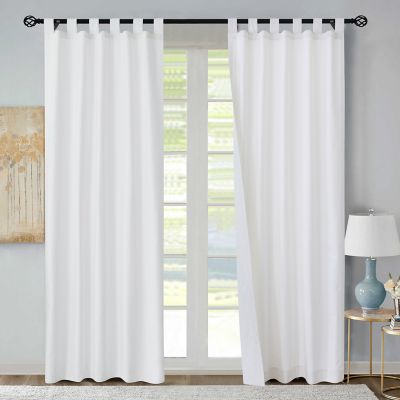
Thermal insulated curtains also make a thoughtful, useful gift for someone settling into a new house, fixing up an older place, furnishing a first apartment, or preparing a spare room for visiting family. They are especially handy for anyone with drafty windows, a nursery that needs daytime naps, a shift worker who sleeps during daylight, or a home office where glare makes it hard to see a computer screen. For a rural home, they can add comfort to rooms with large picture windows, enclosed porches, mudroom doors with glass panes, or guest quarters that do not get used every day. Before purchasing, check the curtain dimensions, panel quantity, hanging style, care instructions, and whether the fabric is lined on one side or built with several insulating layers. Consider the room’s existing colors and furnishings, since a curtain can cover a broad stretch of wall and change the feel of the space even when it is open. White or pale window treatments can offer a clean look and pair easily with farmhouse décor; shoppers comparing options may also want to browse
Room Darkening White Curtains for spaces where privacy and light control matter. For the best everyday performance, hang the panels so they reach past the window frame, close them fully when insulation is needed, and avoid leaving wide gaps along the top, sides, or bottom. A quick adjustment to the rod height or a simple side holdback can make a noticeable difference. With the right fit and a dependable thermal layer, these curtains help turn a bright, drafty, or noisy window into a more comfortable part of the room through changing weather.