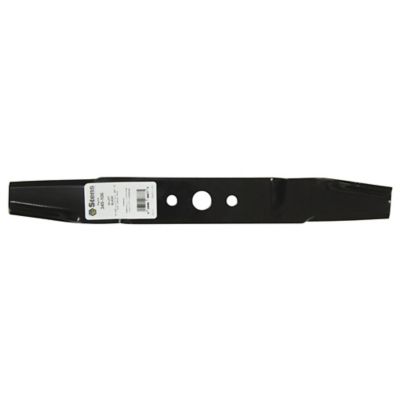
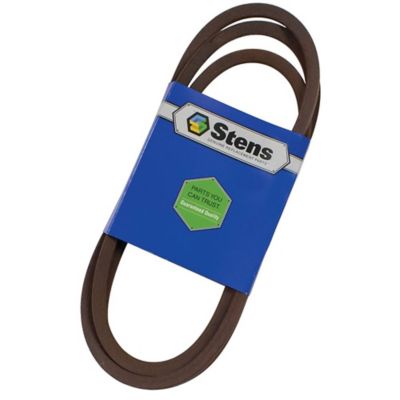
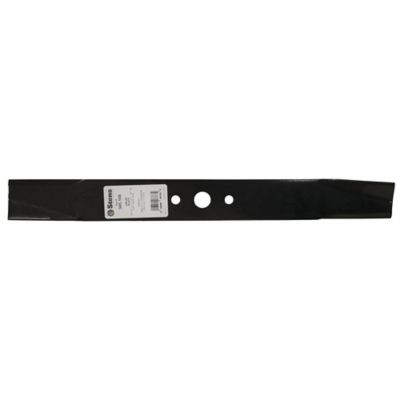
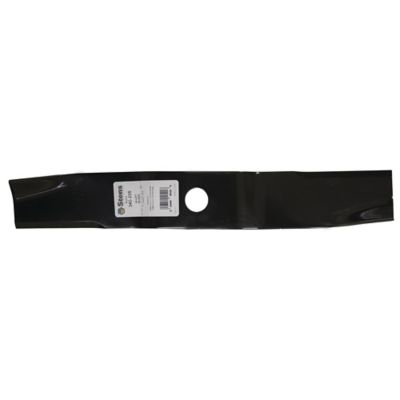
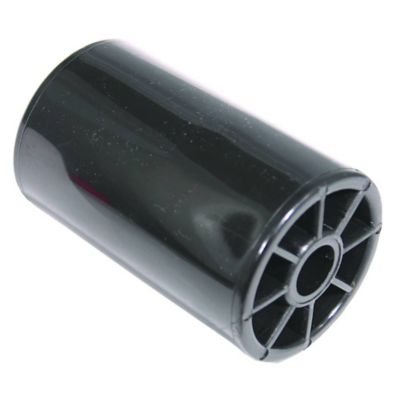
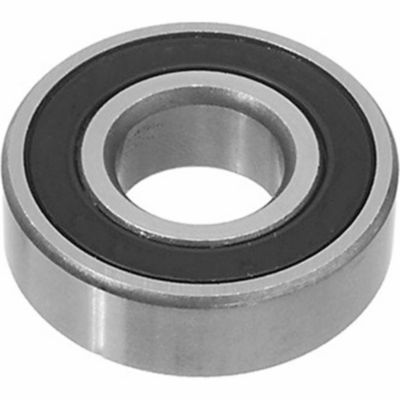
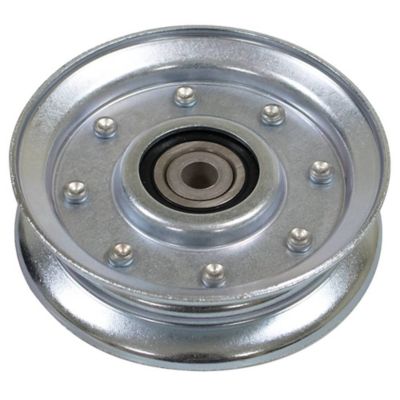
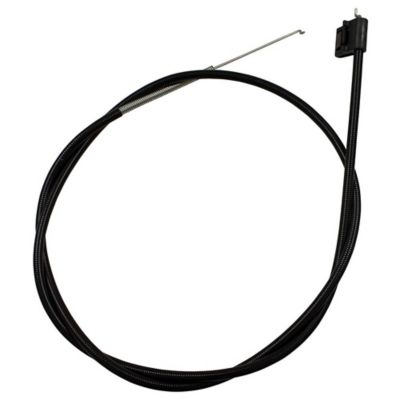
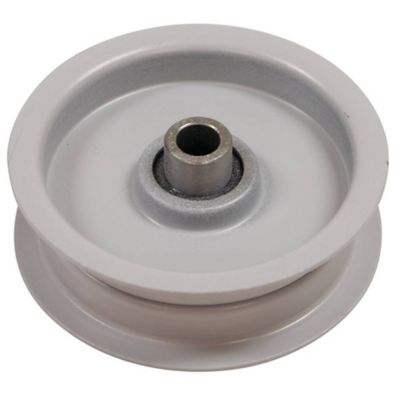
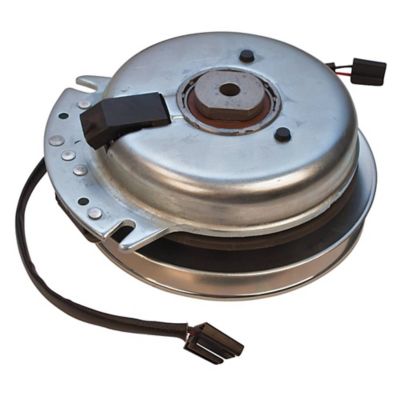
Simplicity lawn mower parts cover the components that keep a mower cutting, moving and operating as intended, from the cutting deck and drive system to engine maintenance and control assemblies. The right match starts with the mower’s model and serial number, not just its name, appearance or cutting width. A manufacturer’s parts lookup or illustrated parts diagram connects that equipment information to replacement part numbers and shows where components belong within an assembly. Deck identification matters, too, because a mower and its attached deck may have separate model information. The engine may also carry its own identification, which matters when comparing engine service components rather than chassis or deck parts. These distinctions help narrow a search for Simplicity lawn mower parts without treating every machine with a similar hood or deck shape as interchangeable. For a homeowner mowing around a garden fence, a small-acreage owner keeping lawn paths open between outbuildings, or someone tending several stretches of grass, fit is what turns a replacement component into a practical repair. Attachment points, shaft sizes, mounting patterns and the intended application all belong in that comparison. Even mowers with the same cutting width can differ in belt routing, blade mounting or control connections. A part number taken from the correct diagram offers a stronger starting point than visual resemblance, while any superseding part number needs confirmation against the manufacturer’s information. Measurements help confirm a match, but they do not replace model-specific details, particularly where a part transfers power or secures a rotating assembly. Keeping equipment numbers with the mower’s maintenance records makes later comparisons less of a guessing game. It also helps separate a deck-related need from an engine or drive concern, keeping attention on the assembly involved instead of relying on a broad description of the problem.
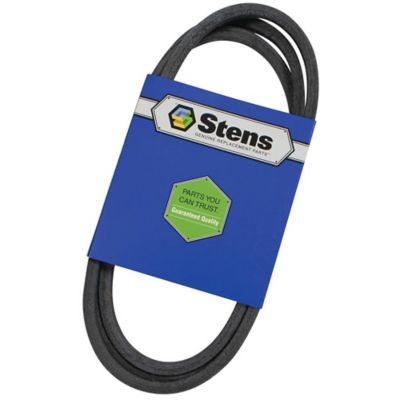
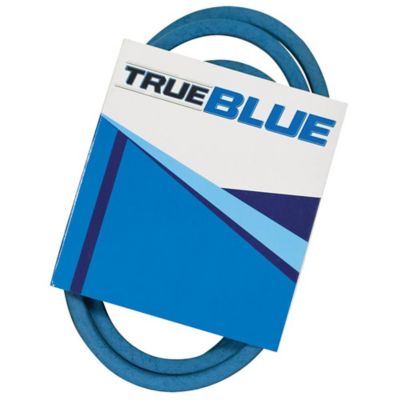
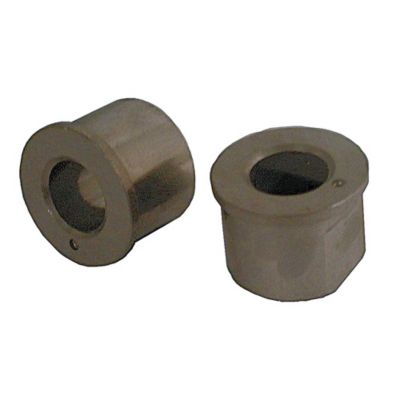
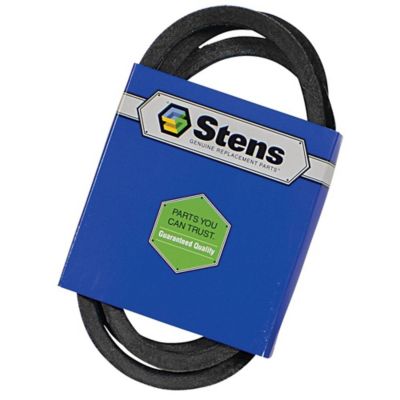
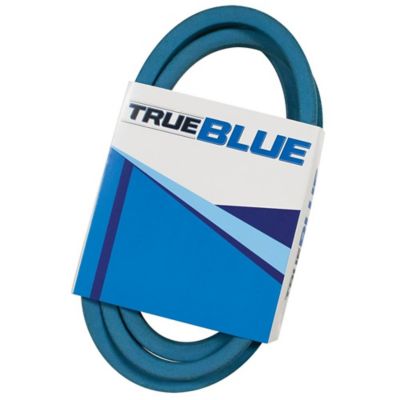
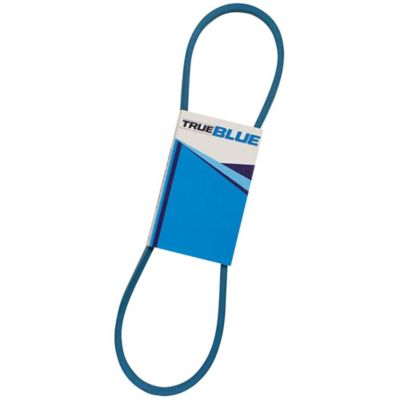
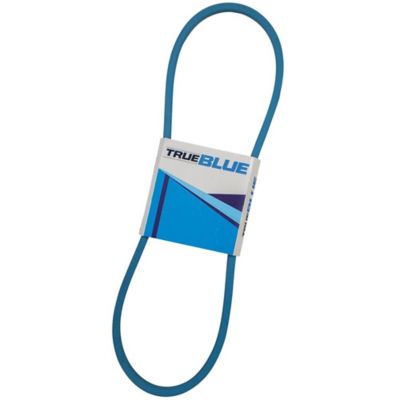
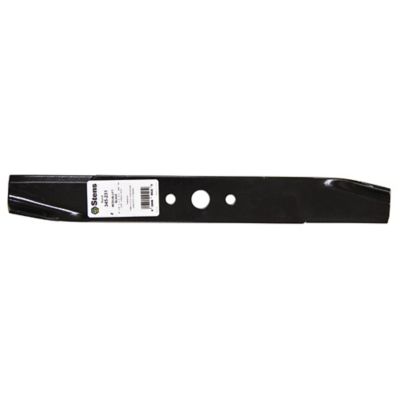
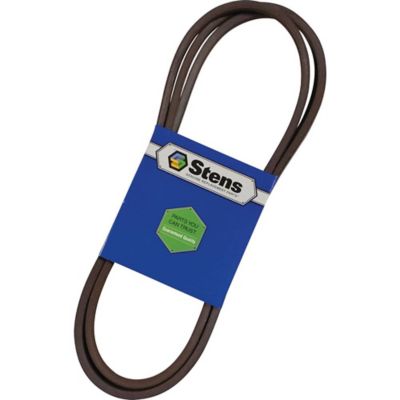
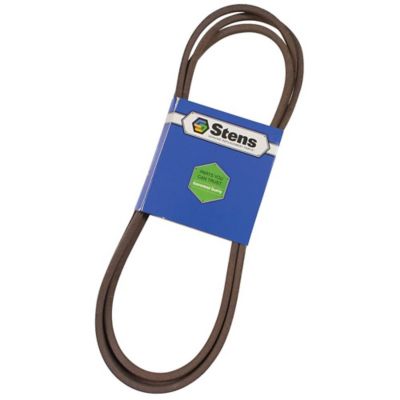
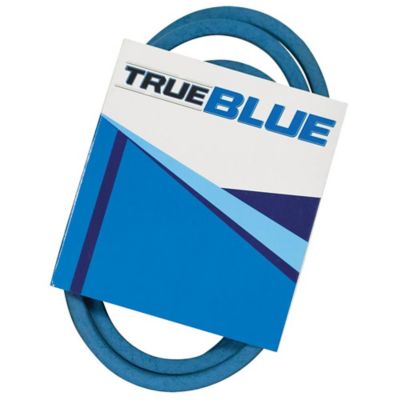
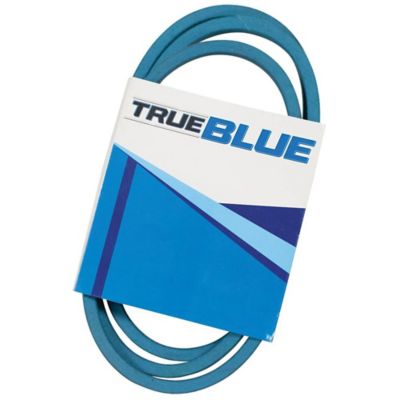
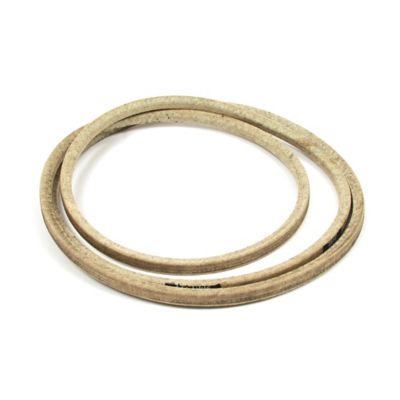
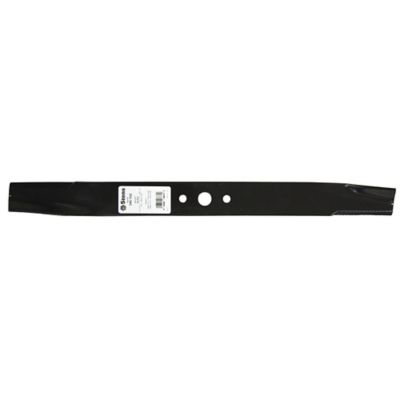
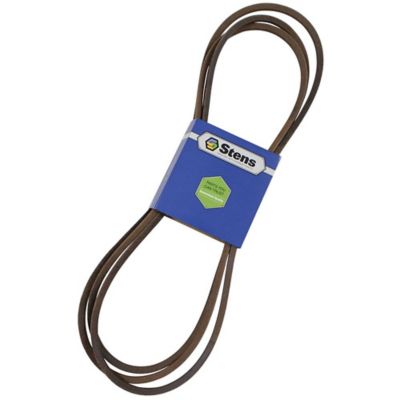
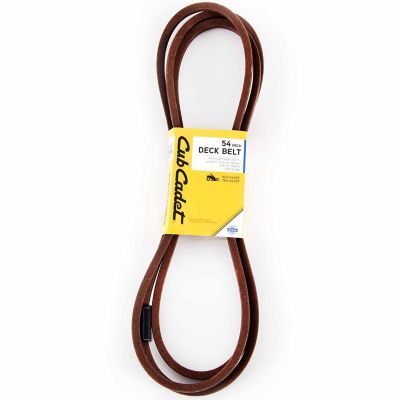
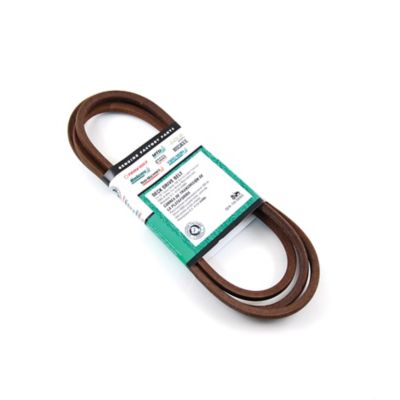
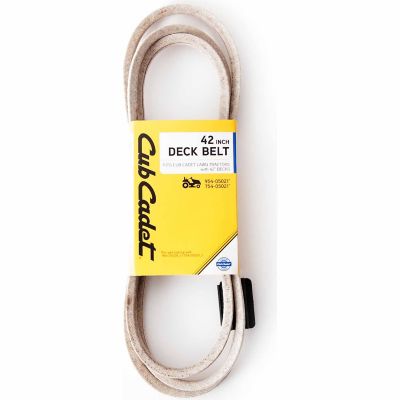
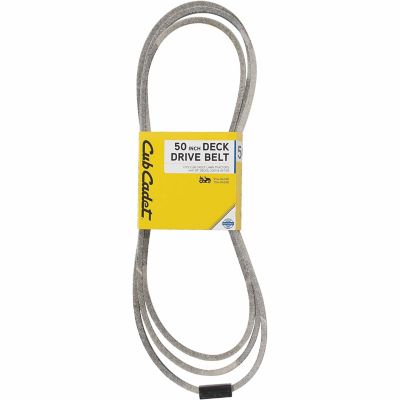
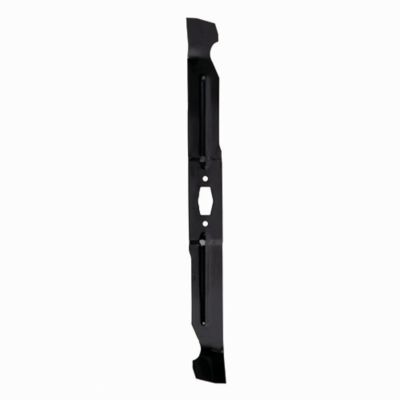
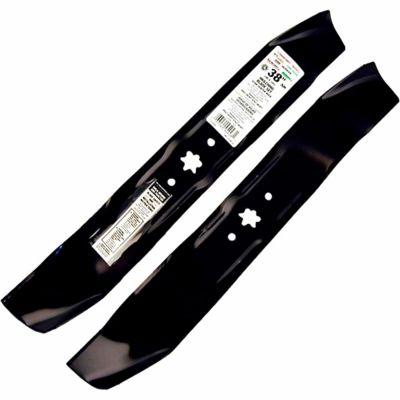
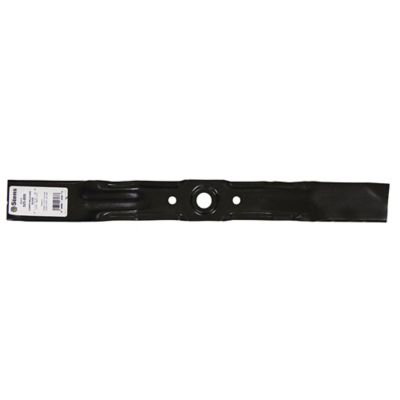
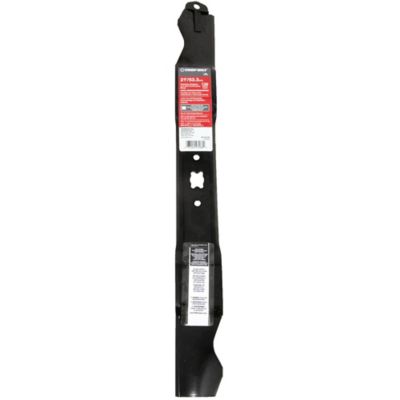
Materials and construction matter in relation to the work each component performs. Cutting components commonly rely on steel, with blade shape, thickness and treatment contributing to their performance in the intended application. Length alone does not establish blade compatibility; the center opening, mounting arrangement, offset and lift profile can matter just as much. Those details affect clearance and how the blade works with the deck’s discharge, collection or mulching setup. Around the deck, spindles, bearings and pulleys support rotating parts and help transfer power where it belongs. Depending on the assembly, housings may be cast metal, while shafts and mounting hardware have their own material and dimensional requirements. A housing that looks close from the outside can still have a different bolt pattern or shaft arrangement. Belts deserve the same attention. Their specified length, width and profile work with a particular pulley layout, so a near match may not provide the intended engagement or tension. Engine maintenance components follow another set of requirements, including the engine model and the manufacturer’s specifications for filtration, ignition and lubrication. An air filter needs the proper shape and sealing surfaces, not simply enough room to fit beneath a cover. Control cables, switches and other operating components also need the correct connections and working dimensions for the machine. These are practical considerations whether the mower handles a tidy yard beside the house or longer mowing runs around a larger property. Frequent turns near fence corners, repeated deck engagement and extended operating hours place different demands on individual assemblies. Replacement parts should match the mower’s original application rather than promise a broader capability than the equipment was built to deliver. The intended use remains important even when a component appears stronger or heavier than the original, since extra weight or a different shape can affect surrounding parts. Good fit means working with the whole assembly, not just lining up one opening or matching one measurement.
Care and wear go hand in hand with choosing replacement mower parts. Grass clippings, dust and wrapped vegetation can collect around a deck, while impacts with hidden objects can affect cutting components and nearby hardware. A fresh blade will not straighten a bent mounting surface, and a new belt cannot correct every pulley or bearing problem. An uneven cut, unusual vibration or repeated belt trouble can have more than one cause, so the condition of neighboring components matters alongside the part being replaced. That whole-assembly view helps avoid a cycle of replacing the same component without addressing the reason it wears out. The equipment manual remains the reference for maintenance intervals, approved lubricants, belt routing, blade orientation and fastener torque. Any inspection or maintenance belongs with the mower shut down and secured against accidental starting or movement according to its instructions; stored spring tension and rotating assemblies call for particular care. Cleaning methods matter as well, since seals, electrical connections and bearings may have limits on water exposure or cleaning pressure. Parts kept for later maintenance benefit from clean, dry storage, clear labeling and packaging that protects edges, seals and small hardware. A simple record of the installed part number and service date makes it easier to follow the machine’s history, especially when more than one mower shares the shed. Owners looking after another make can also browse
Yard Machines Lawn Mower Parts, keeping each machine’s identification separate rather than assuming similar-looking parts will interchange. Whether the mower belongs to a homeowner, a family maintaining acreage or someone responsible for a shared property, the goal is straightforward: components that fit the equipment and support the work it was designed to do. Careful matching, attention to surrounding wear and upkeep based on the manufacturer’s instructions help keep that work moving without turning every repair into another round of trial and error.