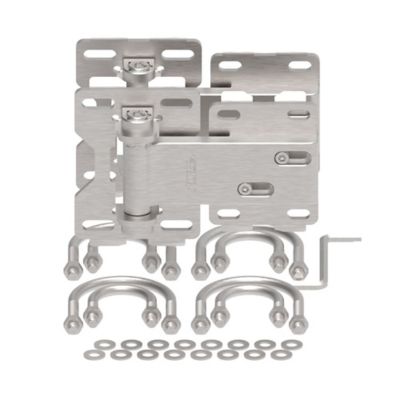
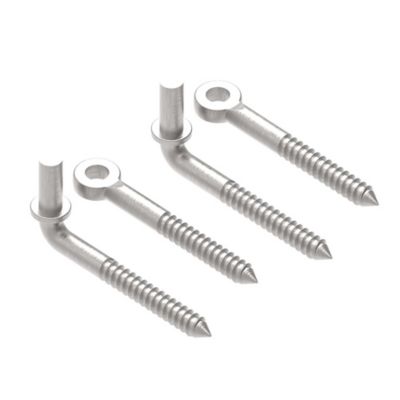
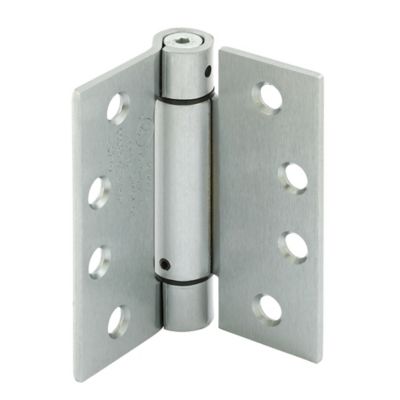
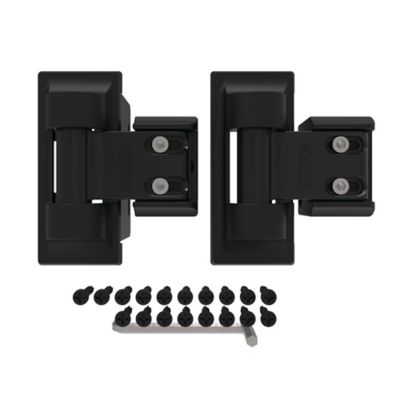
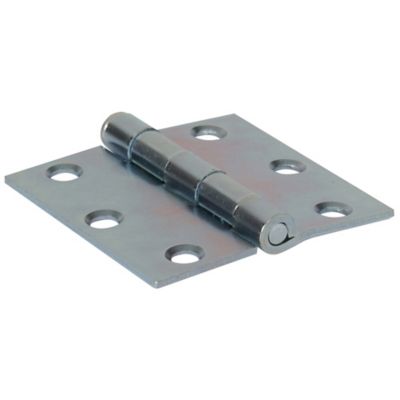
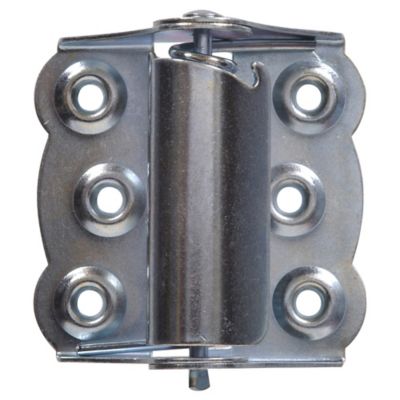
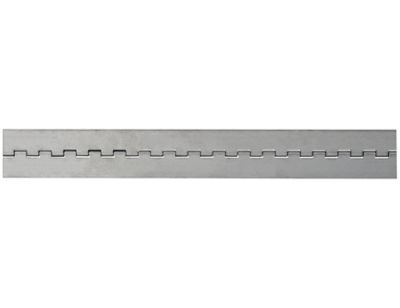
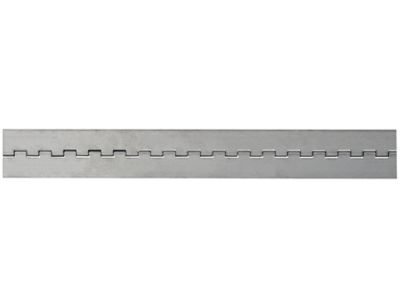
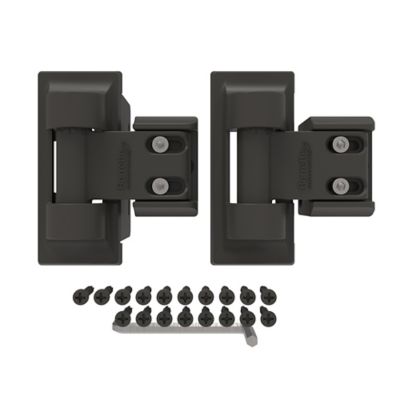
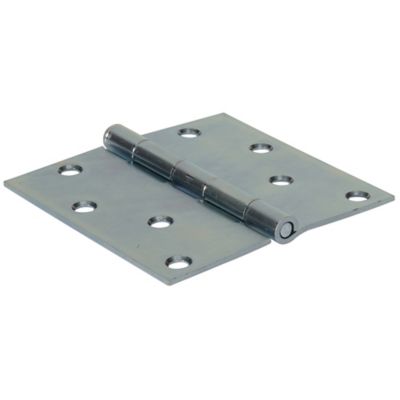
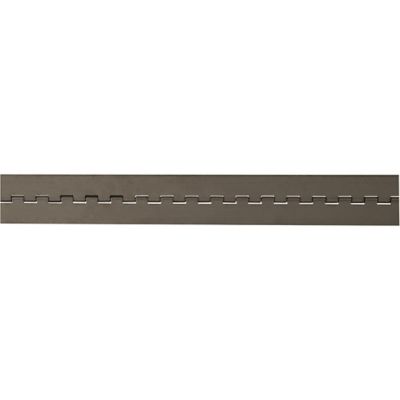
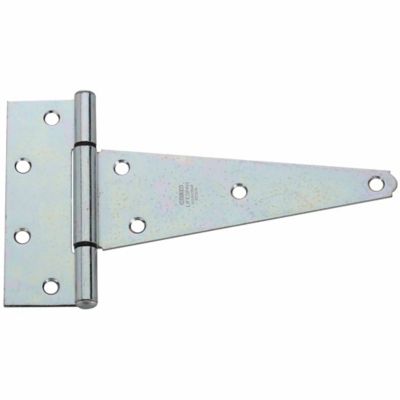
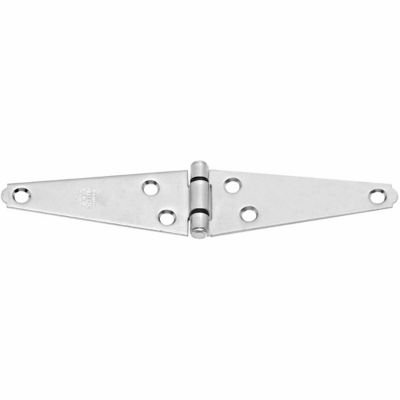
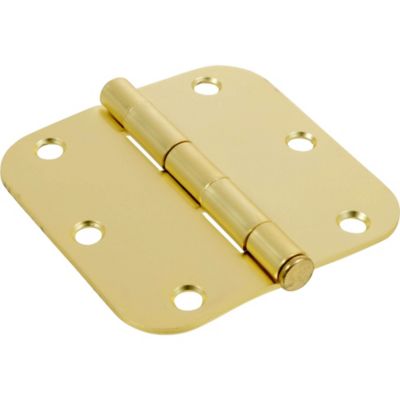
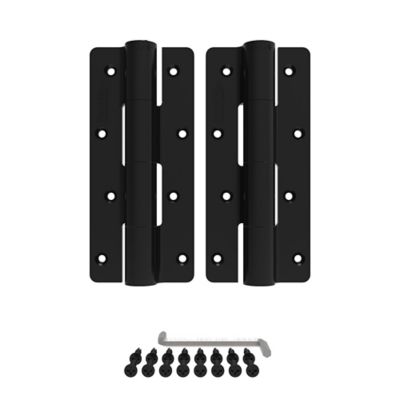
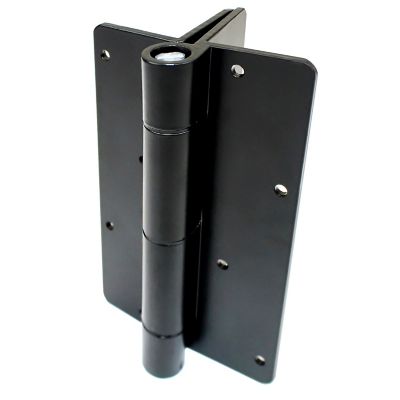
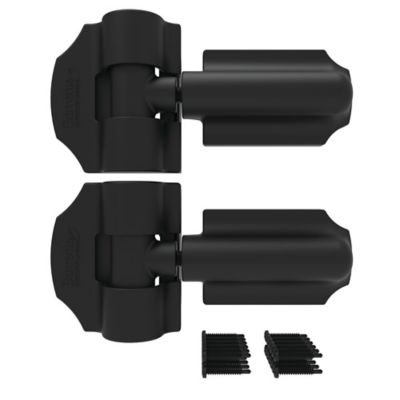
Silver hinges are door, cabinet, gate and lid hinges with a silver-colored surface, which may come from the metal itself or from a plated finish. That color does not identify the material or tell the whole story about strength: stainless steel, plated steel and aluminum can all have a silver appearance while serving different purposes. Within the broader family of
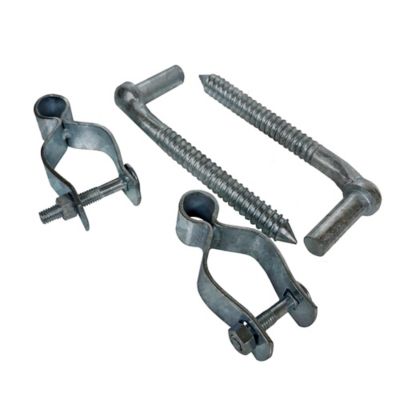
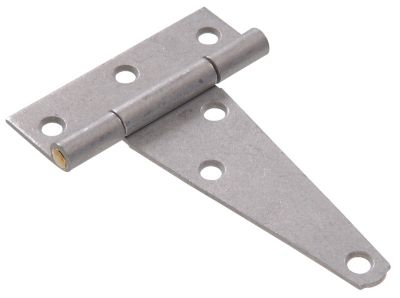
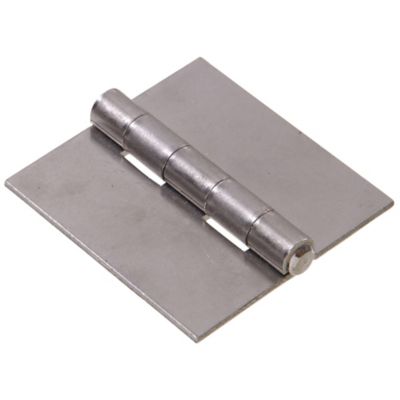
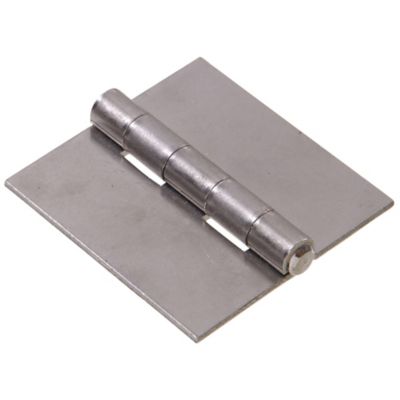
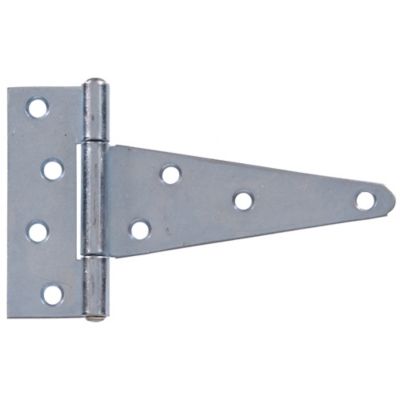
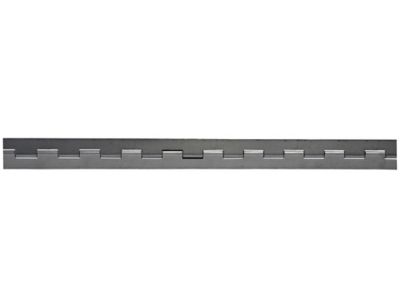
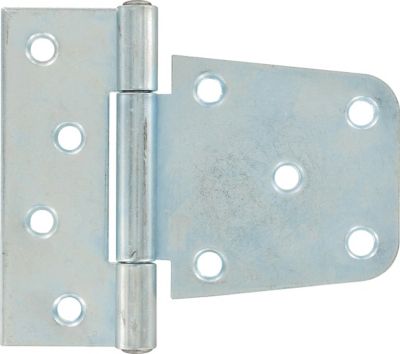
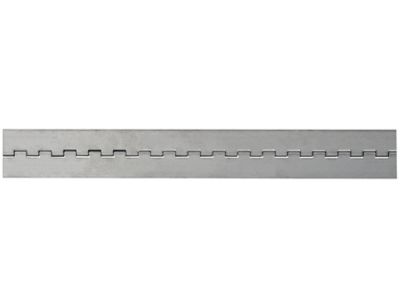
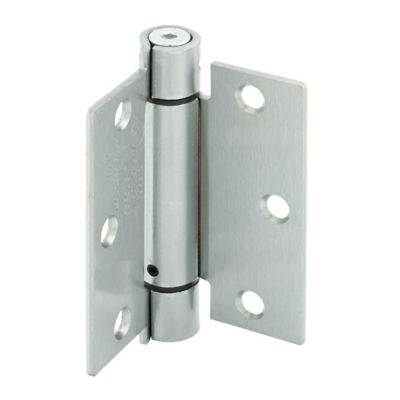
Metal Hinges, the right match depends on the opening, the mounting surface and the load the hinge needs to carry. A small storage-box lid calls for different hardware than a solid shop door or a wide gate beside the barn. Butt hinges have two leaves joined around a pin and are common on doors and cabinets. Continuous hinges extend along much of an edge, spreading support across a longer mounting area. Strap hinges reach farther across a door or gate, while concealed cabinet hinges keep most of the mechanism out of sight when the door is shut. Silver finishes also vary in appearance. Brushed and satin surfaces have a softer sheen, while polished surfaces reflect more light and tend to show fingerprints more readily. Pairing the finish with nearby pulls, latches and handles gives a pantry, tack room or workshop a more coordinated look without drawing attention away from the wood or painted surface. Material matters just as much as appearance. Stainless steel offers corrosion resistance, though the grade and the conditions around the hinge still matter. Plated steel combines a steel base with a surface coating, and damage to that coating can expose the metal beneath. Aluminum keeps weight down, but its suitability still depends on the hinge’s construction and load rating. A silver color alone is never a substitute for checking those details.
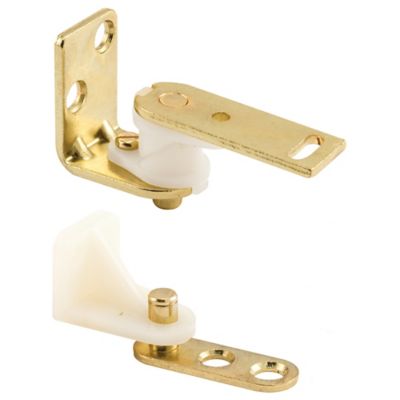
Fit is where a straightforward replacement can turn into an afternoon of extra work, especially on an older farmhouse door or a cabinet built years ago. Hinge height, leaf width, metal thickness, screw-hole layout and corner shape all affect how neatly a replacement sits. Square corners and rounded corners need matching recesses, and even a small difference in leaf thickness can change the gap between the door and frame. Published dimensions may describe the hinge in its open or closed position, so the manufacturer’s measurement drawing is a better reference than appearance alone. The barrel also needs enough clearance for the door to swing without rubbing nearby trim. On cabinets, inset doors sit within the opening, while overlay doors cover part of the cabinet frame or box; their hinge geometry is not interchangeable. Face-frame and frameless cabinets can also need different mounting arrangements. Opening angle matters in tight spots, such as a utility cabinet beside a wall or a feed-storage cupboard tucked against shelving. Self-closing hinges help draw a compatible door shut, while soft-close mechanisms slow the final part of its travel; those functions are different, and neither makes every hinge suitable for every cabinet. For larger doors and gates, the door’s weight is only part of the picture. Width creates leverage, frequent opening adds wear, and the number and spacing of hinges affect how the load reaches the frame or post. The hinge manufacturer’s load guidance should match the actual application rather than a guess based on metal thickness. Fasteners need equal attention. A sturdy hinge attached to split wood, stripped holes or thin trim cannot provide the support of one secured to sound framing. Compatible screw material is especially important where treated lumber or moisture may contribute to corrosion. For farmers, property caretakers, woodworkers and homeowners, these details help separate a hinge that merely lines up with the old holes from one that suits the whole opening.
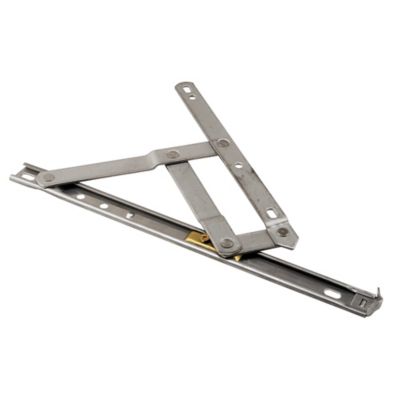
Everyday use brings its own requirements, whether that means a kitchen cabinet opened dozens of times a day, a workshop cupboard holding hand tools or a gate that needs to swing clear of a chore path. Smooth movement starts with hinges aligned along a common pivot line and a door or lid that is not dragging against its surroundings. A squeak may call for a little attention, but sagging, loose screws or a shifting frame deserve a closer look before more strain reaches the hardware. On a wide gate, an undersized or leaning post can cause trouble that a heavier hinge alone will not solve. On a storage chest, ordinary hinges do not necessarily hold the lid open; a suitable lid support or stay may be necessary to keep it from dropping, especially wherever children might reach inside. Accessible hinge pins can also matter on doors where security is a concern, making pin design another detail worth checking. Care depends on both the finish and the mechanism. A soft cloth and a mild cleaner compatible with the surface can remove fingerprints, dust and grime without scratching the silver finish. Harsh abrasives can dull polished surfaces or wear through plating. Lubrication belongs only where the manufacturer recommends it, with excess wiped away so it does not collect grit or stain nearby wood. Concealed mechanisms, self-lubricating components and soft-close assemblies may have different maintenance needs from a simple exposed-pin hinge. Periodic checks for loose fasteners, bent leaves, excessive play and corrosion help catch small problems before a door starts rubbing or a latch stops meeting its catch. When replacing hinges, matching the finish is the visible part of the job; matching the mounting pattern, movement and support requirements is what keeps the opening working as intended. The best-fitting silver hinges suit both the task and the setting, whether they sit quietly inside a cabinet or remain in plain view on a hard-working shop door.