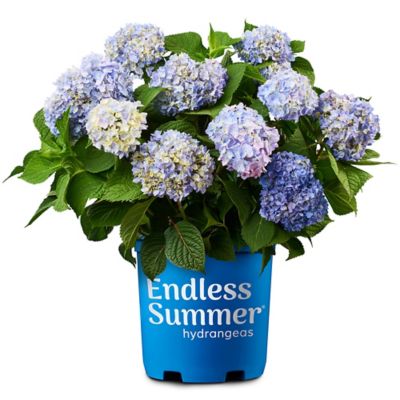
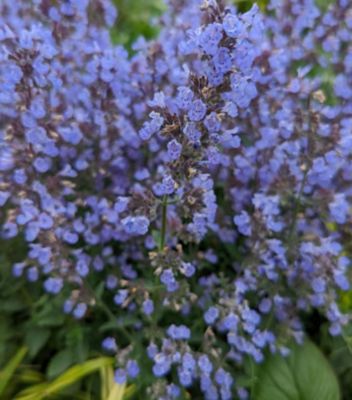
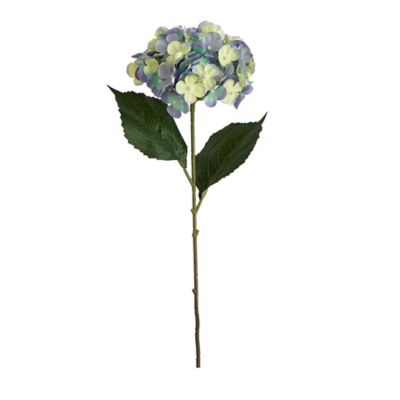
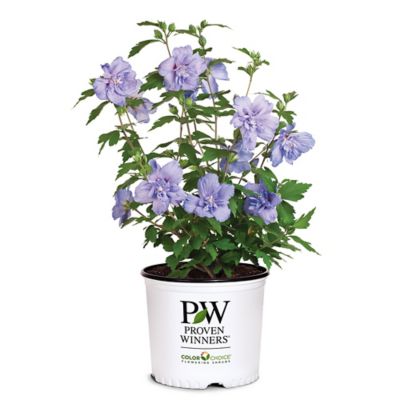
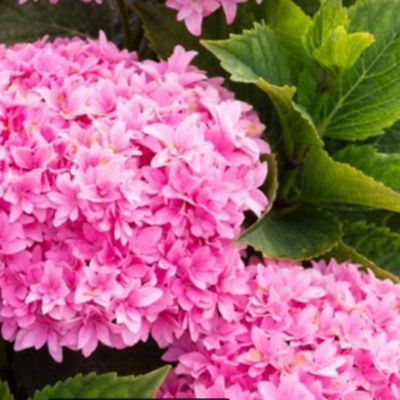
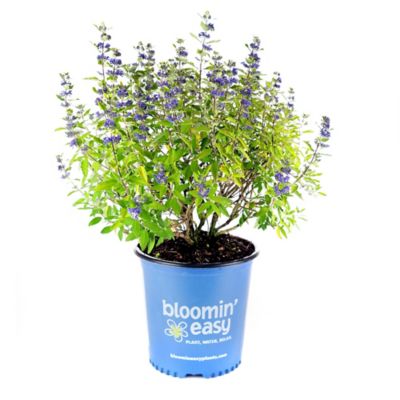
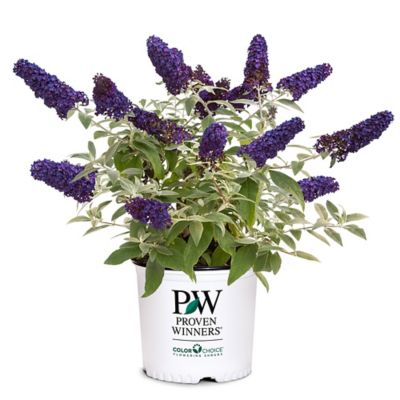
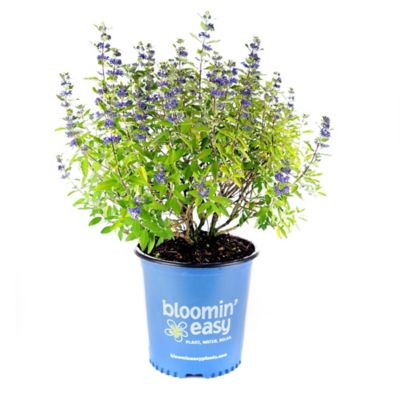
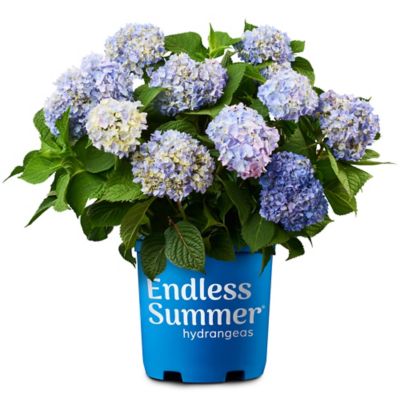
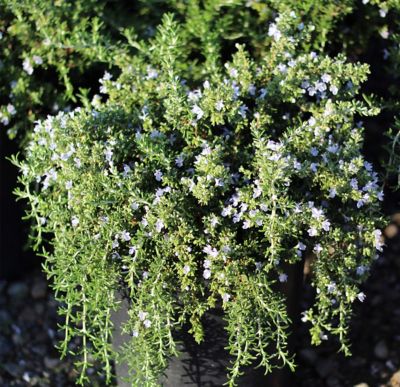
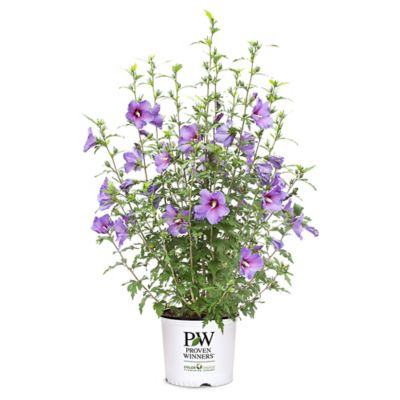
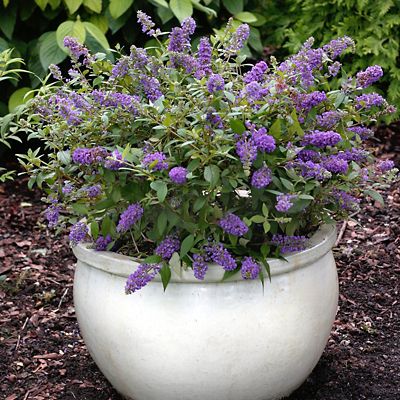
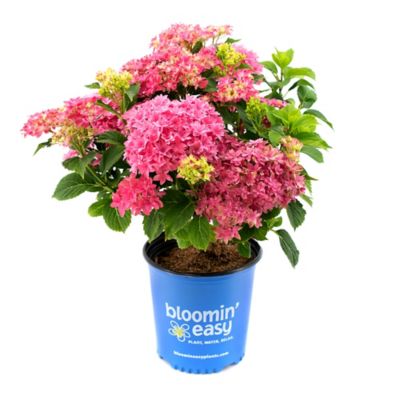
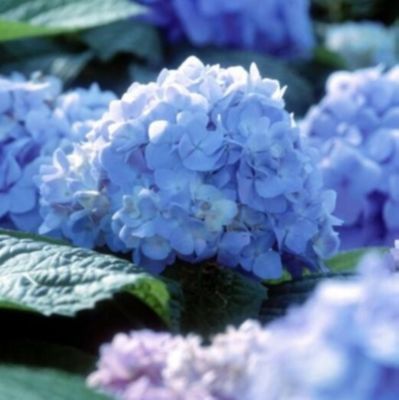
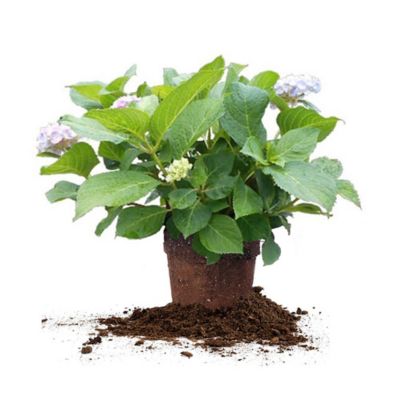
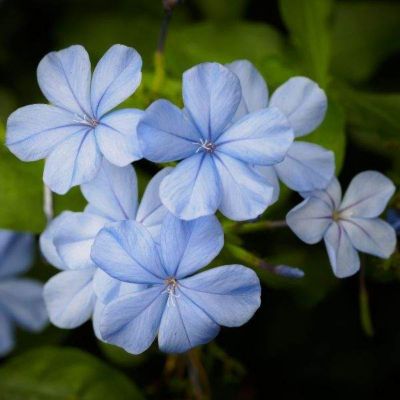
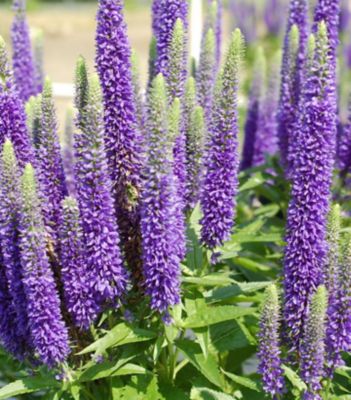
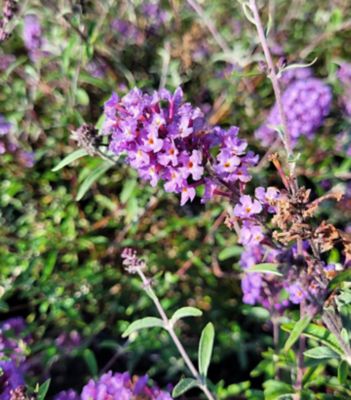
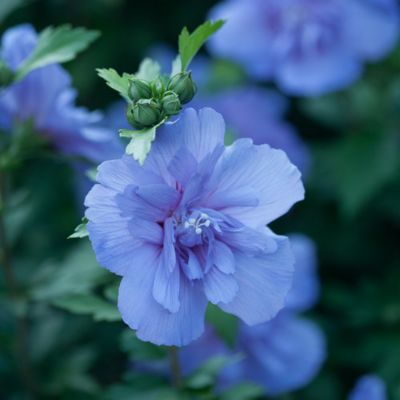
Shrubs with blue flowers bring a cool, calming note to the landscape, whether they line a gravel drive, soften the edge of a porch, or fill a sunny corner near the garden fence. Blue blooms can range from soft sky tones to deep violet-blue, giving each plant a different look as it grows through the seasons. Hydrangeas are a popular choice for large rounded flower heads, especially in gardens with rich, acidic soil. In many big-leaf hydrangeas, soil acidity and available aluminum can affect whether the blooms lean blue or pink, so it helps to check the plant’s growing needs before placing an order. California lilac, also called ceanothus, produces clusters of blue flowers and suits sunny sites with fast-draining soil. Bluebeard, or caryopteris, is another handy choice for late-season color, with small blue blooms held along its stems when many early flowers have faded. Butterfly bush, blue plumbago, and rose of Sharon offer still more options, with bloom shapes ranging from upright spikes to airy clusters and broad, showy blossoms. Browse the wider selection of
Shrubs Plants to compare flowering habits, mature size, and growing requirements before choosing a spot.
The best shrub for your place depends on sunlight, soil, drainage, winter conditions, and the amount of room available at maturity. Full-sun shrubs generally need at least six hours of direct light, while some hydrangeas prefer morning sun with protection from strong afternoon heat. A plant that will sit beside a barn, shed, or open pasture may handle bright light differently than one tucked against a house where reflected heat can dry the soil. Check your local growing zone and read the planting details for cold tolerance, mature height, and spread. It is easy to picture a small shrub fitting neatly beside a walkway, only to find that it needs several feet of elbowroom after a few seasons. Give roots room to expand, keep the crown at the proper soil level, and water deeply during the establishment period. Well-drained soil is especially important for shrubs that dislike wet roots through the cooler months. A layer of mulch can help hold moisture and buffer soil temperature, but keep it a few inches away from the main stems. If the soil is heavy clay or drains slowly, improving the planting area or choosing a better-suited shrub can help prevent stress. During early fall and the weeks that follow, newly planted shrubs may need attention while roots settle in. As colder weather arrives, follow the care directions for your area, protect young plants when needed, and avoid pruning at the wrong time if spring or summer flowers form on older wood.
These flowering shrubs can serve many purposes around a rural property. Use taller selections to frame a gate, mark the approach to a home, or create a loose screen along a sunny boundary. Compact forms can brighten a patio container, front step, or small planting bed without taking over the space. Hydrangeas lend a soft, full appearance near porches and outbuildings, while bluebeard can add welcome color late in the growing season. Butterfly bush and other nectar-rich shrubs may draw bees, butterflies, and hummingbirds when they are in bloom, adding movement and interest beside vegetable gardens or sitting areas. Keep mature size in mind near paths, windows, overhead lines, and livestock spaces, and choose plants that fit the conditions instead of trying to force a sun-loving shrub into deep shade. A flowering shrub can also make a thoughtful housewarming gift for someone settling into a new home, tending a country garden, or building a landscape around a cabin. Pair the plant with a simple note about its light and watering needs so the recipient can place it with care. Blue flowers look especially striking against weathered wood, green foliage, stone, and open sky, and many shrubs continue to provide structure after their blooms fade. With the right planting spot and seasonal care, these selections can bring color, cover, and lasting character to the yard as the weather changes.