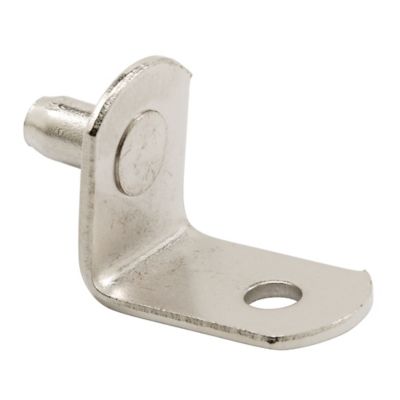
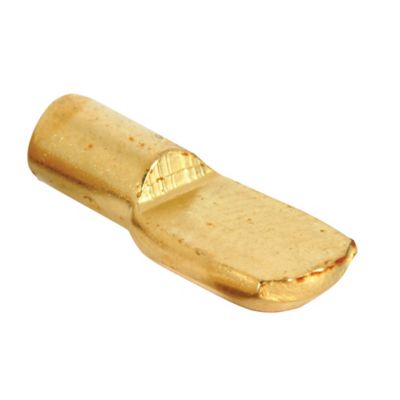
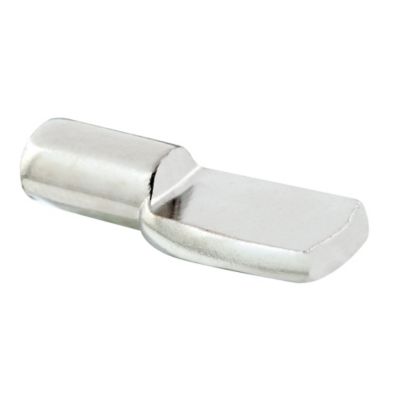
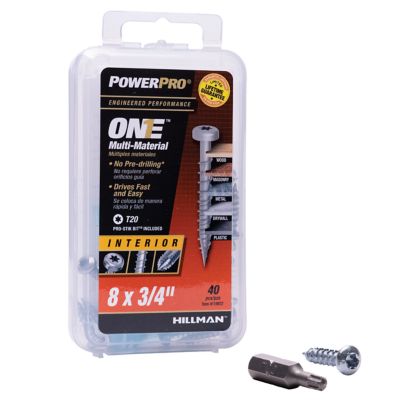
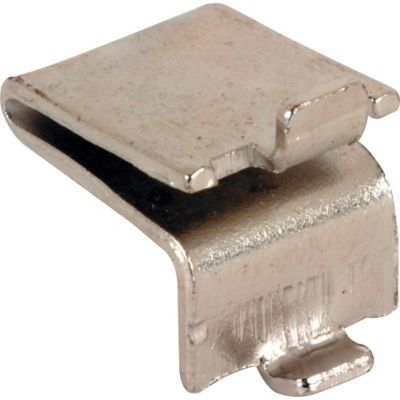
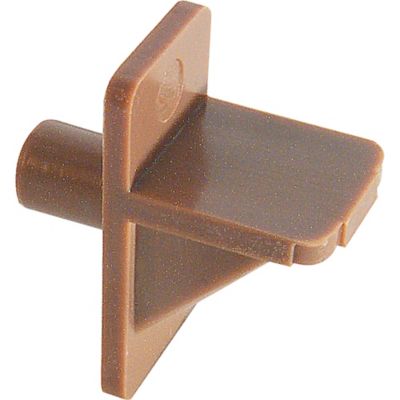
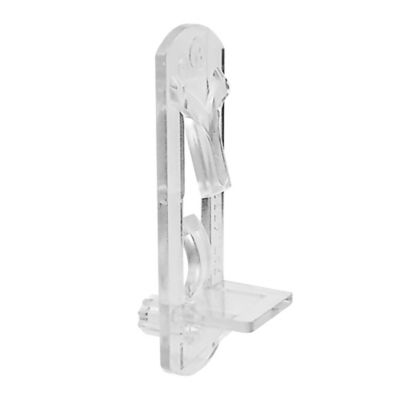
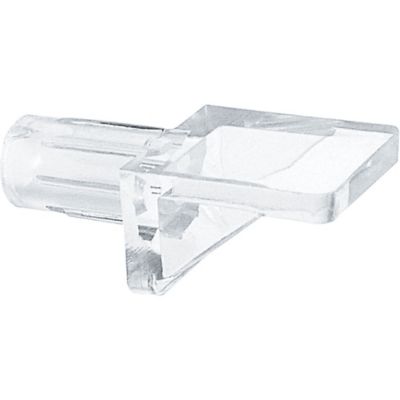
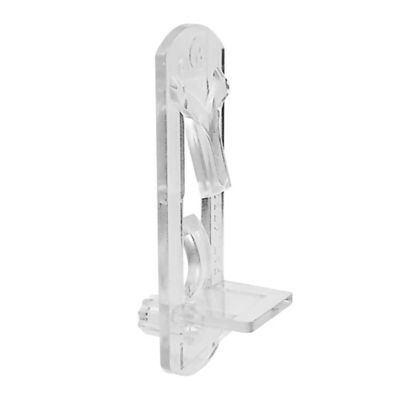
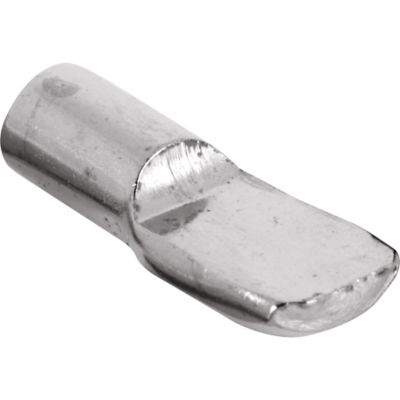
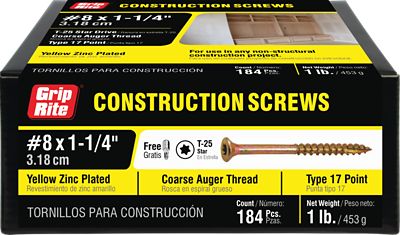
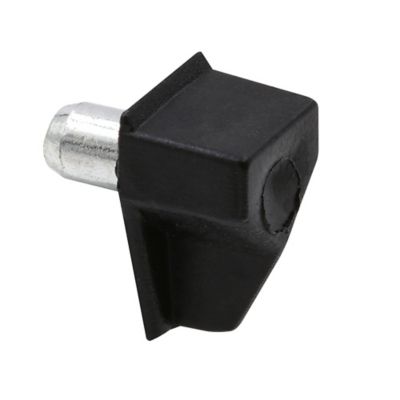
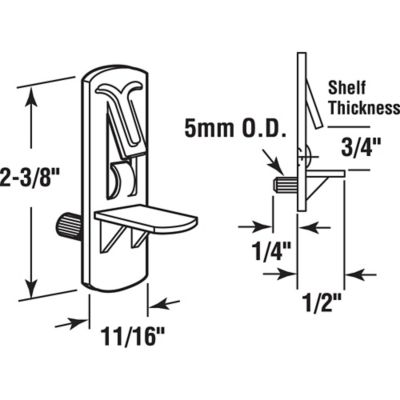
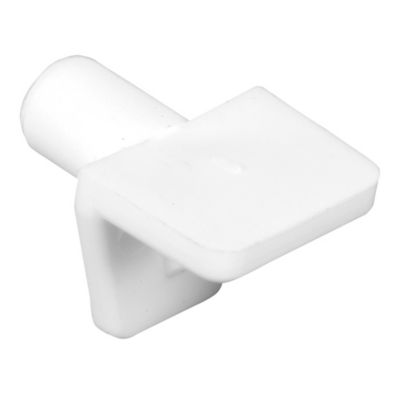
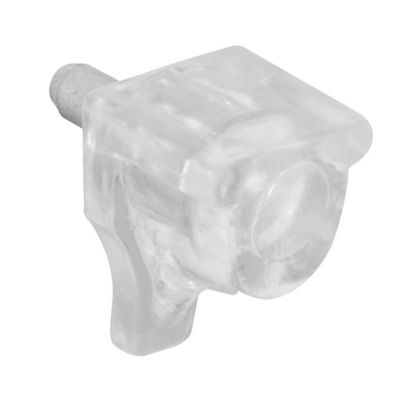
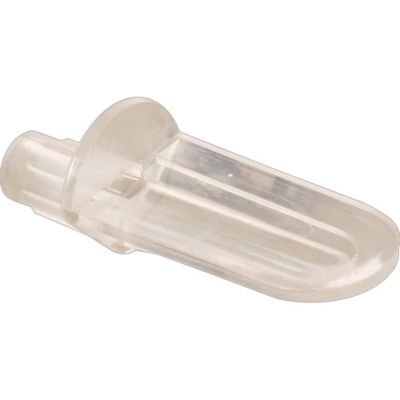
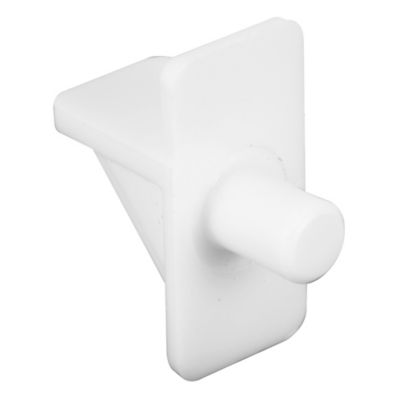
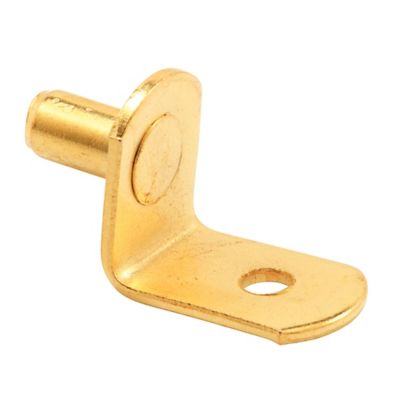
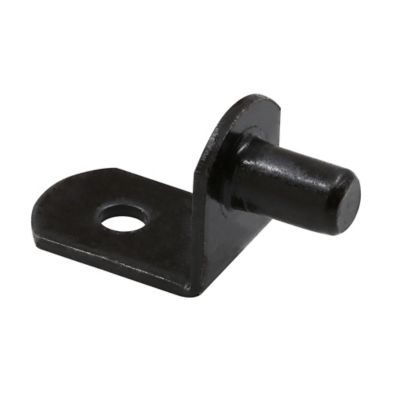
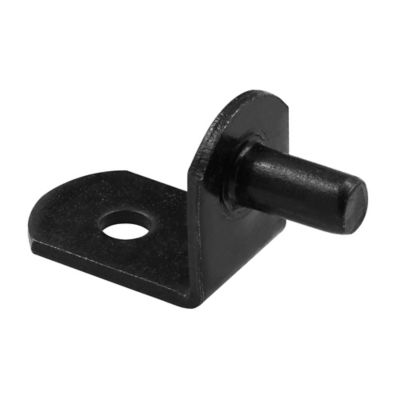
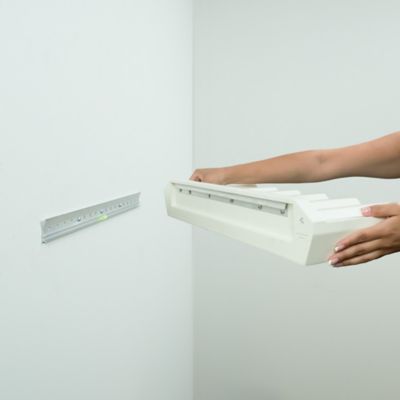
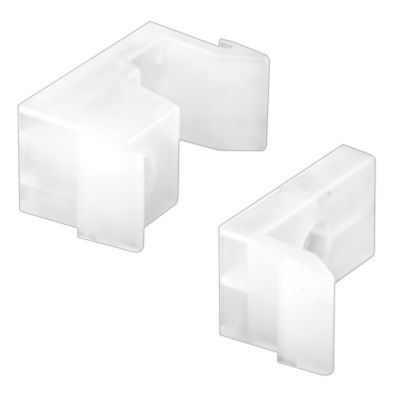
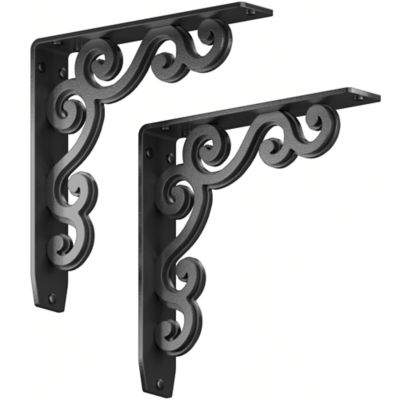
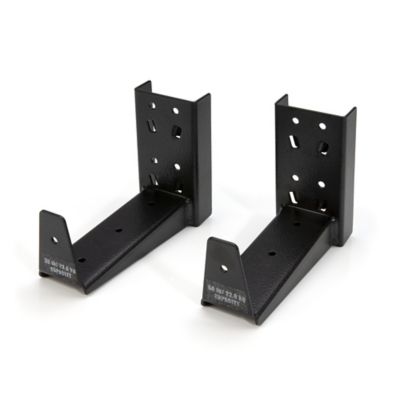
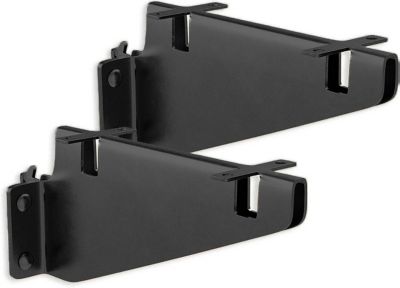
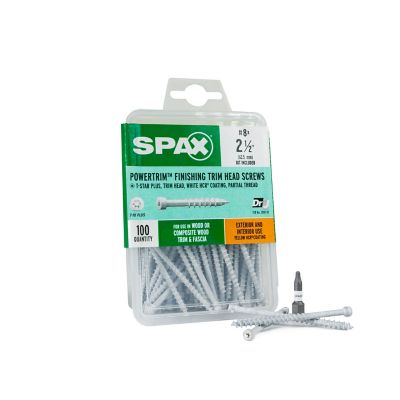
Shelf support screws help keep shelving steady in cabinets, bookcases, utility rooms, and workspaces where a loose shelf can turn a simple storage job into a headache. The name covers two related types of hardware: screw-in shelf supports, which have a threaded end and an exposed peg or shoulder that carries the shelf, and screws that fasten shelf brackets or support clips to a cabinet or wall. Those jobs call for different shapes and dimensions, so the distinction matters when matching hardware to an existing setup. A screw-in shelf peg typically threads into the cabinet side, leaving a support surface beneath the shelf. A bracket screw passes through a mounting hole and secures a separate bracket to suitable backing. Neither is automatically interchangeable with a smooth shelf pin, which fits into a correctly sized hole without threading into the cabinet material. For a farmhouse pantry holding jars, a mudroom cabinet keeping gloves within reach, or a shop cupboard organizing small supplies, the right fit starts with the construction of the shelving itself. Solid wood, plywood, particleboard, and metal each place different demands on the fastener. A laminate surface does not tell the whole story, since the material underneath determines how well the threads can hold. Screw diameter, thread style, and the length that actually enters the backing all affect that connection. The exposed support also needs enough reach beneath the shelf without interfering with doors, dividers, or nearby hardware. On thinner cabinet sides, too much screw length can break through the outside face; too little engagement can leave the support vulnerable to loosening or pulling out. Replacement shelf support screws should match the original hardware’s function as well as its dimensions, especially when the shelf has a notch, recess, or retaining clip that limits what will fit. Keeping the shelf level across all support points helps prevent rocking and gives the contents a steadier place to sit.
Materials and finishes matter just as much as fit, particularly where shelving faces damp air, temperature swings, or frequent handling. Steel shelf support screws are common, with plated finishes helping resist corrosion in conditions suited to that coating. Stainless steel can offer greater corrosion resistance in certain damp settings, though the grade and the manufacturer’s stated application still matter. Hardware inside a heated hallway closet faces a different environment from hardware in an unheated outbuilding where condensation may collect on cold mornings. A finish that suits a dry cabinet should not be assumed suitable for outdoor exposure or contact with treated lumber. Where metal brackets and screws meet, compatible materials and coatings help limit corrosion at the connection. Head shape is another small detail with a big effect on fit: a countersunk hole calls for a matching head profile, while a bracket with a flat mounting surface may require a different style. A head that sits proud where clearance is tight can keep a shelf from resting flat, and a head too small for the bracket opening may not secure it properly. Drive style affects how easily a bit stays engaged, especially inside a narrow cabinet where there is little room to work. Screw-in pegs may instead have a slotted end or another feature intended for turning the support into place. Any sleeve or pad on the support should suit the shelf material and stay seated during normal handling. Glass shelving, in particular, needs supports intended for glass, with appropriate cushioning and retention rather than bare contact with unsuitable hardware. Self-tapping designs can form mating threads in suitable material, but that description does not mean every installation can skip a pilot hole. Fastener instructions, cabinet material, edge distance, and existing hole condition all influence whether predrilling is necessary. A stripped or enlarged hole needs an appropriate repair or a different approved attachment method; simply tightening harder can damage the cabinet further. These details are worth checking whether the job involves refreshing a household bookcase or putting a hardworking storage cabinet back in order.
Shelf support strength comes from the whole assembly, not from the screw alone. The shelf material and span, support spacing, bracket design, fastener engagement, and condition of the cabinet or wall all contribute to how much weight the setup can carry. There is no single weight limit that applies to every shelf support screw, and adding together individual support ratings does not necessarily establish the capacity of the finished shelf. Manufacturer ratings and installation requirements are the better reference, particularly for shelves carrying concentrated loads. A row of folded towels puts different demands on a cabinet than several full jars clustered near the front edge. In a workshop, a compact stack of metal parts can weigh much more than its size suggests, while a long shelf may sag between supports even when the fasteners remain secure. Heavier wall-mounted shelving often calls for fastening into studs or another suitable structural backing; drywall alone is not a substitute for the attachment specified by the shelving manufacturer. Cabinet mounting is a separate job from supporting the shelves inside it, and
Cabinet Installation Screws address the fasteners associated with securing cabinet assemblies rather than serving as a direct replacement for shelf pegs. For homeowners, property caretakers, cabinet installers, and folks maintaining farm office or tack-room storage, keeping those applications separate helps avoid a mismatch that may look fine until the shelf is loaded. Long service life also depends on occasional attention after installation. A shelf that starts to tilt, a support that turns freely, rust around a mounting point, or crumbling material near the threads signals a connection that needs attention. Removing the load before checking loose hardware keeps the situation manageable. Routine care is generally straightforward: keep supports dry where possible, wipe away dust and grime, and follow the finish manufacturer’s cleaning recommendations. With the proper hardware matched to the shelf and its backing, everyday storage feels more settled, whether it holds pantry staples, winter hats, or the supplies that keep chores moving.