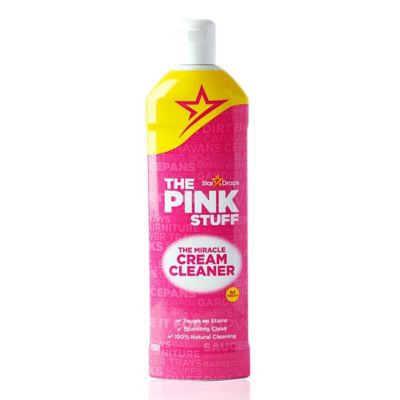
Sink cleaners help remove everyday grime, soap film, food residue and stains from kitchen, bathroom and utility sinks. The best match depends on two things: what the sink is made of and what needs to come off it. Coffee rings in a kitchen basin, toothpaste buildup around a bathroom drain and muddy residue in a laundry sink call for different cleaning strengths. Everyday cleaning formulas handle routine messes, while stain removers target problems such as rust marks or hard water deposits. Liquids, sprays, creams and powders offer different ways to cover a basin, reach around a faucet base or work on a stubborn spot. A spray can suit quick wipe-downs, while a cream or gel may stay against sloped basin walls longer, depending on its consistency. Powders can provide extra scrubbing action, though their abrasiveness matters as much as their stain-fighting ingredients. A formula that lifts a mark should not leave scratches behind. Hard water often leaves chalky white deposits, while soap and minerals together can form a cloudy film that ordinary wiping barely touches. Rust-colored marks may come from iron in the water or metal objects left against a damp surface. Cleaners labeled for mineral deposits or rust address those problems more directly than a general-purpose surface cleaner, provided they also suit the sink material. Greasy food residue needs a different approach from scale, so stronger does not always mean better matched to the job. Around a busy farmhouse kitchen, a sink may handle breakfast dishes, garden vegetables and feed scoops in the same day. In a mudroom or shop, the basin might collect grit from handwashing or residue from rinsing work supplies. Those everyday demands make intended use important: routine basin cleaning, occasional stain removal and drain maintenance are separate jobs, even when they happen in the same fixture. A well-matched cleaner helps keep those chores manageable without putting unnecessary wear on the finish.
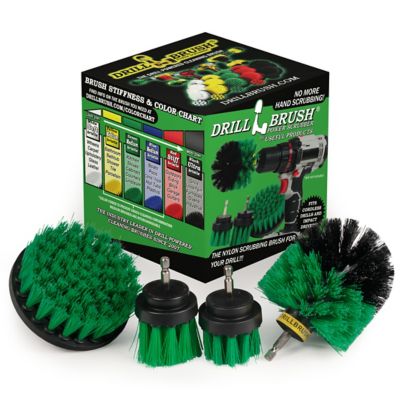
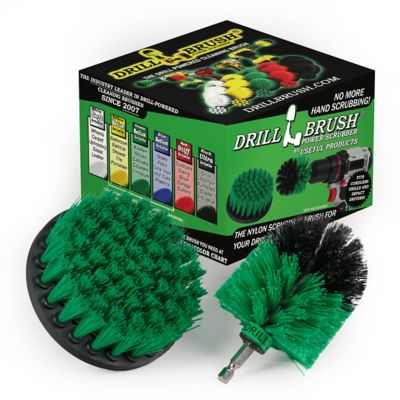
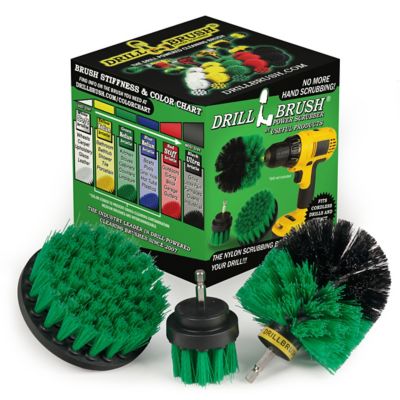
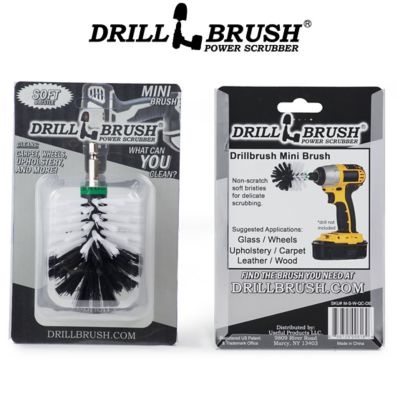
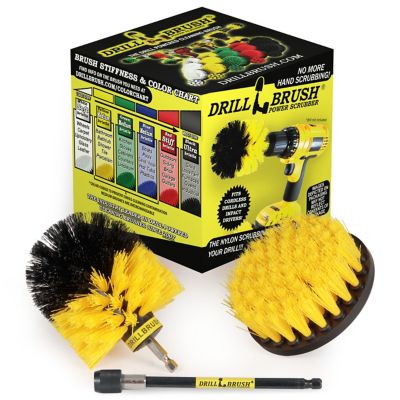
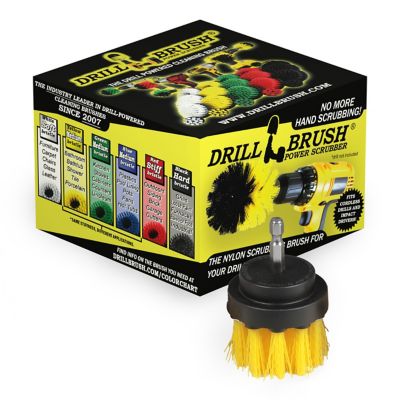
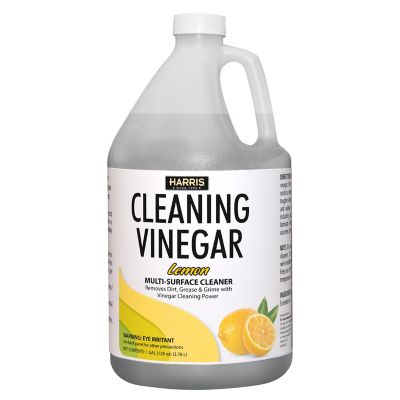
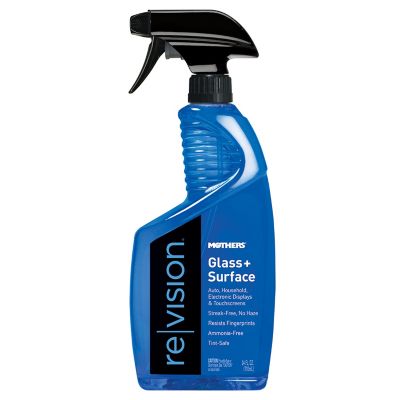
Sink material sets the limits for both the cleaning formula and the scrubbing tool. Stainless steel generally benefits from a non-scratching cleaner and a soft cloth or nonabrasive sponge, with wiping that follows the visible grain. Steel wool and harsh scouring pads can scratch the finish, and metal particles left behind may lead to rust spots. A cleaner labeled for stainless steel can help address fingerprints, water marks and everyday residue, while some polishing formulas also leave a water-repellent coating. That coating is a finishing feature, not a replacement for cleaning or sanitizing. Porcelain and enamel-coated sinks can develop stains that stand out against a light-colored basin, but aggressive scrubbing may dull the glossy surface. Chips and worn patches need particular care because a cleaner cannot restore missing enamel or repair the material underneath. Solid-surface sinks, acrylic basins and granite or quartz composite sinks each have their own care requirements, even when they look similar. Manufacturer recommendations matter more than appearance, especially with dark composite finishes that can show pale residue or uneven sheen. Natural stone calls for a stone-safe formula; acidic mineral removers can etch materials such as marble and limestone. Even a familiar household ingredient can be a poor fit for the wrong surface. Acid-based cleaners may help dissolve mineral buildup and certain rust stains on compatible materials, but that does not make them suitable for every basin, faucet or countertop nearby. Faucet finishes, drain trim and sink accessories also need consideration, since overspray can reach more than the bowl itself. A soft brush can help around drain edges and tight seams without relying on a rough pad across the entire sink. Rinsing as directed removes cleaning residue, while drying with a soft cloth helps limit water spotting. For kitchen sinks, directions about rinsing surfaces that may contact food deserve close attention. Cleaning removes soil; any sanitizing or disinfecting claim depends on the product label, including the required contact time and whether the surface must remain wet.
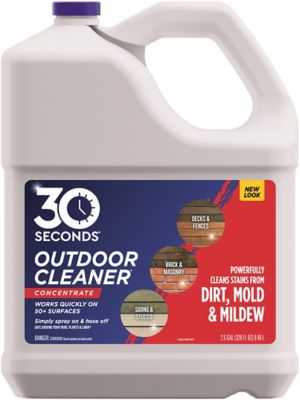
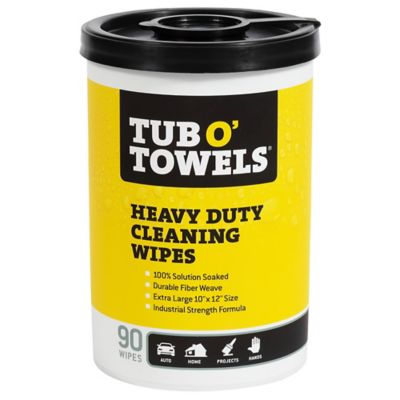
Drain care belongs alongside sink cleaning, but the two categories are not interchangeable. A basin cleaner works on exposed surfaces; a drain treatment is intended for buildup inside plumbing. A bright, clean sink can still drain slowly, and a free-flowing drain does not mean the basin is clean. Hair, soap residue, grease and food particles create different kinds of drain trouble, so a drain formula needs to match both the problem and the plumbing system. Some biological or enzyme-based treatments are intended for ongoing maintenance rather than immediate relief from a complete blockage. Chemical drain openers have their own restrictions, including compatibility with pipe materials, garbage disposals and septic systems. Septic suitability should come from the label rather than an assumption based on scent, packaging or ingredient claims. Standing water, recurring clogs or leaks can point to a problem that needs mechanical clearing or plumbing attention instead of another dose of cleaner. Safe storage and handling matter across the whole cleaning shelf. Sink cleaners and drain products belong in their original containers, with labels intact and out of reach of children and animals. Cleaners should never be mixed, especially bleach with ammonia, acids or other cleaning chemicals, because dangerous gases or reactions can result. Label directions also spell out ventilation, gloves, eye protection and any waiting or rinsing requirements. For everyday shopping, useful details include the surfaces listed on the label, the type of soil the formula targets, fragrance preferences and whether the container makes dispensing manageable around a crowded sink. Households with several bathrooms may favor a straightforward routine-cleaning formula, while a hardworking utility basin may need a separate stain treatment. Keeping cleaning cloths for the kitchen separate from those for shop or animal-care messes helps prevent carrying grime between spaces. For cleanup on patios, walkways and other exterior surfaces, explore
Outdoor Cleaners while keeping each formula matched to its labeled purpose.